Project WellBird
Our Vision
To implement a wildlife hospital in Kaikōura, for the rehabilitation of unwell wildlife.
To provide urgent care and emergency response, alongside conservation services that enable wildlife and people to thrive.
To highlight the intrinsic value of wildlife health in conservation management.
Our Journey
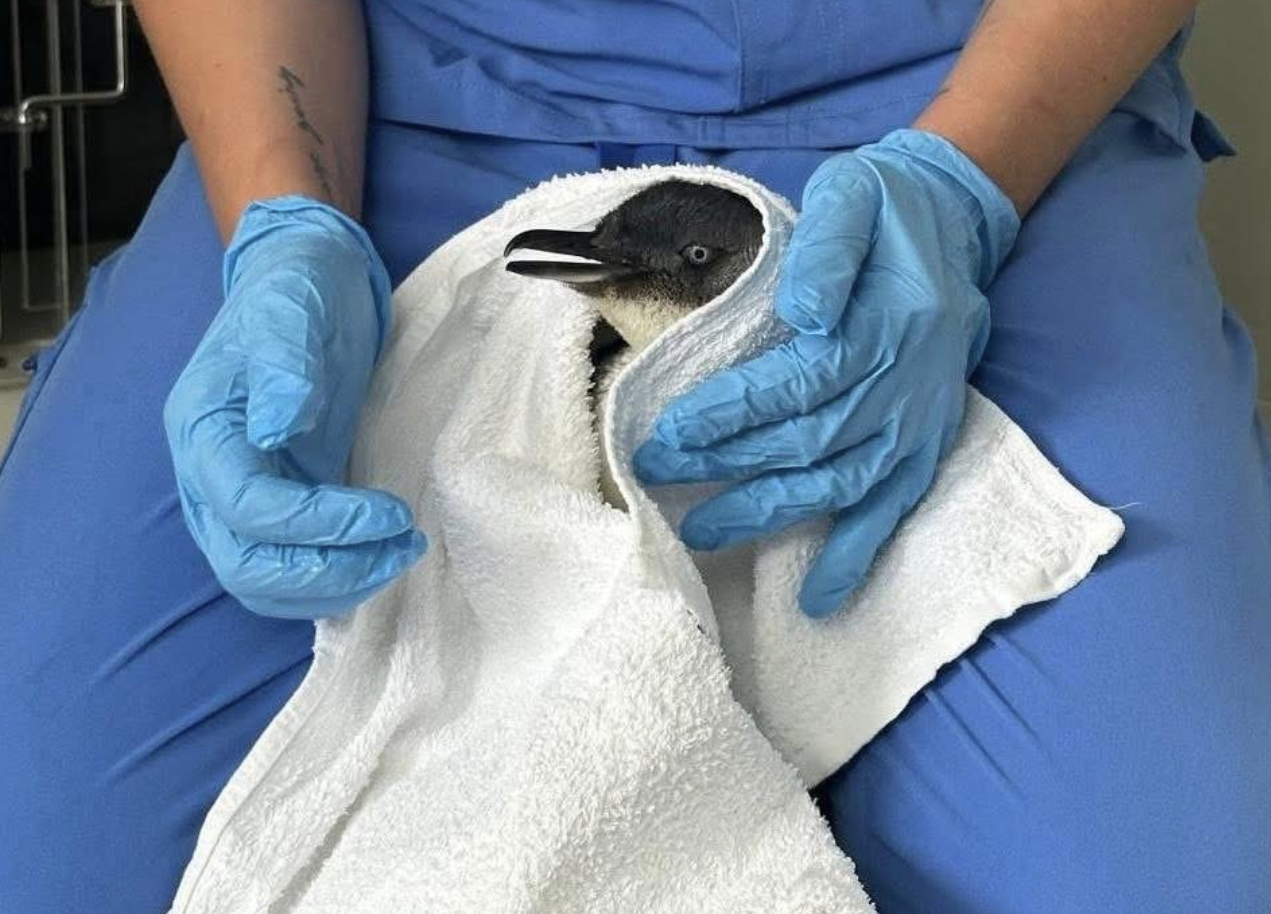
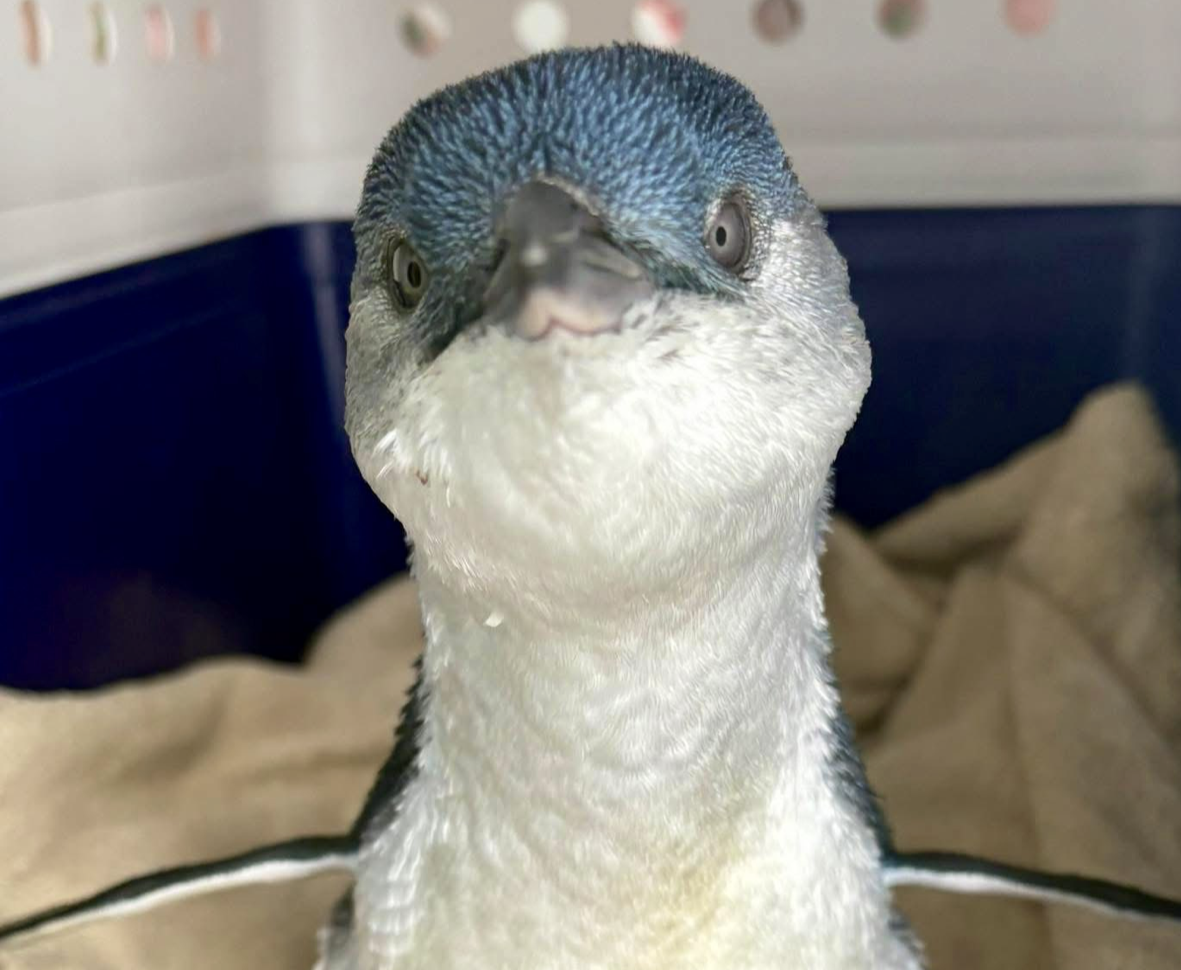
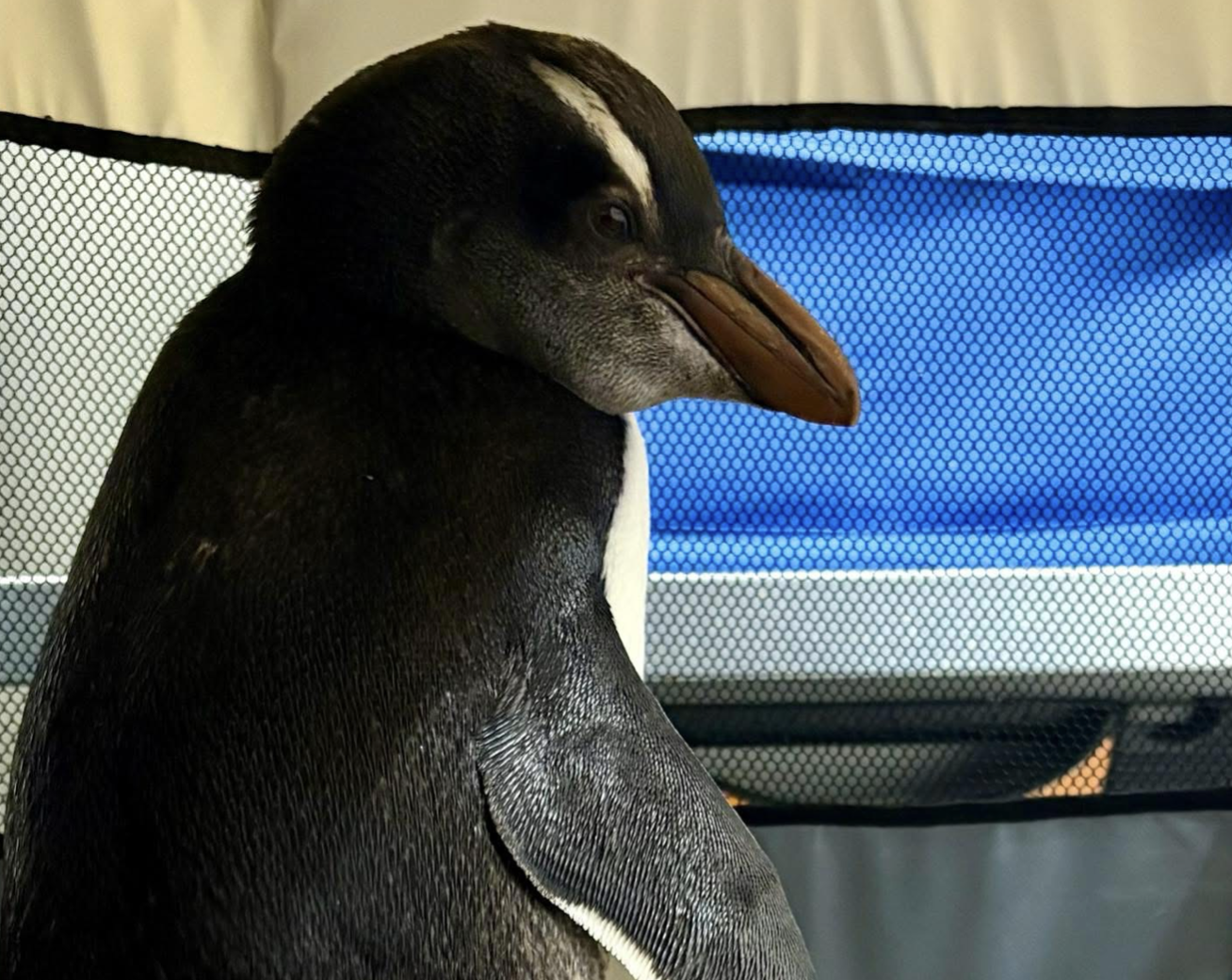
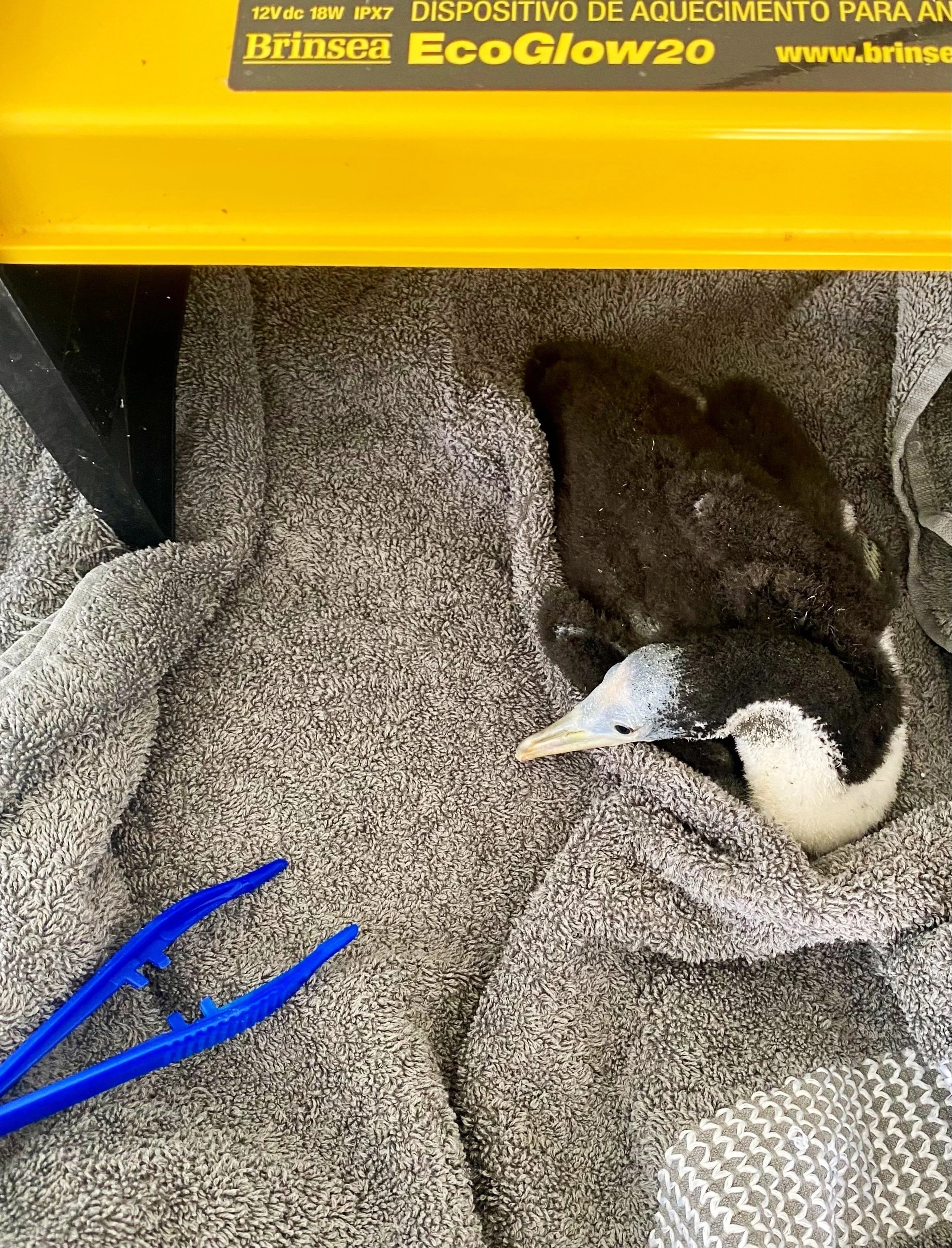
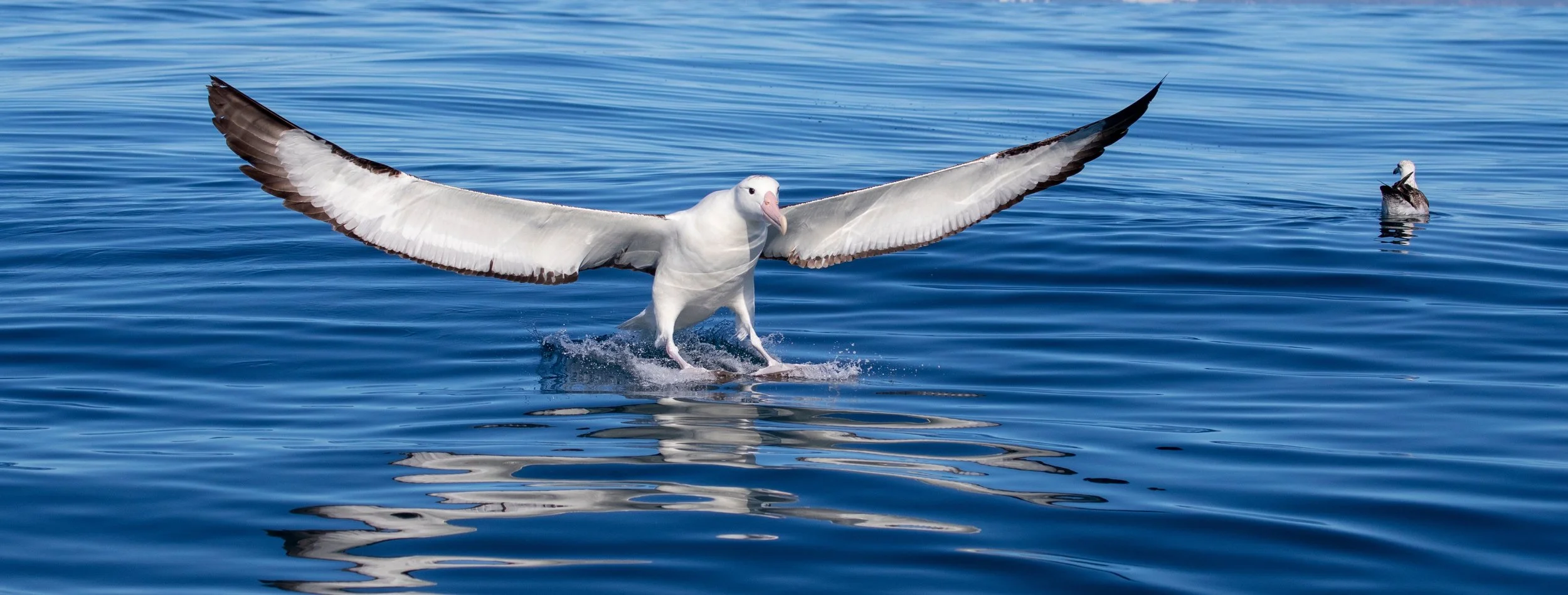
The Trust’s Founder voluntarily rescued and rehabilitated hundreds of injured and ill native birds annually for a decade. The majority of wildlife patients (primarily threatened seabirds) require treatment due to human related causes. Many species rely on medical treatment, requiring stabilising and regional transfer for diagnostics, specialist veterinary care, surgery and rehabilitation. The time and transport involved in transferring wildlife, means critically ill patients are exposed to additional stressors and delays in urgent care, impacting survival. The intensive voluntary workload is unsustainable for a sole rehabilitator in a biodiversity hotspot with a high incidence of wildlife patients. The Trust’s focus is to facilitate a lasting solution by enabling a wildlife hospital centre, serving as a community asset.
Our Project
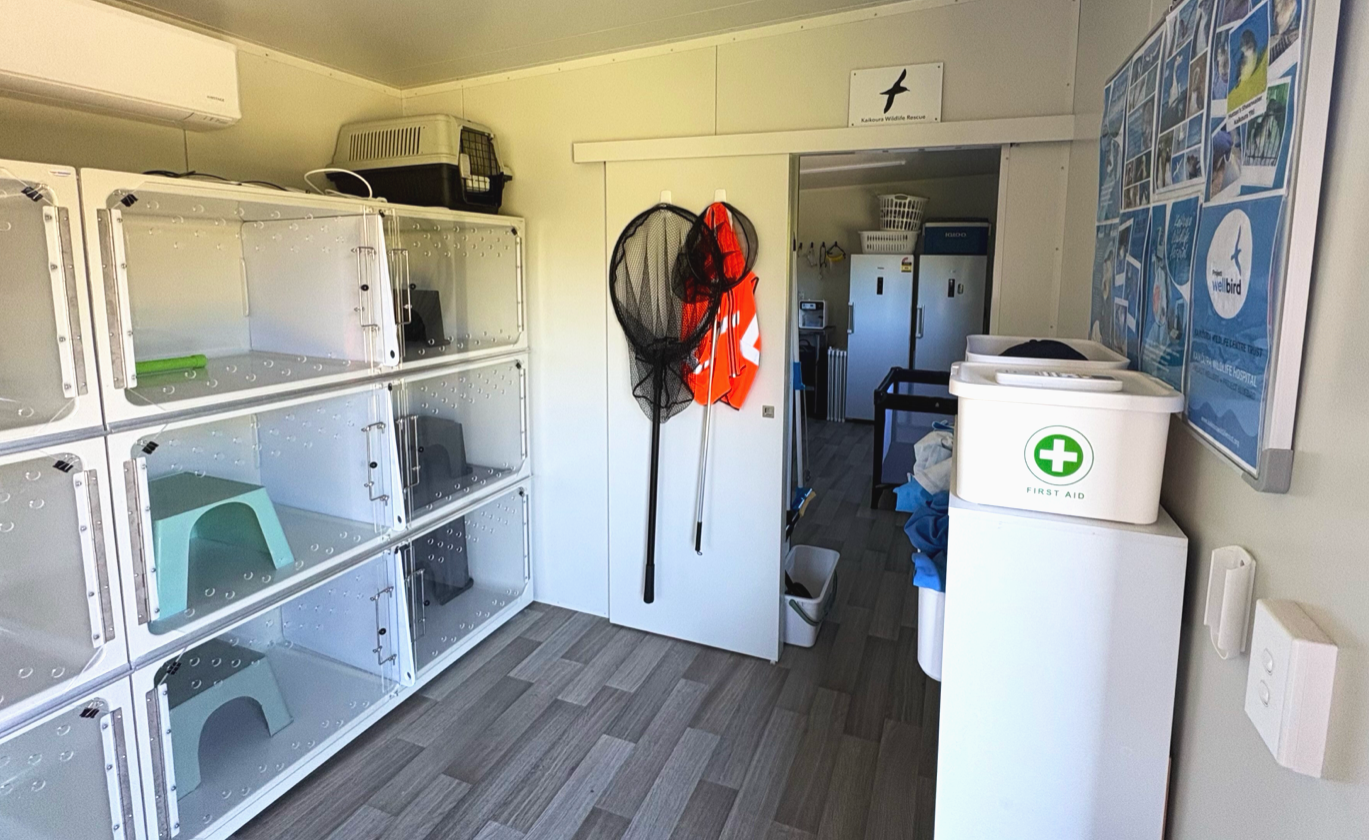
The Trust’s vision is to develop a wildlife hospital centre and conservation services in a global biodiversity hotspot and site of international importance. Project WellBird is focused on capacity building to facilitate a critical environmental and community service, to aid at-risk species and improve animal welfare outcomes. Wildlife care in Kaikōura is an urgent commitment to species preservation and a brighter future for the region’s marine environment. The centre will support wildlife health by providing expert veterinary care, offsetting population declines, mitigating human impacts, and acting as a beacon of hope highlighting the need for ocean health. The Trust was granted $87,998.00 by the Lotteries Commission to facilitate a feasibility study, with Stage 1 of Project WellBird underway.
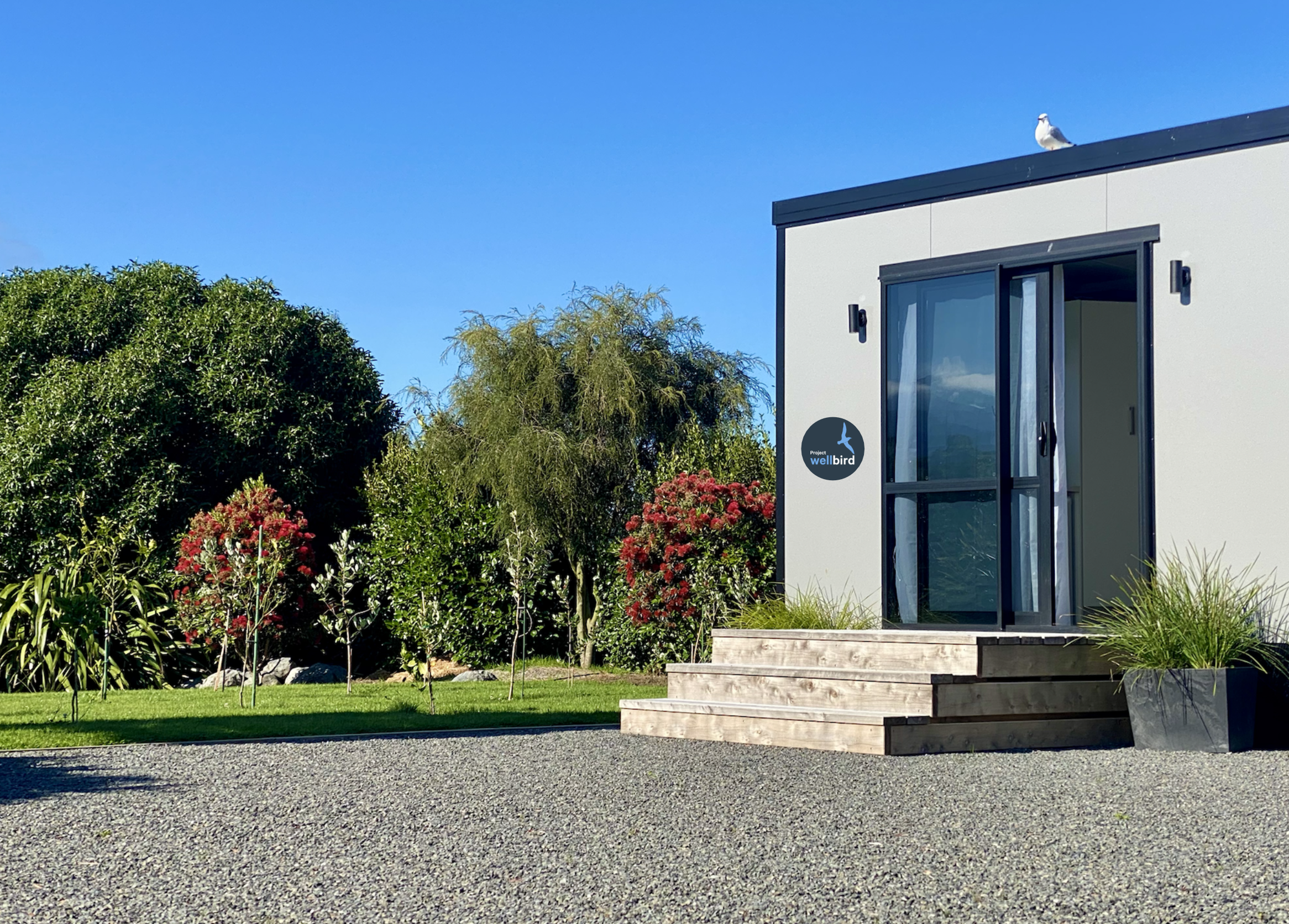
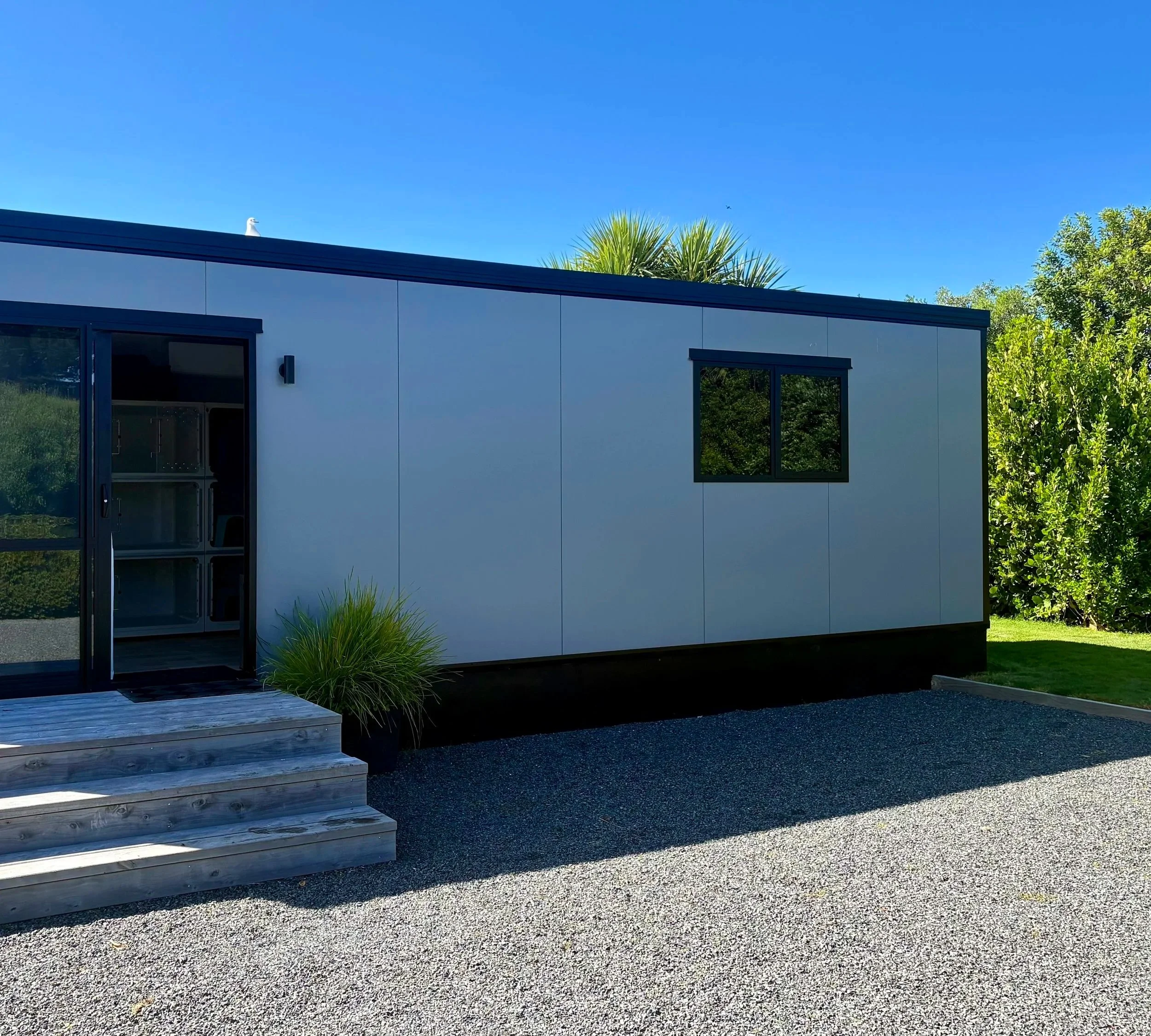
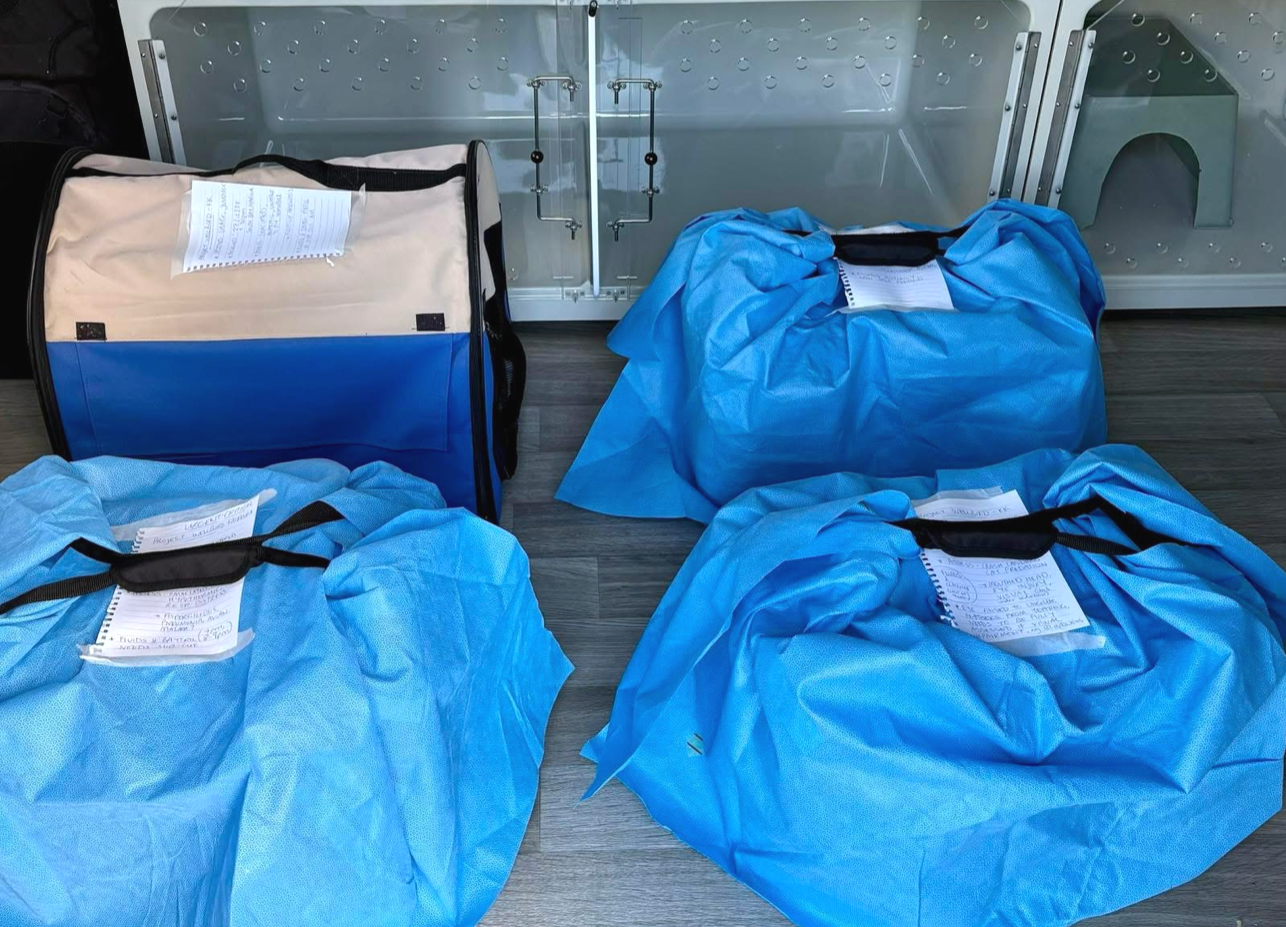
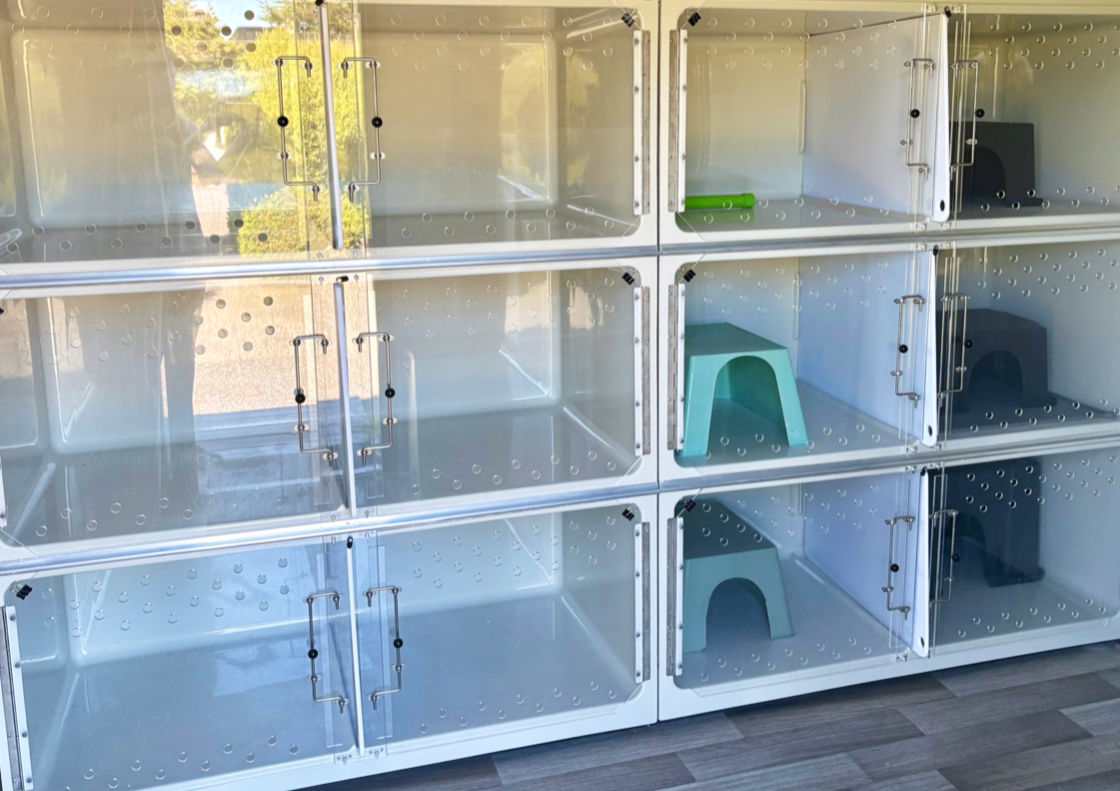
Stage 1 | Modular Wildlife Hospital

Stage 2 | Wildlife Hospital Centre


Wildlife Hospital
Kaikōura Wildlife Hospital will be a sanctuary for unwell wildlife to recover from injury and illness, acting as a care and response facility that caters to the needs of at-risk species. The multi-disciplinary centre will offer specialist avian wildlife healthcare in a global seabird capital, with wildlife veterinarians, vet nurses and technicians who are dedicated to wildlife rehabilitation.
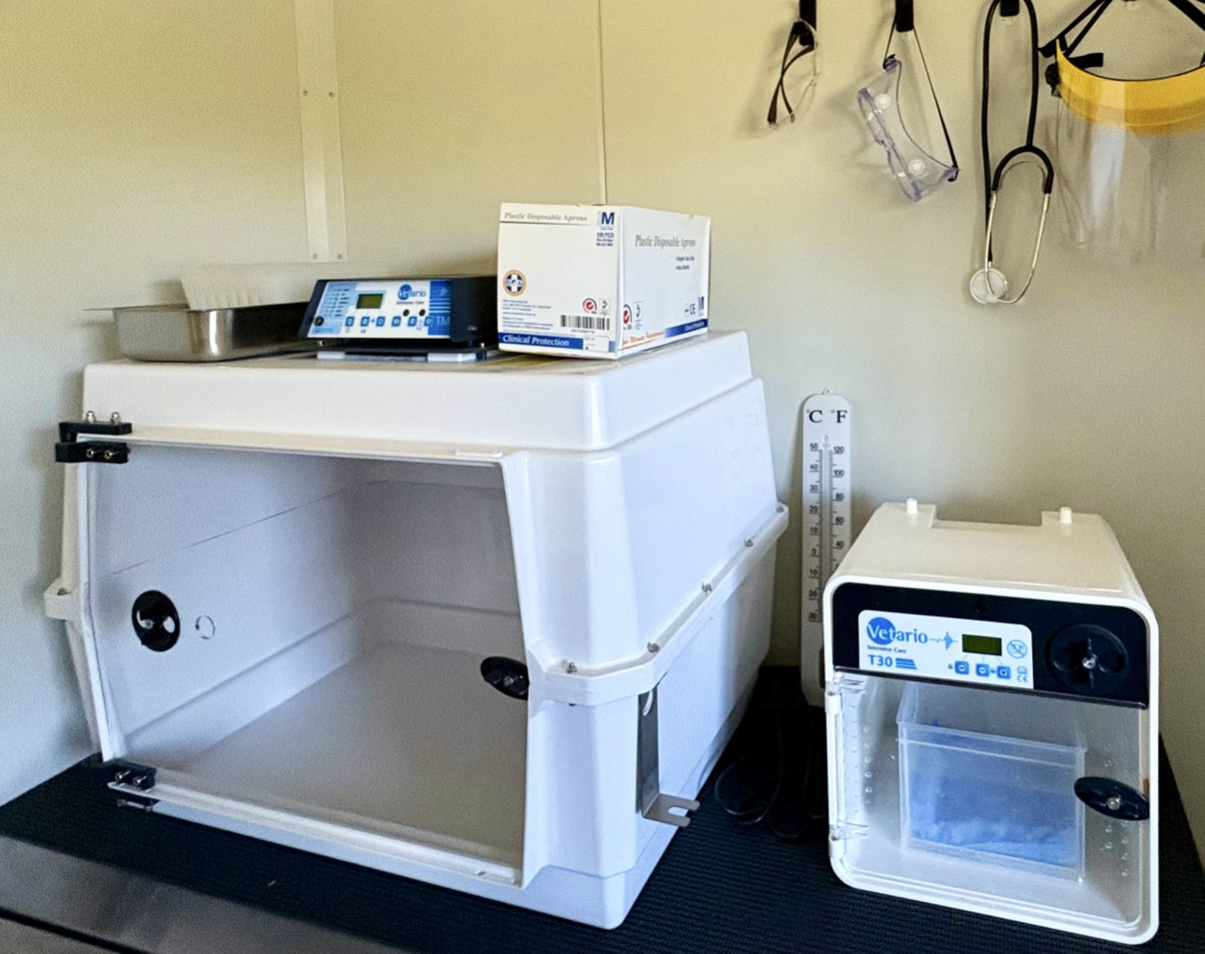
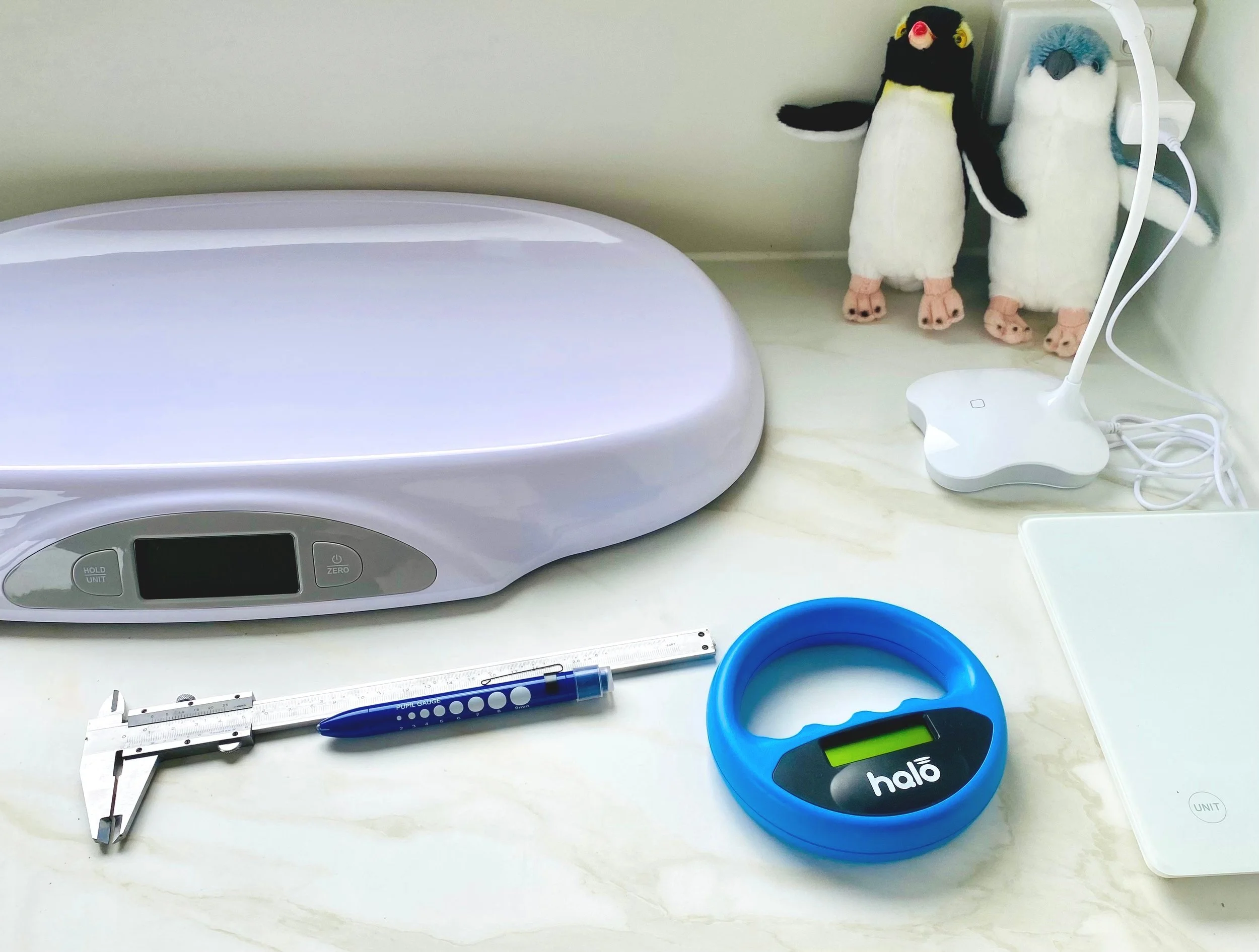
The wildlife hospital will provide critical veterinary care and technical expertise by offering essential services to enable patient treatment and recovery - including examination, anaesthesia, x-rays, lab diagnostics, medications, fluid therapy, nutritional support, intensive care, wound care, life saving surgeries, physio and rehab. Patients undergoing treatment will not be on public display. Rehabilitation and rearing programmes involve daily care, feeding, maintenance, enrichment and behavioural monitoring. Return to the wild is the ultimate goal for every patient, and requires extensive efforts.
Oil Spill Response
The centre will act as an oil spill response facility for oiled wildlife, in a global seabird capital along a major offshore shipping route. Birds exposed to a high concentration of dispersant experience an immediate life-threatening loss of feather waterproofing and buoyancy. External oiling of seabirds can cause large scale mortality within days following a spill, while survivors can suffer long-term effects. The centre will work to minimise the impact of any hazardous pollution incident on aquatic wildlife, by assisting in national coordination responses.
Education Centre
A multi-functional conservation centre will enable advocacy and outreach programmes. The innovative educational complex will provide an interactive discovery zone with displays, exhibits and learning resources. Conservation programmes from pre-school to high school will inspire, instil knowledge, cultivate understanding, and foster the next generation of kaitiaki. Developed by educators and community partners, educational resources will include curriculum links across classroom and field activities.
Recovering wildlife patients will be housed in pre-release aviaries to regain fitness, with screened walls and discrete viewing areas incorporated into enclosures to minimise disturbance. Not all recovering patients will be on display, whilst permanent advocacy residents may be housed at the centre. The centre will showcase conservation in action, facilitating public engagement to inspire species protection. The facility will be a significant asset in the Kaikōura region, acting as a biodiversity hub for residents and visitors.
Research
The centre will host wildlife rehabilitation workshops and conferences to facilitate an integrative and multi-sectoral approach. The centre will collaborate with researchers to inform knowledge gaps in ecology, viral disease emergence, veterinary pathology and conservation biology. Research on disease impacts and emerging threats is vital to support endangered species and optimise ecosystem health. The relationship between wildlife health and conservation is interlinked, with the centre aiming to inspire the next generation of wildlife professionals. Veterinary and volunteering placements will facilitate training in animal welfare and wildlife medicine.