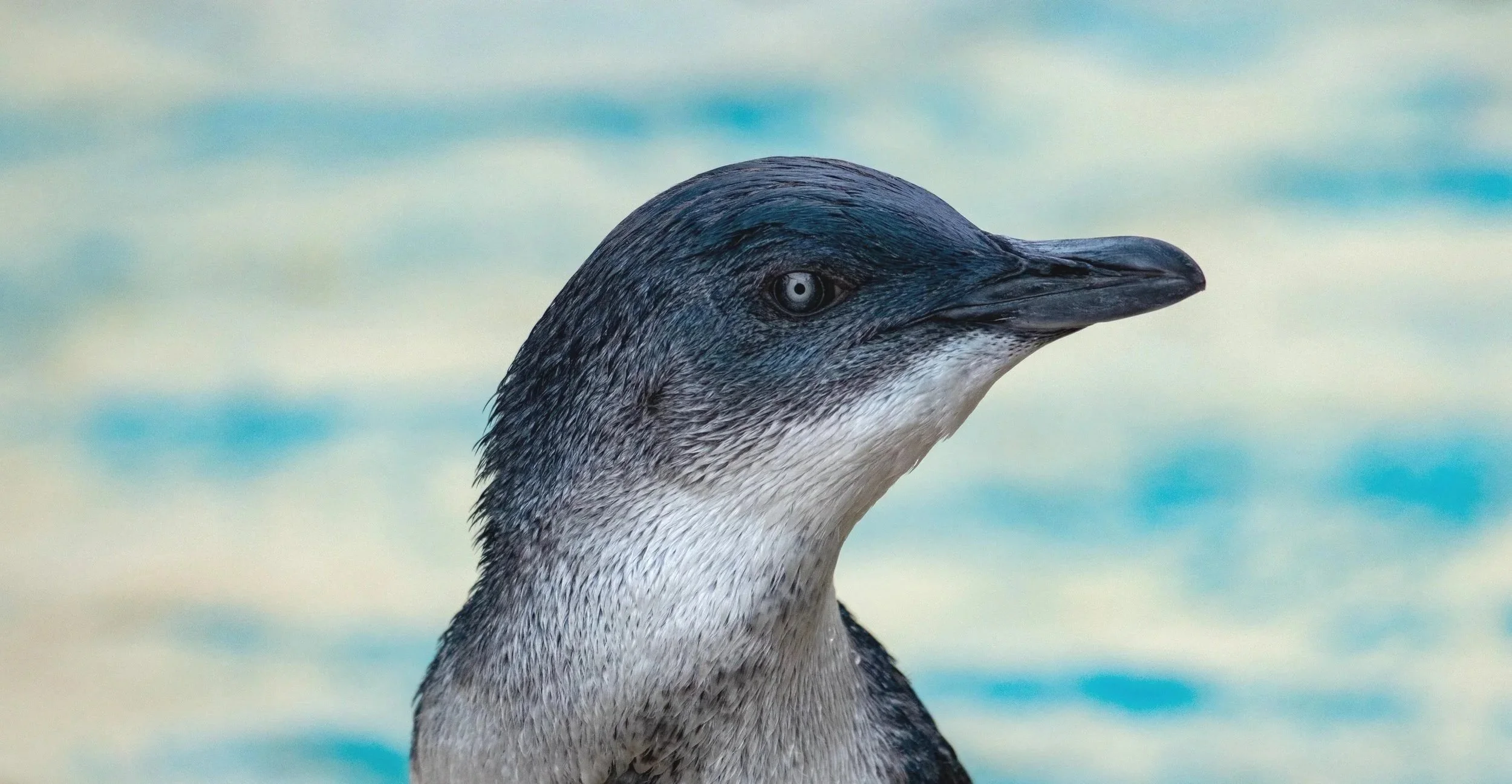
Penguins & H5N1 Bird Flu
Penguin Susceptibility
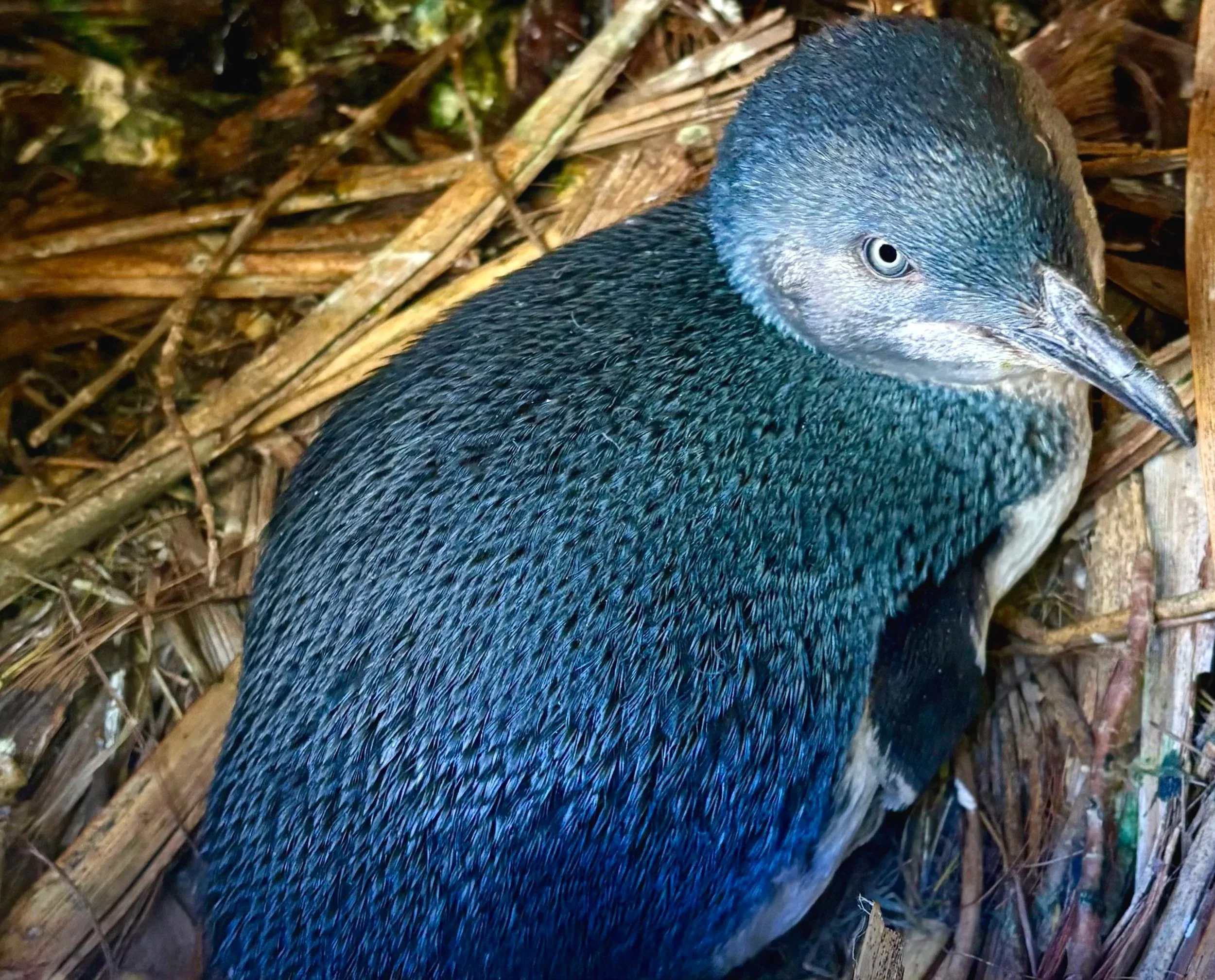
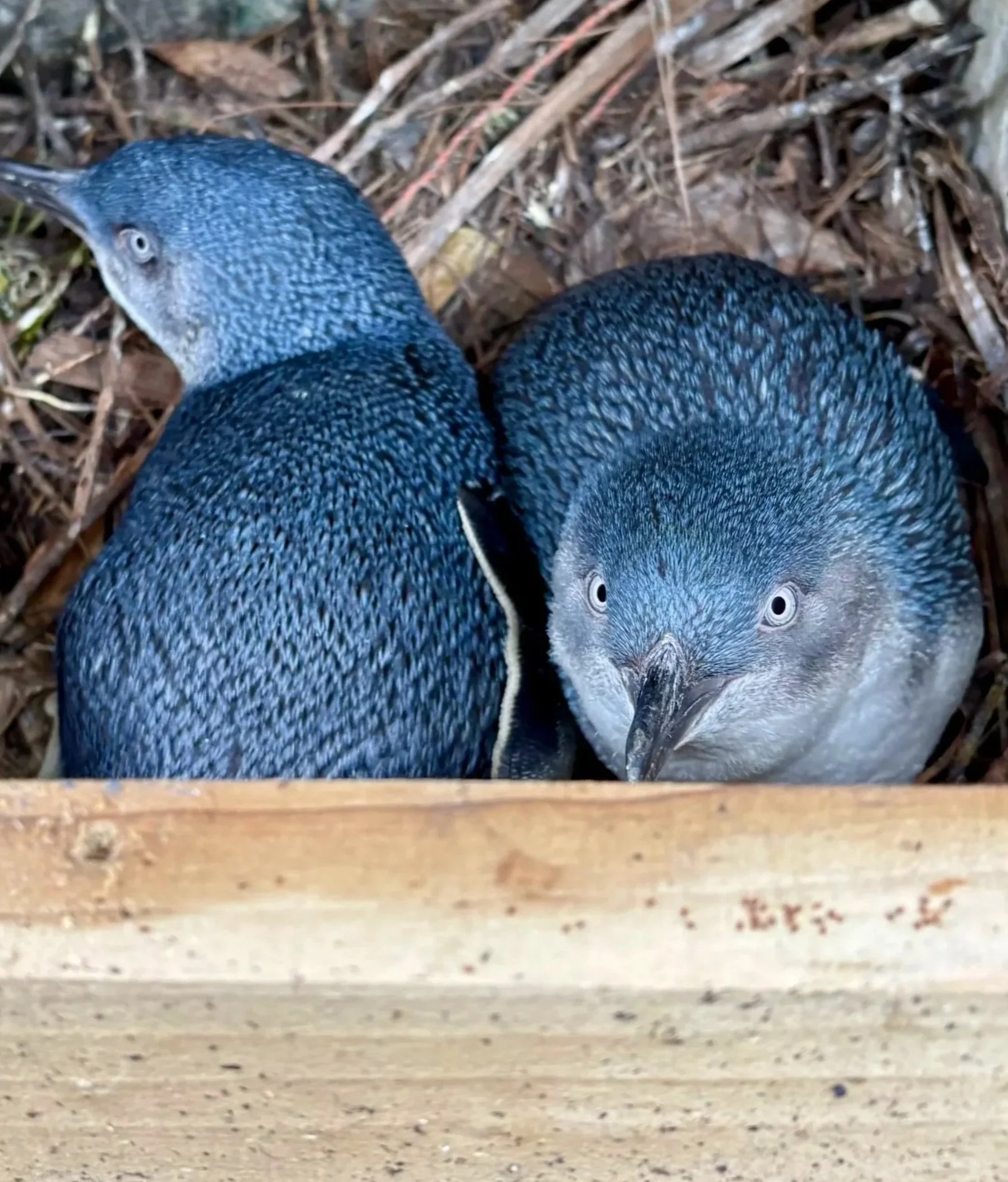
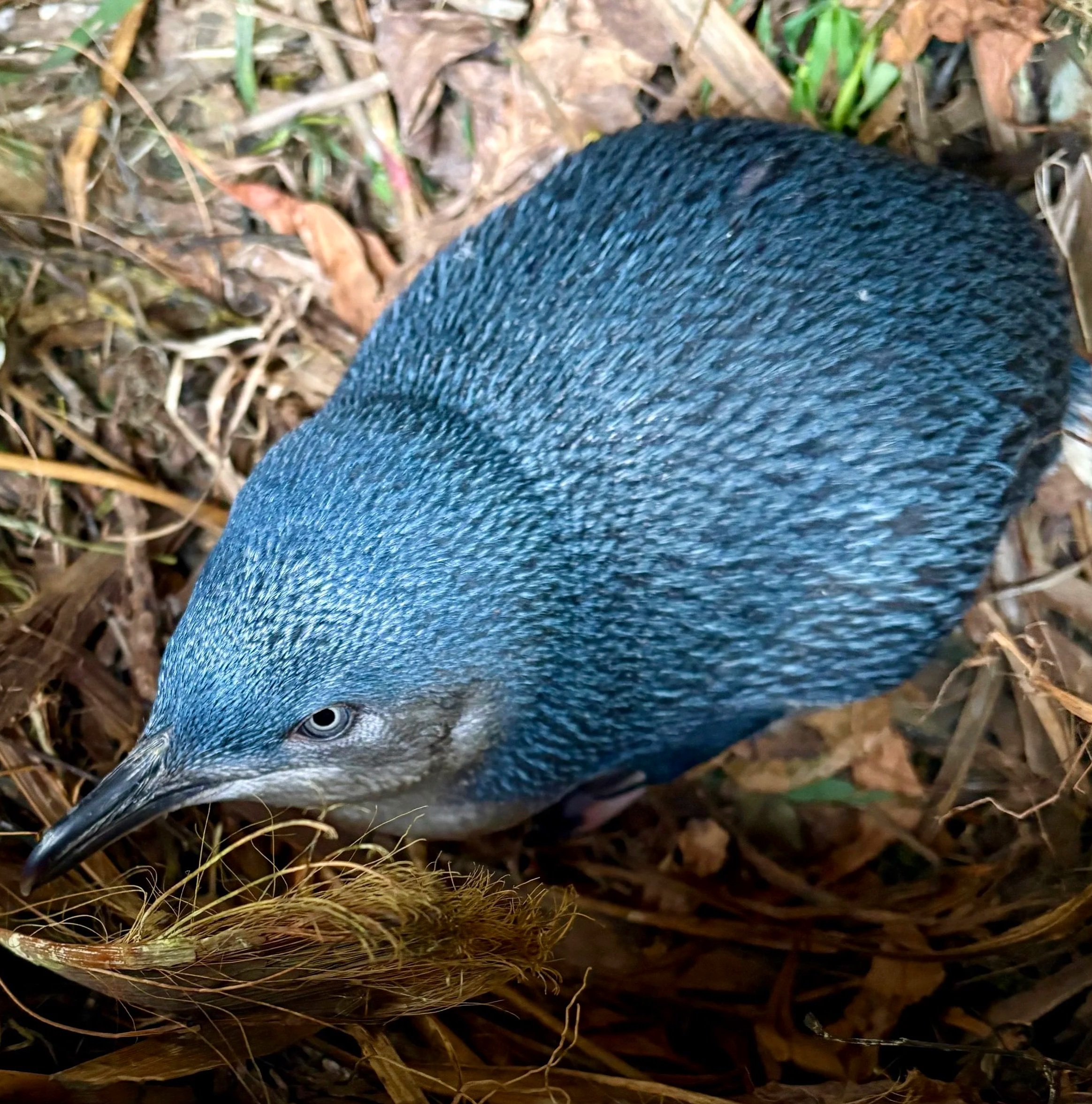
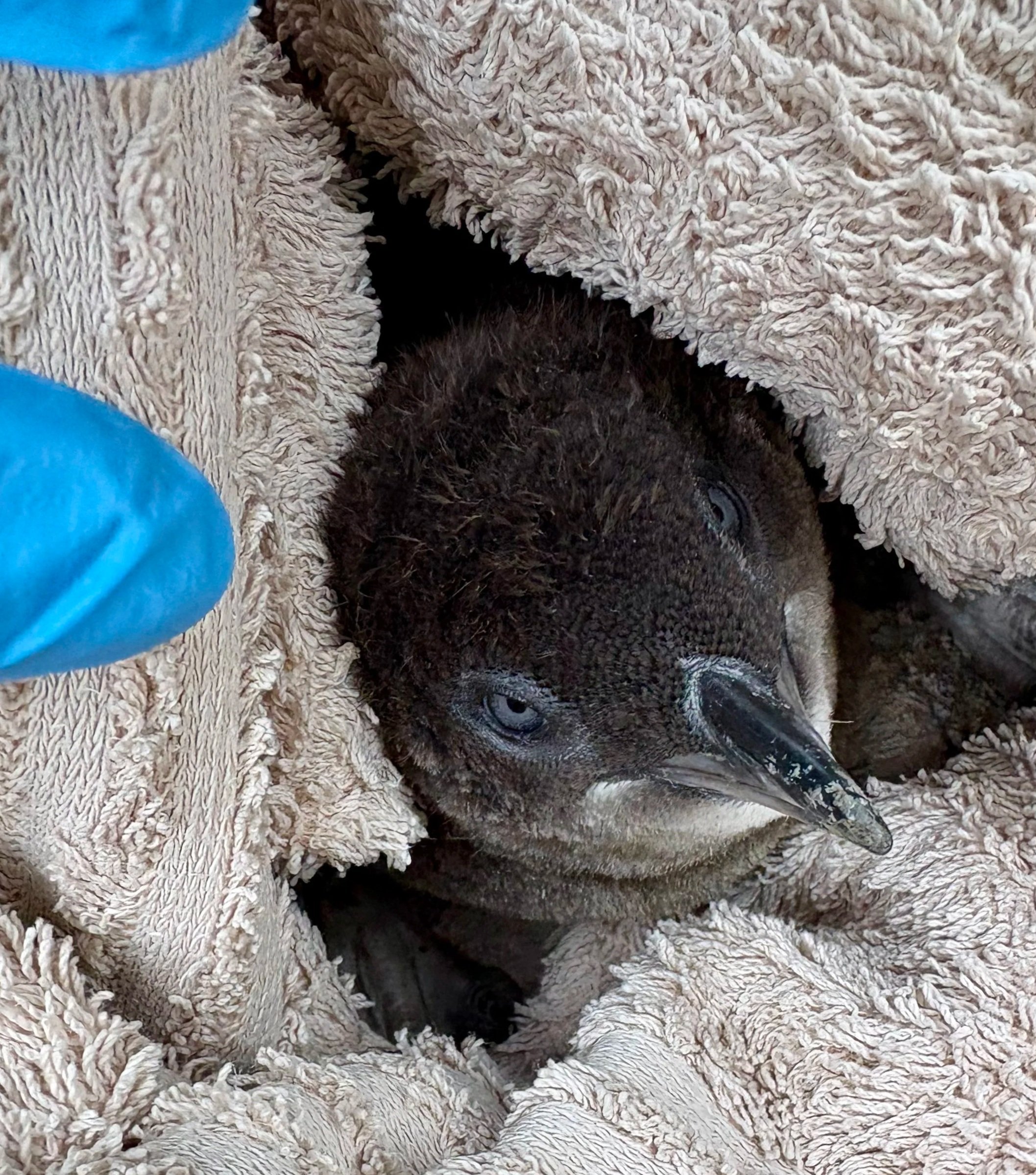
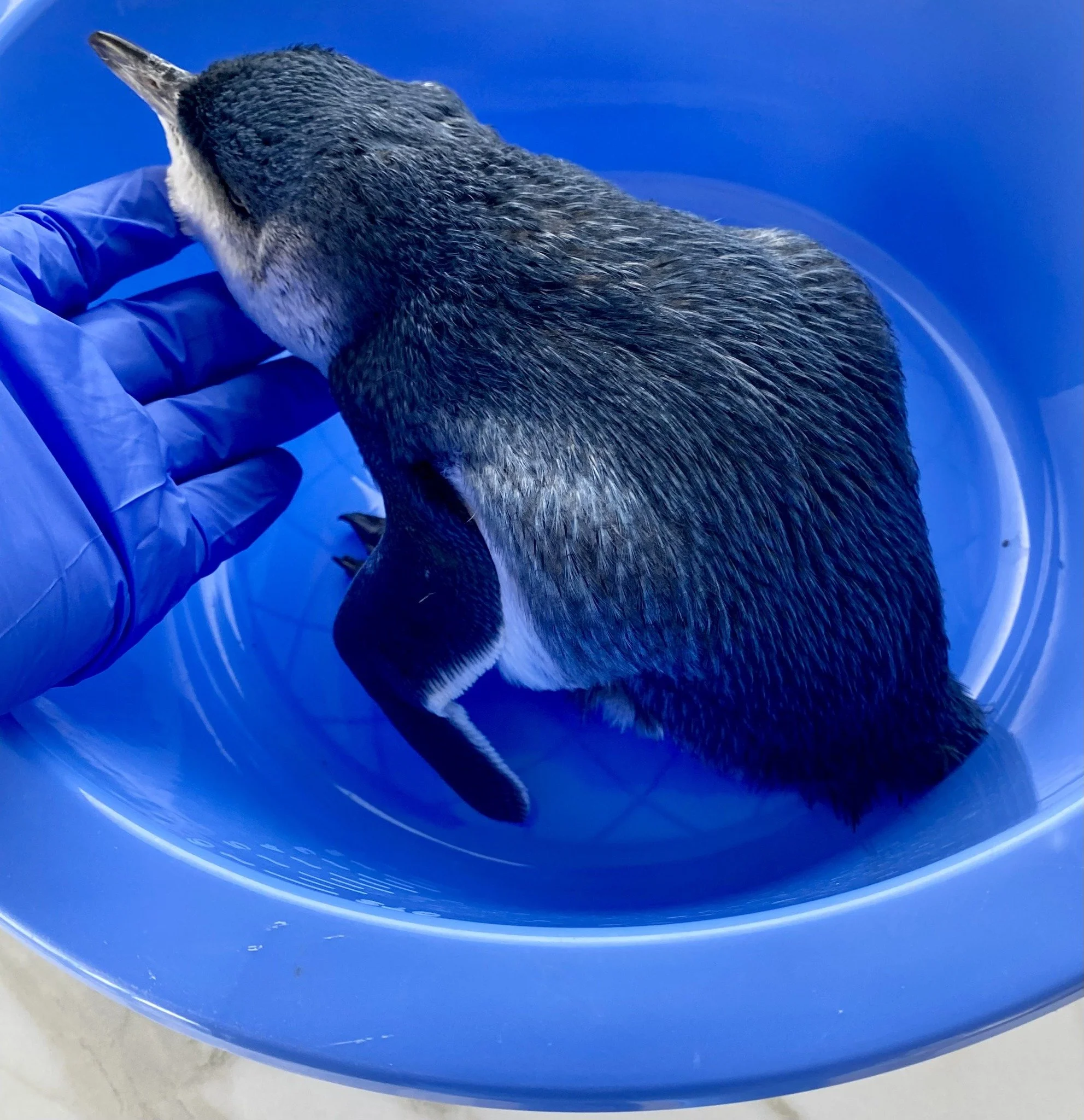
Penguins are considered highly susceptible to highly pathogenic avian influenza (H5N1 bird flu), due to dense breeding habits and social behaviour. Like many seabirds, penguins primarily reside in colonies, interacting closely with one another on land and at sea. Penguins nest in close proximity and raft offshore in groups, which allows the lethal H5N1 virus to spread rapidly from bird to bird. Little Penguins are at very high risk of H5N1, an Australian government assessment has revealed.
Global Penguin Impact
Past and ongoing outbreaks in South America, the sub-Antarctic, and Australia have demonstrated mass infection events and high mortality (75-100%) in species such King, Gentoo, African, and Little Penguins. As the majority of penguin populations are already pressured by overfishing and climate change, H5N1 outbreaks pose a catastrophic threat to population viability regarding immediate localised extinction risk, and long-term national extinction. Key colonies and highly threatened remnant non-resilient populations will suffer devastating impacts without action. Overseas, penguins are targeted as a priority species to preempt H5N1 mortality via vaccination, due to being under threat of serious permanent loss.
International Vaccination Rollout
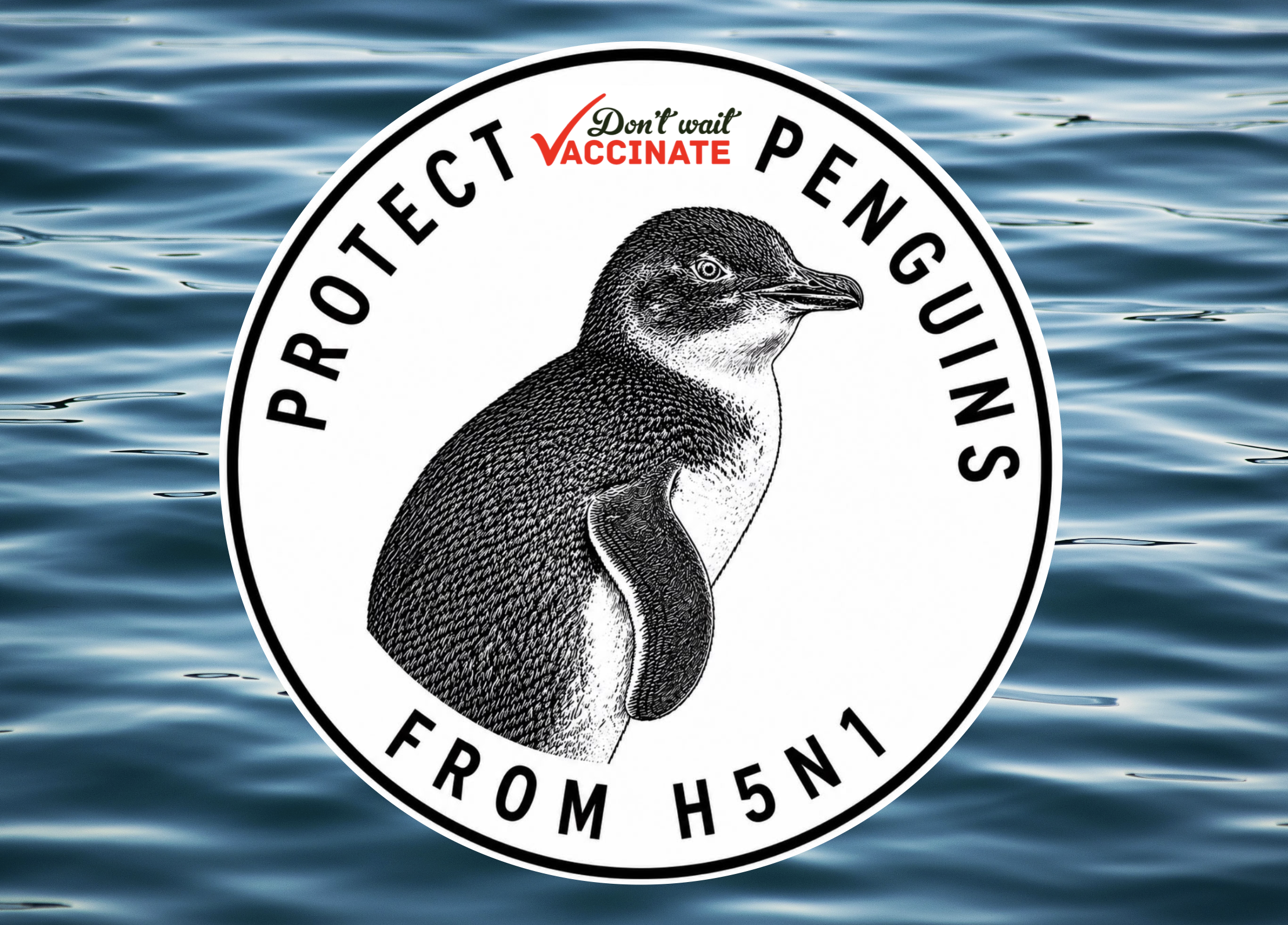
Contrary to New Zealand inaction, internationally penguins are prioritised as a core vaccine target candidate. Australia has launched the world's largest wild bird vaccination programme, prioritising thousands of Little Penguins (Eudyptula minor novaehollandiae) in Victoria and NSW, to enable immunity against the devastating H5N1 strain. Wildlife authorities are urgently vaccinating over 5,000 penguins. Vaccine deployment escalated rapidly in mid-August 2026 after Australia confirmed its first H5N1 penguin death on Phillip Island, with penguin mortality rates rising in Tasmania. Worst-case modeling indicates an unchecked outbreak could wipe out 40% of the colony within six weeks.
King Penguins (Aptenodytes patagonicus) have been at the centre of groundbreaking H5N1 mRNA vaccine implementation, serving as the primary model for sub-Antarctic wild seabird protection. As King Penguins breed in exceptionally tight colonies en masse and have extended chick-rearing periods, they are highly vulnerable to H5N1 outbreaks.
Vaccination in African Penguins (Spheniscus demersus) made these early pioneers for testing immunisation, before mass wild rollouts were undertaken. Because African penguins are critically endangered (starvation induced overfishing impacts) and highly vulnerable to outbreaks—with H5N1 actively threatening colonies—facilitating an effective vaccine is a conservation priority.
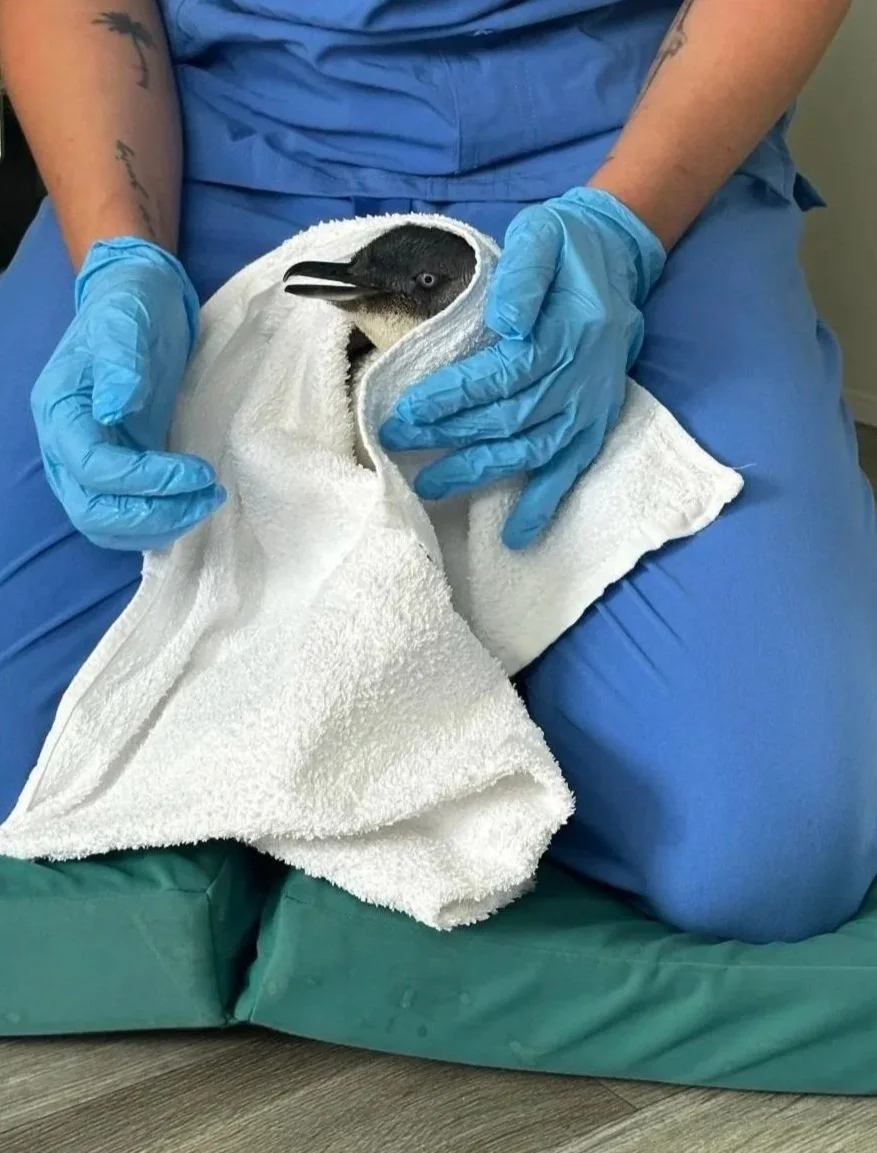
Penguins must be safely caught and handled twice to receive a two-dose vaccine course, with an initial vaccination and a follow up booster within 2-4 weeks. penguins reliably return to the same colonies regarding high site fidelity, wildlife organisations have a unique window to catch, vaccinate and monitor penguins. Wildlife teams are able to intercept penguins at key sites to administer vaccination and microchipping. For each penguin, the process is quick, with each individual handled for a brief time regarding disturbance stress. In managed fenced reserves, penguins reliant on intervention care for survival are used to periodic handling. Of all bird species, penguins are arguably the simplest of all to assist. Facilitating vaccination is highly feasible and effective in penguins, with no limiting factors.
H5N1 Vaccine
H5N1 vaccinations in New Zealand are approved for “emergency use” by the Department of Conservation (DOC) and Ministry For Primary Industries (MPI). There is presently a slow vaccination rollout limited to 5 terrestrial species, despite having surpassed triggers to implement all species vaccination plans once H5N1 is detected in mainland New Zealand (July 2026).
Standard inactivated vaccines require a two-dose regime to effectively halt viral shedding, enable long-lasting antibody counts and facilitate immunity. DOC initially utilised the Poulvac Flufend RG vaccine, to confirm safety and efficacy. DOC now uses the Avian Influenza Vaccine H5N2 Subtype Killed Virus vaccine, as this is a closer antigenic match to the bird flu strain detected in New Zealand. With American vaccine manufacturer Zoetis and Christchurch company Pacifivet producing the vaccine, the Trust has queried how limited the current vaccine supply is, which is available on order for allocation. DOC failed to address this inquiry, and whether privileged market access is a factor.
There is no scientific, veterinary, logistical, financial or supply-based impediment to vaccinating Little Penguins/Kororā. The principal impediment is DOC’s policy decision to assess risk at the national threat classification criteria only. At present the vaccine is provided to DOC free of charge. Organisations such as the Trust have offered to self-fund vaccine implementation. Despite appeals to challenge DOC, vaccination pathways are being blocked.
Assessment Criteria
Under DOC guidelines a species or a subset qualifies for vaccination if it is:
1) Under current management (Kororā ✓)
2) Local population loss (Kororā ✓), or significant impact on conservation/research if >50% decline occurs (Kororā ✓), or if a decline of >30% moves the species into a higher threat category (Kororā ✓)
3) The vaccinated group will preserve genetics (Kororā ✓)
4) The vaccinated group will represent an insurance population (Kororā ✓)
Animals are considered susceptible based on:
1) Evidence of morbidity or mortality overseas in the Order/Family (Kororā ✓)
2) Habitat or behaviour increasing exposure risk (Kororā ✓)
3) Members of the species have died during outbreaks in NZ (set to occur)
Vaccination feasibility:
1) The majority of the individually marked target group can be captured twice, 4 weeks apart for vaccination (Kororā ✓)
2) To support genetic diversity, a target group of a minimum of 40 fully vaccinated individuals is recommended (Kororā ✓)
NZ Government Inaction
DOC and MPI have failed to prepare effectively for the arrival of H5N1, which has been decimating wildlife populations in the northern hemisphere since 2020. MPI modeling is inadequate by international standards, whilst the DOC species prioritisation system is flawed and limited to threat classification only. DOC oversight in relation to Kororā is apparent. The current approach fails to incorporate multi-threat assessments for highly vulnerable populations at risk of local extinction, where vaccination is a critically necessary tool to prevent total loss.
Preemptive vaccination is more effective than reactive vaccination, requiring 80% of the population to be vaccinated to significantly reduce deaths. Despite urgent appeals to consider penguin vaccination approval, DOC and the Minister of Conservation have rejected Kororā vaccination requests.
The Trust has highlighted DOC negligence and failure to 1) Consider high risk colonial seabird species such as penguins; 2) Undertake multi-threat assessments, 3) Assess exceptional cases where regional extinction is inevitable without vaccine approval - due to remnant population size, existing threats, and intensive management reliance for survival.
Who set the assessment criteria, based on what scientific evidence? Why are criteria other than threat status not considered? Compared to overseas action, why was a multi-threat assessment not undertaken for Kororā, and specifically highly vulnerable populations? Were any penguin experts involved to inform the decision making process? How much vaccine supply does New Zealand have access to? How rapidly can more be produced and allocated? What is the cost per dose? Why is DOC refusing to undertake evidence-based risk assessments and a cost-benefit analysis of a vaccination programme for Kororā? Why is DOC not seeking further vaccination approvals and vaccine release from MPI? Why are regulatory approvals not facilitated for organisations responsible for Kororā management?
Lack of transparency from DOC and the Minister of Conservation, make it clear that the objective is to withold information and stall resolution for penguin vaccination requests. DOC has failed to provide Kororā specific data, because it does not exist.
In a Ministerial review, the Trust challenged DOC and also requested a basis for what would trigger a reassessment. The response proved no assessments have been undertaken for Kororā and failed to provide any information on modeling, methodology, or population level considerations. DOC continues to re-issue the same generic templated media responses, consisting of contradictory false statements that have been repeatedly disproven.
Kaikōura Penguins
Little Penguins/Kororā in Kaikōura consist of Blue Penguins (E. m. minor, At-Risk Declining) and White-Flippered Penguins (E. m. albosignata, Endemic to Canterbury, Endangered), with a remnant population at risk of local extinction.
The Trust queried DOC whether any technical assessment was made for Kororā vaccination, beyond ruling out threat status. The Trust sought rationale for what an assessment is based on for Kororā — and, importantly, whether the regionally endangered Kaikōura population (<50 individuals) was assessed in its own right. DOC failed to provide this information, nor any scientifically robust peer reviewed data or verified evidence, resulting in an Official Information Act request. The OIA proved no assessments were undertaken, stating “this information does not exist”.
The justification that Kororā have not been included because they are not considered at risk of national extinction from H5N1, is concerning. Lack of pre-empting loss will undoubtedly result in reclassification to a nationally endangered threat status, given expected unparalleled loss from HPAI in conjunction with existing human related threats. National extinction risk is one consideration, but it does not inform on the vulnerability of particular at-risk colonies or the consequences of losing significant local populations regarding wider context. This is a distinction that is particularly important in Kaikōura.
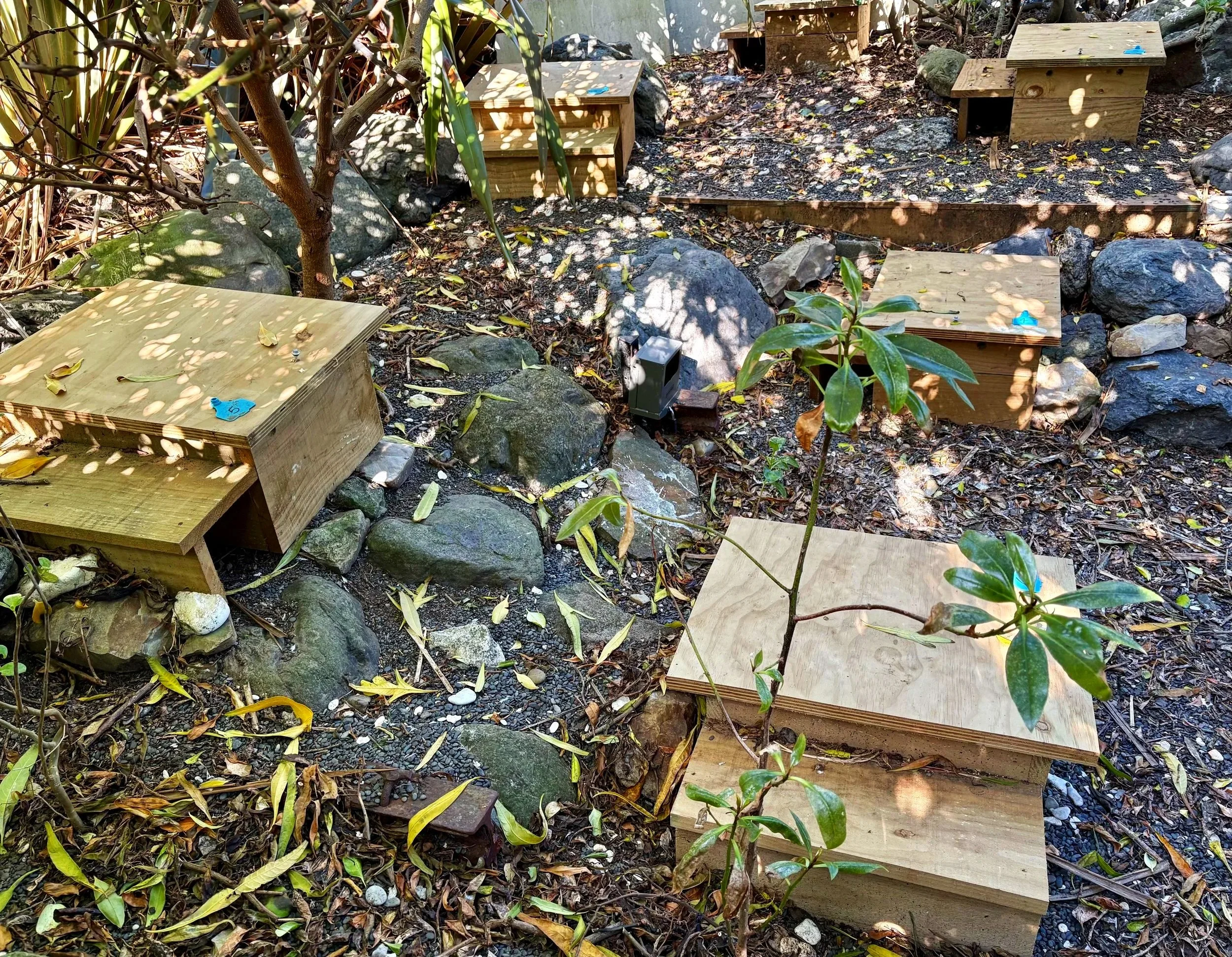
The Trust has invested immense charitable effort into Kaikōura Kororā to facilitate survival, and is the only organisation that aids this taonga. This locally endangered population faces pressures that are not reflected by the national conservation status of the species. The level of volunteer managed conservation work focused on survival measures implemented for Kaikōura Kororā, is unparalleled at a national scale. This population is no longer resilient and is considered functionally extinct, i.e. is in a state of emergency.
Key Considerations
Whilst vaccination is not a silver bullet, it is a complementary tool proven to reduce the impact of the lethal H5N1 virus to safeguard critically at risk populations, whilst continuing to address existing threats such as seabird starvation from fishery and climate impacts.
Small extinction prone populations which are immune compromised due to compounding threats such as fisheries induced starvation, stand no chance against the virus and will be wiped out immediately, nor will penguins attain any natural immunity when considering international evidence. Example, the critically endangered African Penguin has not developed any natural immunity to H5N1. Highly pathogenic avian influenza continues to pose a severe and ongoing mortality threat to colonies, requiring active intervention and targeted vaccine trials rather than broad natural resistance. DOC’s continued stance is misleading, suggesting that penguins will develop natural immunity, which is false. Highly susceptible and compromised species such as penguins do not develop natural immunity.
Vitally, DOC has failed to consider that other measures to assist will not be possible regarding the inability to aid starving penguins. With no local quarantine capability, disease screening capacity, nor wildlife hospital facilities available; uplifting and admitting starving penguins for rearing or rehabilitation will be impossible regarding H5N1 infection risk. As well as the fact that any welfare work in an unvaccinated colony will increase H5N1 transmission, regarding human movement between nest boxes, given penguin density within highly limited small reserve footprints.
It is therefore accurate to state that without vaccination, Kaikōura Kororā will succumb to instant cumulative mortality from starvation and H5N1. Vaccination approval is an immensely time sensitive issue, as mass mortality is guaranteed to occur. With the return of migratory shearwaters (over-wintering in Australian waters) to Kaikōura, H5N1 is now considered to be in the region. Once the virus is present in Kororā colonies it may be impossible to achieve adequate vaccine coverage to ensure immunity.
New Zealand is the seabird and penguin capital of the world, with 90% of seabirds threatened with extinction. DOC’s approach is simply to “restrict or suspend management activities” for species such as Kororā, effectively condemning these to death. Government inaction will enable penguin extinctions — despite vaccine availability and evidence to act with urgency. DOC and MPI consider extinction events an acceptable outcome regarding continued rejection of penguin vaccination requests. DOC’s strategic approach will result in Kororā mass mortality on a national scale, which is counterintuitive to the very concept of conservation.
Existing Pressures
Starvation is a primary threat and remains a continuous silent killer — regarding climate change, recreational fishing and commercial fishing impacts suppressing prey availability (decreased ocean productivity). Kaikōura Kororā suffer from extraordinary foraging impacts, with starvation associated reproductive impairment and high mortality, compared to other regions (followed by the Hauraki Gulf, Bay of Plenty, and Abel Tasman).
El Niño conditions worsen prevailing starvation pressure, with the current El Niño cycle underway intensifying rapidly and expected to be the strongest in recorded history. This unprecedented super El Niño will result in the worst seabird starvation event in New Zealand to date. It is imperative that vaccination pathways are approved, to ensure starving penguins can be assisted directly, and to prevent additional mortality from H5N1.
H5N1 will result in extreme population loss in its own right, whilst the inability to aid starving penguins (if remain unvaccinated and at risk of infection) will equate to a double blow, and total loss in Kaikōura regarding expected regional extinction. The loss of this critical population in a global seabird capital, would further fragment the overall population.
As the risk of H5N1 spread increases, the opportunity to act in a timely response is closing. The Trust queries whether DOC is doing all that can be done to pursue preventative measures, and considers government inaction indefensible.
Legality & Accountability
The DOC prioritisation ranking was pre-selected based on threat status, vs considering population management and specific multi-threat assessments based on international standards. In catastrophic scenarios such as H5N1 impacts, weighting should not be based on population size, but the vulnerability of populations. DOC's weighting for species such as Kororā is inherently flawed, classing species as a non-priority. Adequate systems and models to inform conservation management, are not being applied for emergency use.
Opting not to prioritise species that have a chance of recovery with H5N1 intervention, is a decision not to resource and will lead to unparalled loss. As DOC's response is that Kororā do not qualify as there are deemed to be “sufficient numbers” nationally, this poses a legitimate legal question on whether frameworks adequately protect important local populations before they suffer fragmentation beyond repair, catastrophic population loss, and localised extinctions.
DOC’s continued position is that the impact of H5N1 on New Zealand’s wildlife is best mitigated by improving species’ ‘resilience’. Seabirds such as penguins are no longer resilient due to decreased ocean productivity from human related impacts - an aspect that government continues to fail to acknowledge or address.
DOC states that “A vaccination programme is burdensome, particularly for long-term species management.” Kororā conservation is undertaken by charitable organisations, the onus is therefore not on DOC. DOC also states that “Increased intervention can only be rationalised in the presence of a critical extinction risk”, which threatened populations face with certainty.
The current H5N1 response from DOC and MPI despite known existing threats, equates to multi-system failure and serious shortcomings. This is a willful lack of intervention and breach of obligations, as a result of bureaucracy. Trust correspondence, OIA requests and media releases aim to facilitate public transparency on discretionary decision making powers, and accountability under the Wildlife Act 1953. Once H5N1 is widespread, resultant losses will be irreversible. Communications and mounting evidence against DOC inaction for vulnerable populations on the brink, will be on record for auditing.
Correspondence: 1) DOC Response, 2) Trust Response, 3) Trust Letter - Ministerial Review, 4) Trust Letter - DOC Review, 5) Trust Letter - OIA, 6) DOC Response, 7) Trust Response, 8) Minister Response, 9) Kaikōura District Council - Letter of Support, 10) ECan Regional Council - Letter of Support, 11) Trust Response - Minister of Conservation, 12) Trust Letter - Minister of Biosecurity, 13) Trust Letter - Minister of Conservation, 14) DOC OIA, 15) Trust Response - OIA.