
Project BlueBird
Kororā Decline
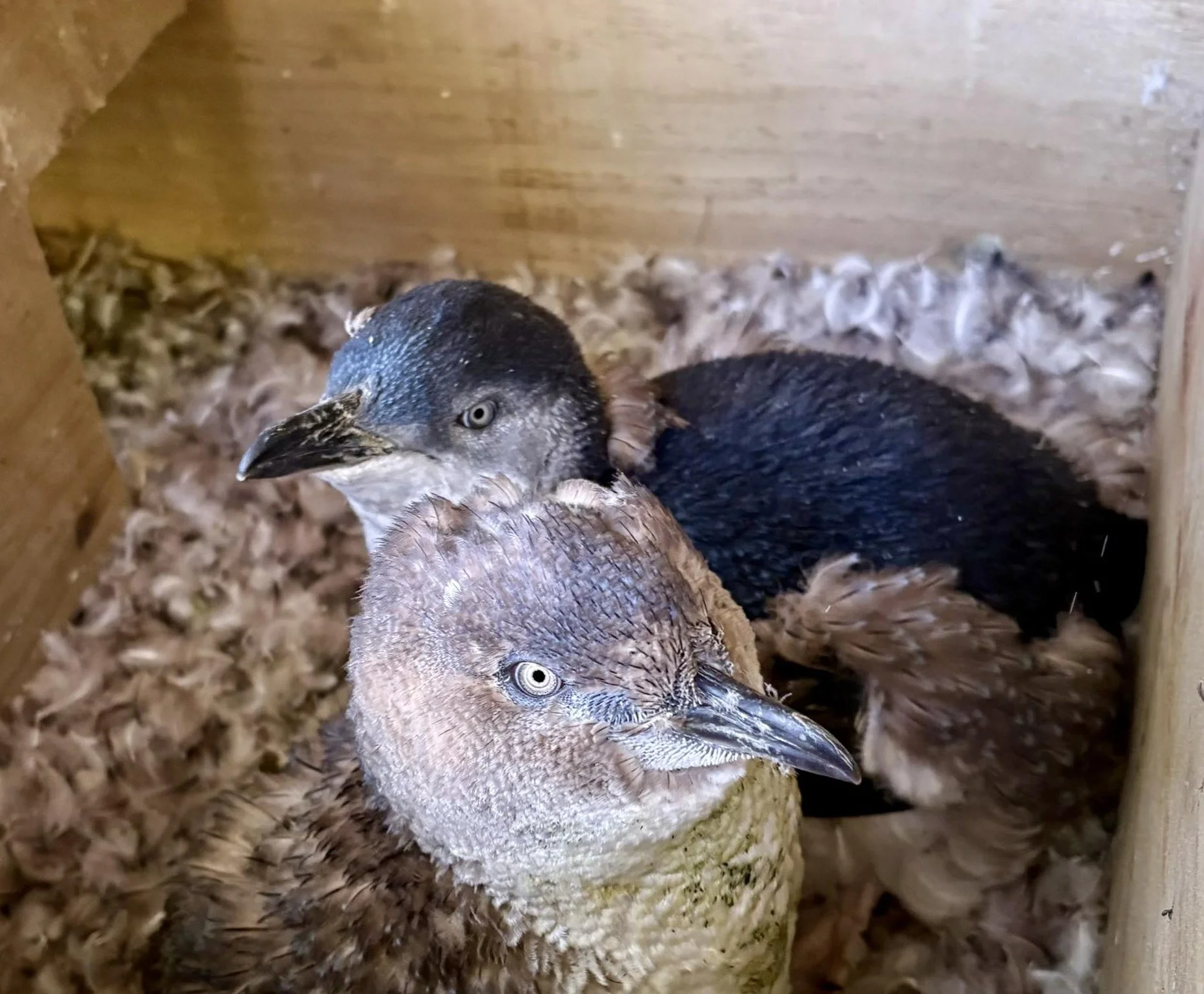
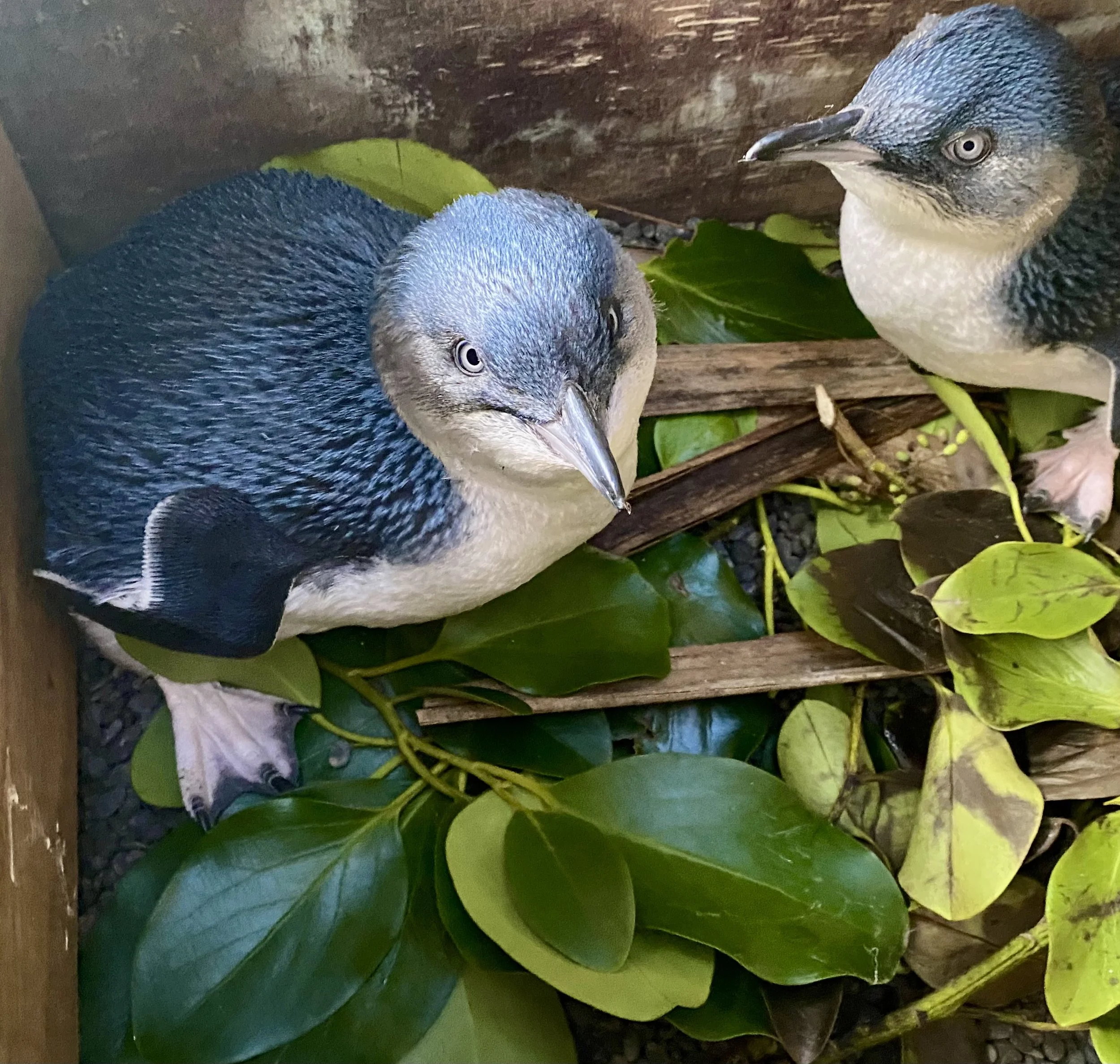
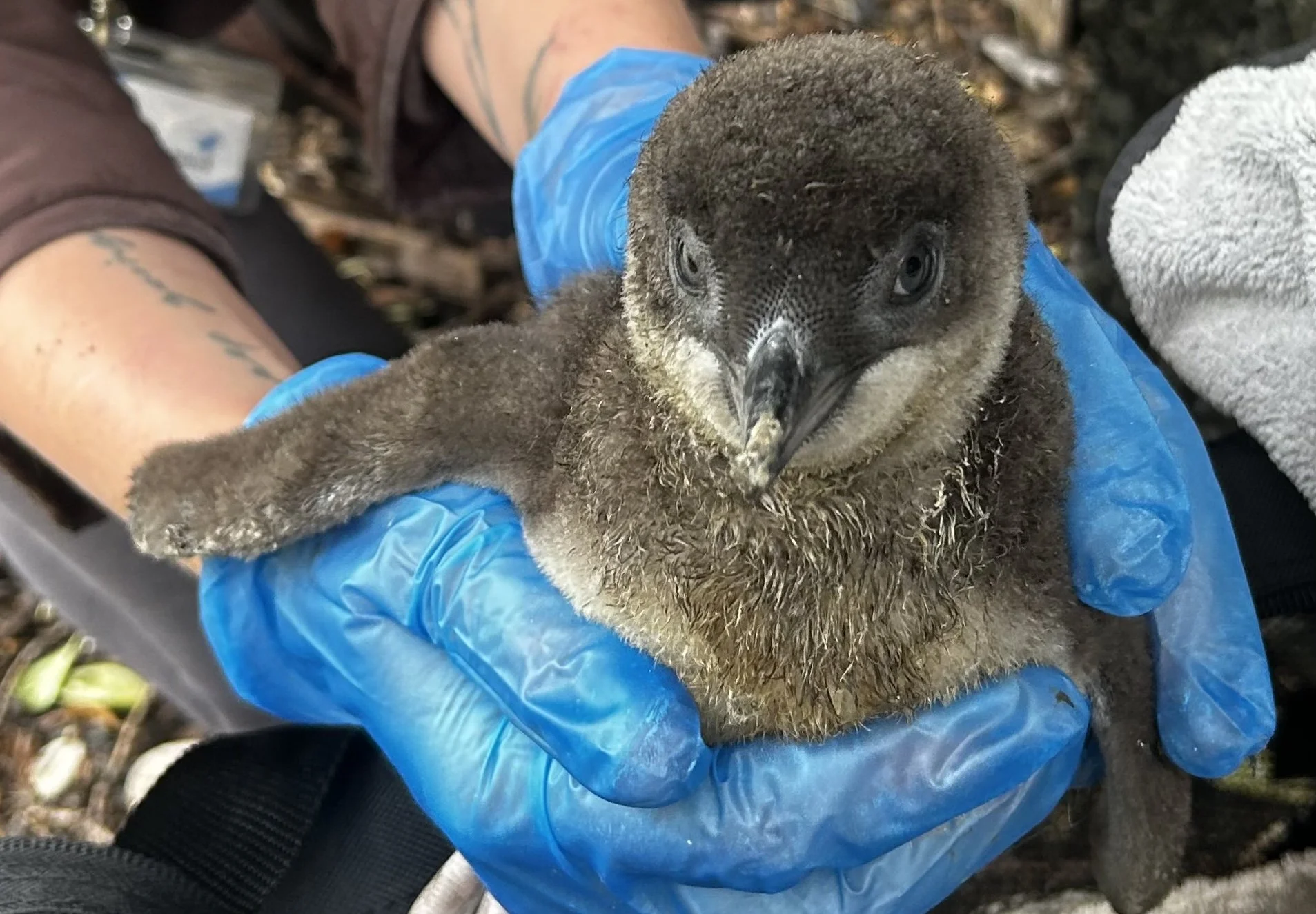
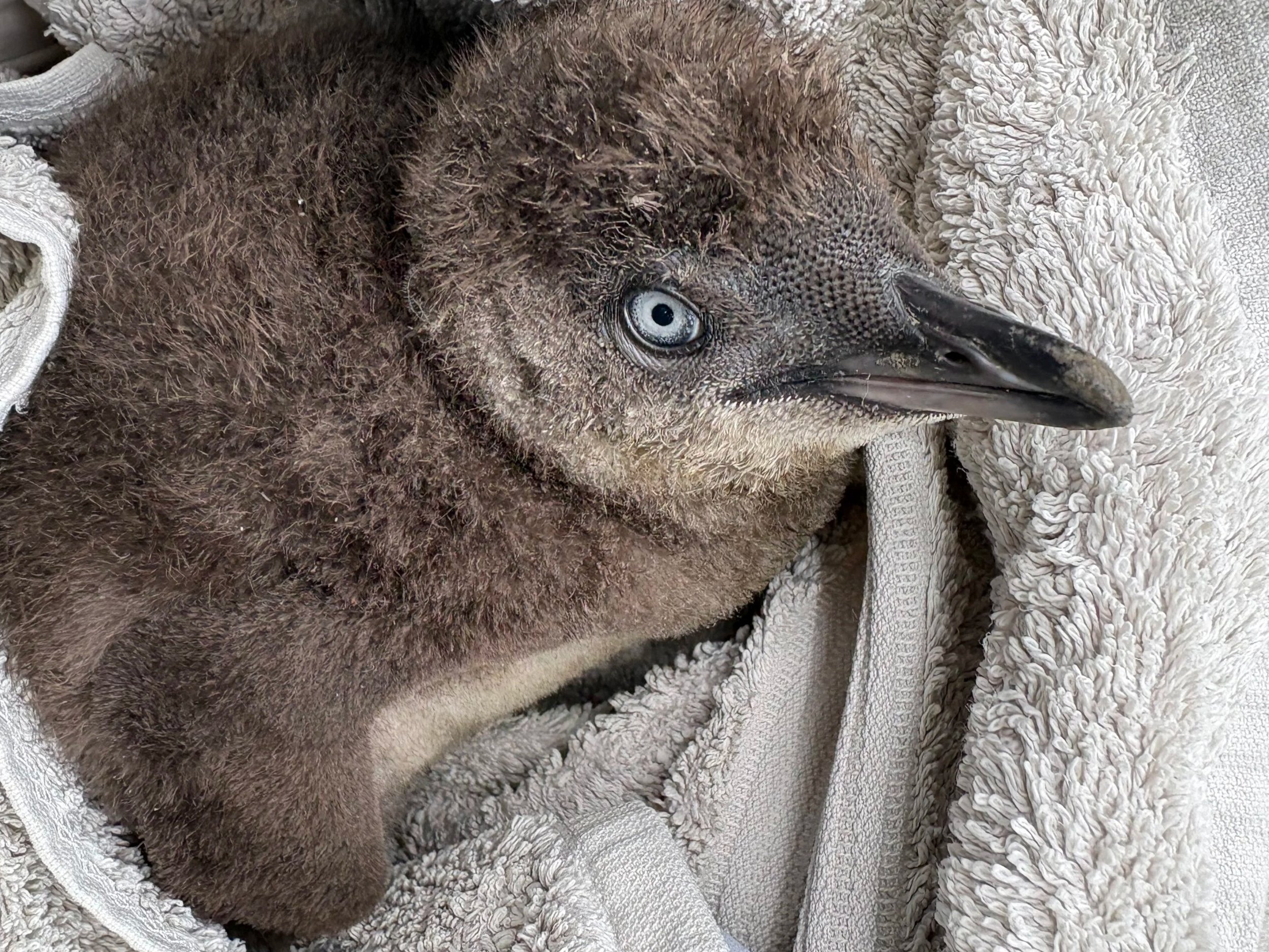
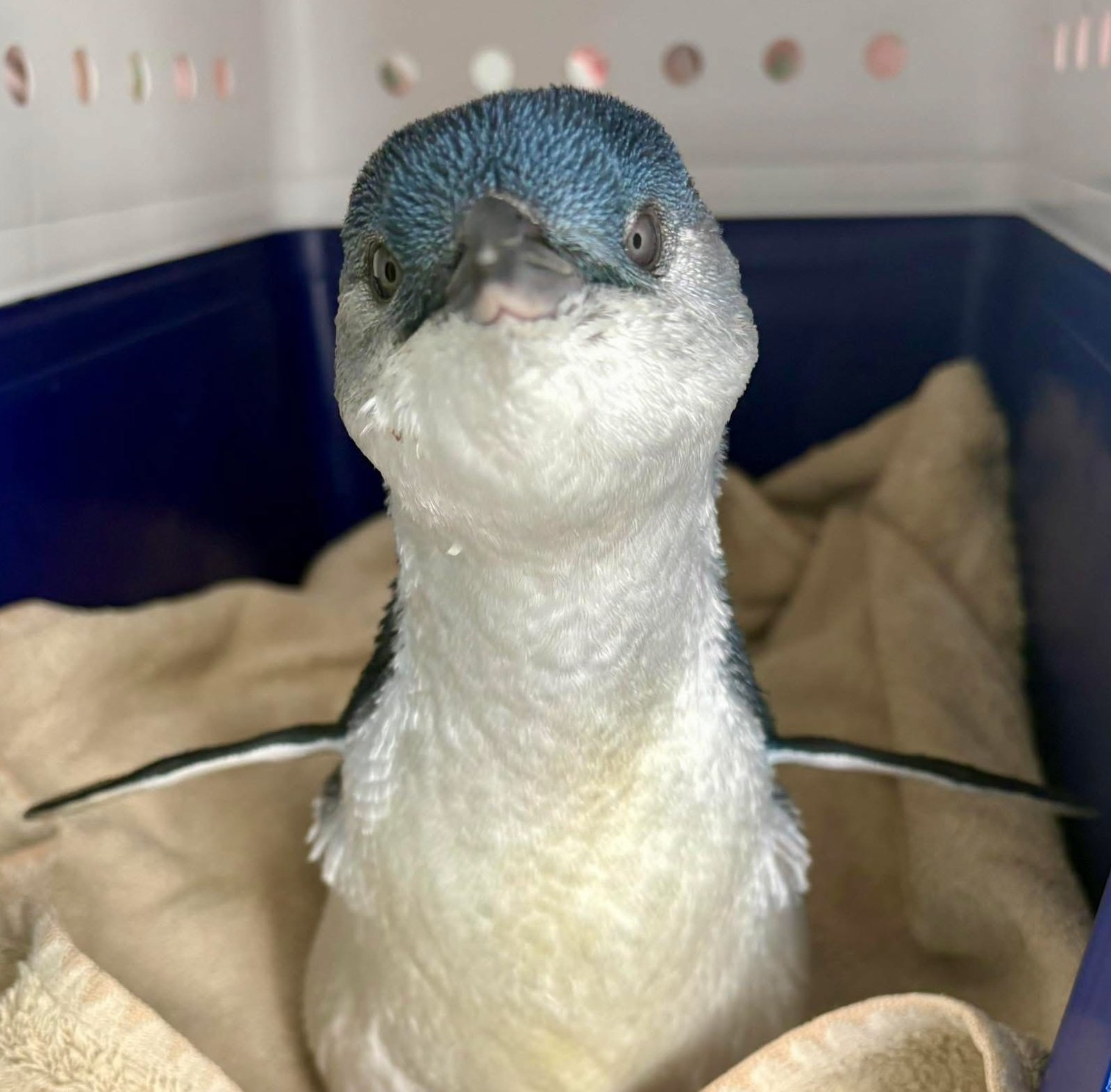
The Trust is coordinating efforts to urgently protect Little Penguin/Kororā in Kaikōura, to safeguard White-Flippered Penguins (Endangered) and Blue Penguins (Declining), which are at risk of local extinction. With few kororā remaining in the region (<50), it is critical that known threats are mitigated and safe breeding habitat is facilitated.
High mortality rates in relation to decreased ocean productivity (e.g. climate change and overfishing), in conjunction with secondary threats (e.g. dog attacks) and public disturbance, are primary concerns.
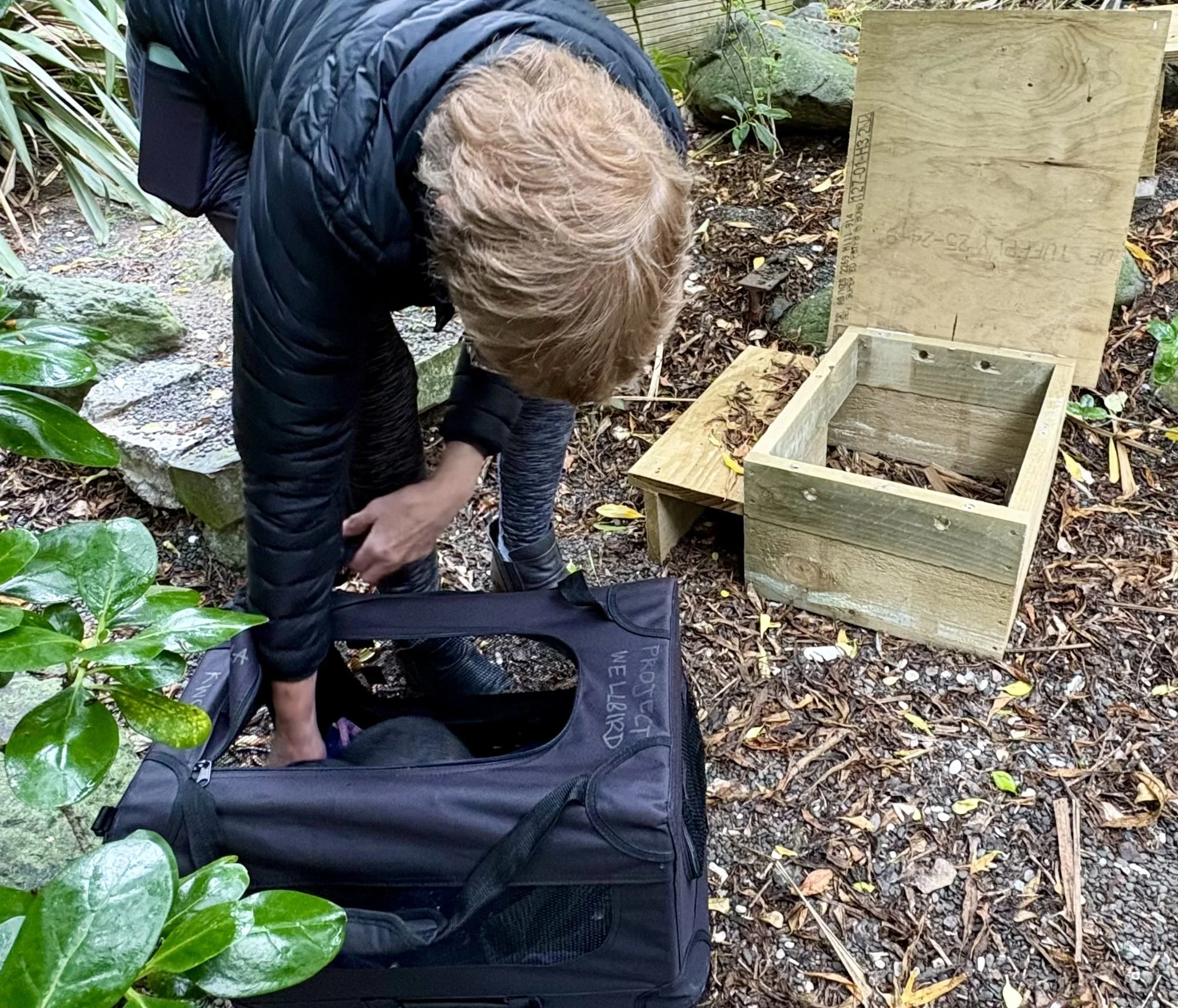
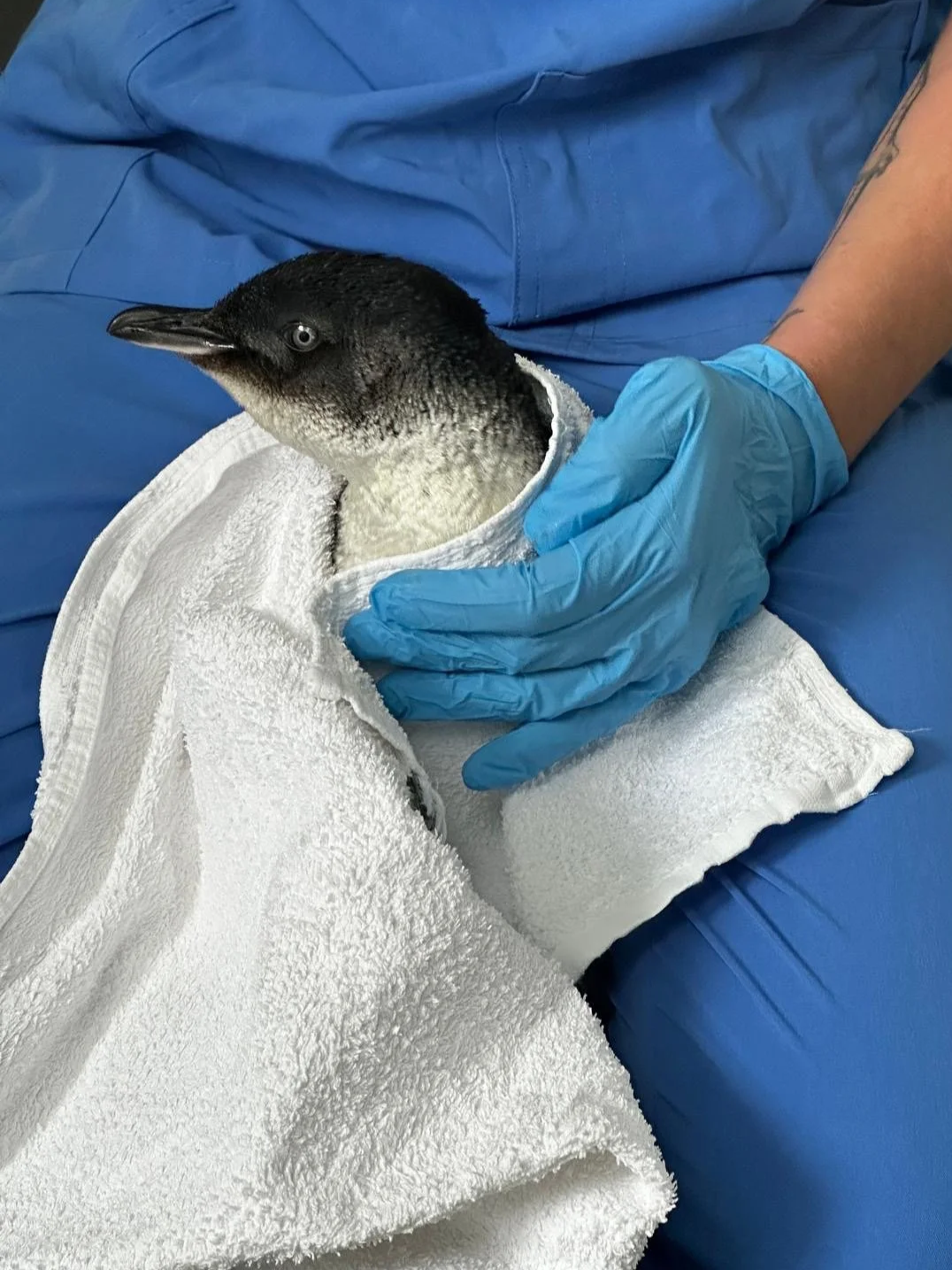
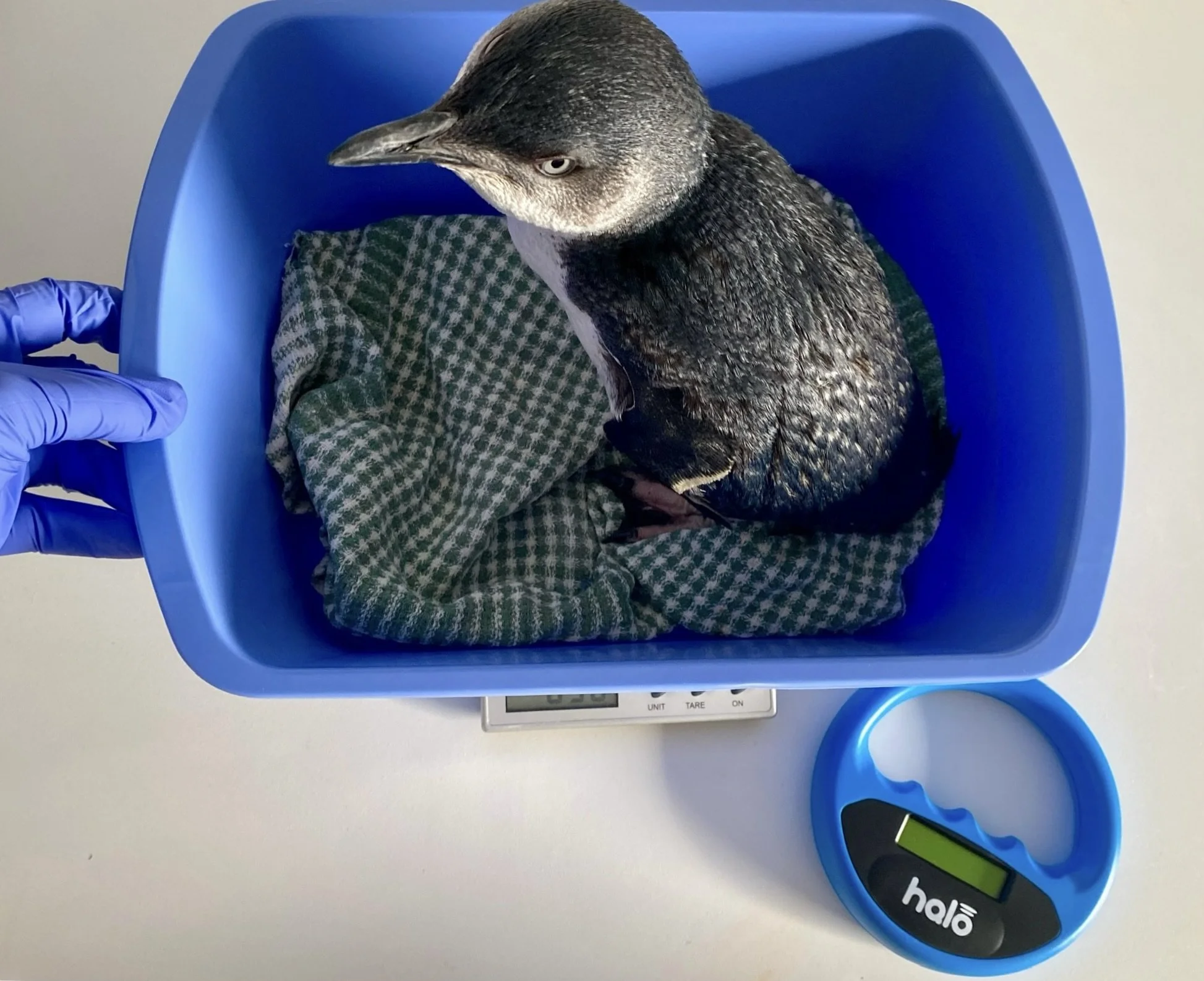
Beyond the Trust providing emergency care for unwell penguins (uplifting for stabilisation and transfer), Project BlueBird is focused on preventative measures including: welfare checks, supplementary feeding and chick rearing in response to starvation, effective habitat protection, and community guardianship.
Habitat Protection
The Trust is facilitating Kaikōura kororā conservation efforts, including habitat protection involving collaborating with DOC, Kaikōura District Council, ECan, NZPI, penguin conservation groups and scientists.
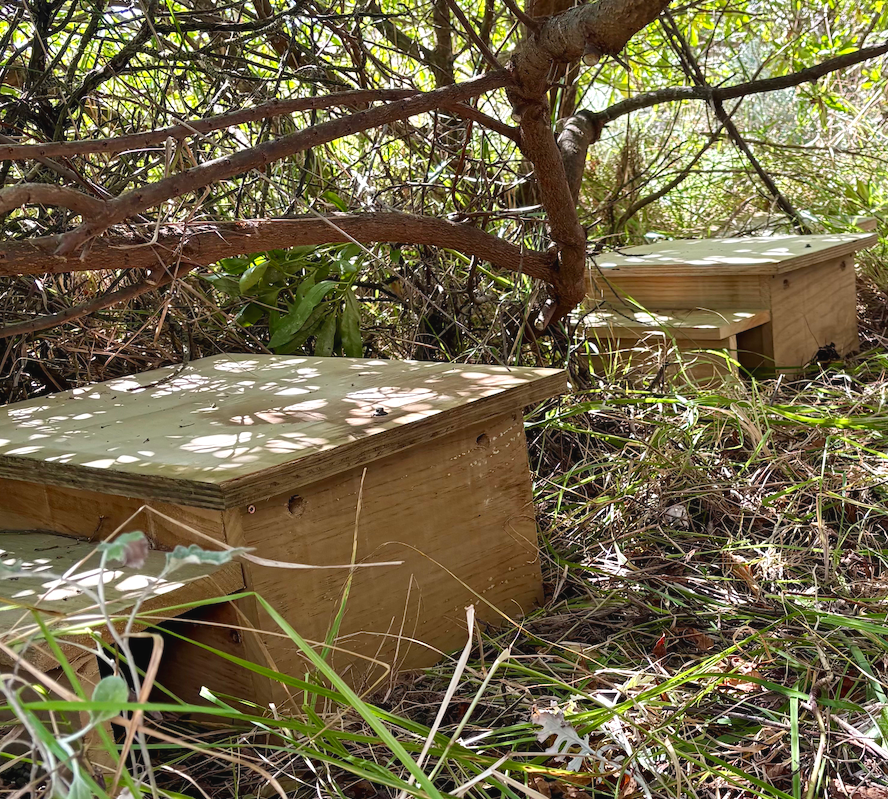
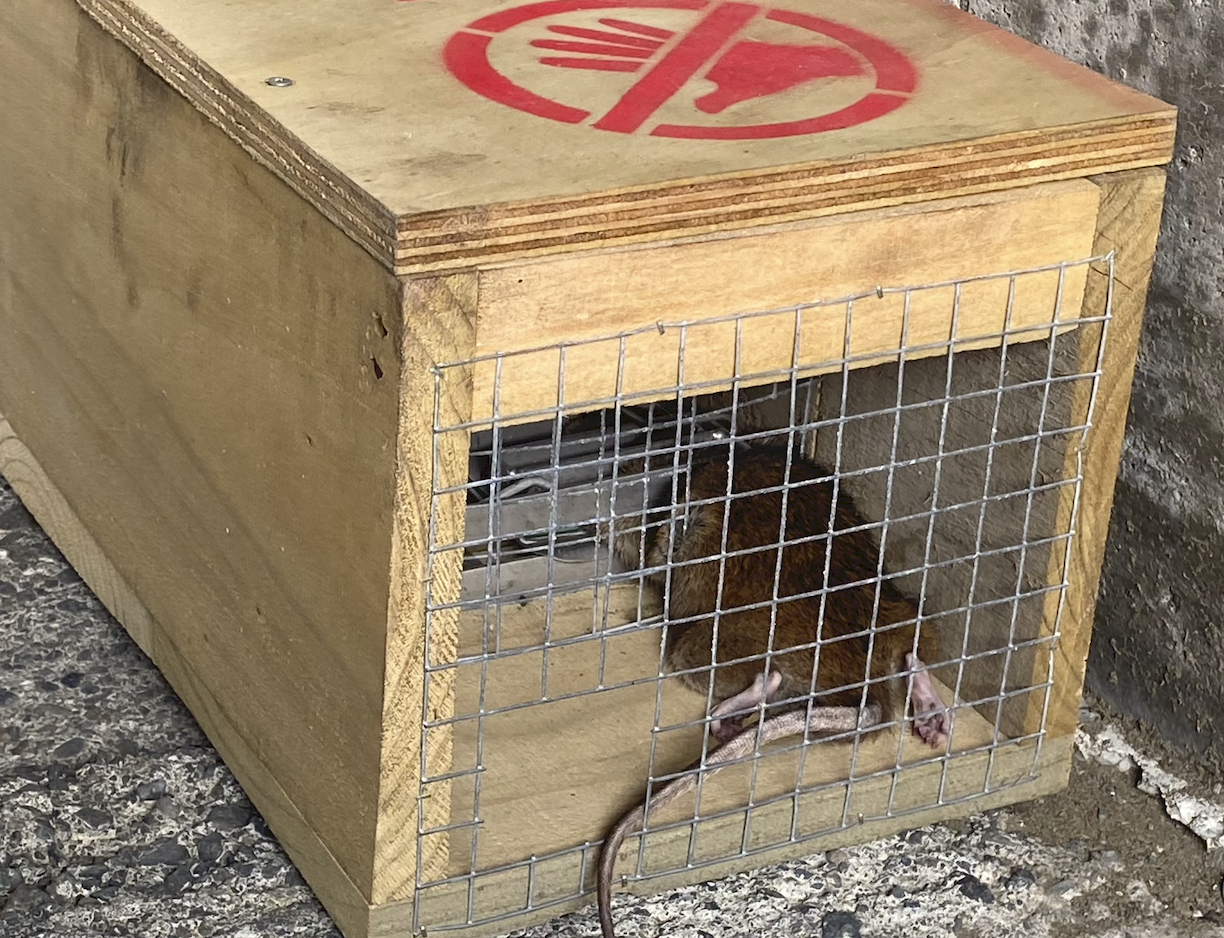
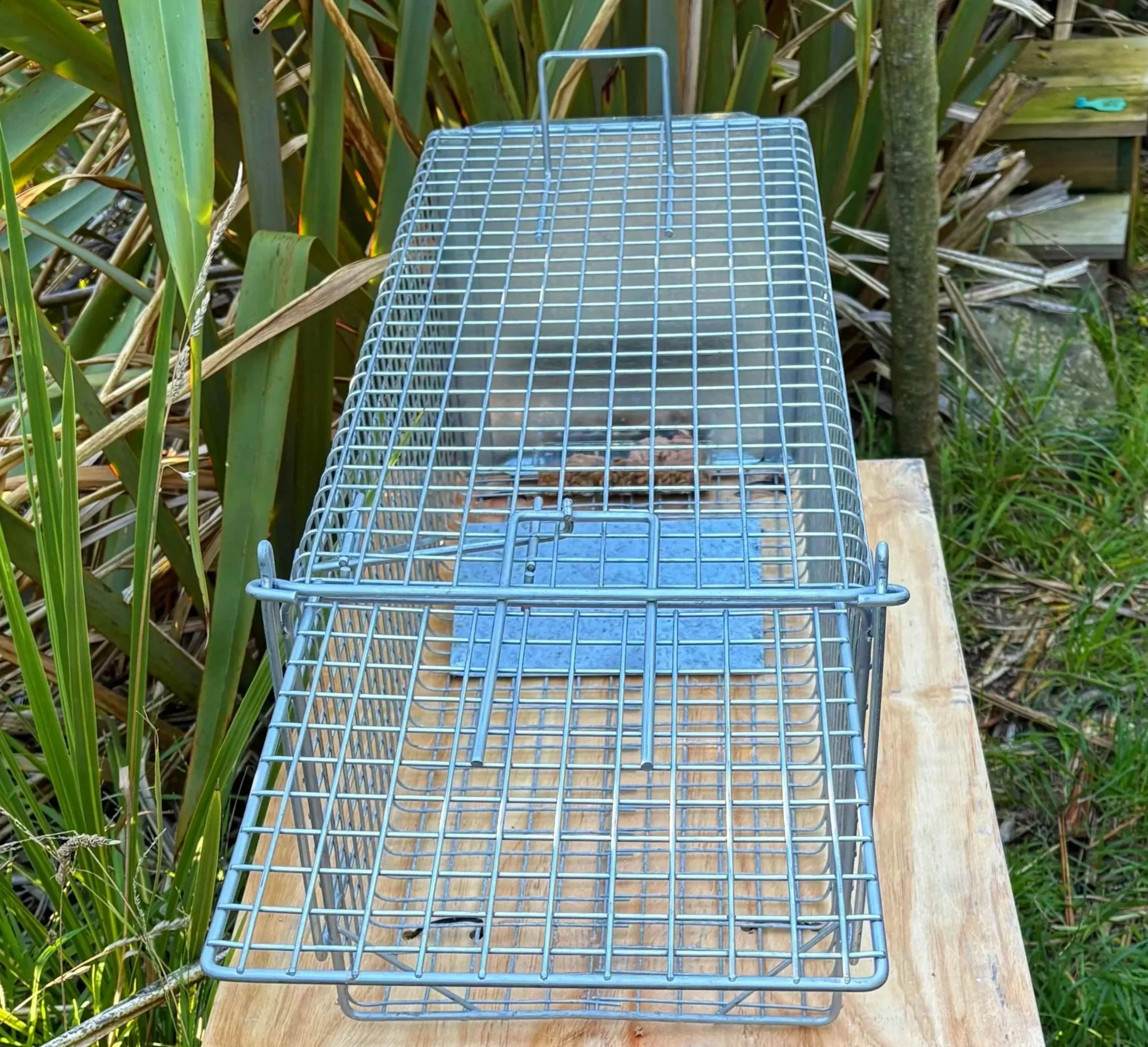
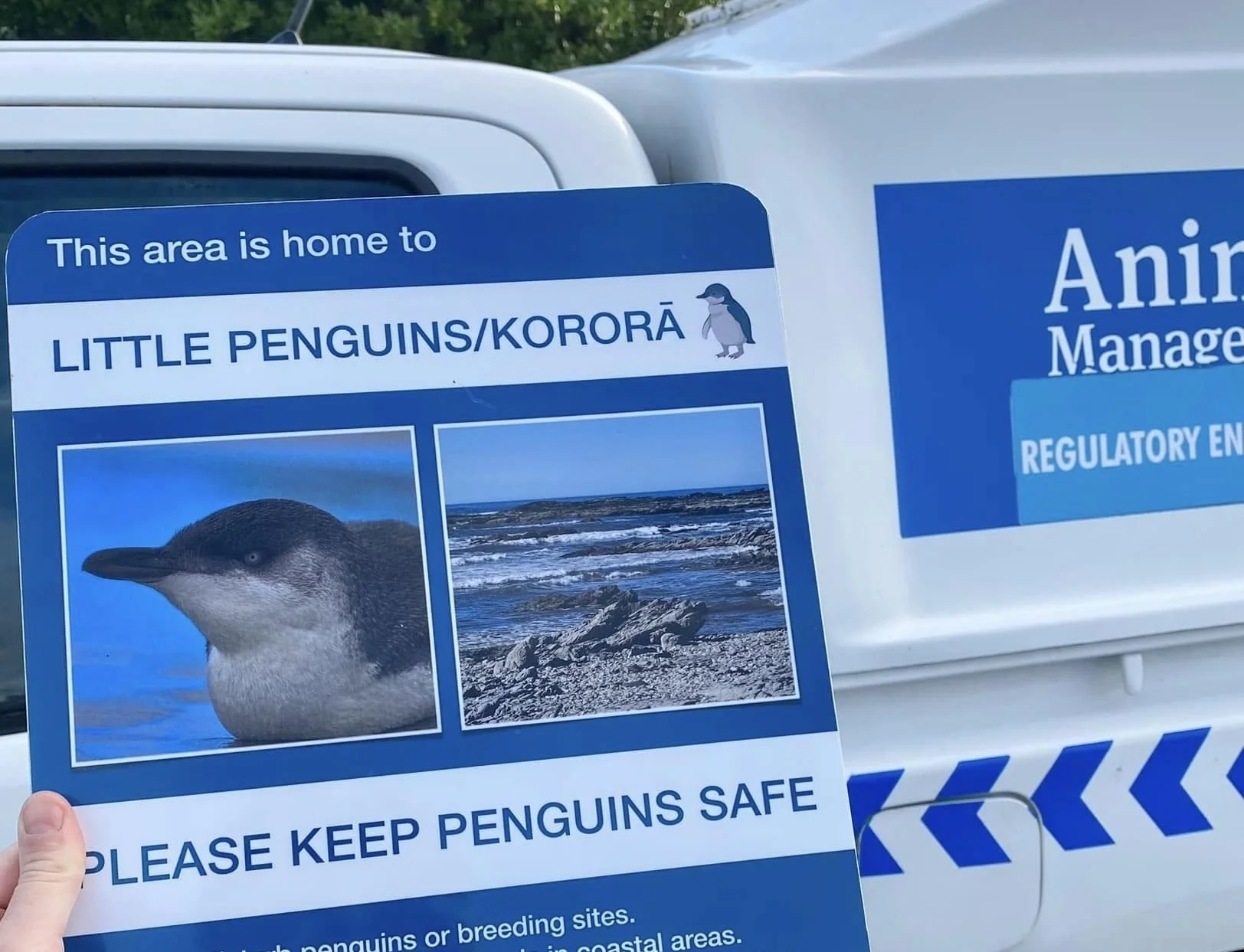
150 penguin nest boxes have been built to date. Alongside creating suitable penguin habitat, including: Fencing, revamping abandoned habitat (former neglect), upgrading delapidated built-in nest boxes, providing nesting material, predator trap lines, infra-red camera monitoring, awareness signage, dog control signage, and native planting.
The current phase is focused on implementing additional urban ‘safe zones’ where remnant pairs persist and remain extremely vulnerable to threats. Creating reserves will help protect breeding sites to address key land-based threats, whilst continuing to advocate for holistic ecosystem protection to alleviate known pressures on the marine environment.
Visitor Disturbance
Human disturbance continues to be a primary concern, negatively impacting penguins, with risk of harassment and stress to the few kororā that remain in Kaikōura. Examples include: Penguins being cut off on the beach when attempting to come ashore, penguins being blocked at access ramps, penguins being pursued, penguins cornered with flashlights, trespassing in breeding areas, and tampering with nest boxes.
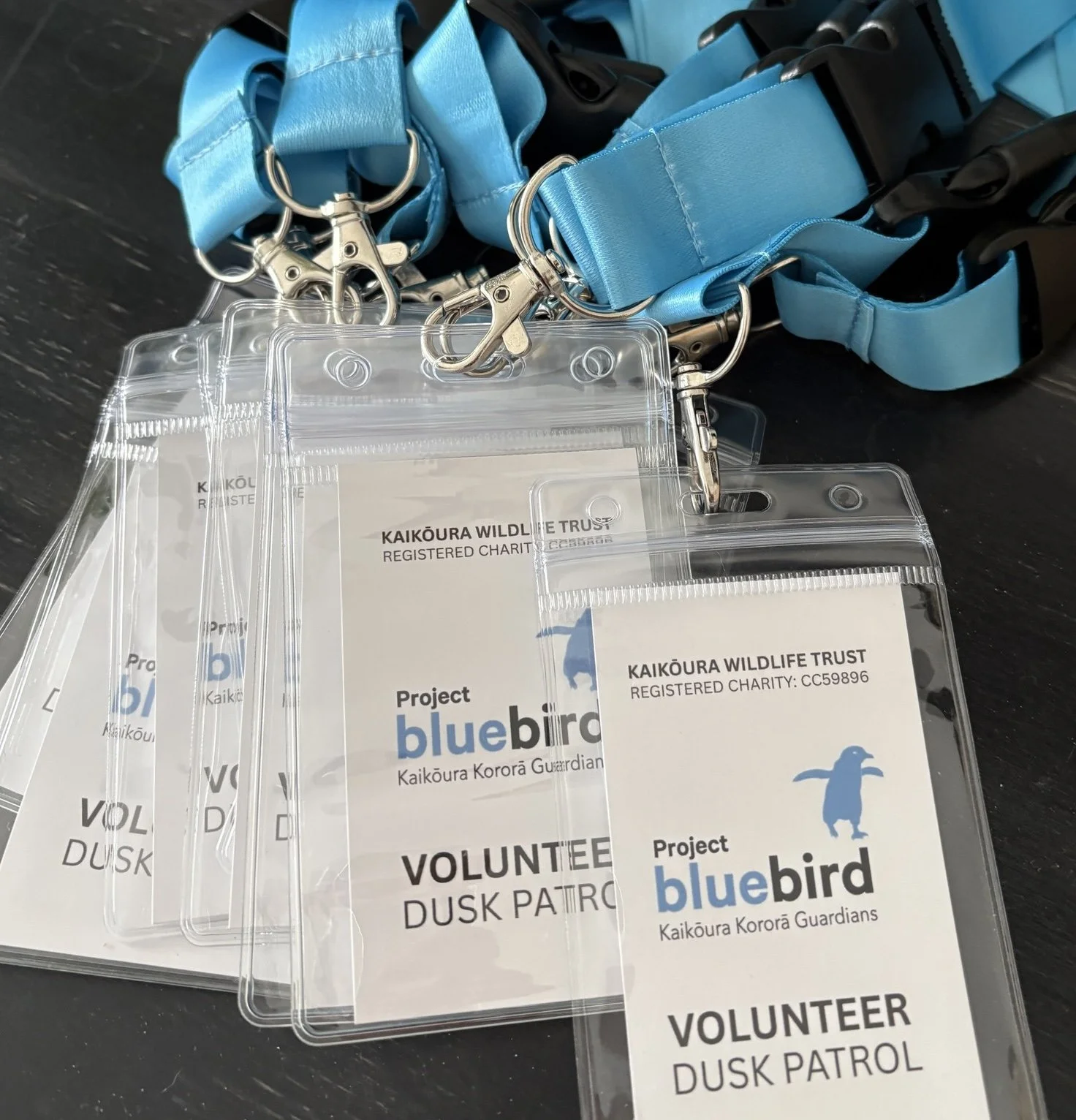
For those who care about Kaikōura penguins, please do not seek them out - they are not a visitor attraction. Those who ‘visit’ vulnerable breeding habitat prevent penguins from accessing nests, feeding chicks, resting and moulting. Disturbance is a preventable threat, particularly amid ongoing starvation and decreased survival. Penguins should only ever be viewed from a safe distance from the shoreline, and not in direct line of sight. The use of flash lights (mobile phones, torches, etc) near penguins is problematic and unacceptable. Fragile breeding sites are not a visitor destination, please opt to stay away. The Trust facilitates daily volunteer patrols to mitigate visitor disturbance.
Responsible Pet Ownership
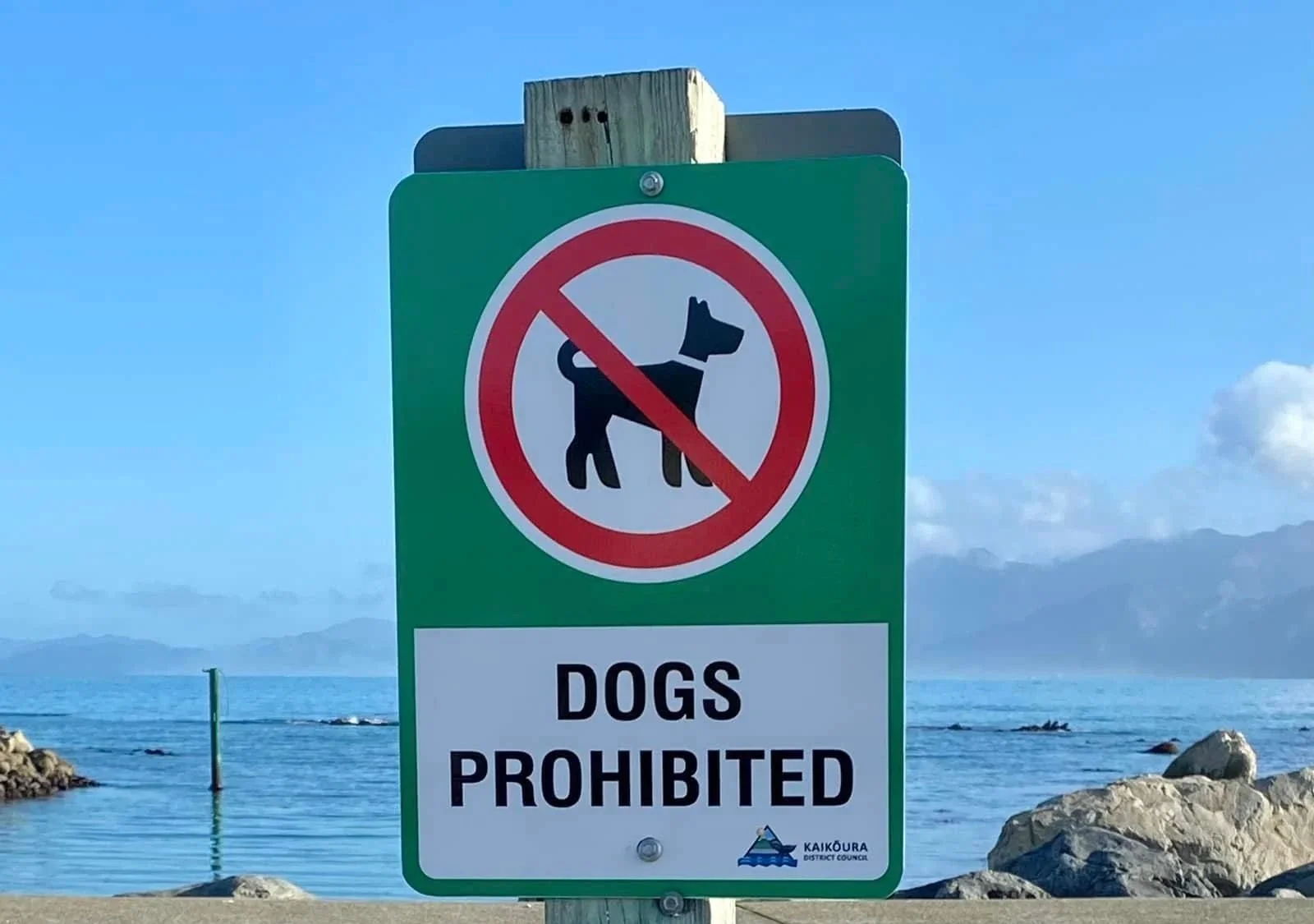
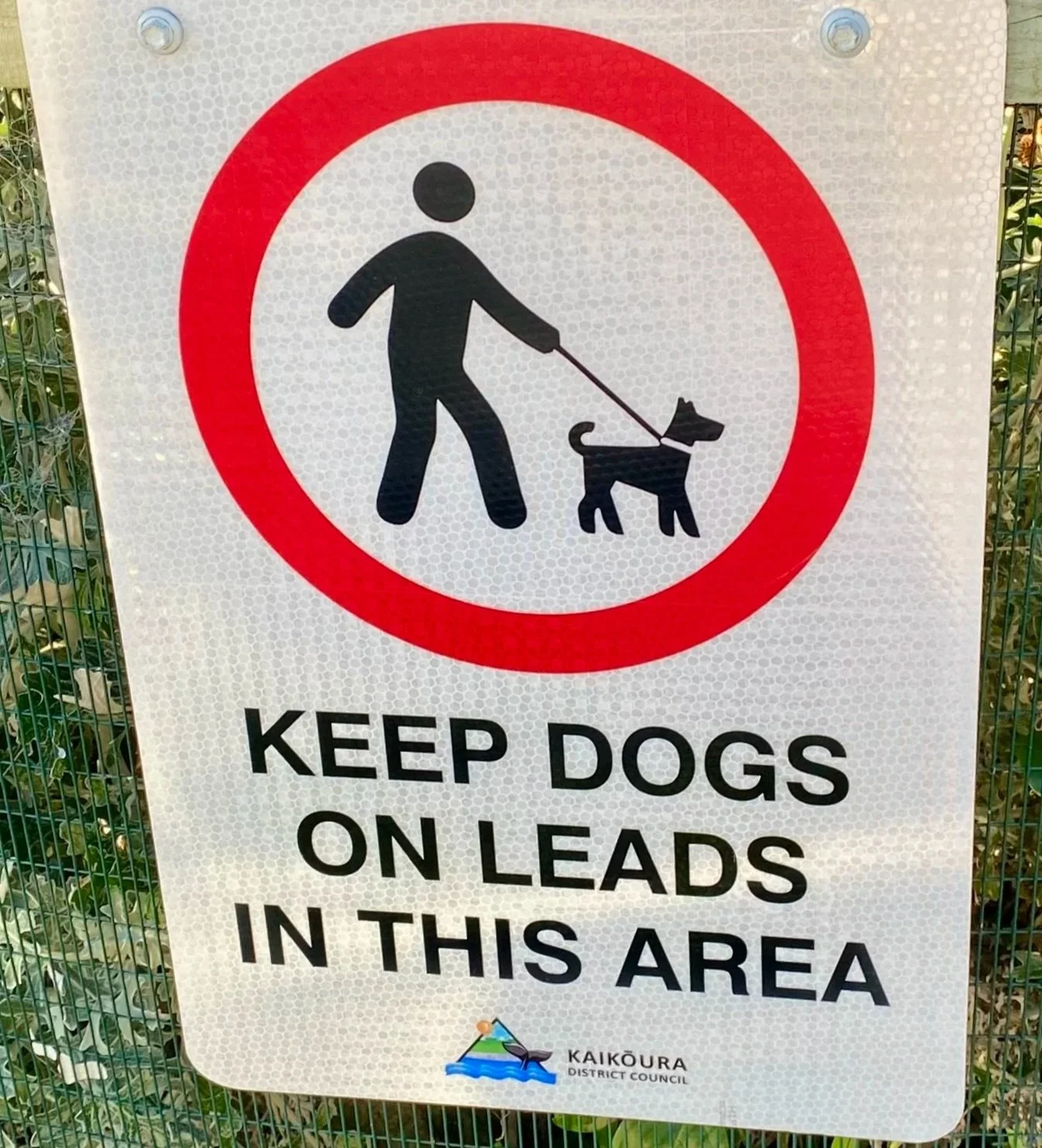
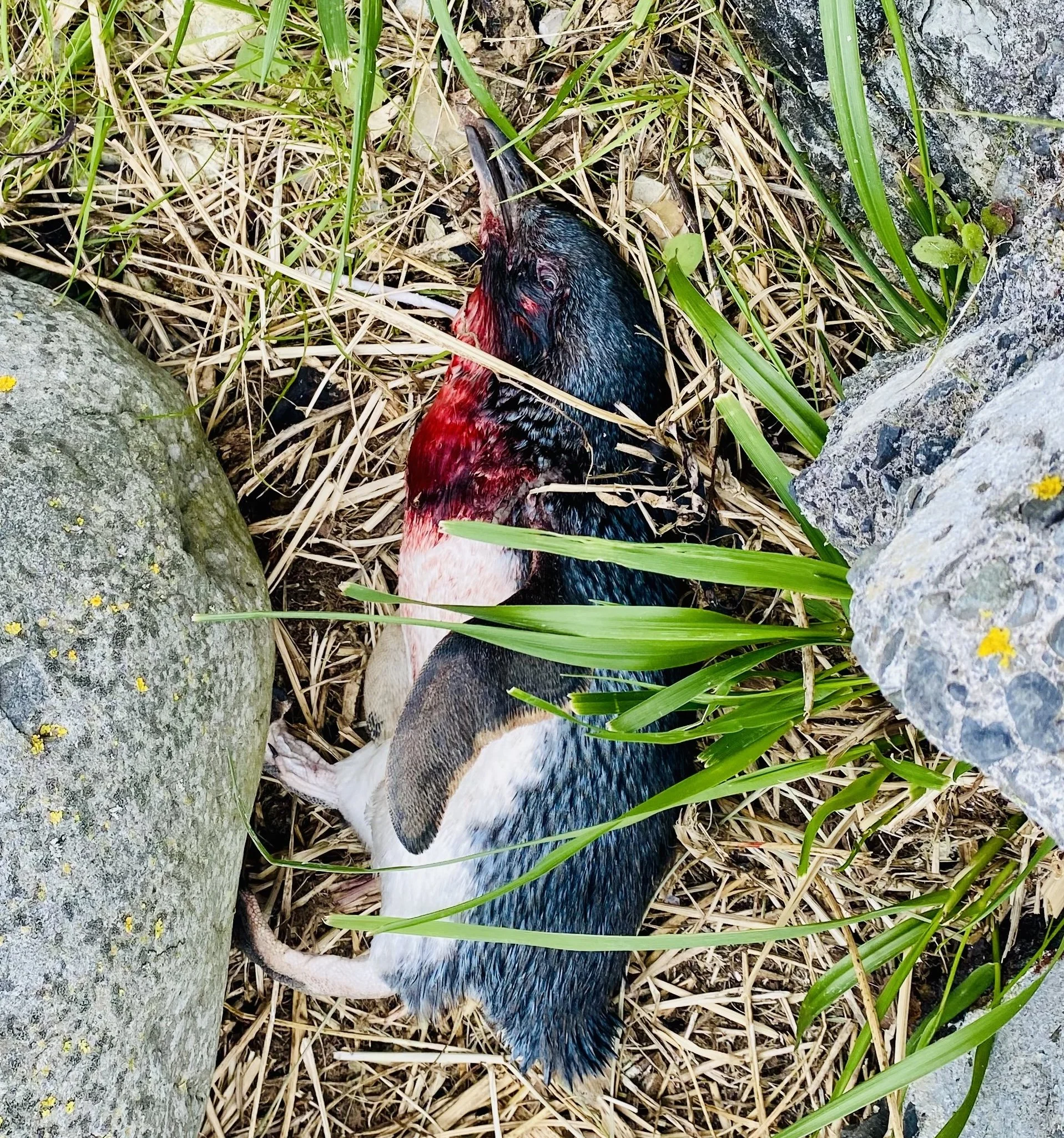
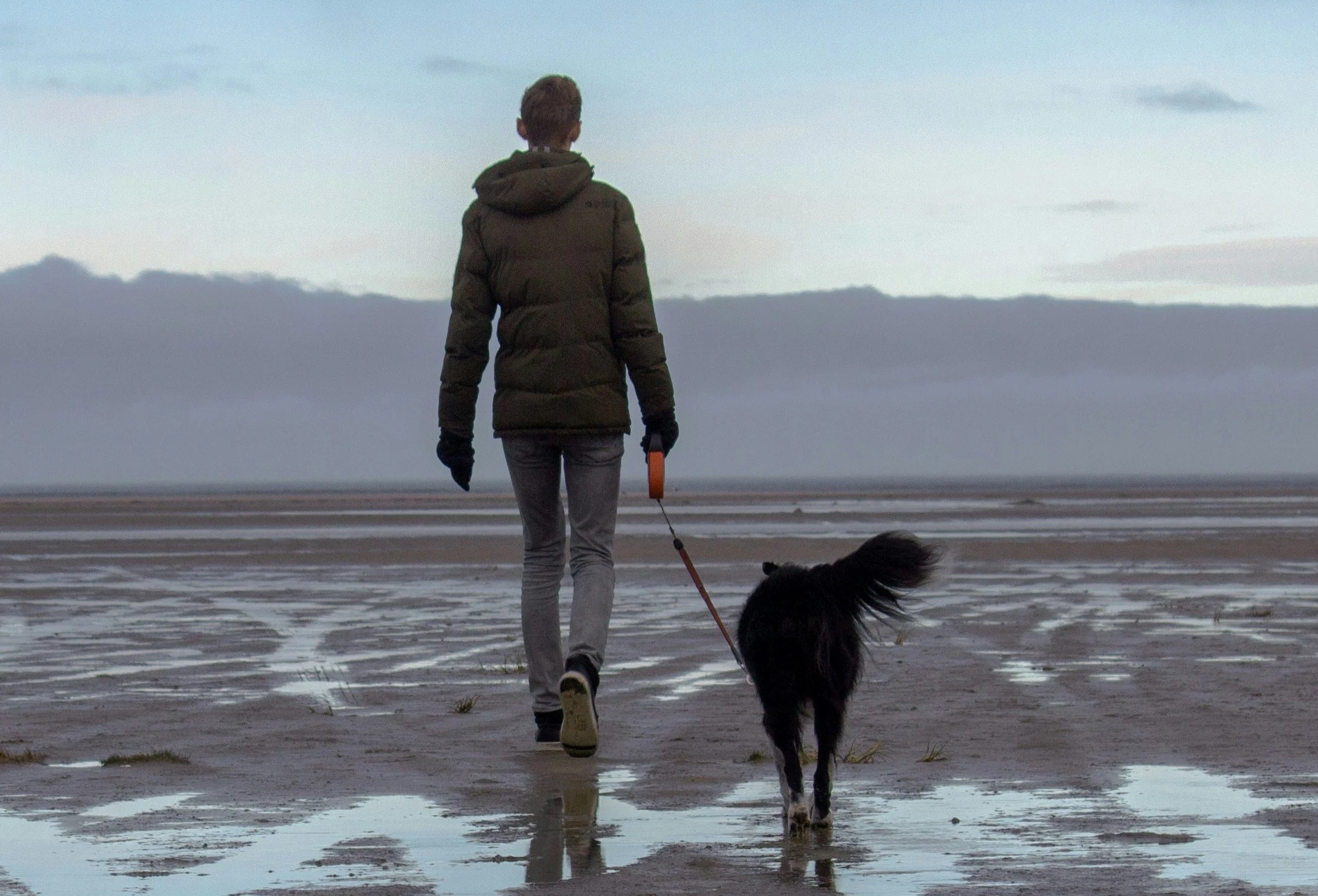
Penguins are vulnerable to dog attacks, particularly during breeding and annual moult. Dogs pose the greatest risk to penguin survival on land, with roaming dogs causing avoidable penguin injury and mortality. Dogs detect penguin scent easily and must be kept under control in coastal areas. In Kaikōura the Animals Bylaw (2025) prohibits dogs at Point Kean, Kaikōura Peninsula, South Bay Marina, Coastguard, and South Bay Boat Park. At other sites dogs must be leashed year around where stipulated; whilst seasonal dog leashing is required from 1 September - 1 December (refer to Dog Control Areas).
In residential areas, pet and stray cats pose a threat at breeding sites, particularly to penguin chicks. Containing pet cats indoors from dusk to dawn in coastal areas saves lives. Mandatory desexing and microchipping of pet cats, and trapping of rehomeable stray cats for transfer to rescues, is vital to address cat related impacts on threatened seabirds.