
Unwell Wildlife
Report Wildlife
-
If you encounter ill, injured, starving or orphaned native birds, please rescue and report immediately.
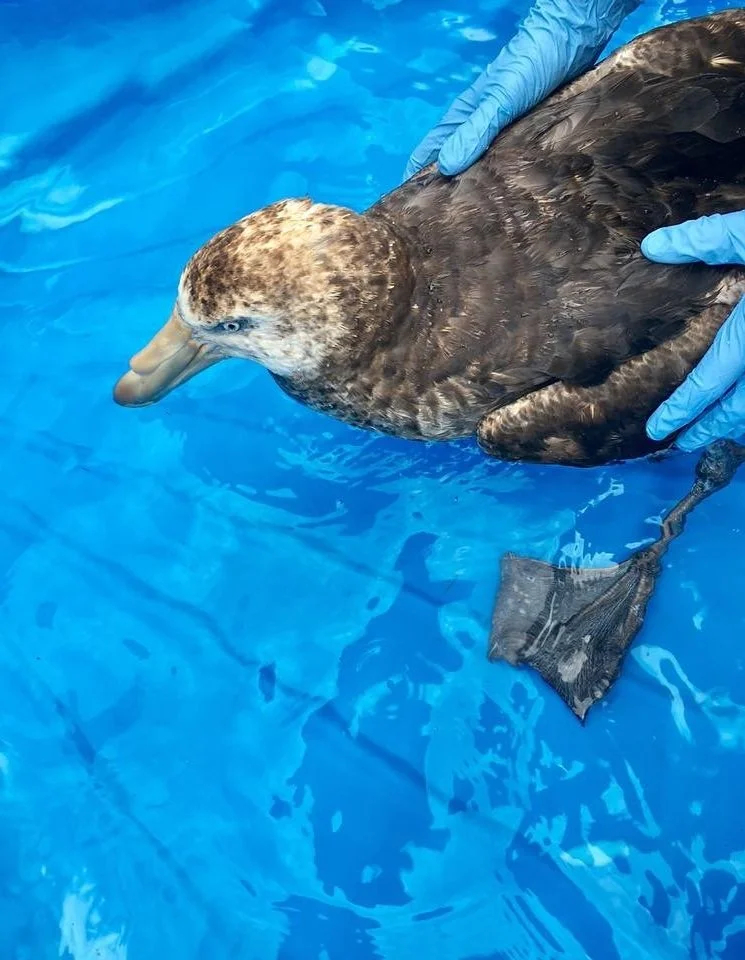
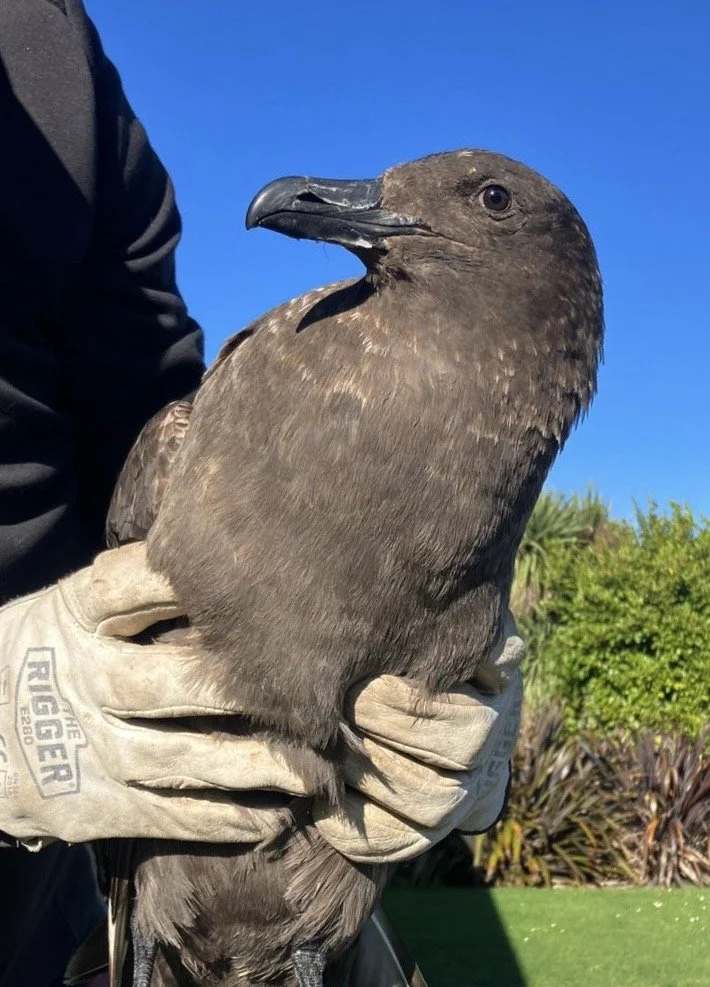
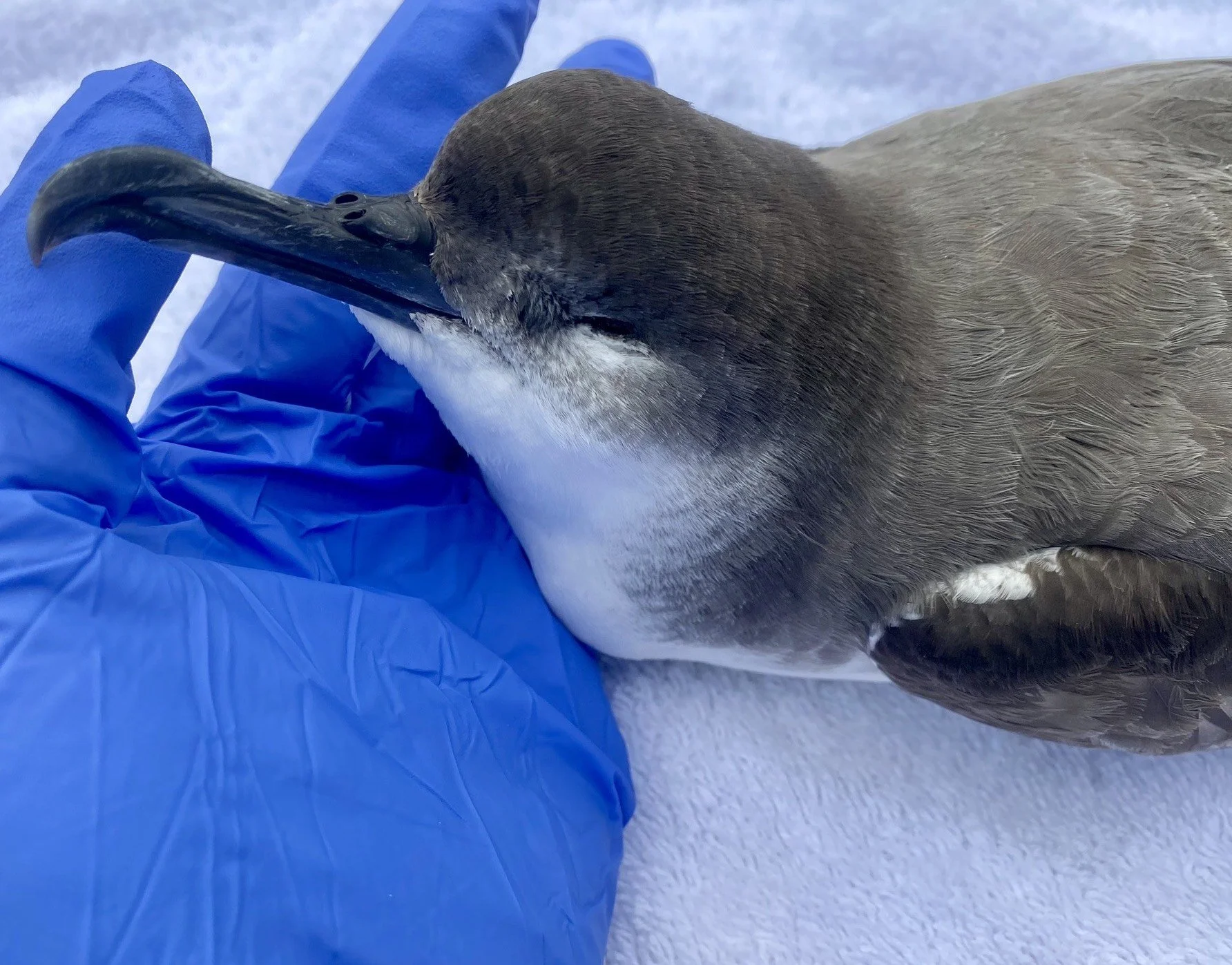
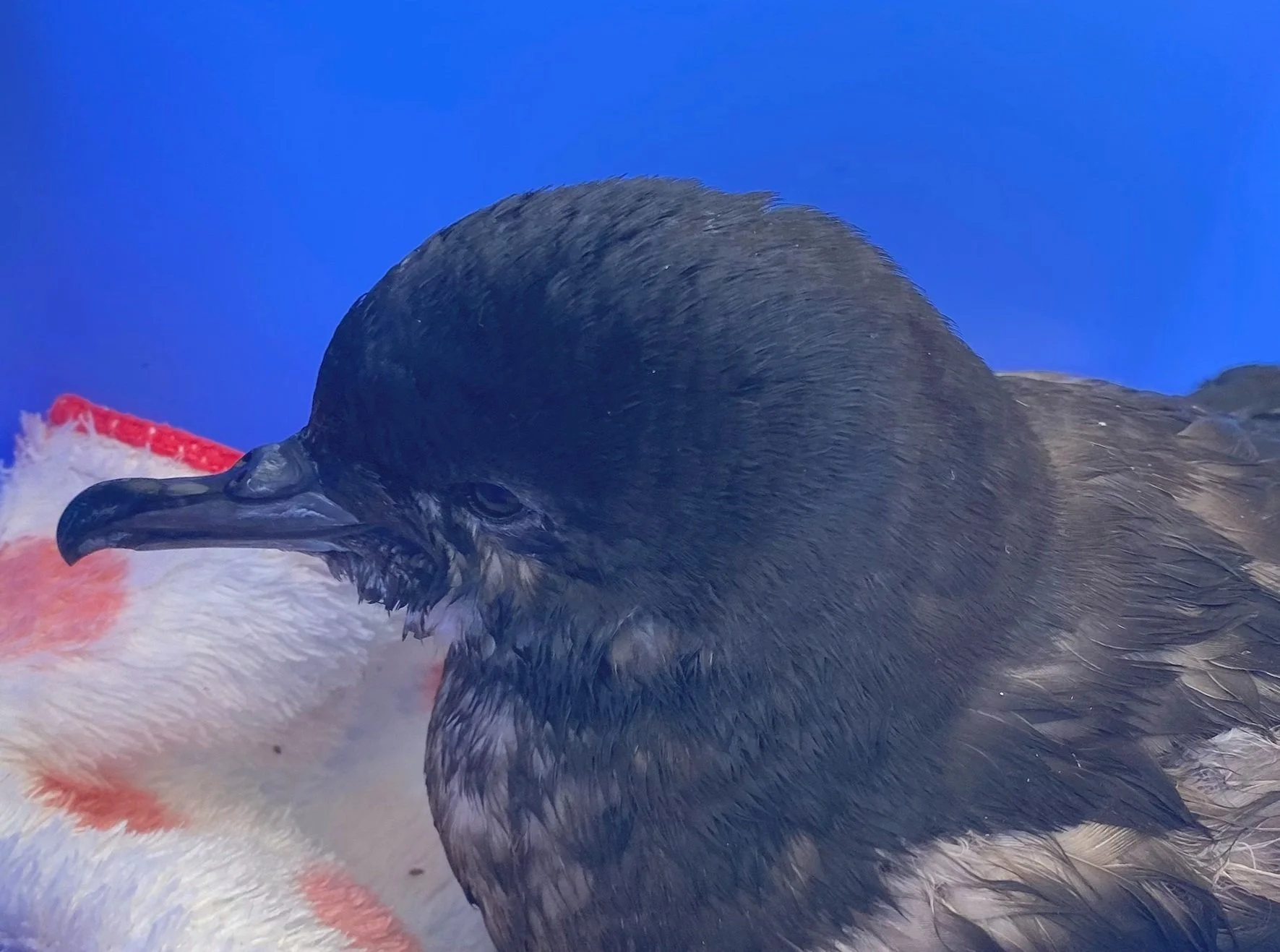
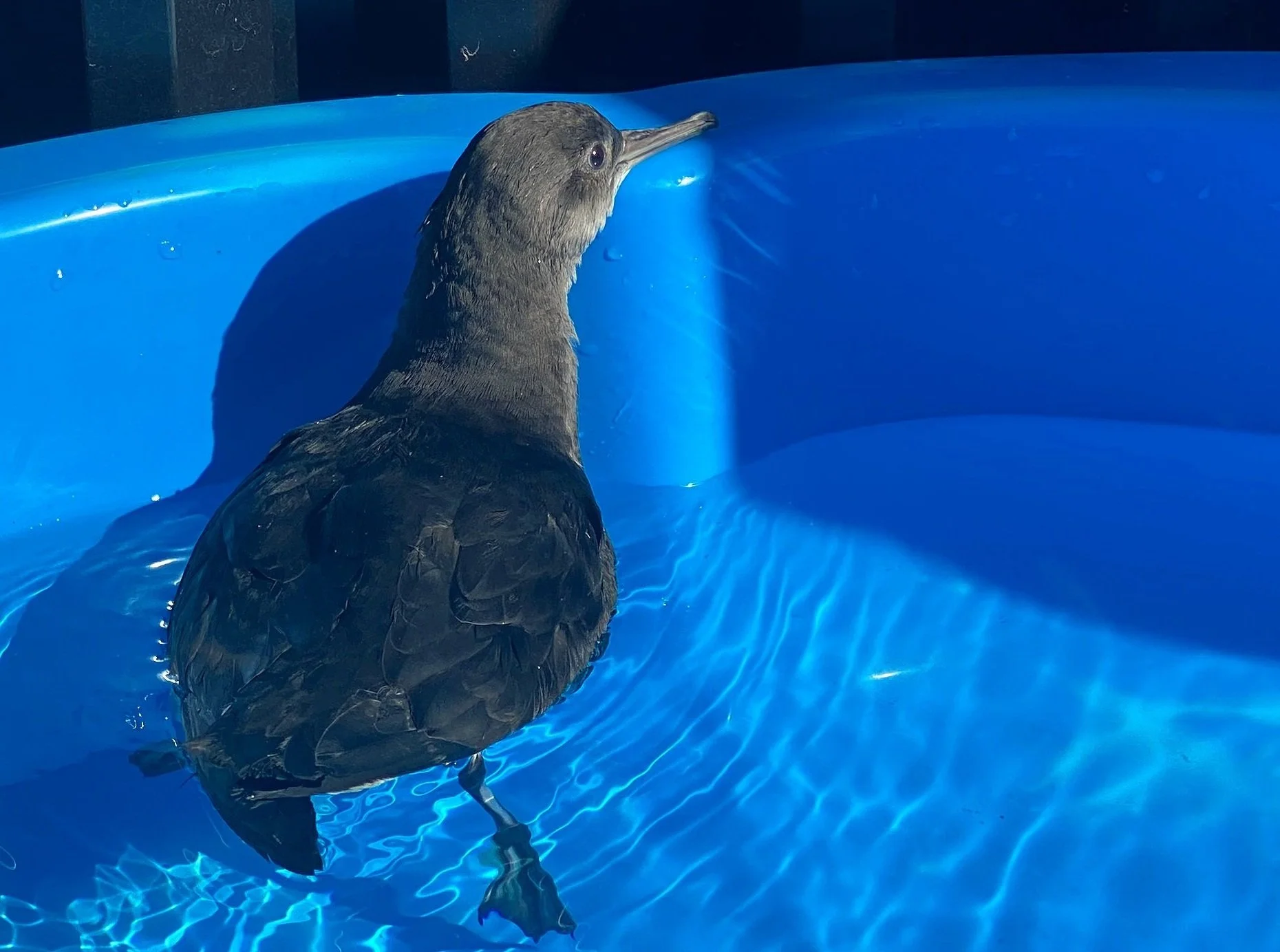
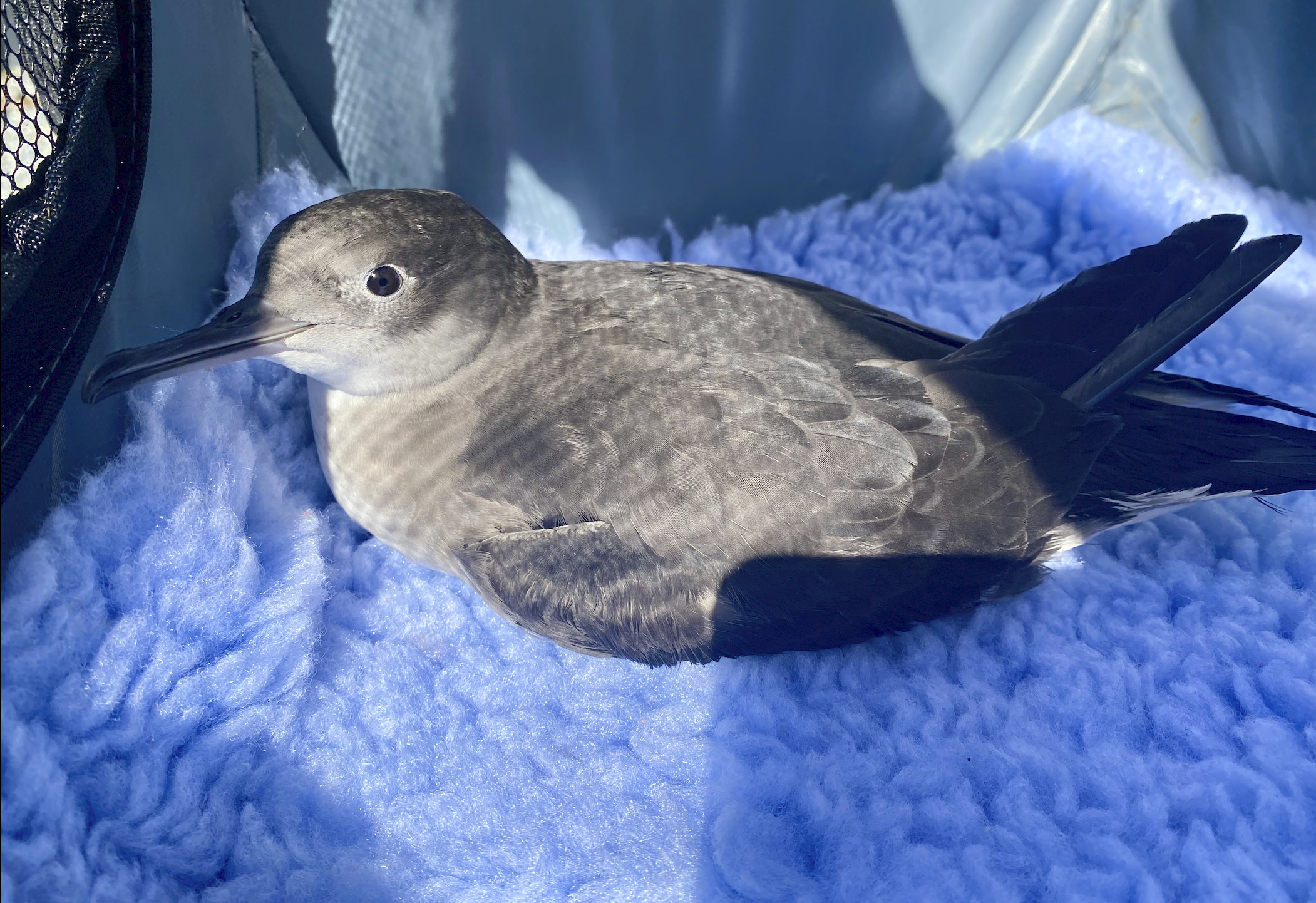
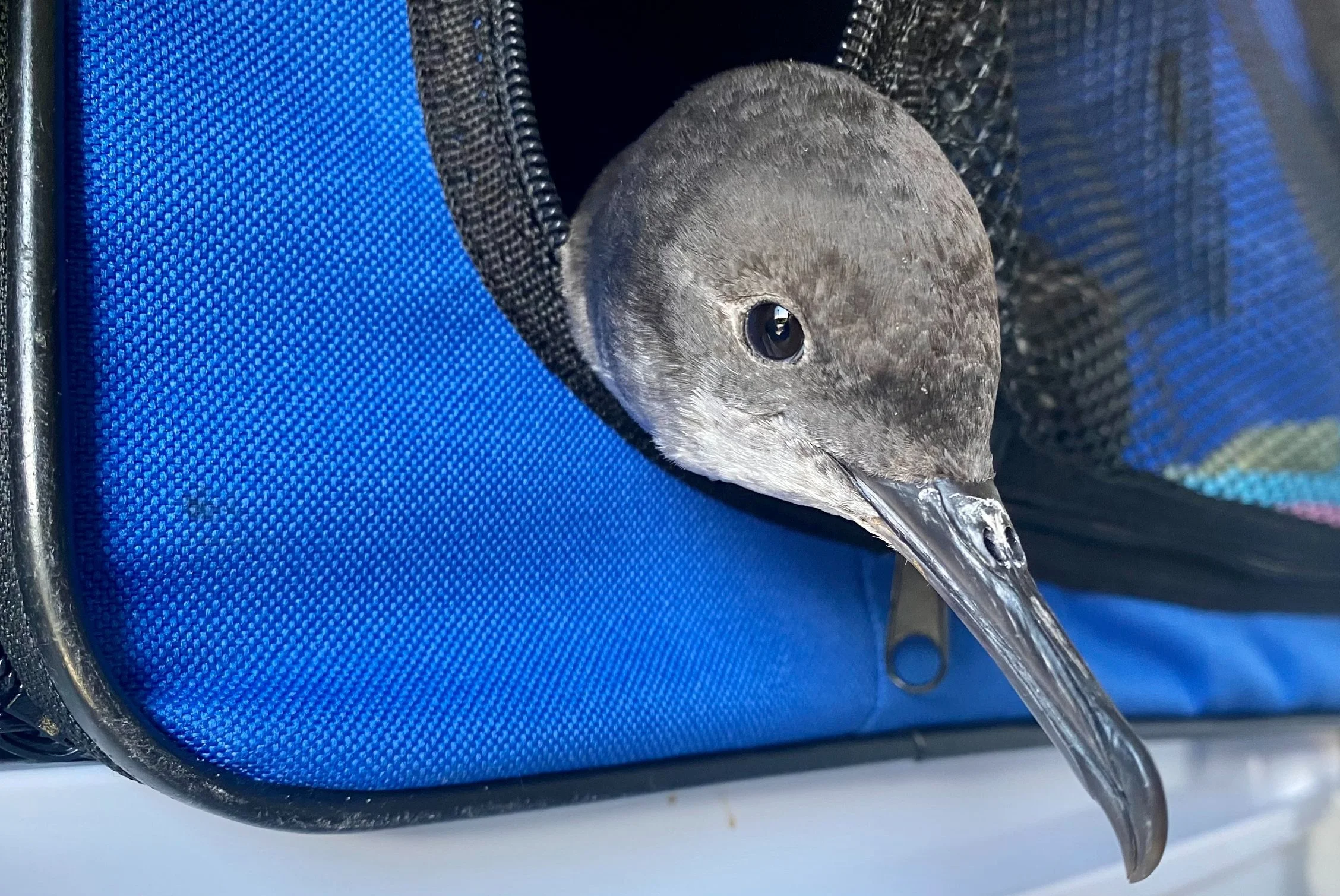
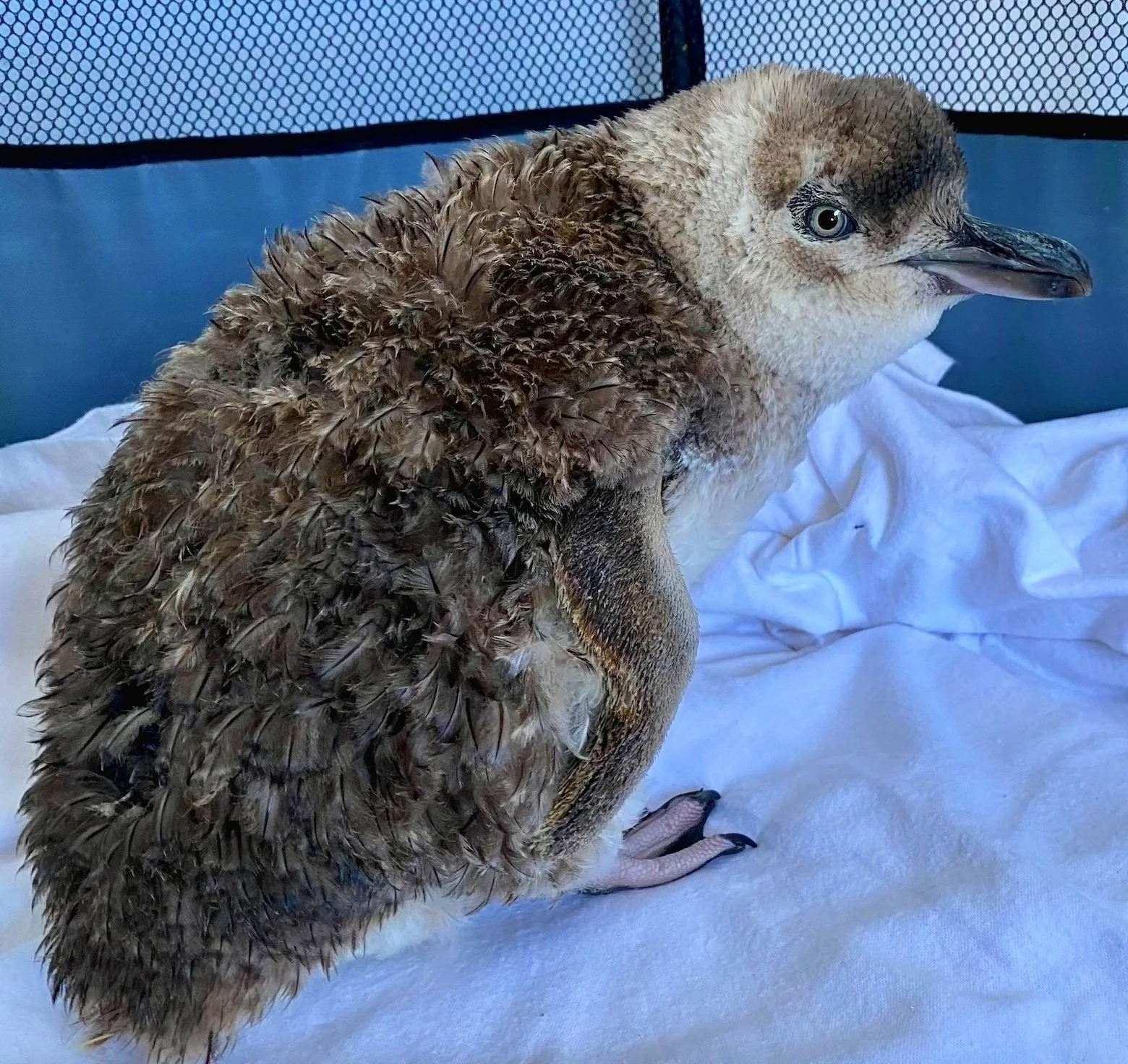
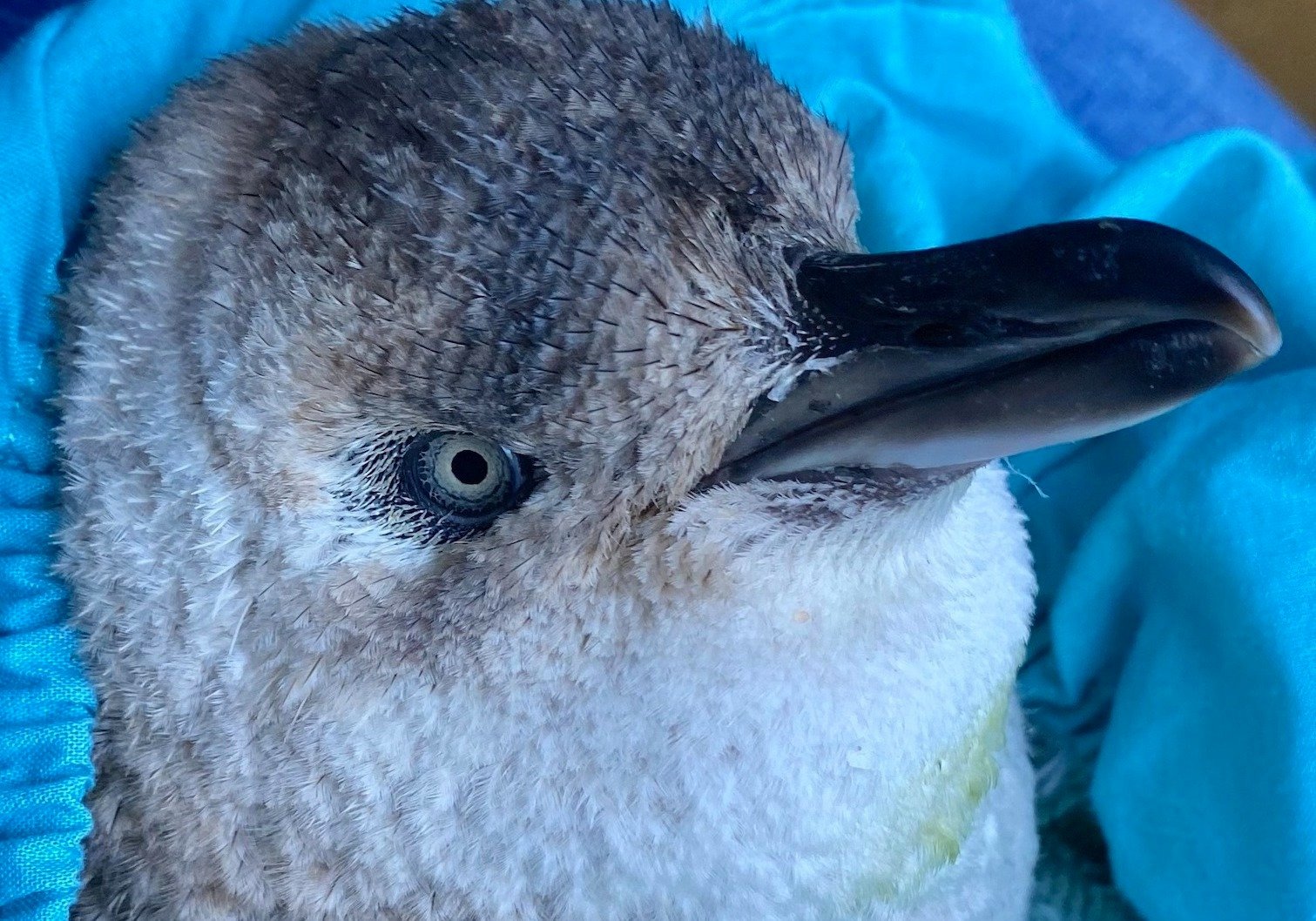
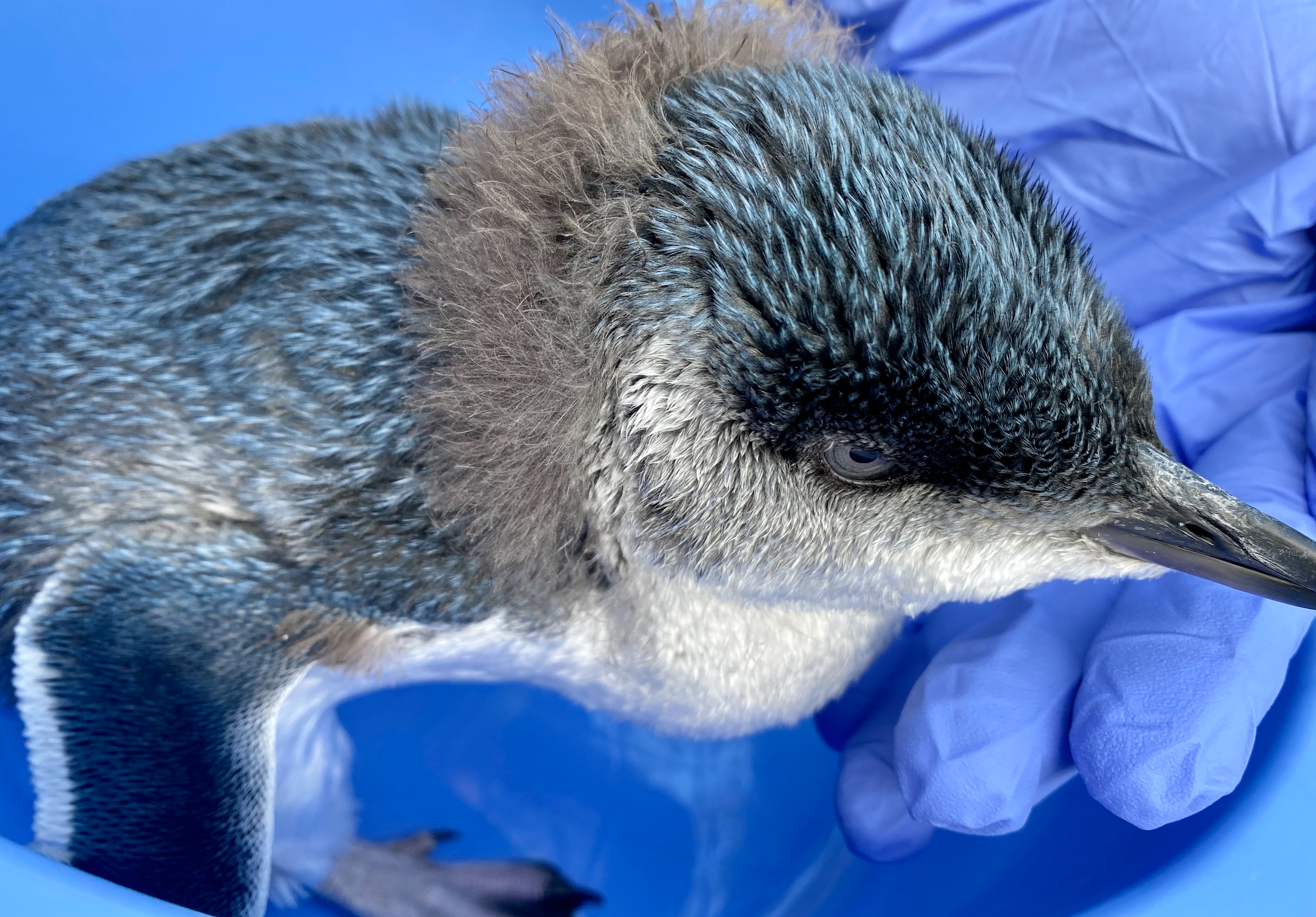
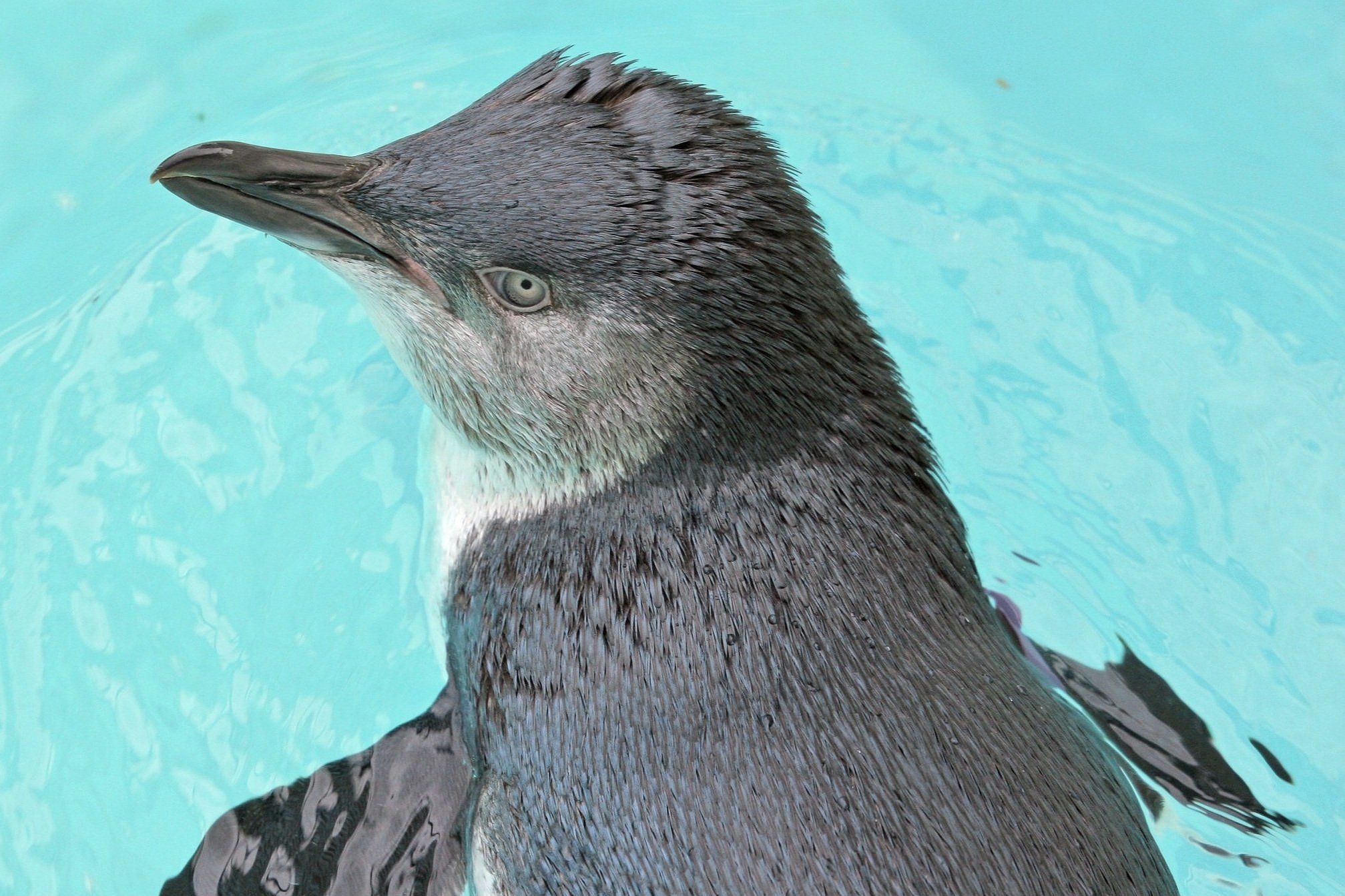
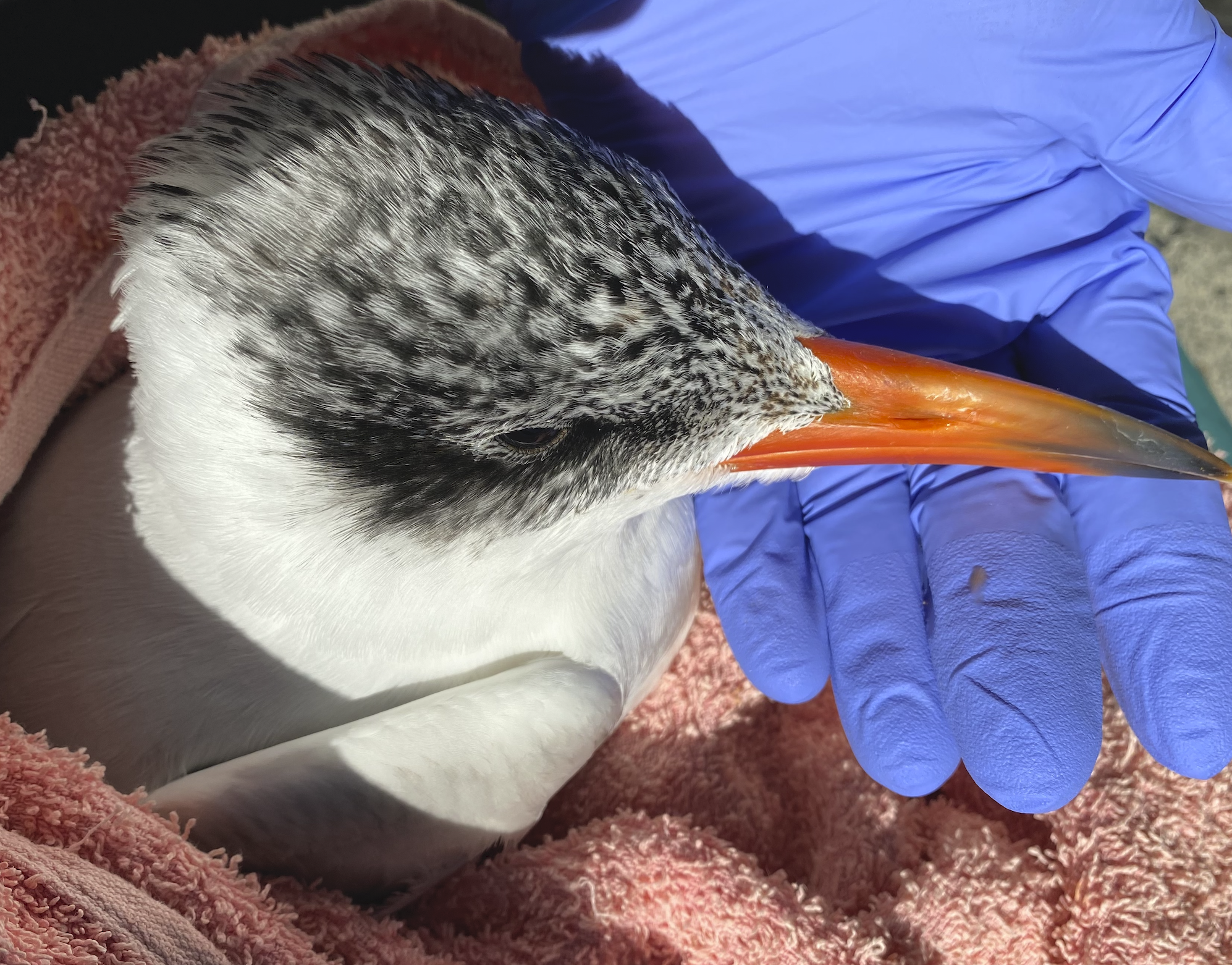
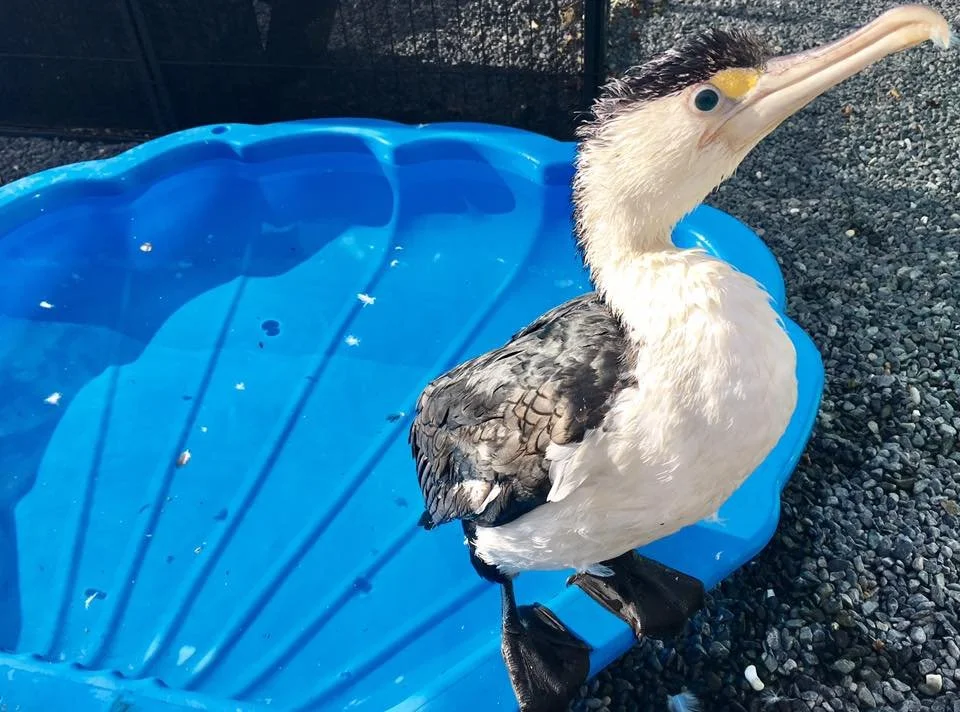
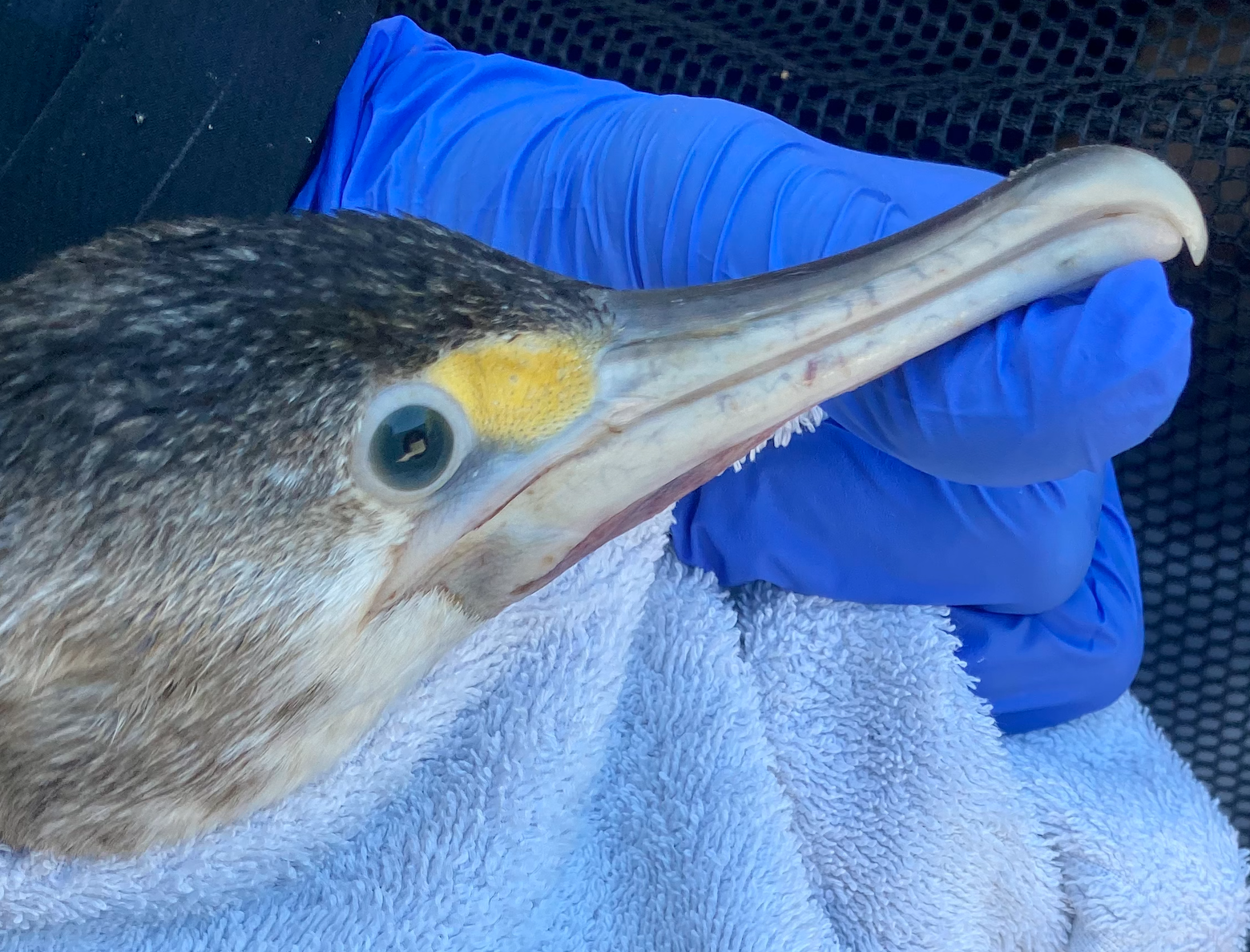
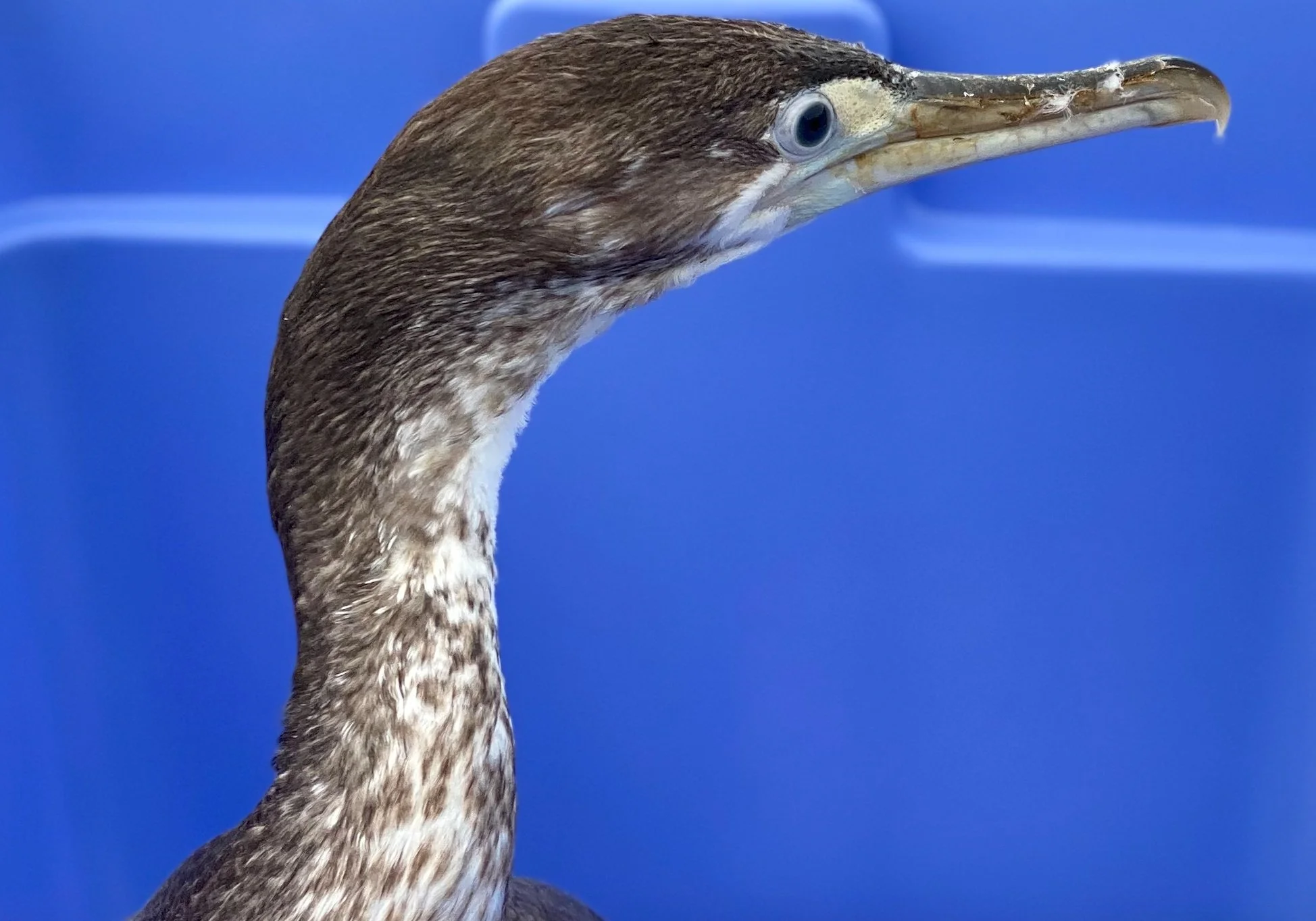
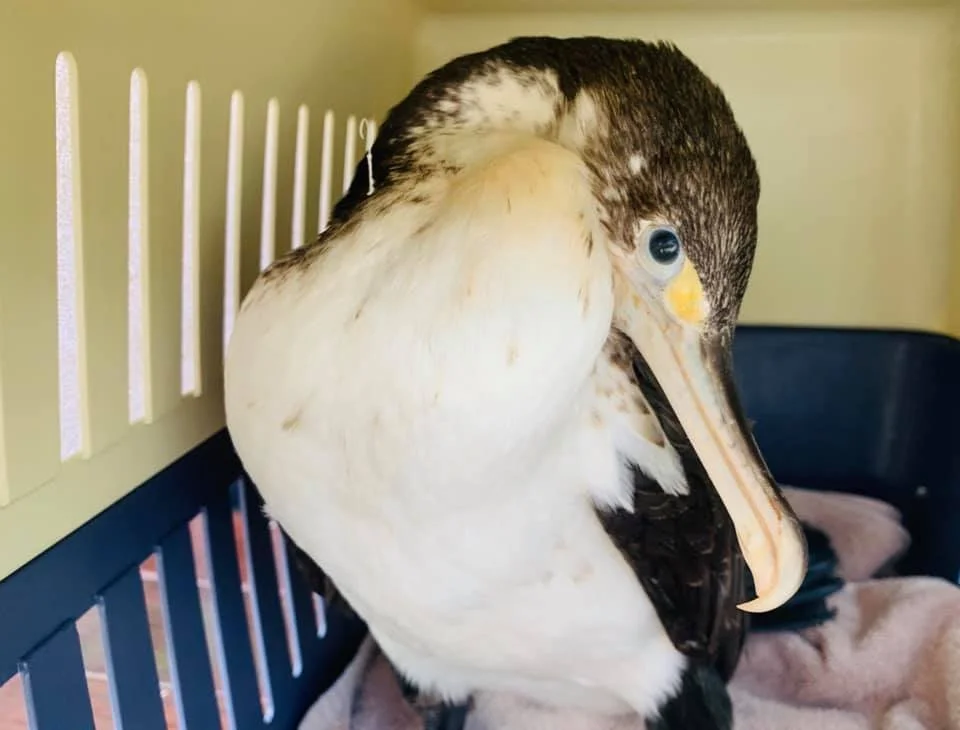
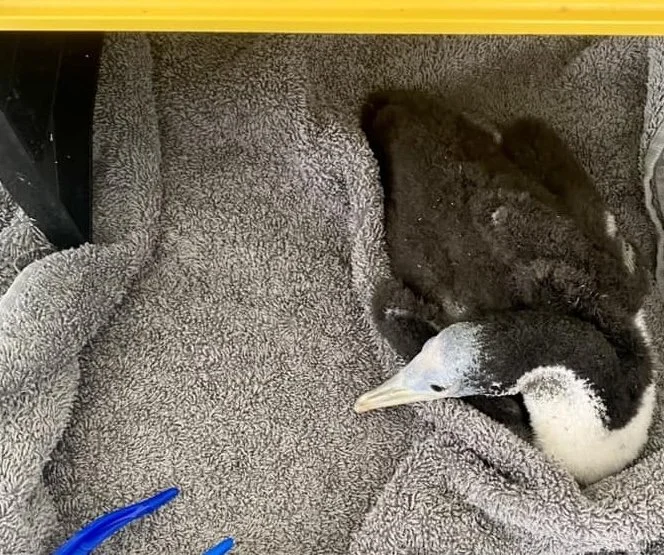
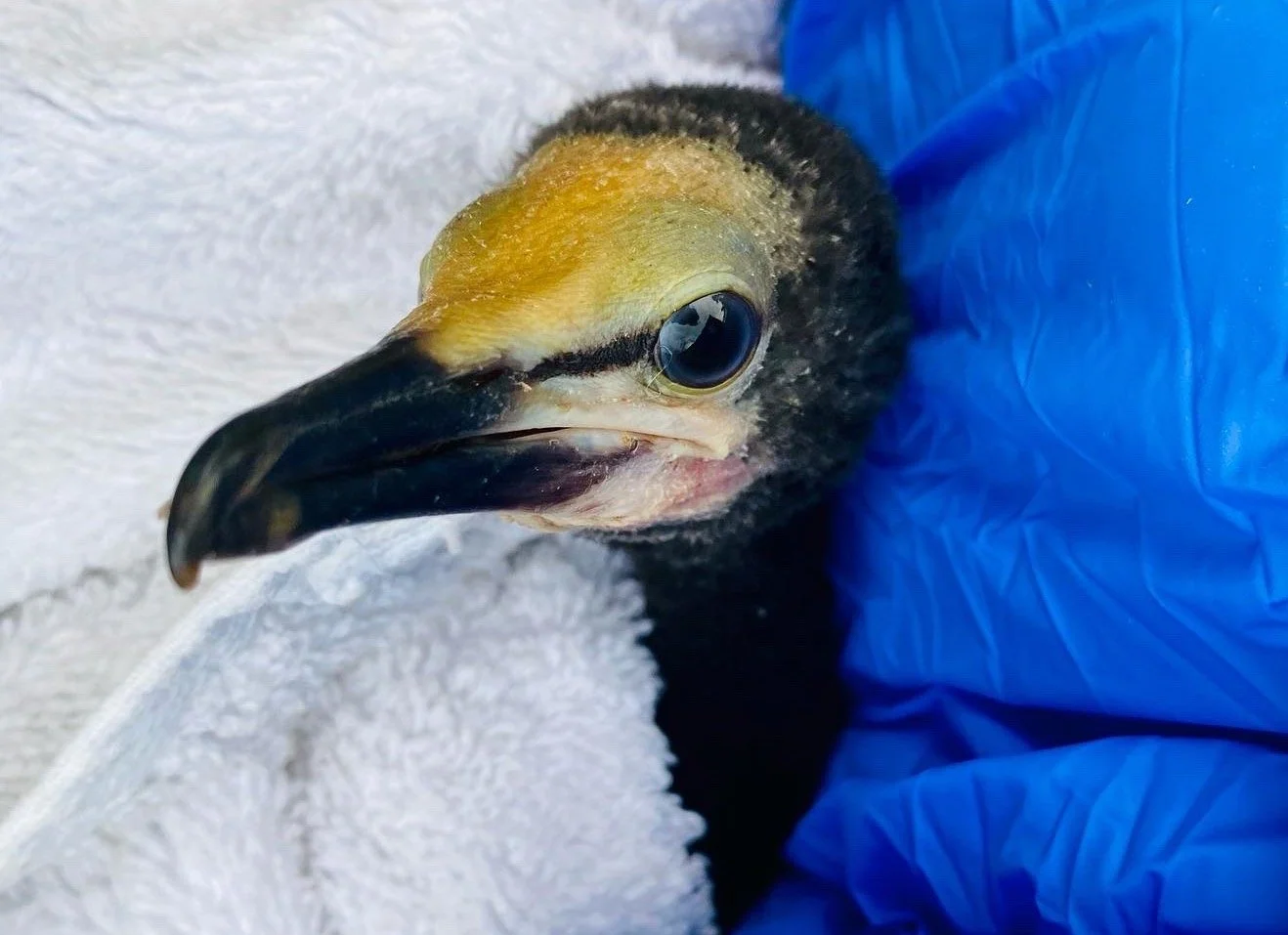
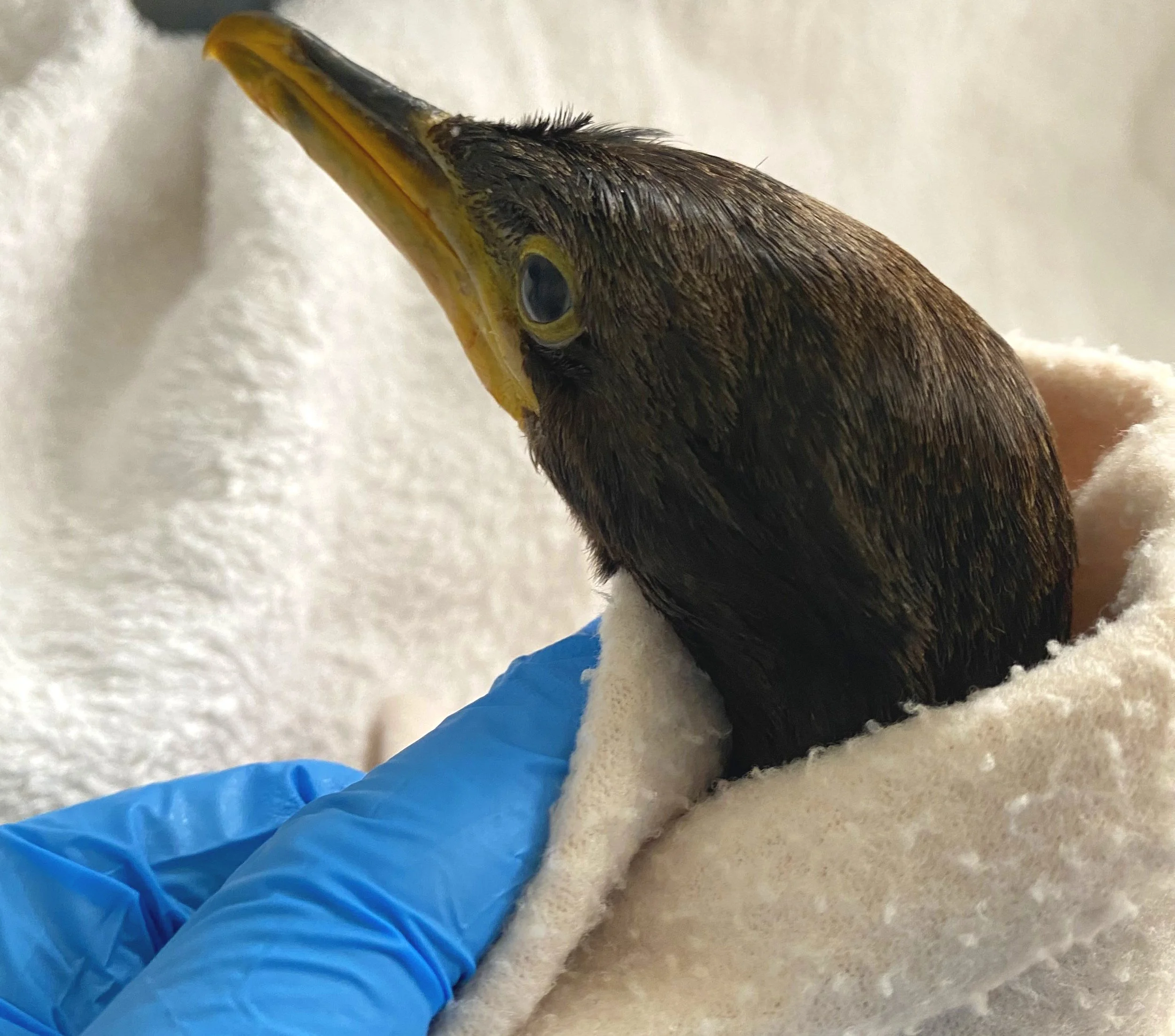
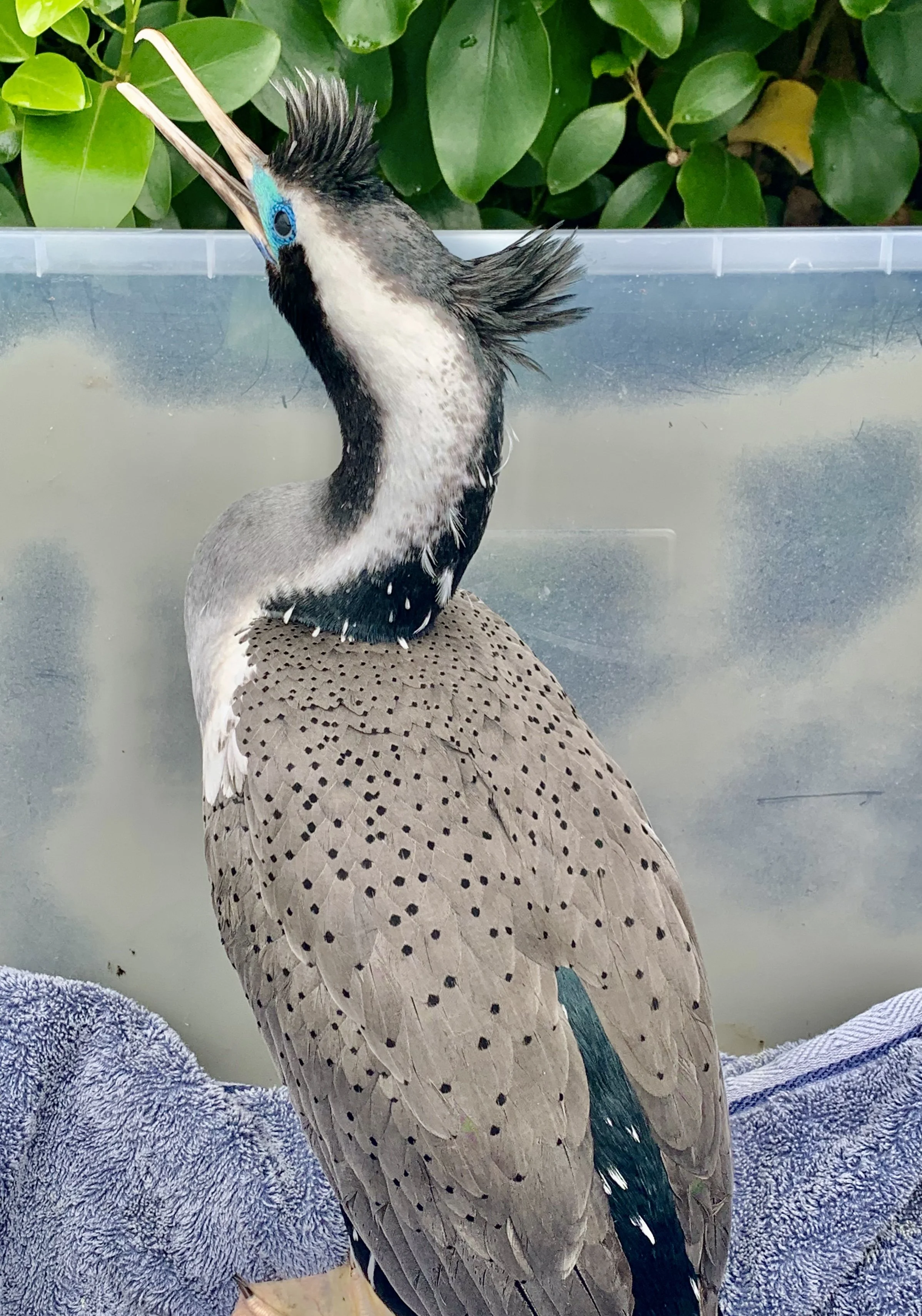
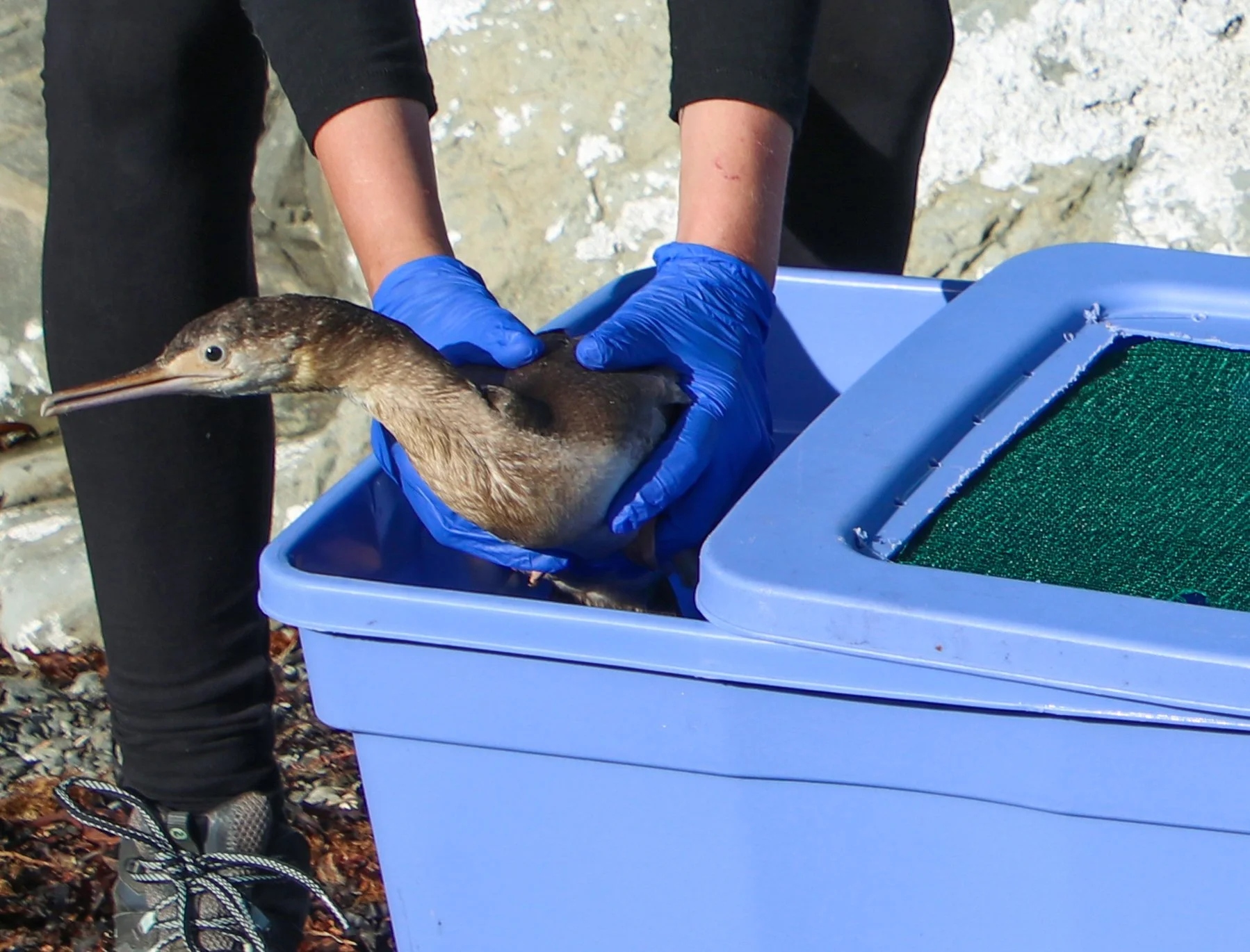
Kaikōura is a global seabird capital, with seabirds being the primary wildlife patients reported. Penguins, shearwaters, gulls and shags are most frequently admitted.
Project WellBird is limited to assisting unwell penguins, whilst capacity building to achieve a wildlife hospital centre. Any beach cast penguins require emergency care. Please complete our contact form, or inform the Department of Conservation.
For crash landed shearwaters suffering from light disorientation, please contact the Hutton’s Shearwater Charitable Trust on 027 442 4281.
For rescue assistance, please call the Department of Conservation via the DOC Hotline on 0800 362 468. Alternatively contact the Renwick DOC Office by phoning 03 572 9100, to request transfer to a local Kaikōura DOC ranger.
Please handover unwell native birds to the nearest vet clinic for assessment, transfer or euthanasia. VetCare Kaikoura opening hours are Mon-Fri 8:30am-5pm, Sat 9am-12pm. Patients may be transferred to the South Island Wildlife Hospital for further diagnostics and long-term rehabilitation.
-
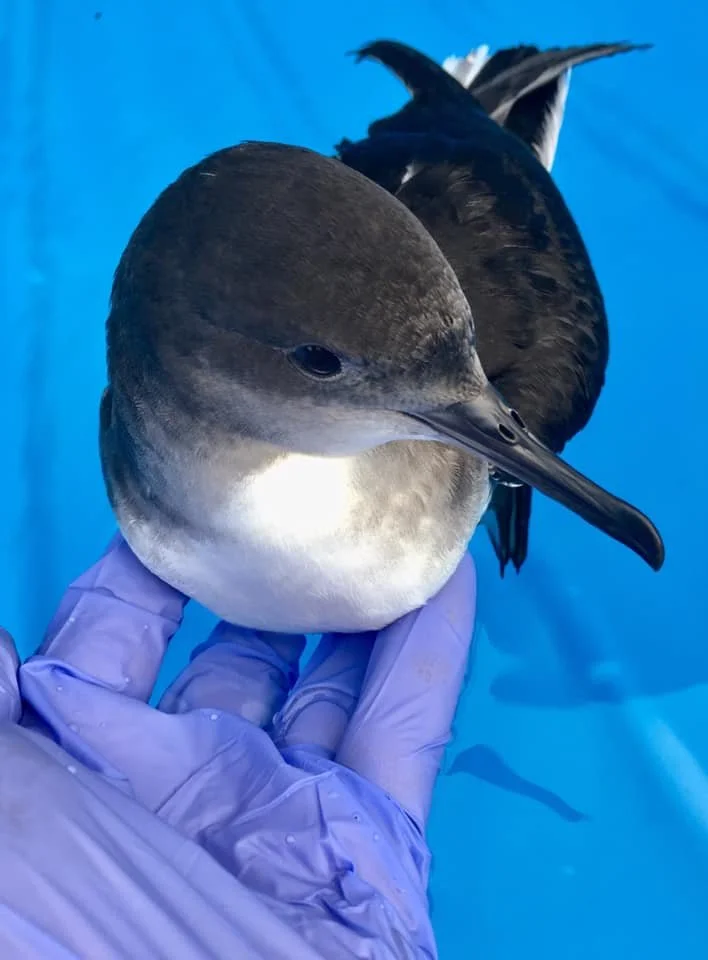
Please rescue and report crash landed Hutton’s shearwaters for handover to the Hutton’s Shearwater Charitable Trust on 027 442 4281 or 021 026 96582. Injured shearwaters can be handed into the nearest vet clinic.
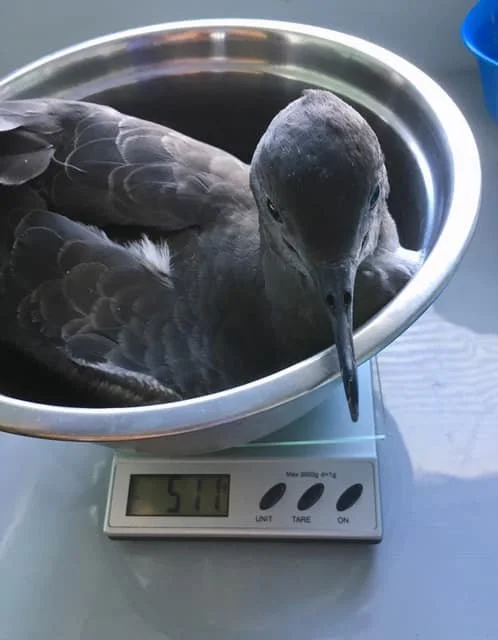
Grounded shearwaters require assessment for collision impact trauma, predation injuries, and poor body condition due to decreased ocean productivity.
Unwell shearwaters with a chance of recovery require transfer for treatment and rehabilitation; whilst those with poor prognosis require euthanasia at VetCare Kaikoura.
Shearwater breeding adults crash land from light disorientation during August-February. Post-assessment lively healthy shearwaters are released into the sea off wharves, boat ramps and slipways to let birds fly, swim or dive off. Albatross Encounter is an alternative option for release at sea.
The Hutton’s Hub next to the Department of Conservation (DOC) Office on 115 Ludstone Road is open for drop-offs from March-April during the fledgling season, for daily checks to assess and release crash landed fledglings.
-
The Department of Conservation (DOC) may intervene if a seal is:
- in poor condition and suffering;
- entangled in marine debris;
- in immediate danger;
- causing disruption, e.g. trapped on a road;
- being harassed by people or dogs;
- you suspect a wildlife crime/intentional harm.
It is an offence under the Marine Mammals Protection Act 1978 to disturb, harass, harm, injure or kill a seal; with a maximum penalty of two years imprisonment and fine of $250,000. Please report evidence of wildlife crimes immediately.
Please do not attempt to handle an unwell seal. If you are concerned that a seal is seriously injured, in danger or being harassed, please call the DOC Hotline on 0800 362 468.
Please note wildlife rehabilitators are not authorised to aid unwell seals in NZ.
Thousands of fur seals have starved in Kaikōura due to decreased ocean productivity (climate change and overfishing impacts), resulting in mass starvation.
Canine distemper virus and H5N1 bird flu pose additional threats regarding high mortality. Unfortunately due to the number of affected seals, there is no direct means of assisting unwell individuals.
-
Report whale or dolphin strandings immediately to Project Jonah on 0800 4 WHALE (0800 494 253) or the Department of Conservation hotline on 0800 DOC HOT (0800 362 468).
-
Highly pathogenic avian influenza (H5N1 bird flu) has been detected in New Zealand. However, it is not yet widespread across the mainland. Migratory pelagic seabirds such as Hutton’s Shearwaters, Giant Petrels, and Skuas are confirmed carriers. As the situation evolves, strict biosecurity measures will be implemented.
Please undertake a visual assessment prior to handling to facilitate rescue. If in doubt, document via photos and video, and report.
• Neurological signs: Loss of balance, incoordination, drooped wings, splayed or dragging legs, twisting of the head and neck, trembling, shaking, seizures, collapse. (Note: These can also be symptoms of head trauma regarding shearwater crash landing, and seabird starvation in regards to organ breakdown).
• Respiratory signs: Swollen head, closed eyes, abnormal eye appearance discharge from the eyes, open beak breathing, sneezing or coughing sounds, gurgling/ wheezing. (Note: These can also be shearwater crash landing trauma symptoms - brain injury, internal bleeding etc).
If you see 3 or more sick or deceased beach cast seabirds or seals, avoid contact and report immediately to the Biosecurity NZ hotline on 0800 80 99 66.



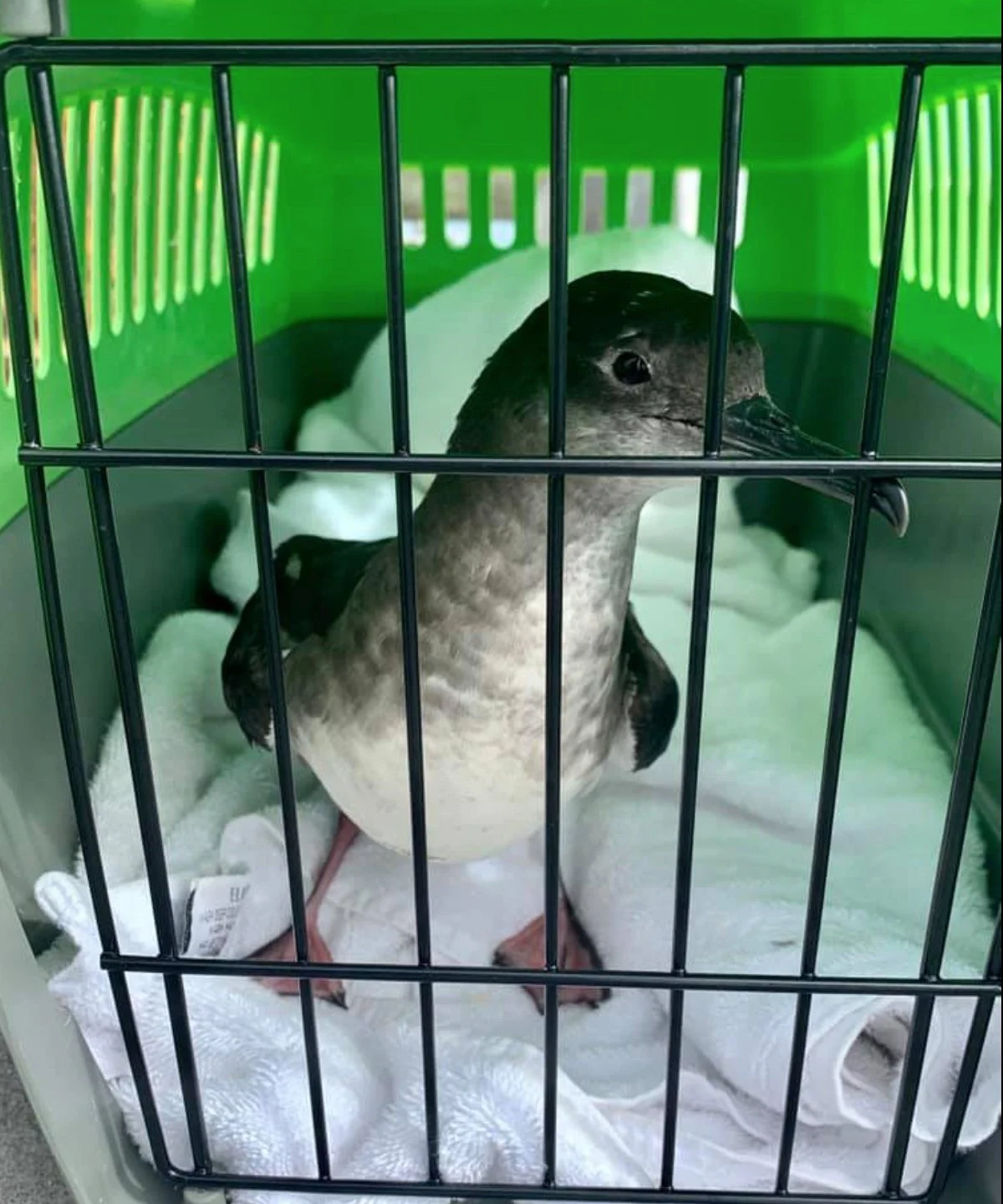
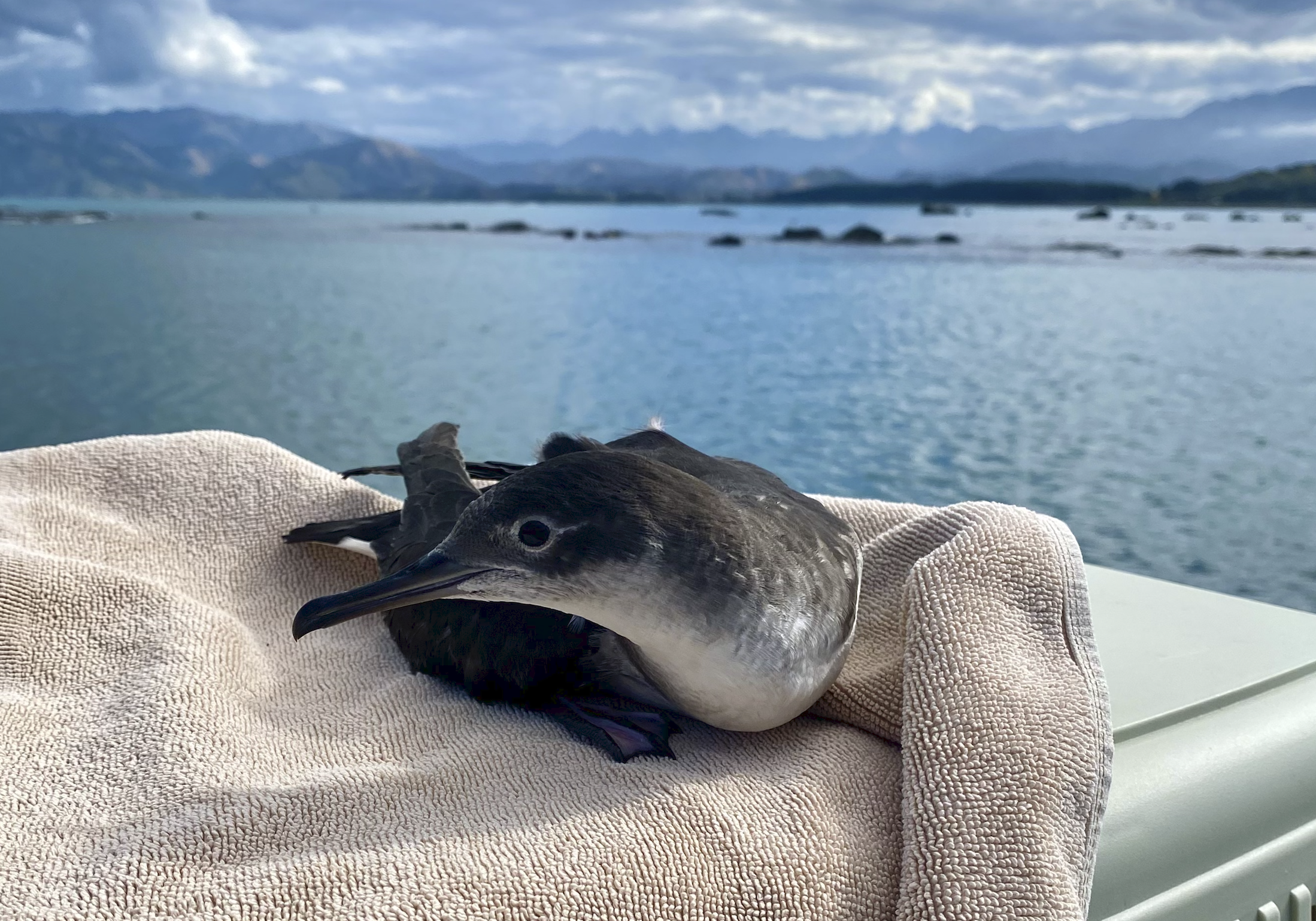
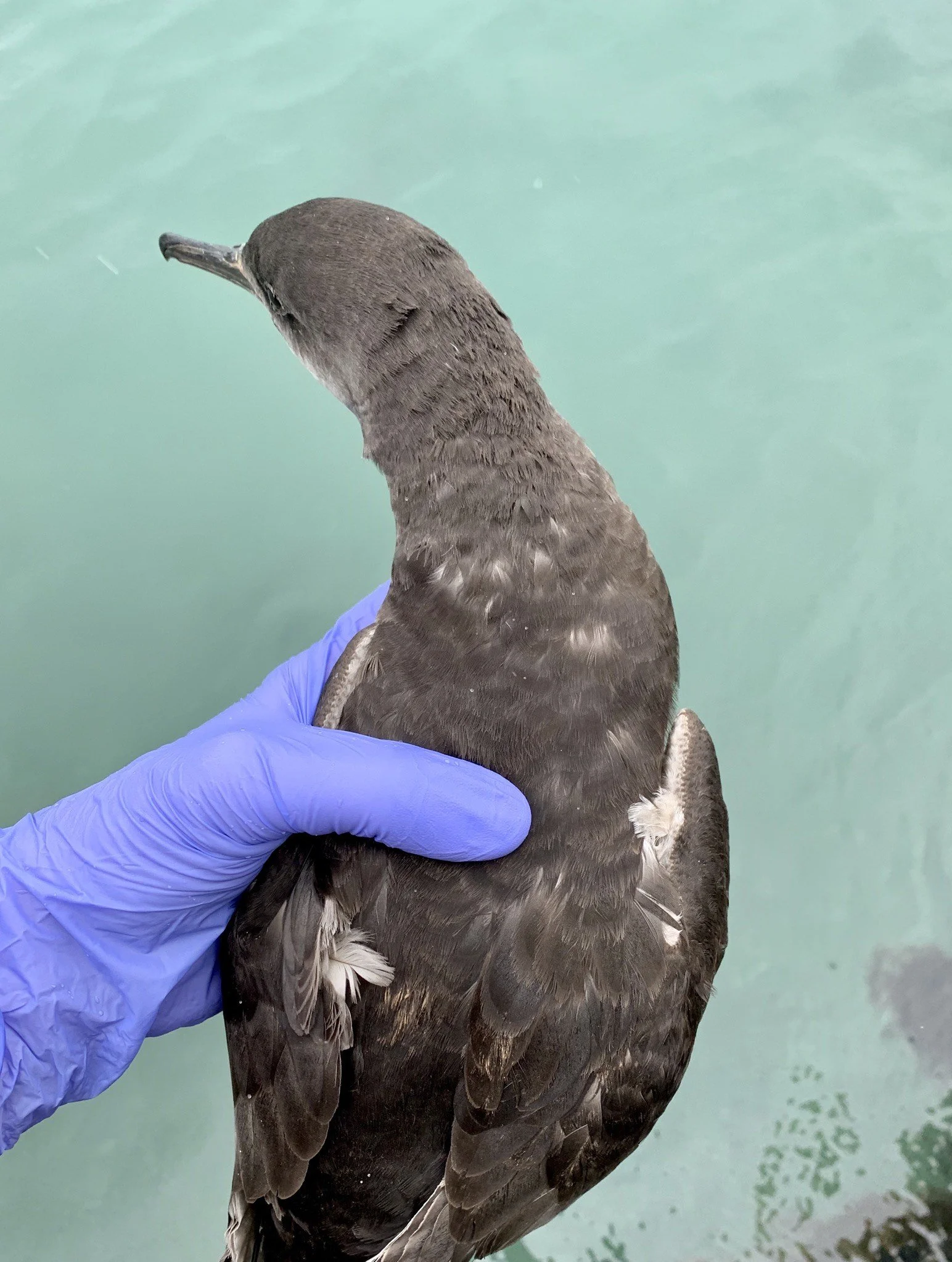
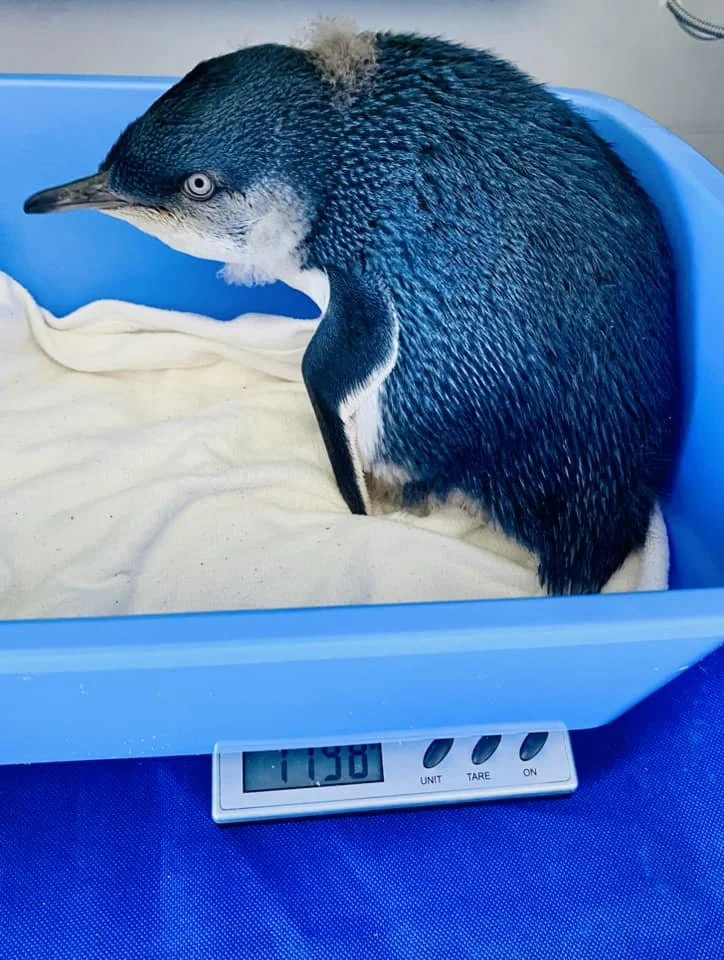


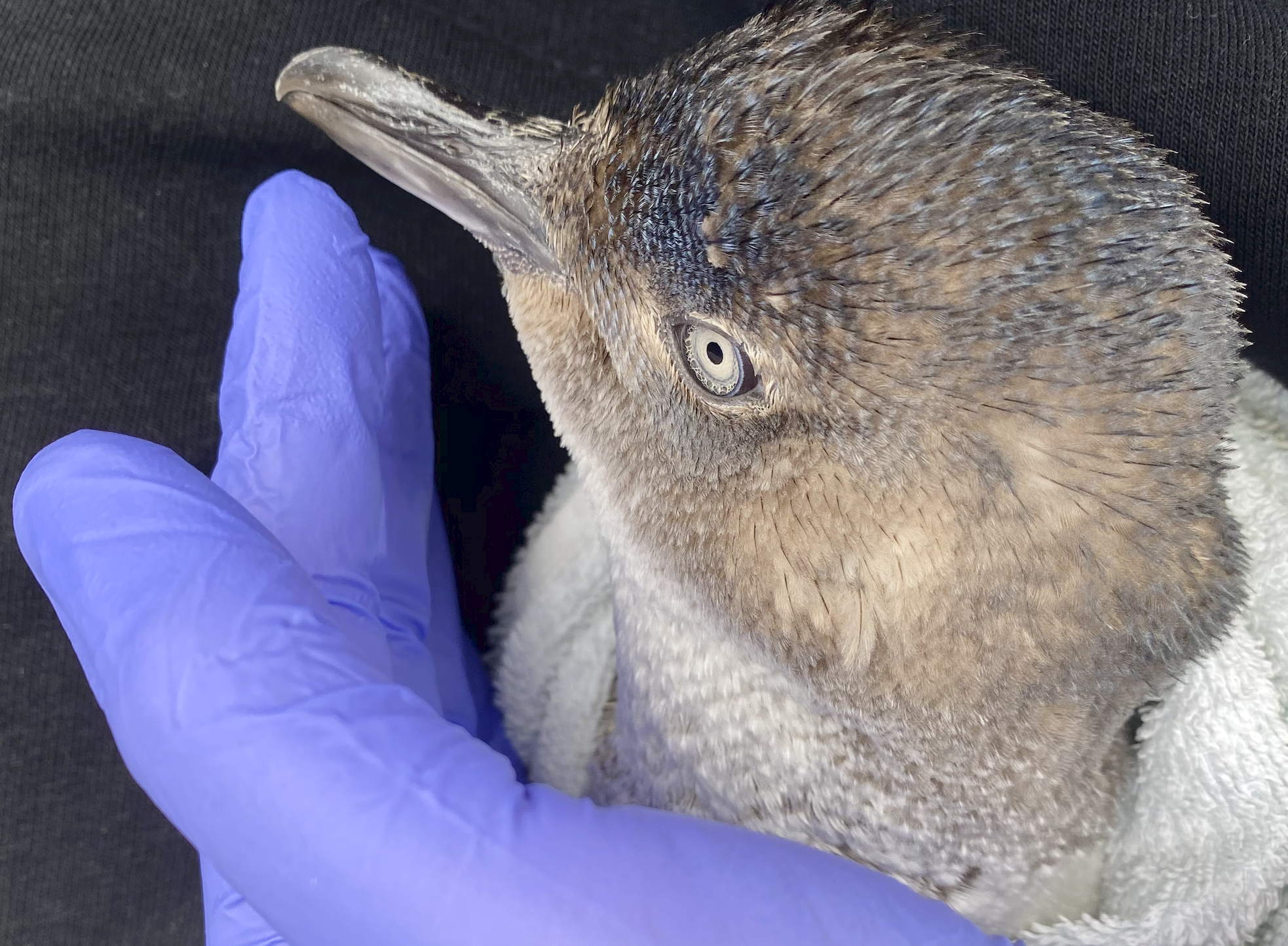
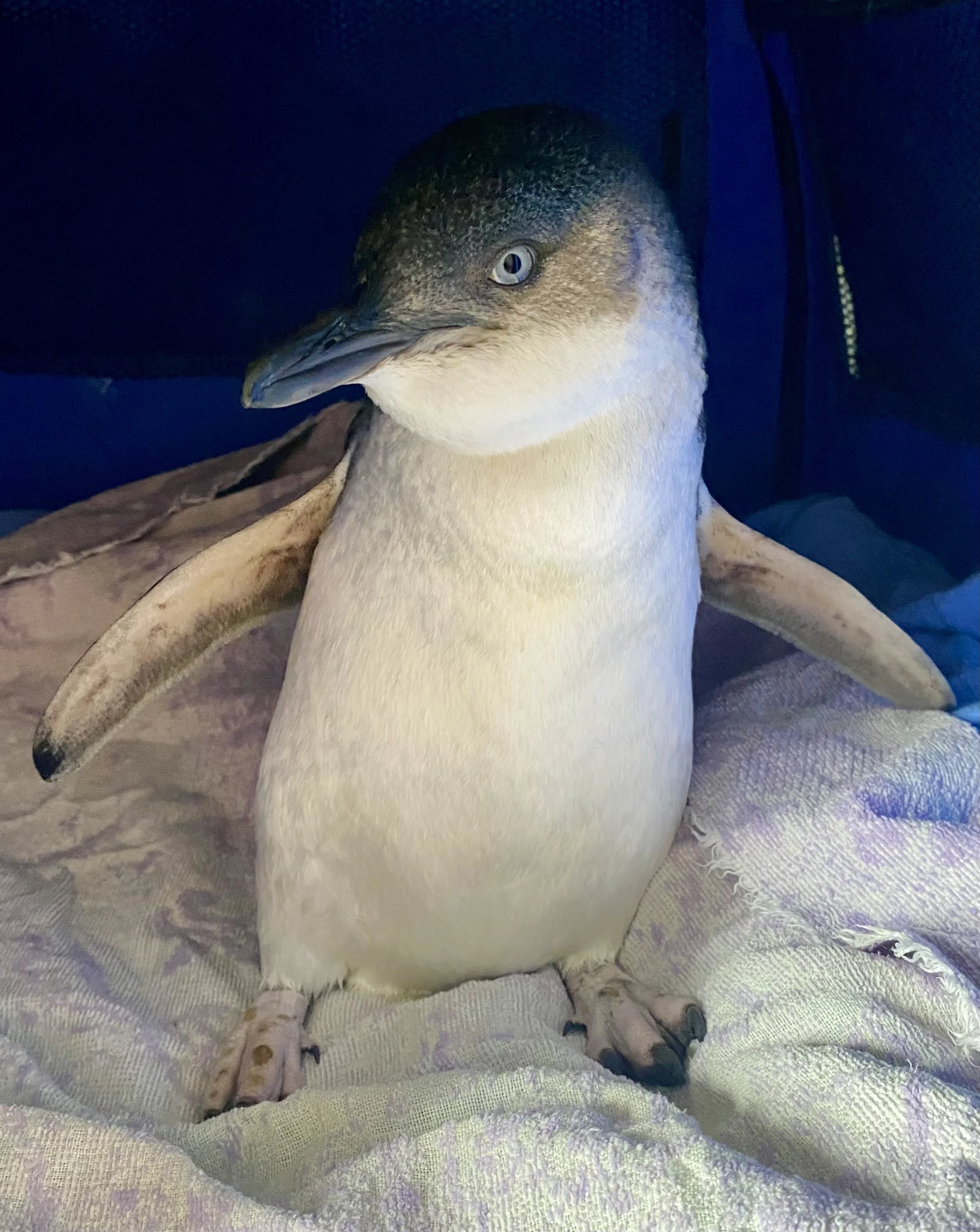
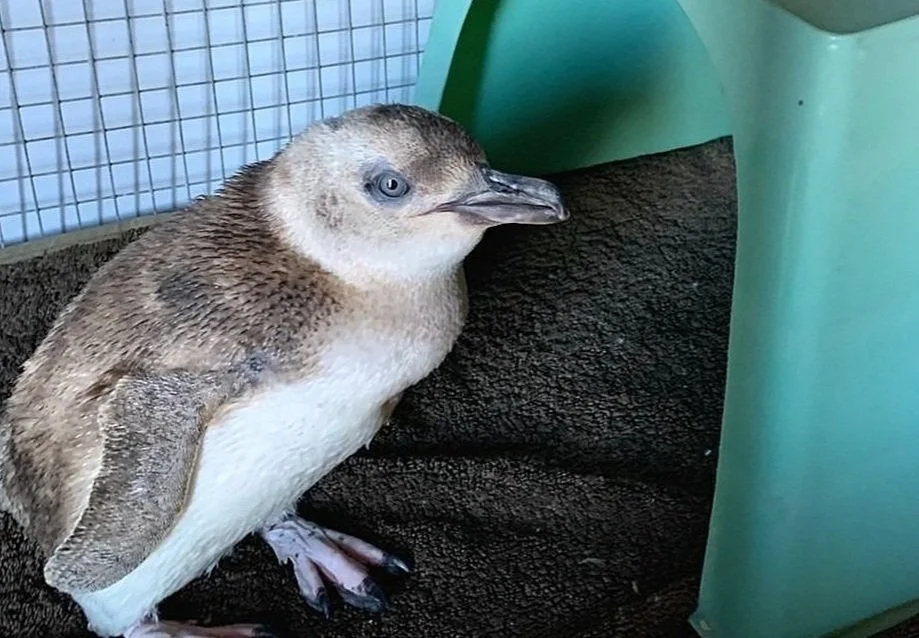
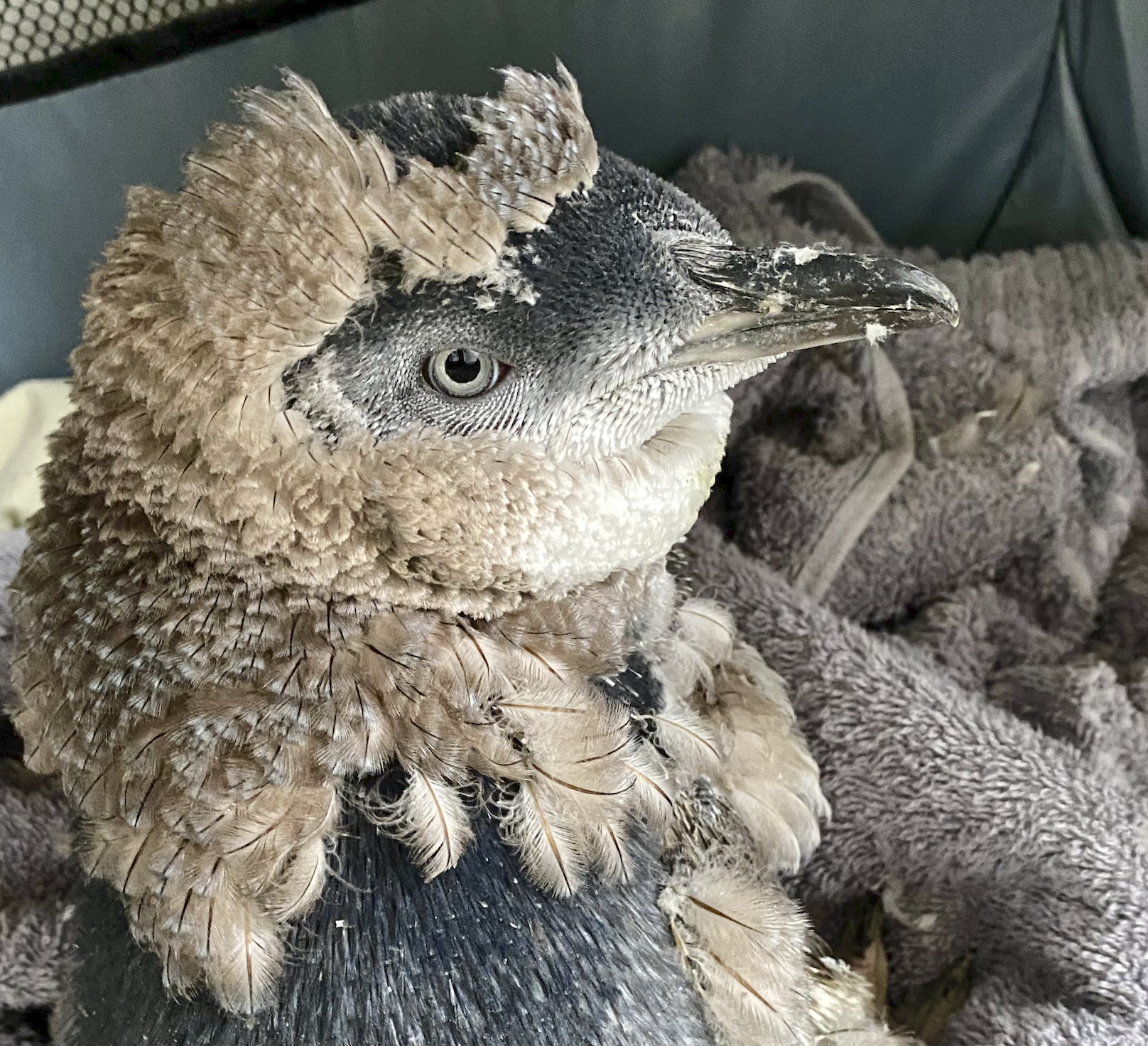



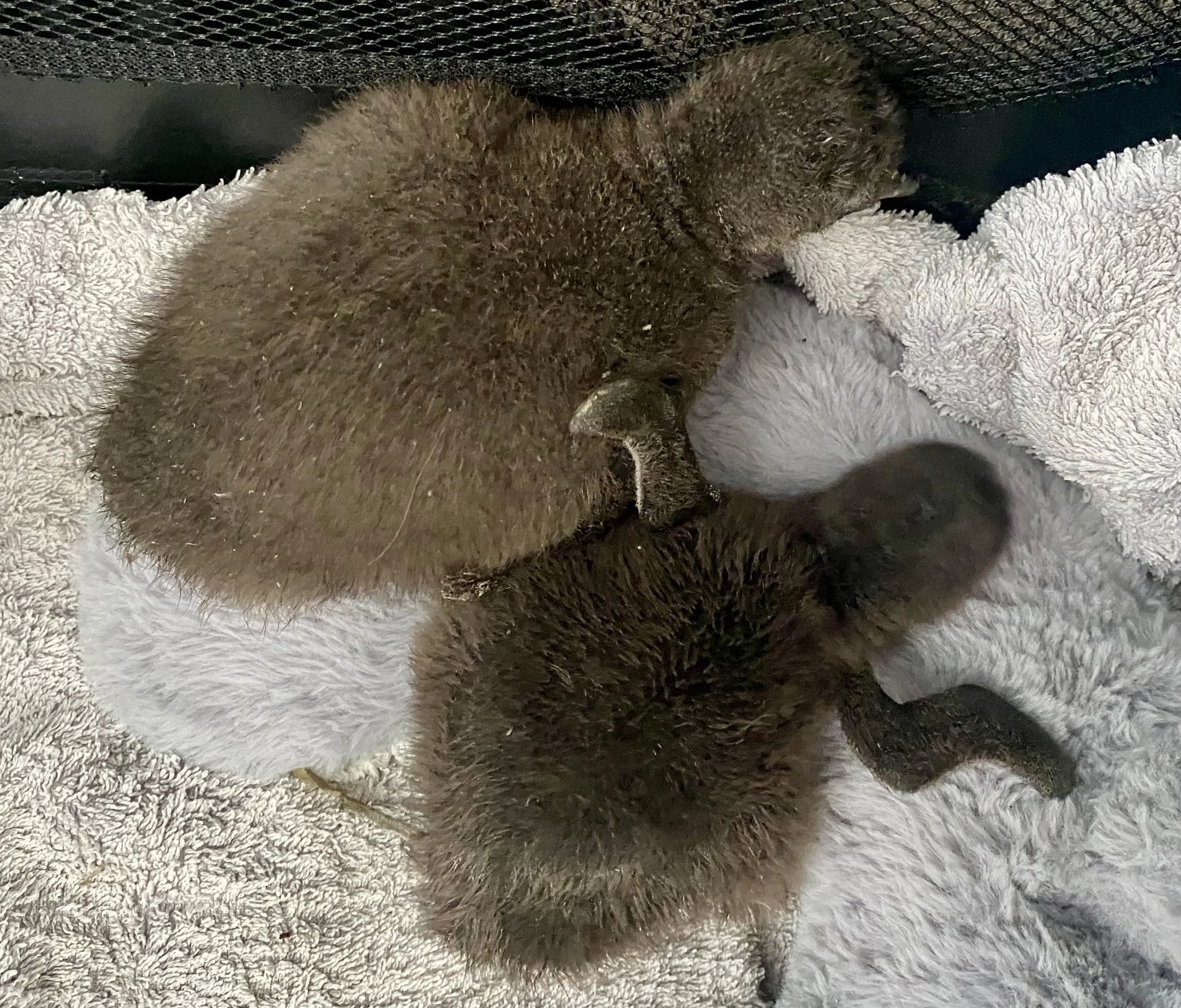
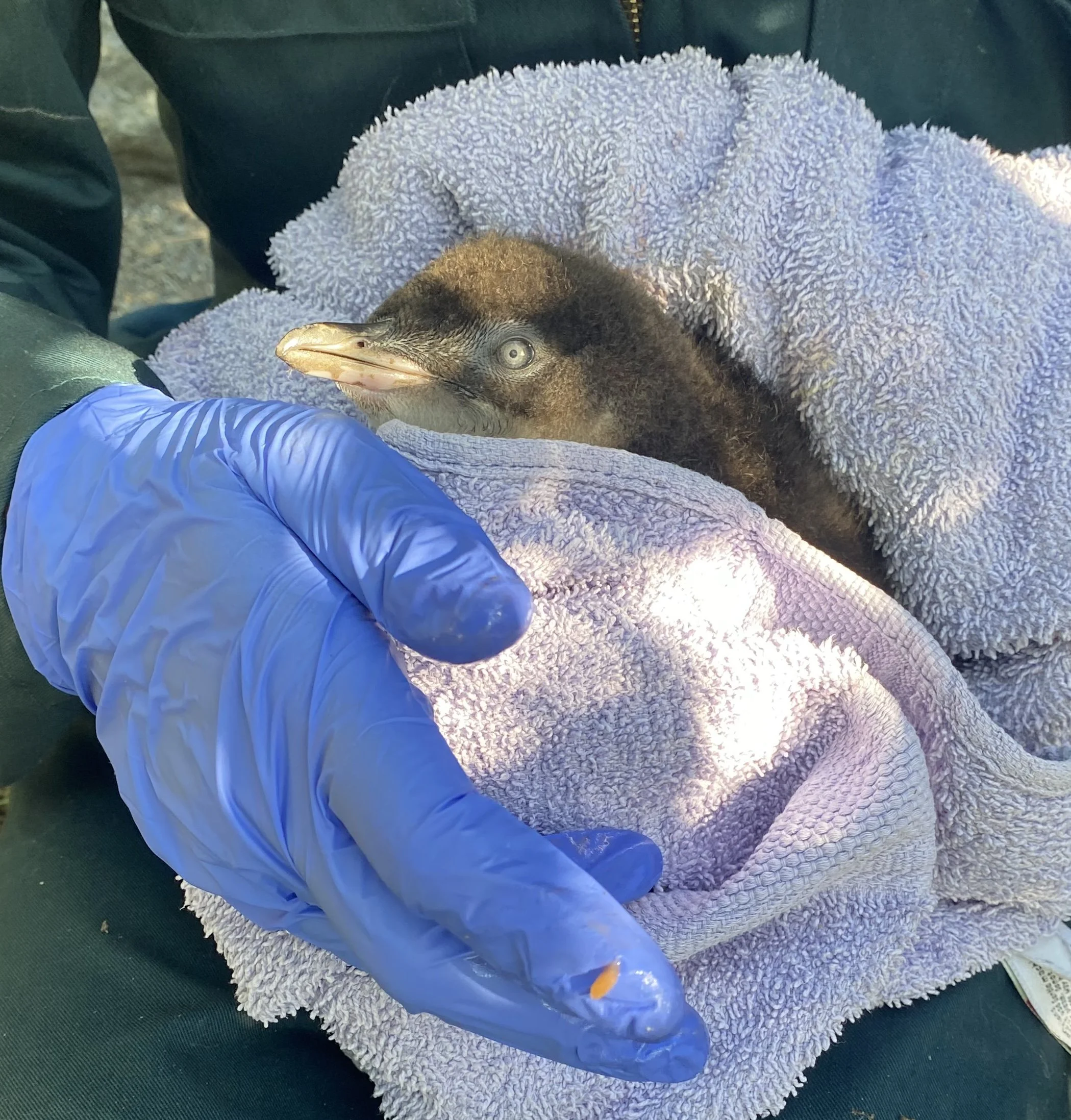
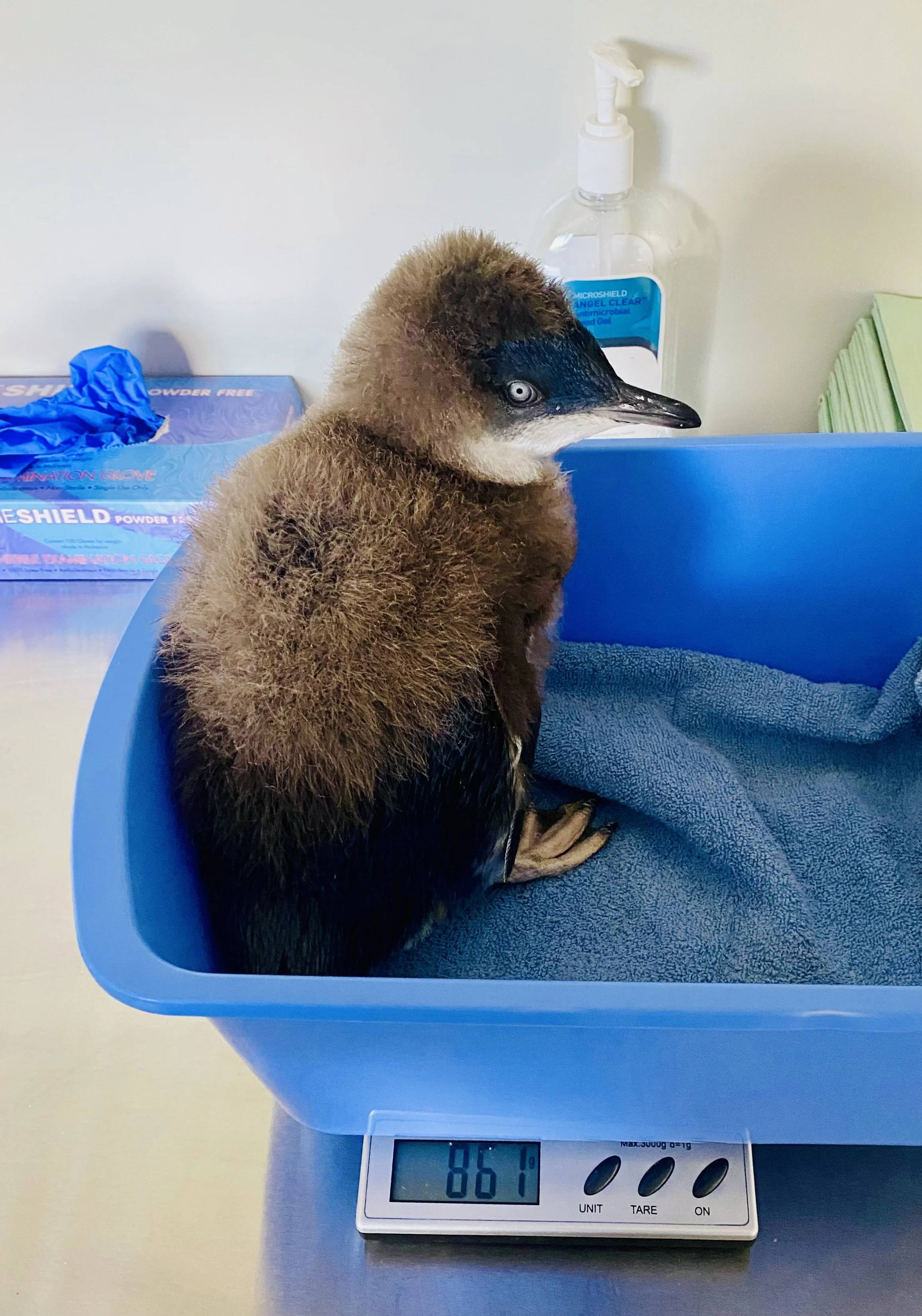
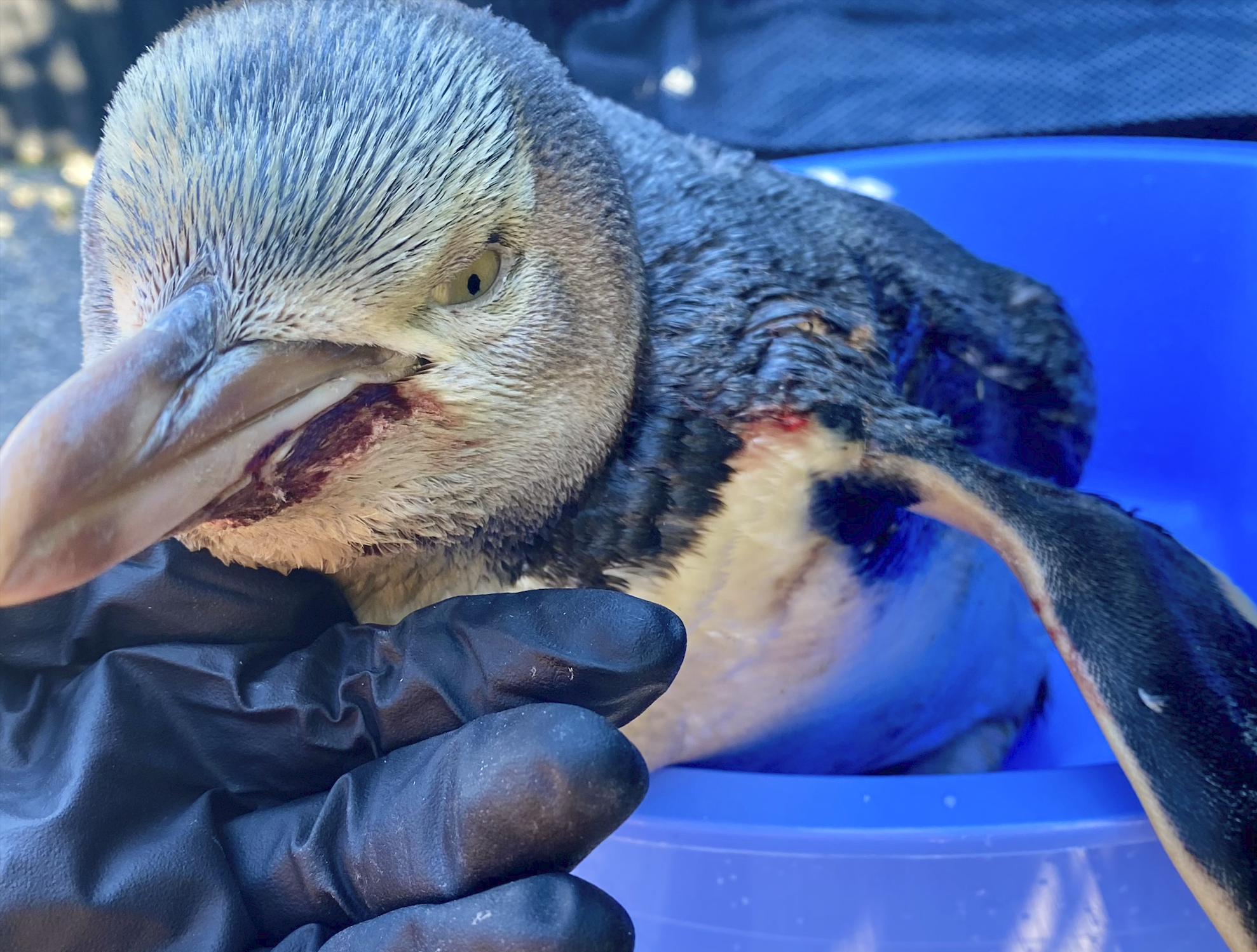
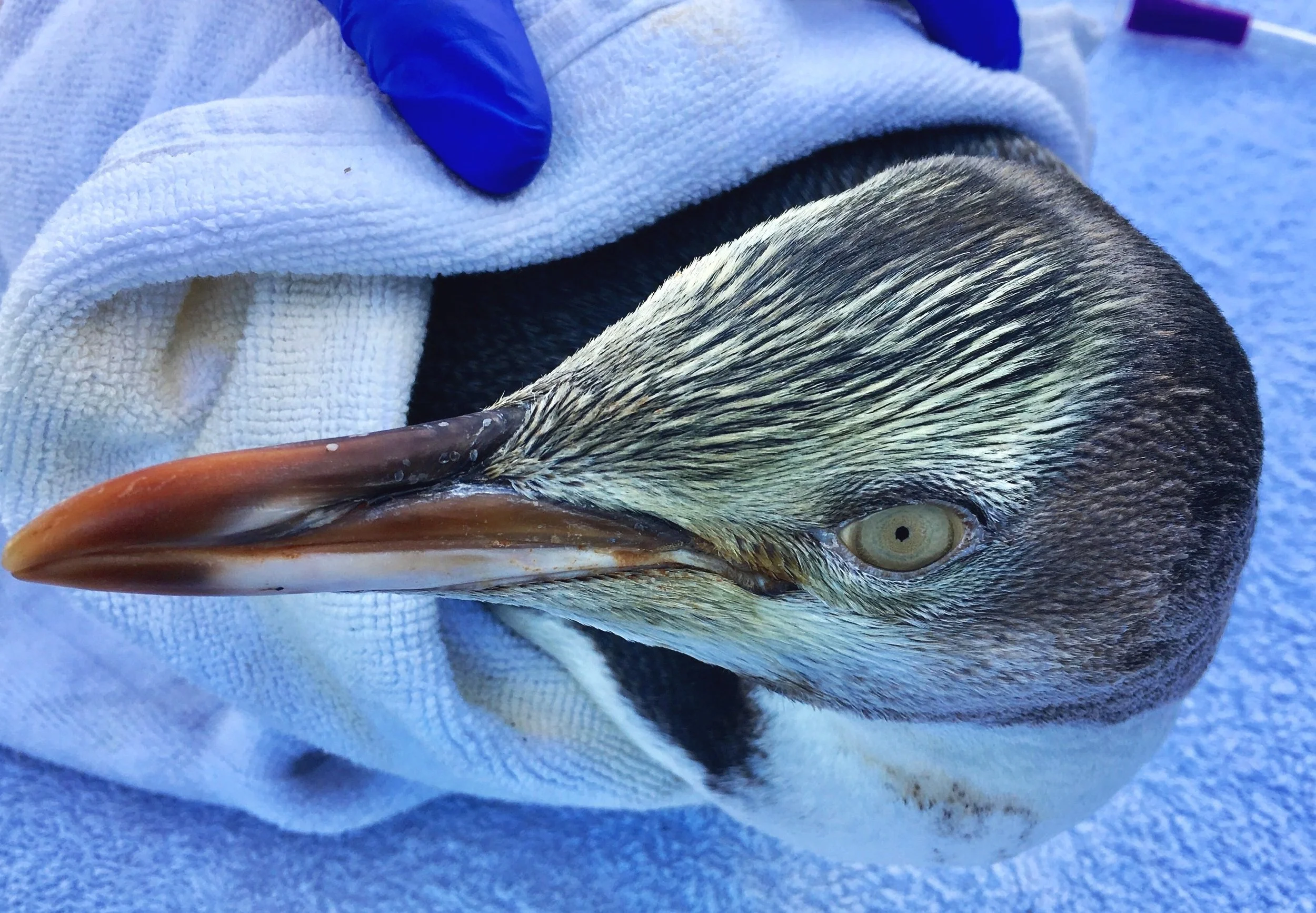
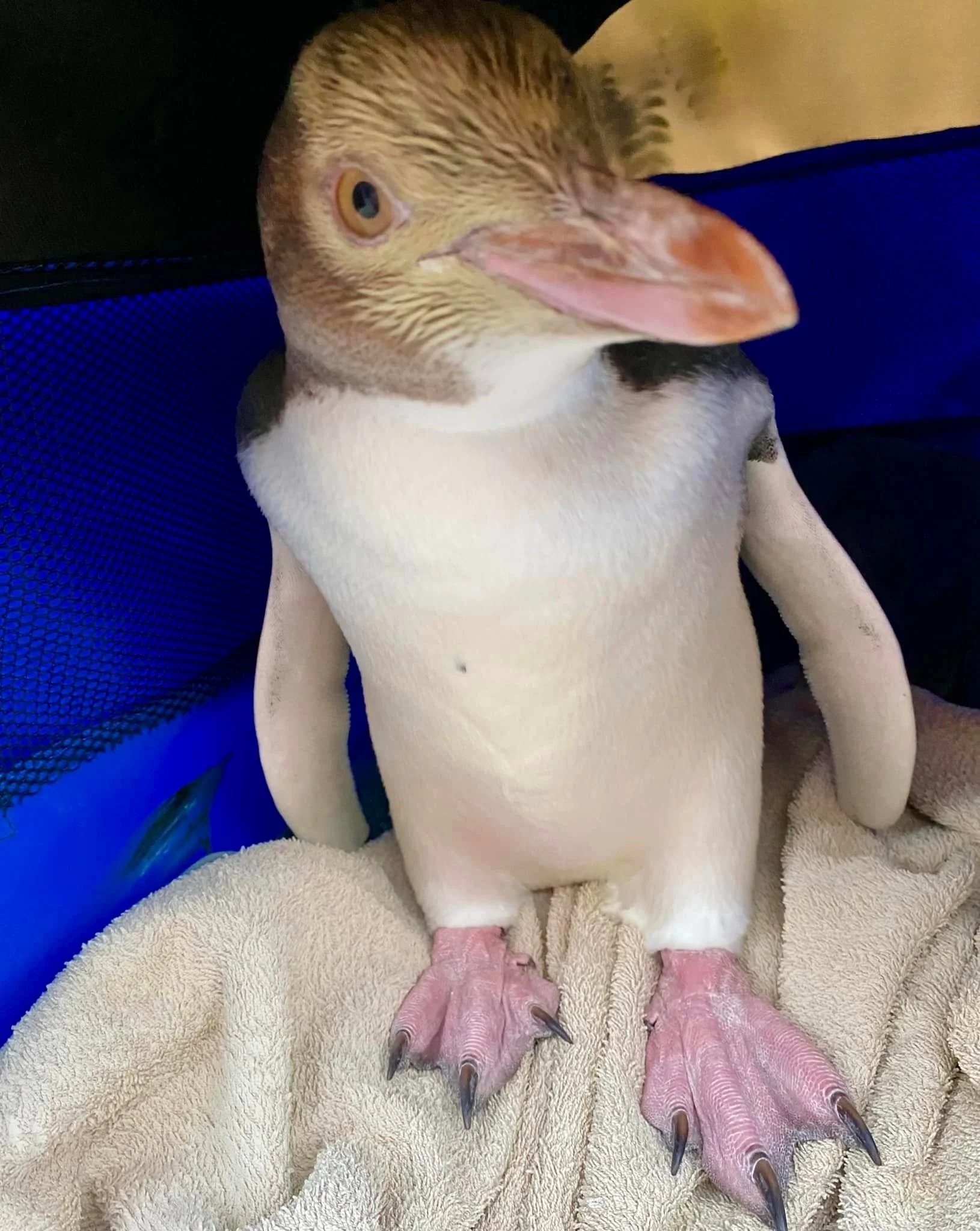
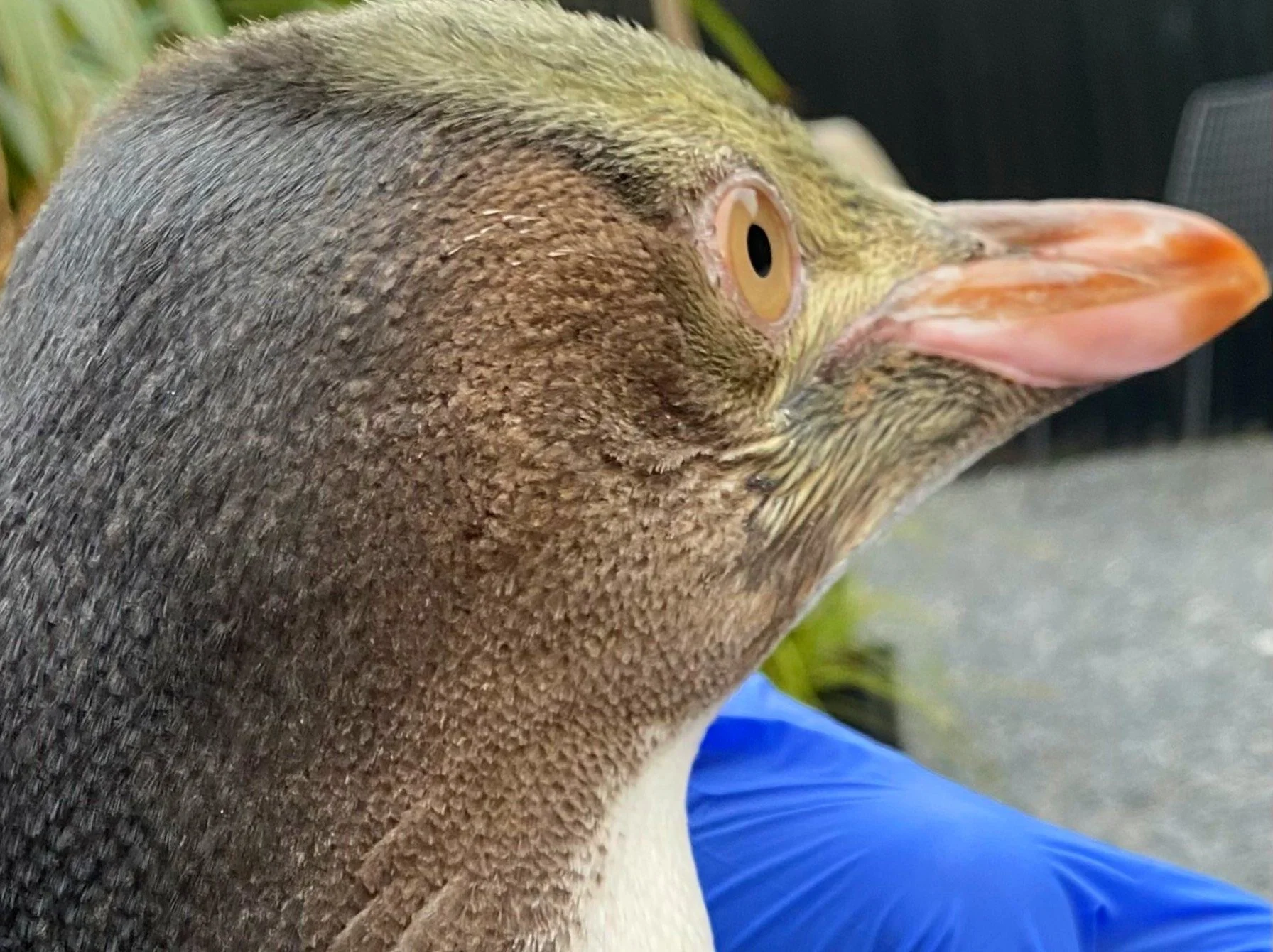


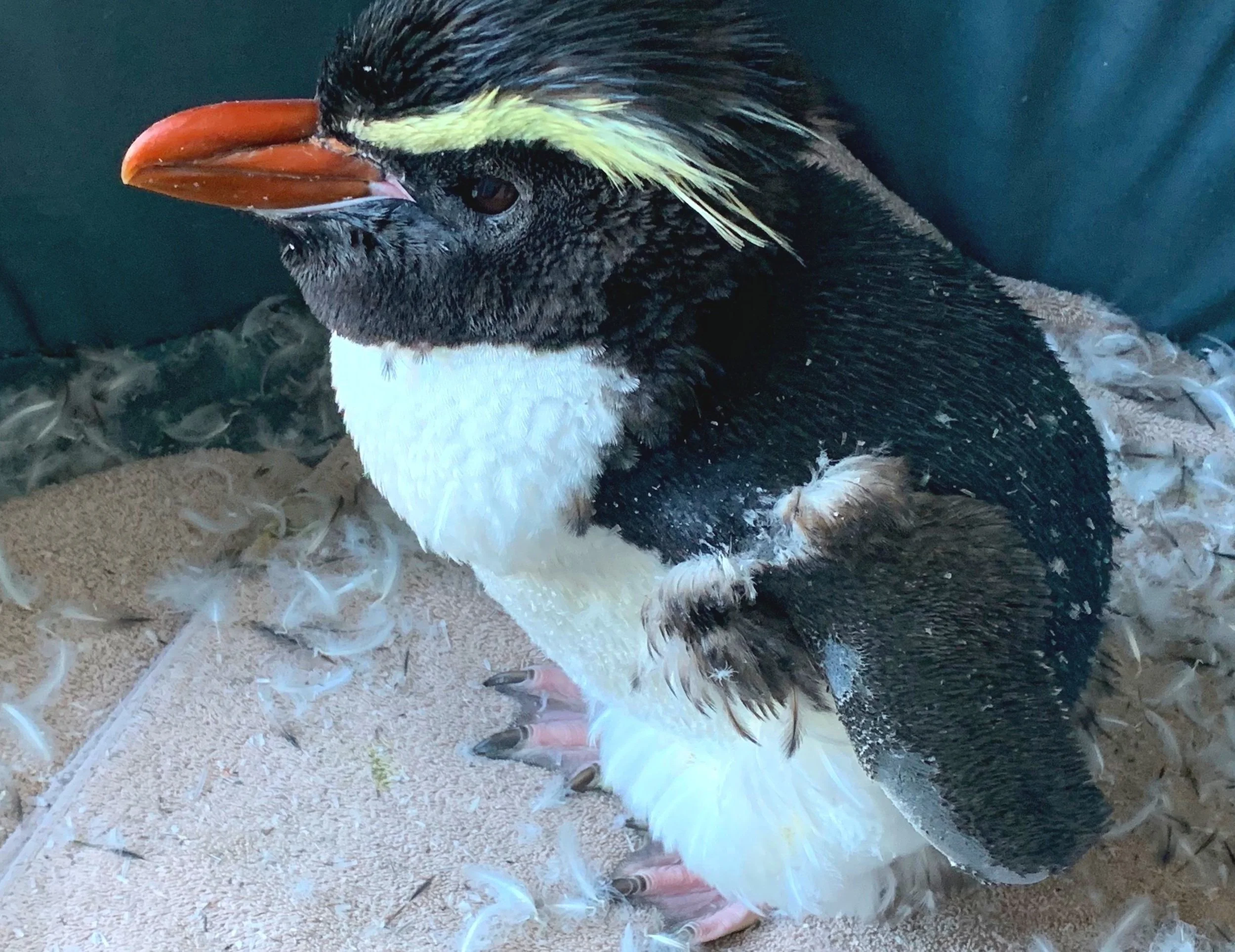
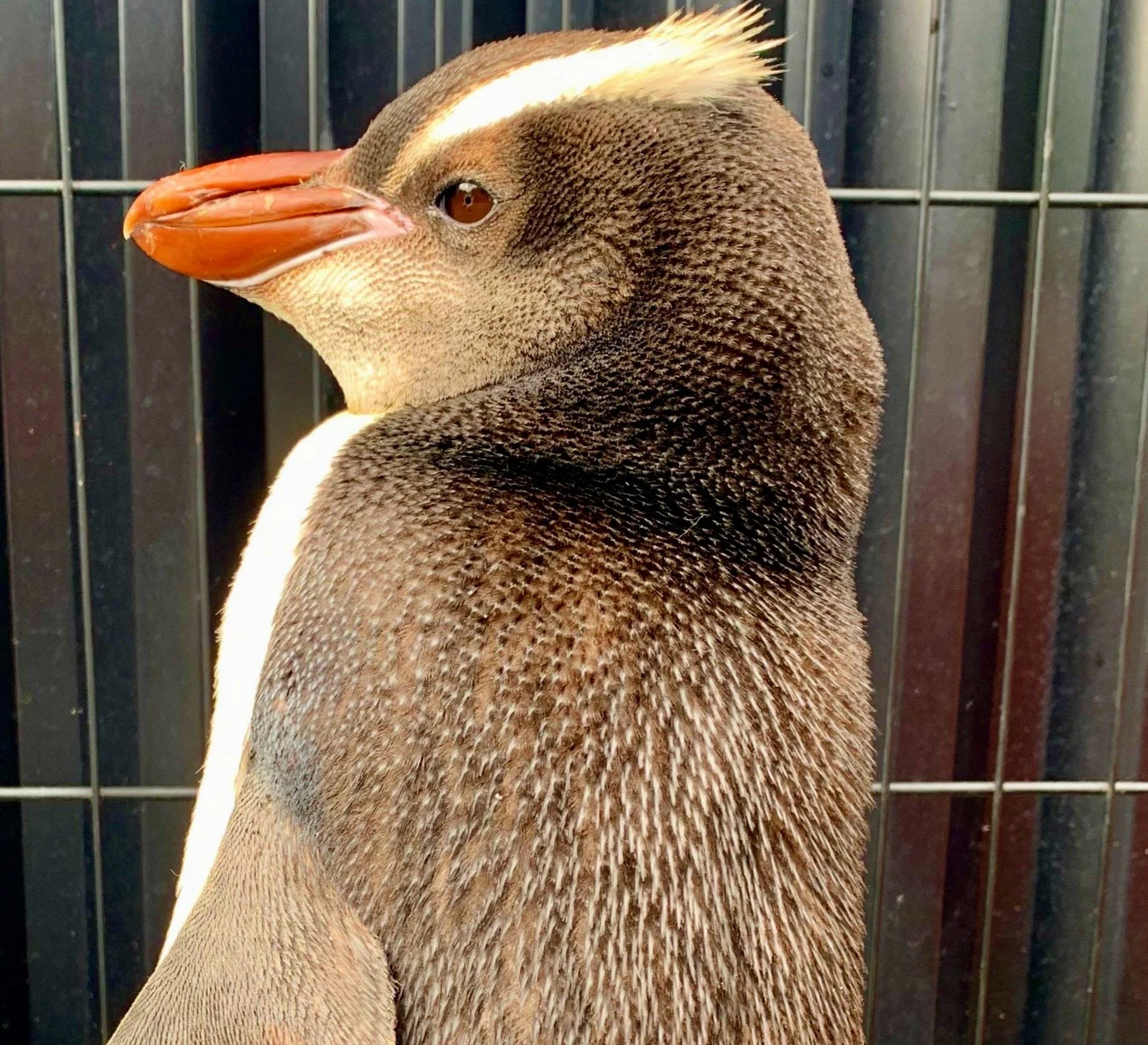
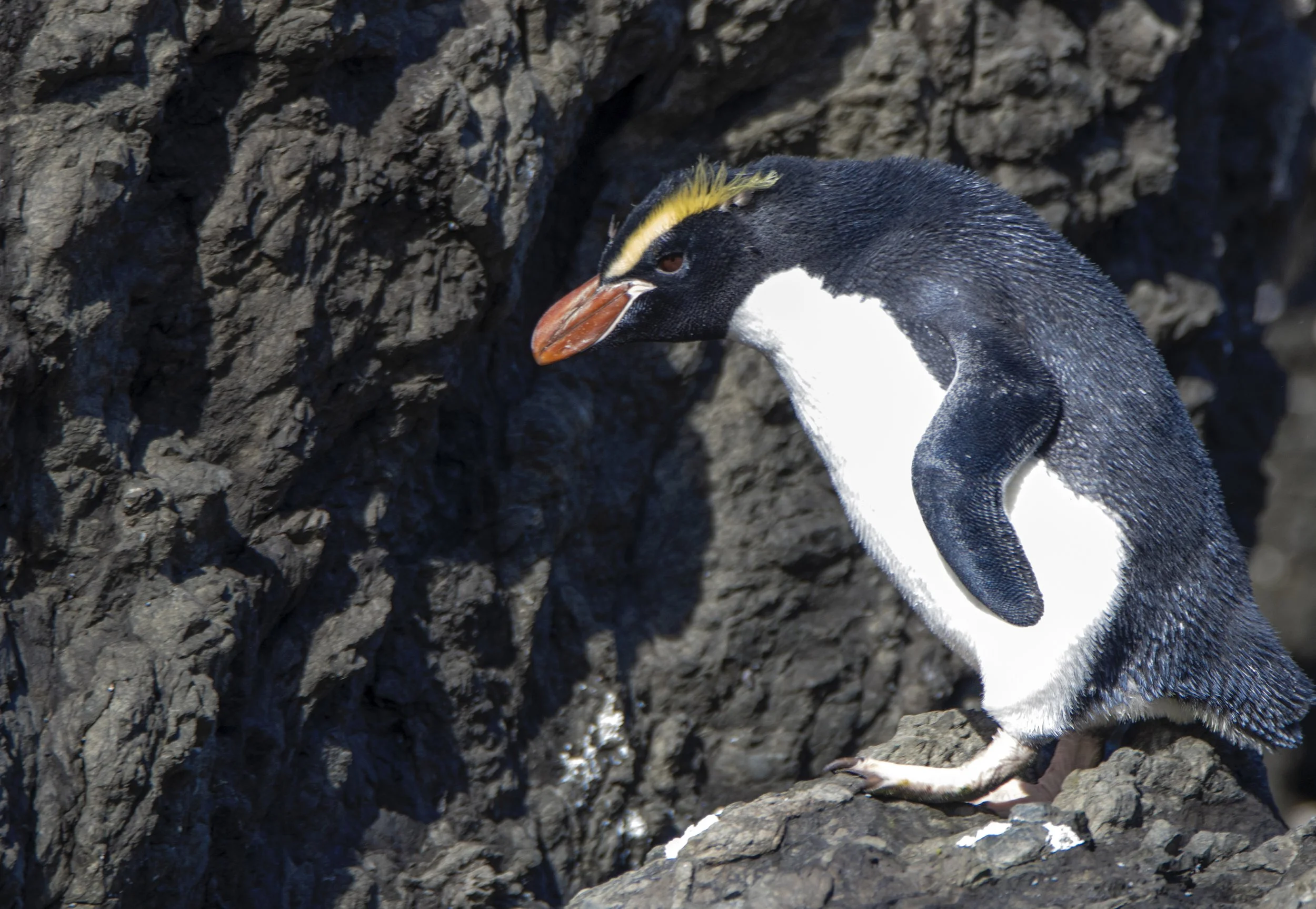
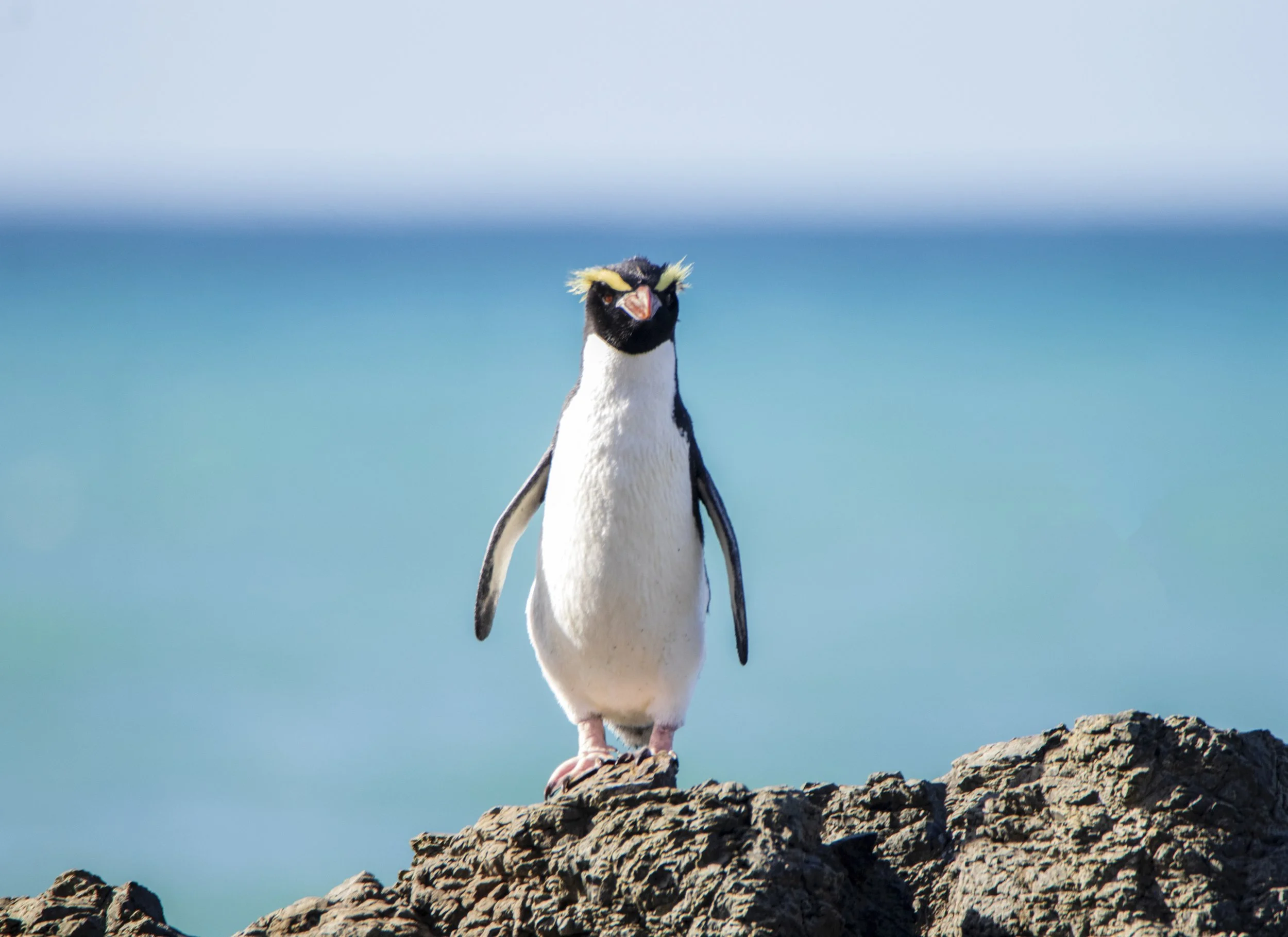
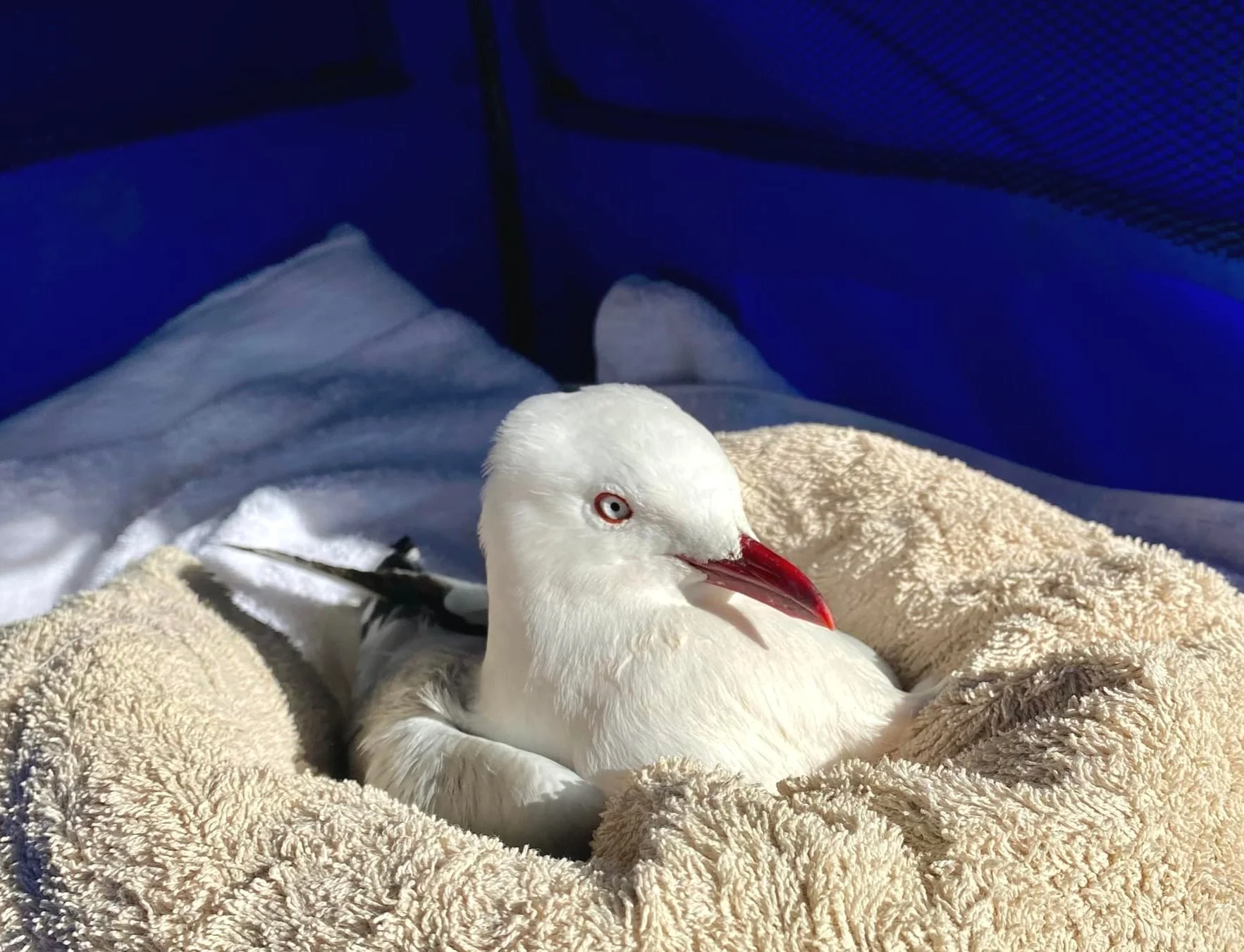









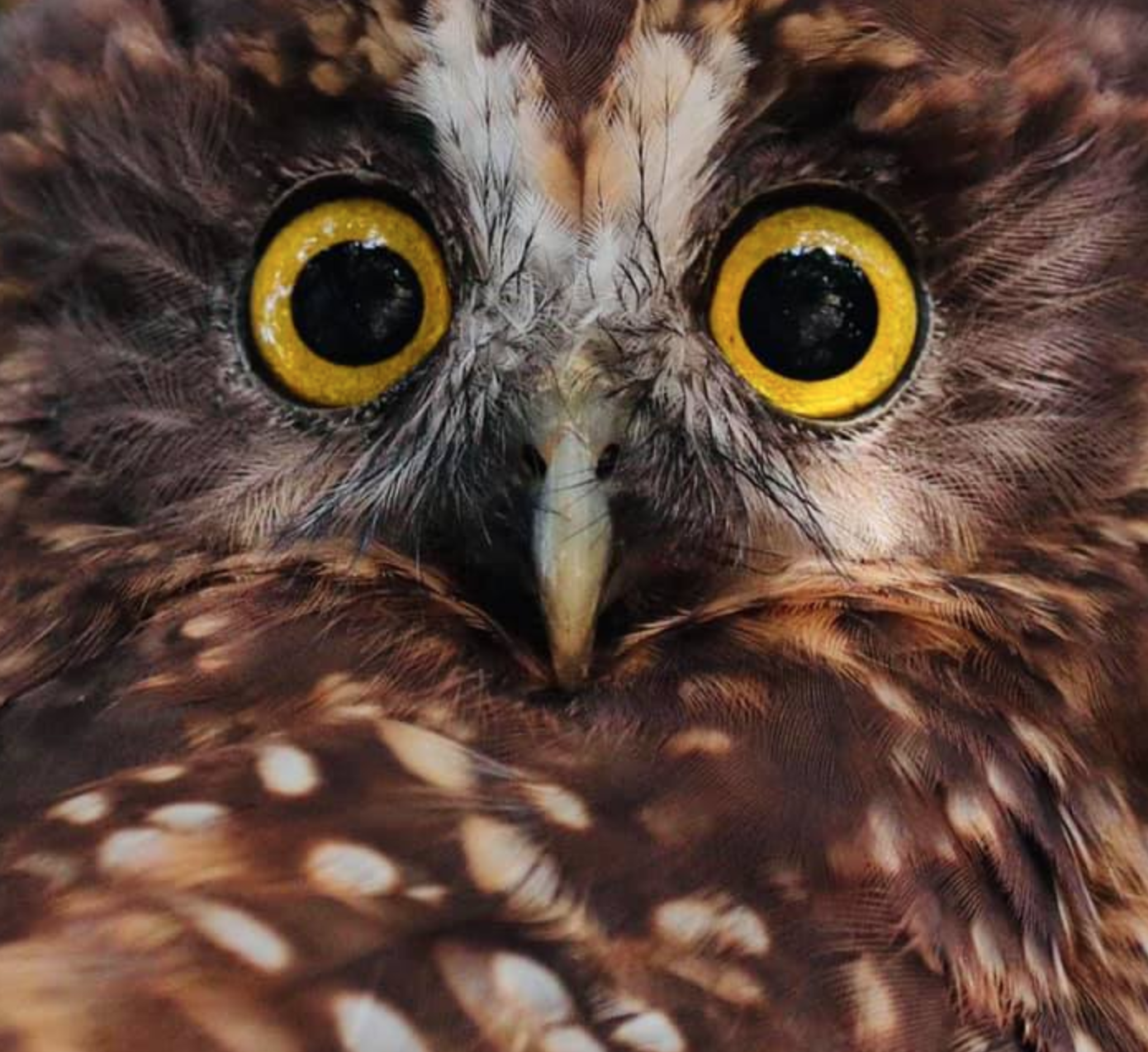
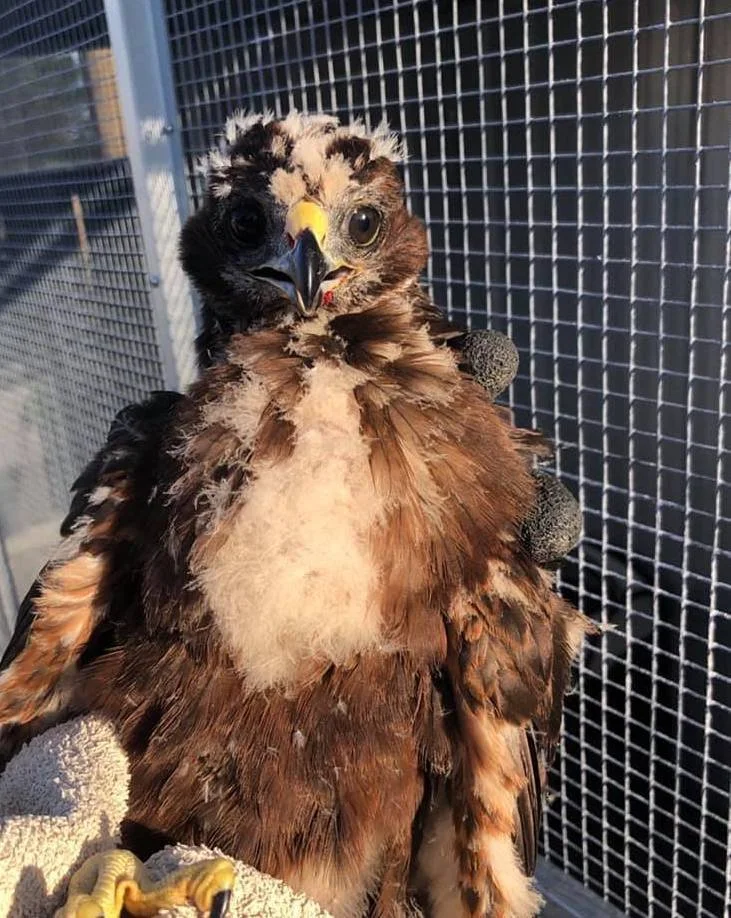

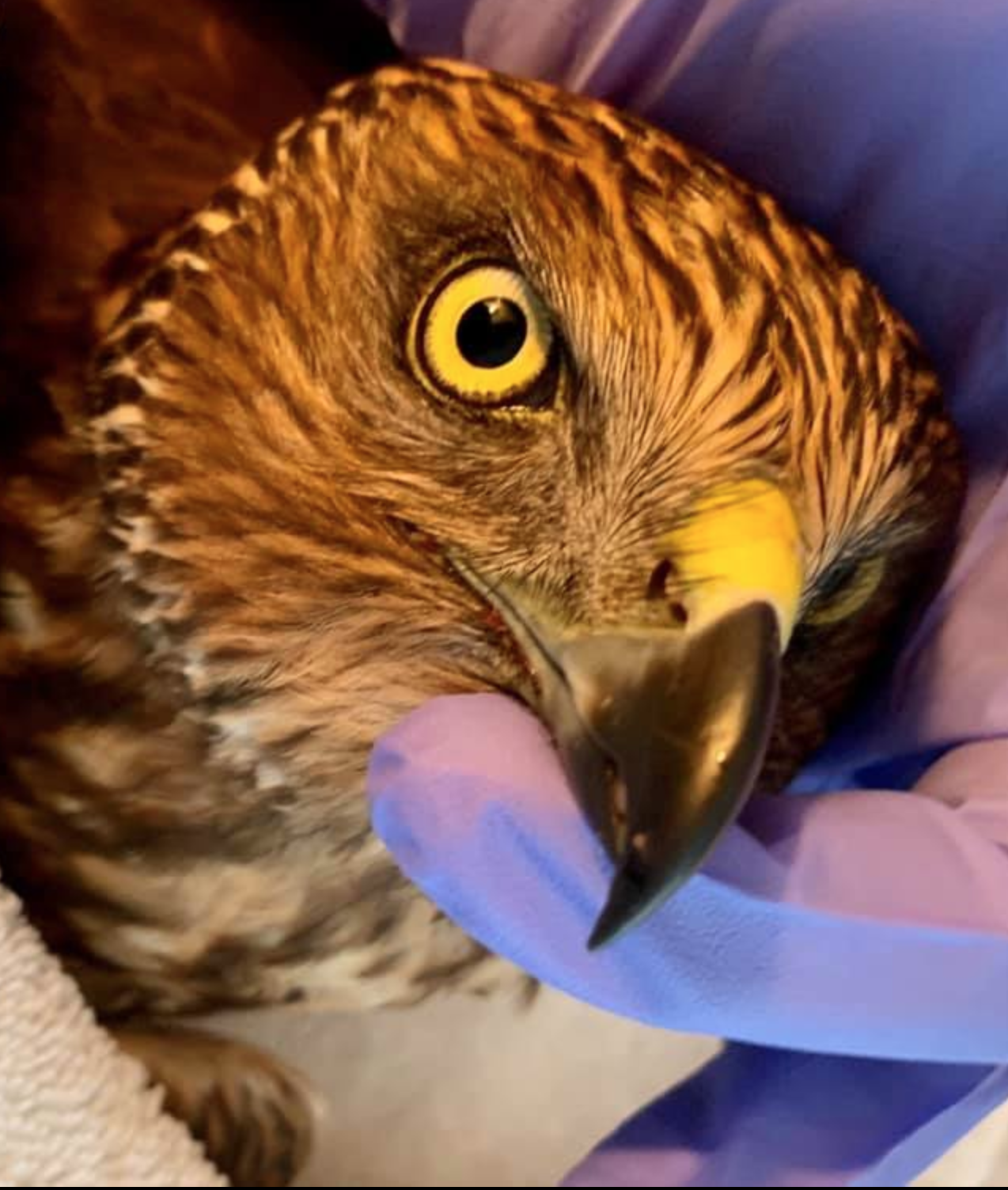
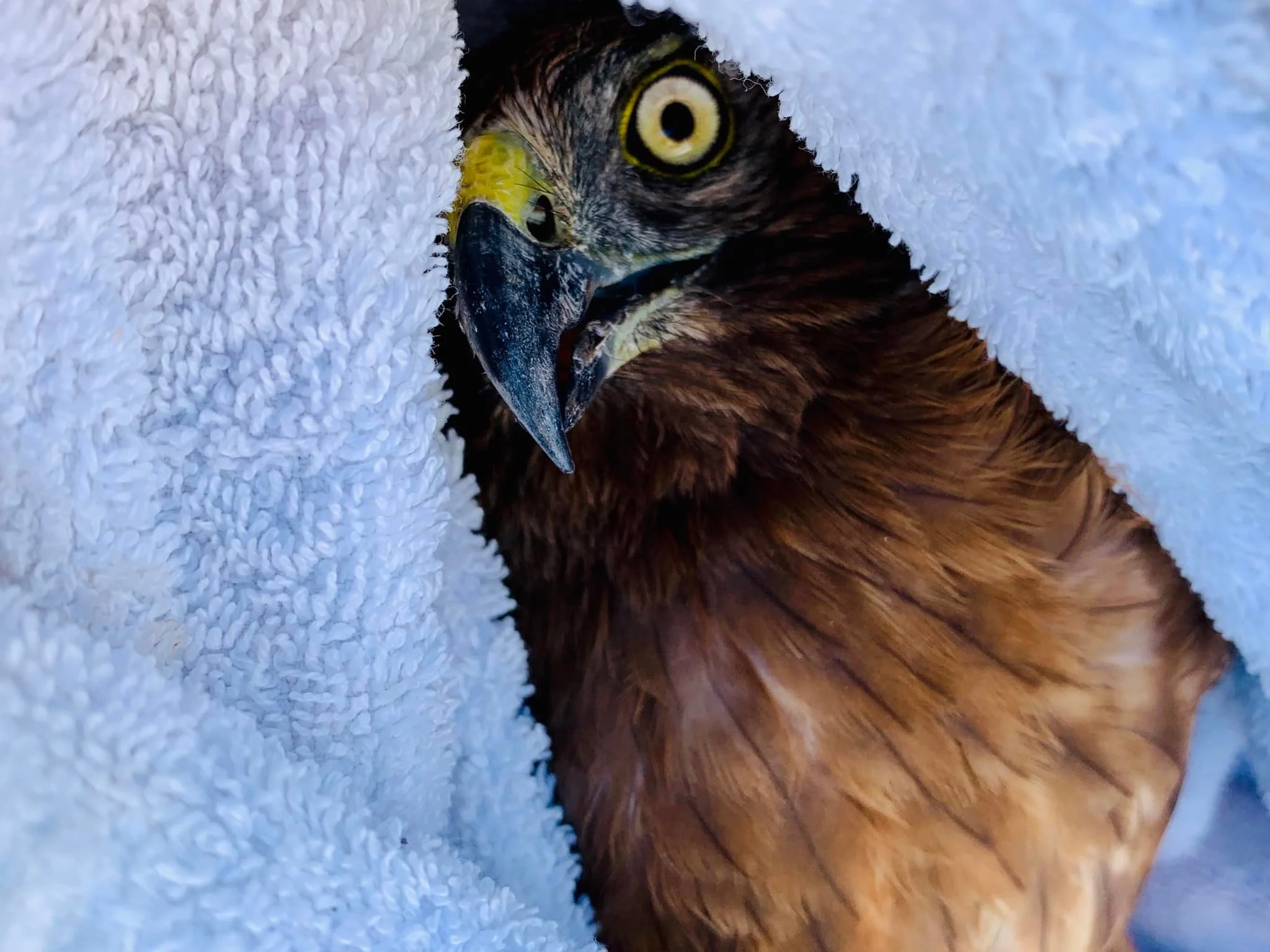


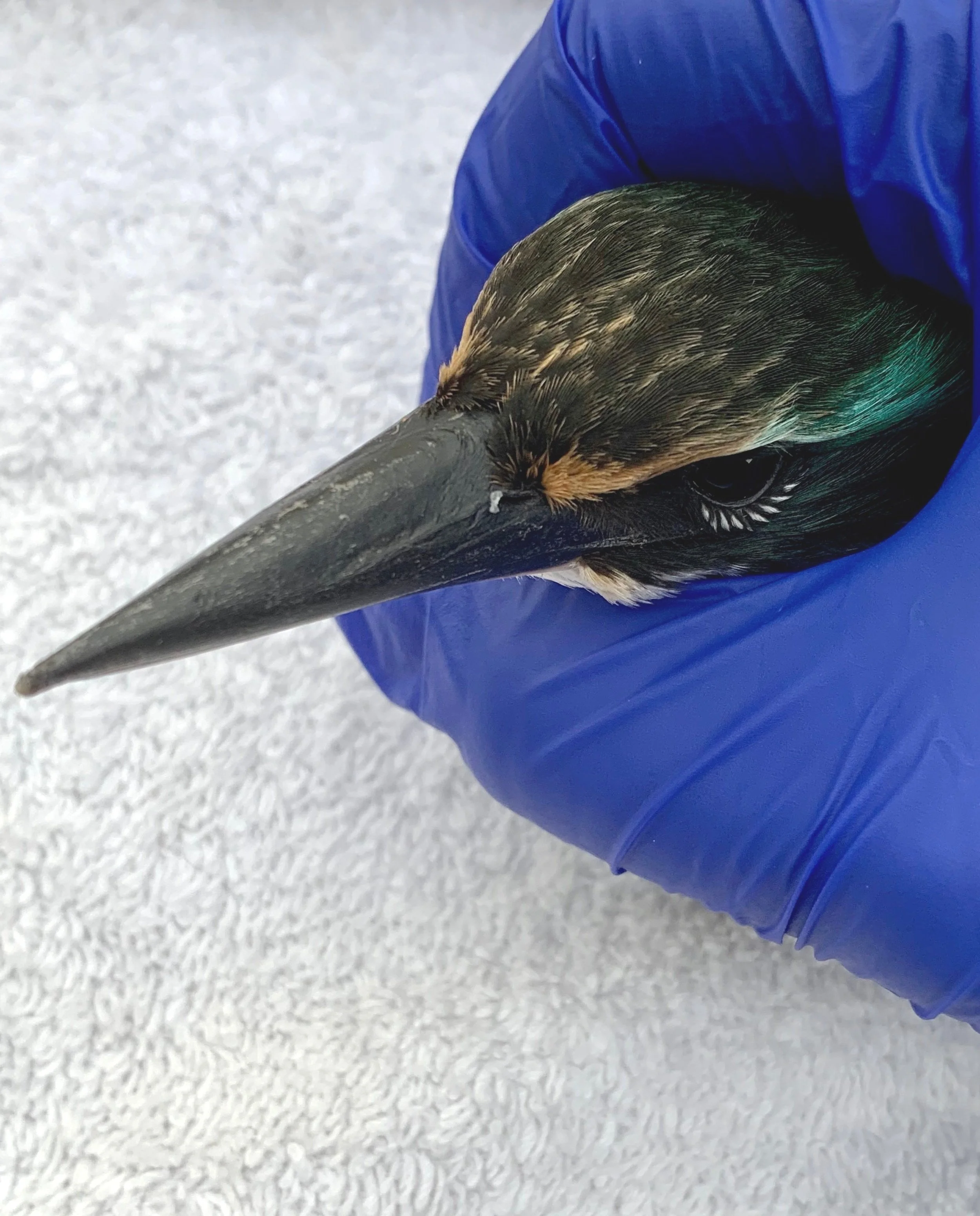
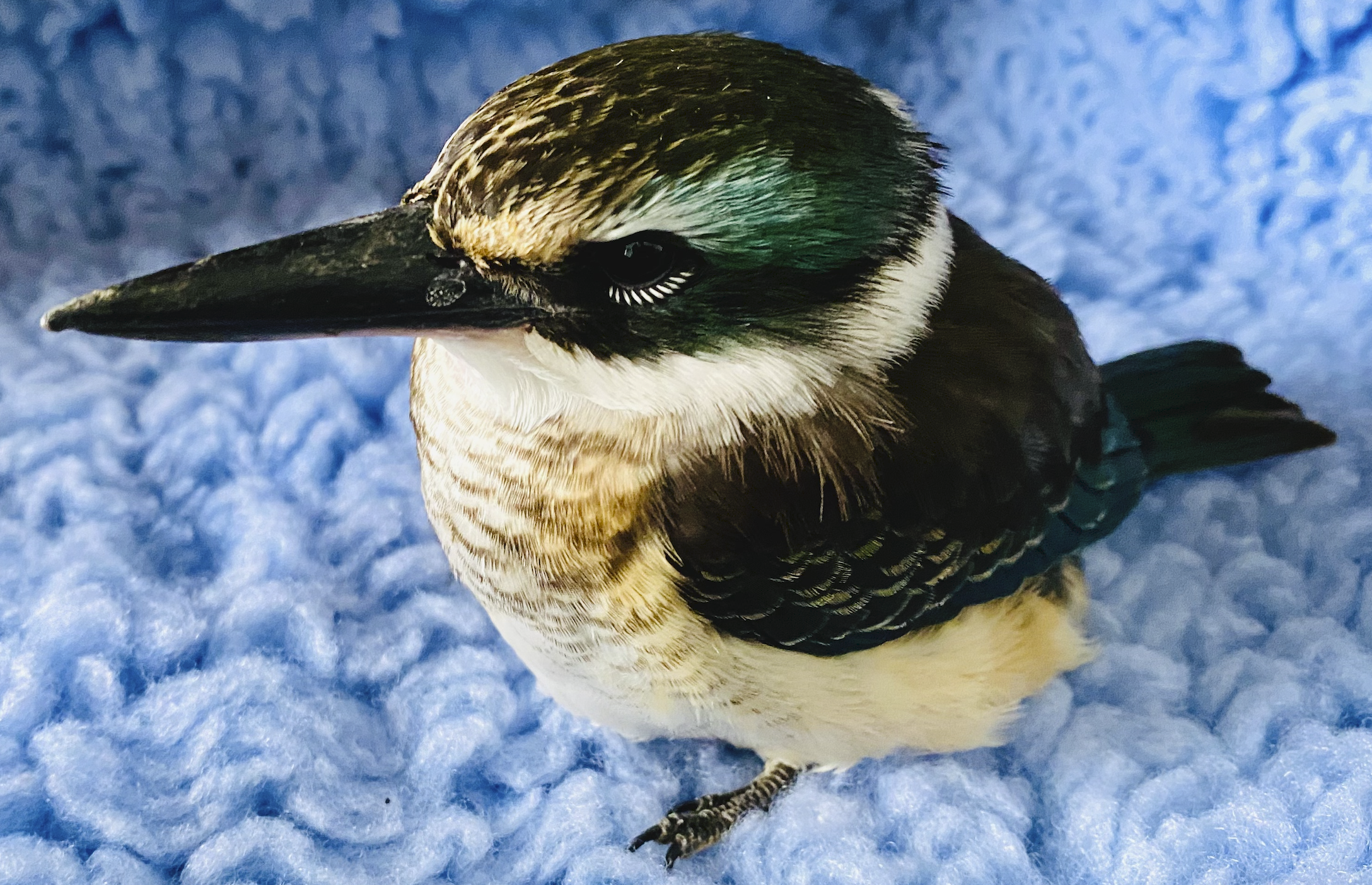


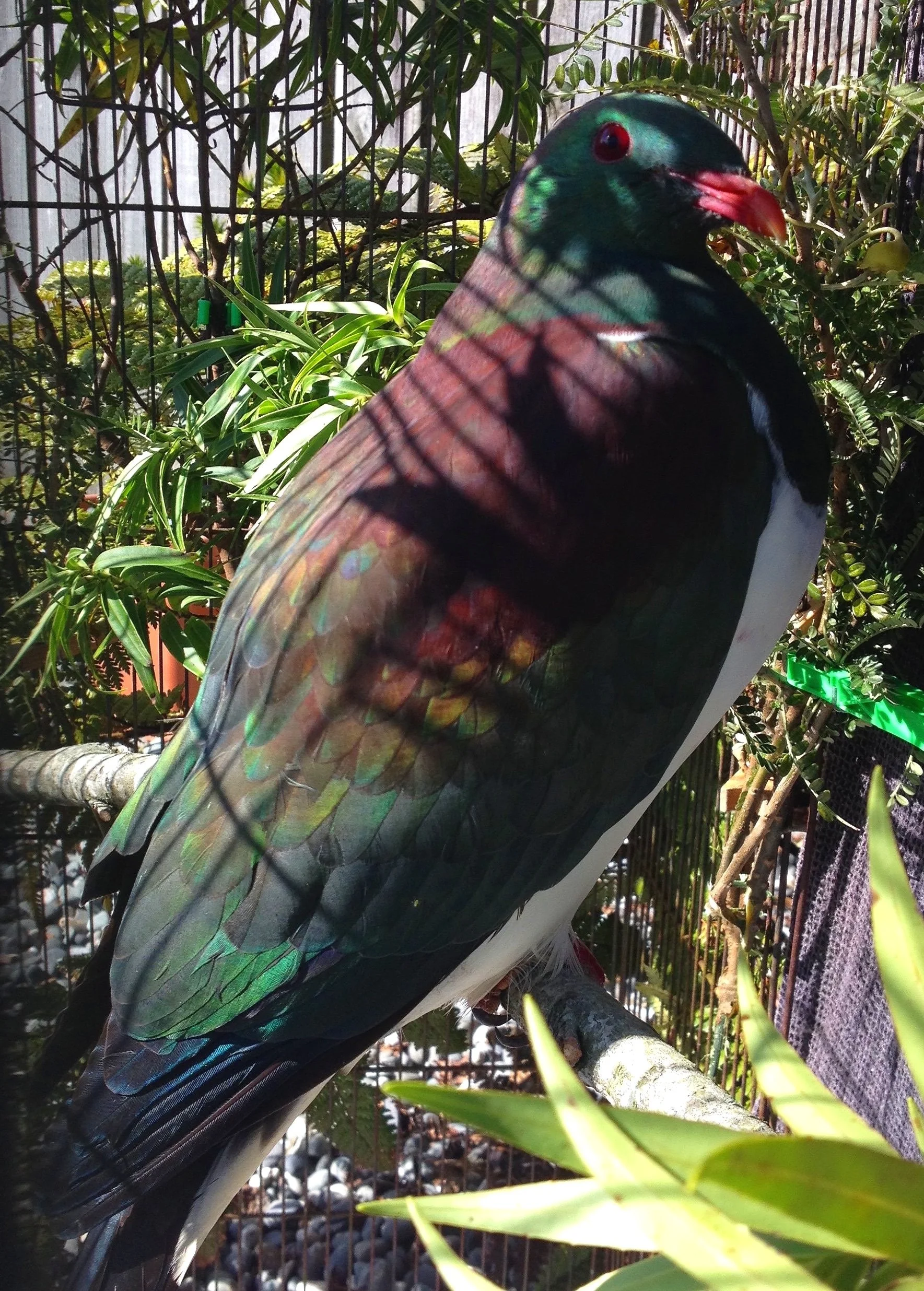

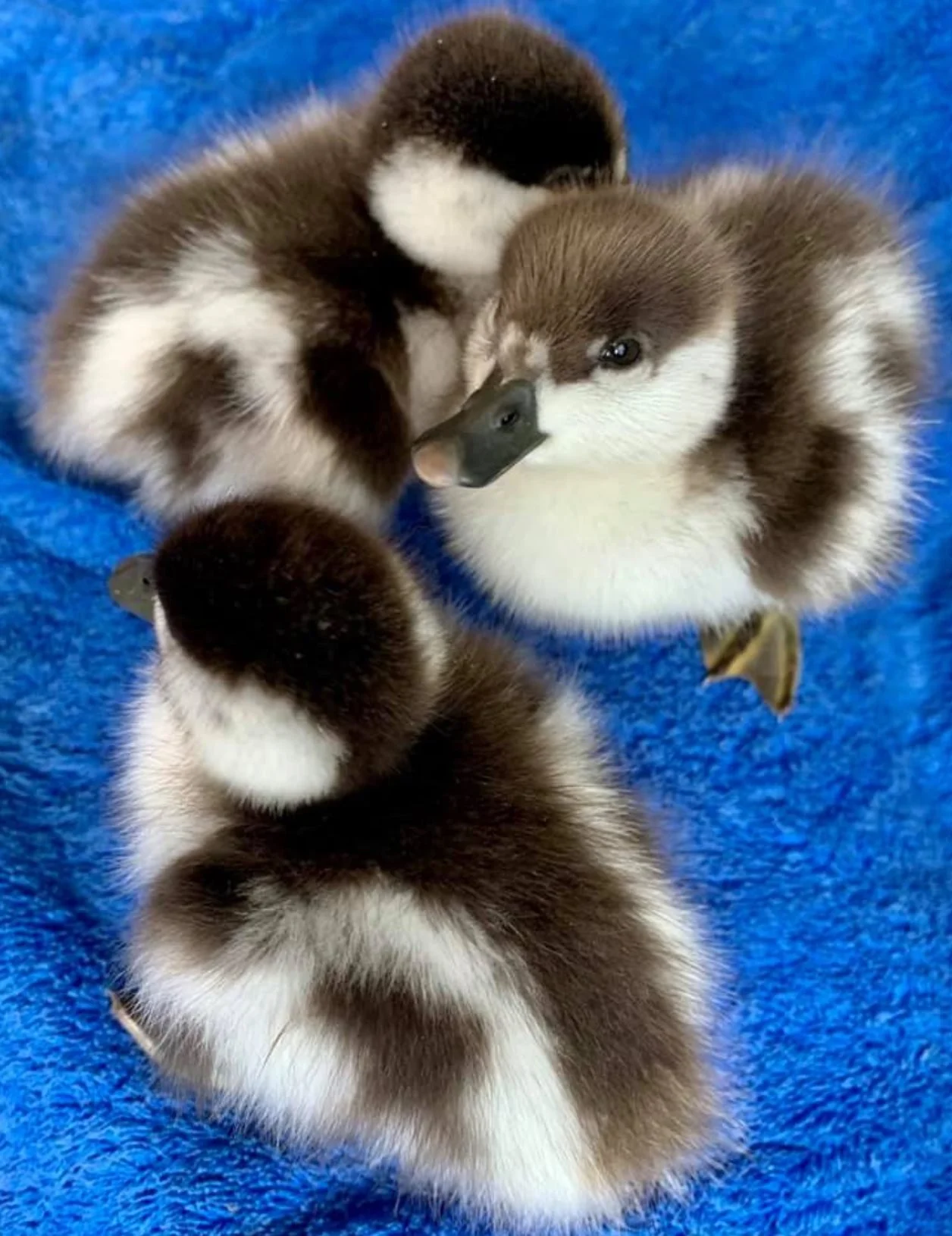




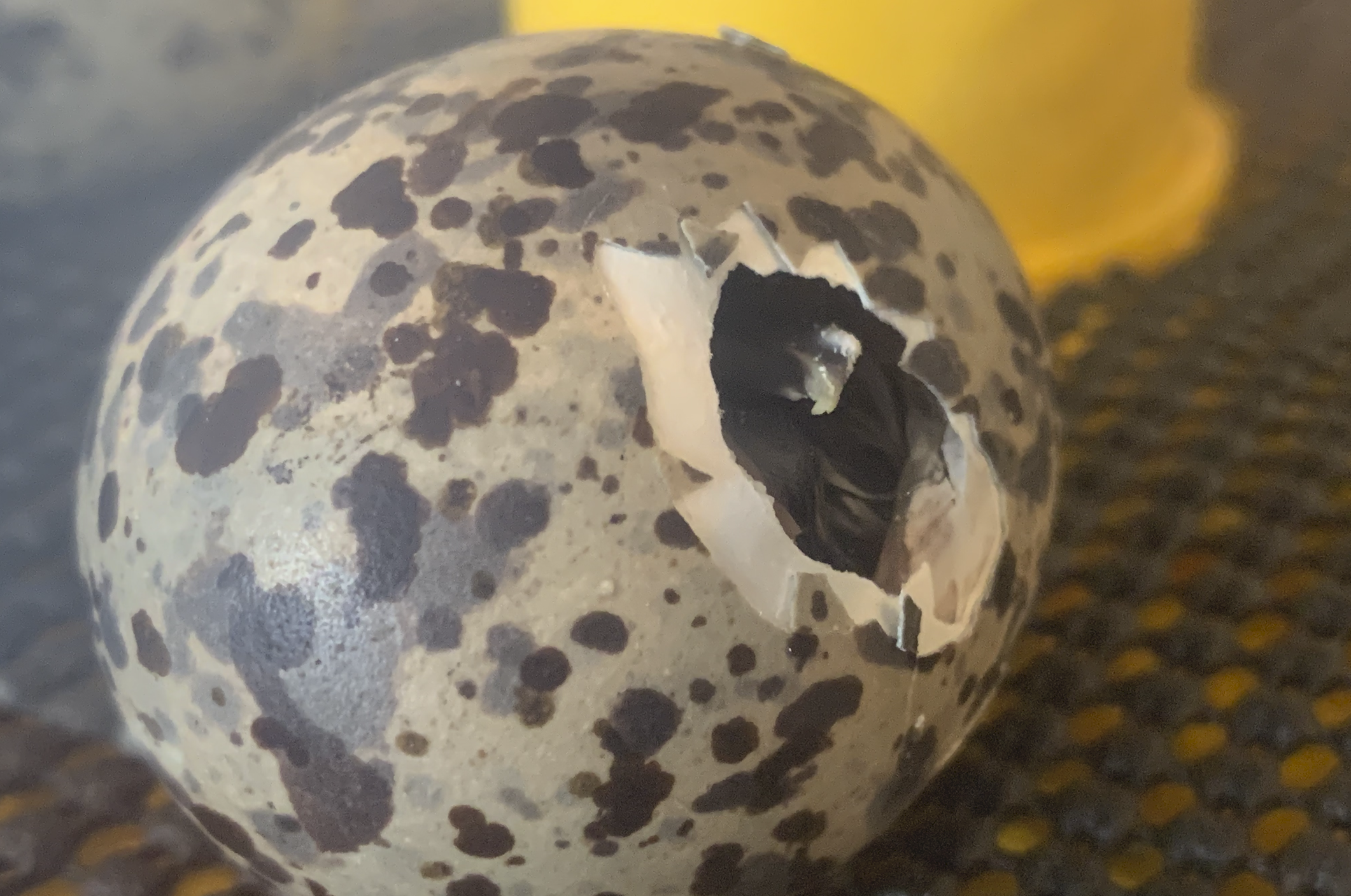
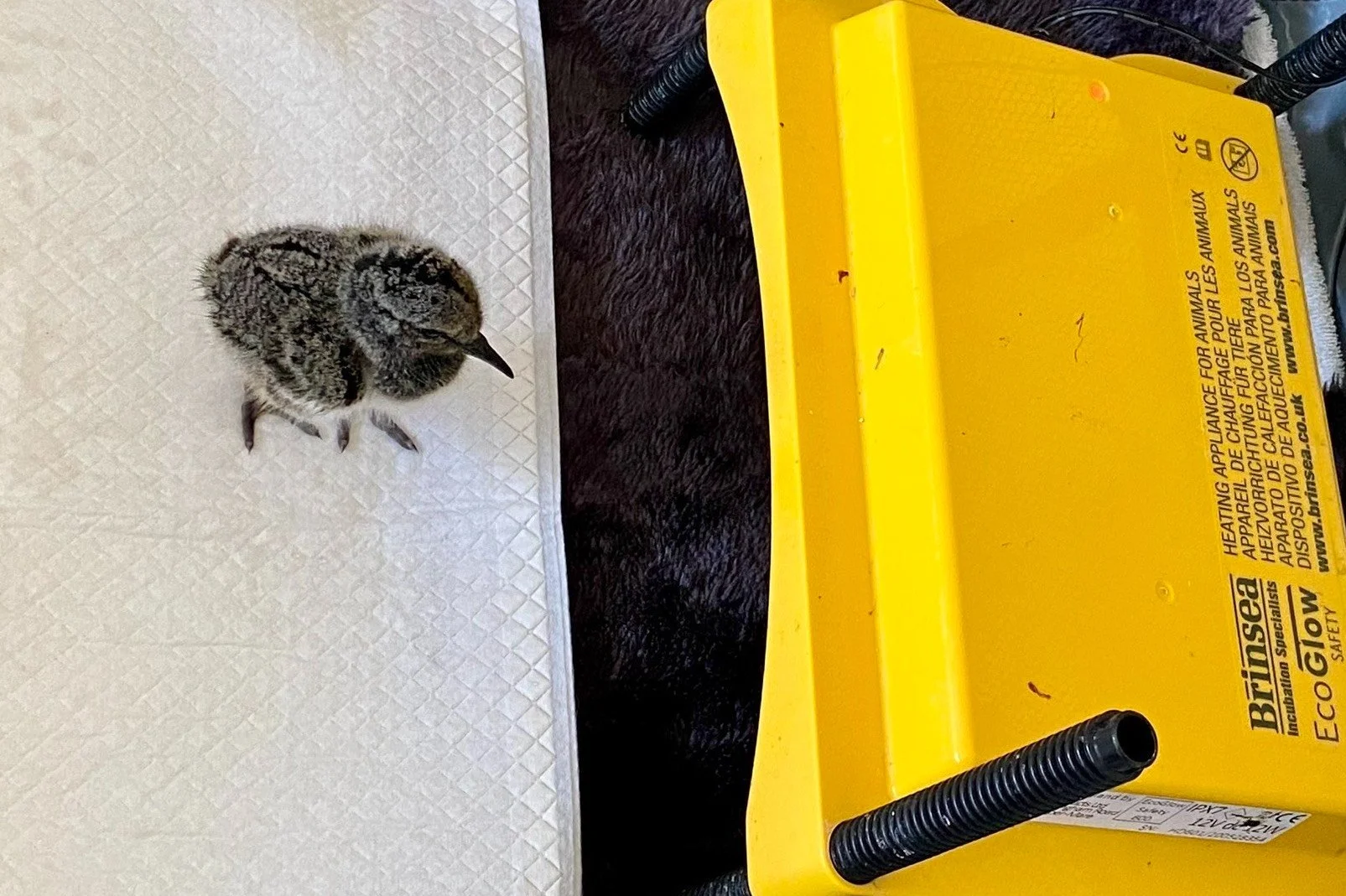
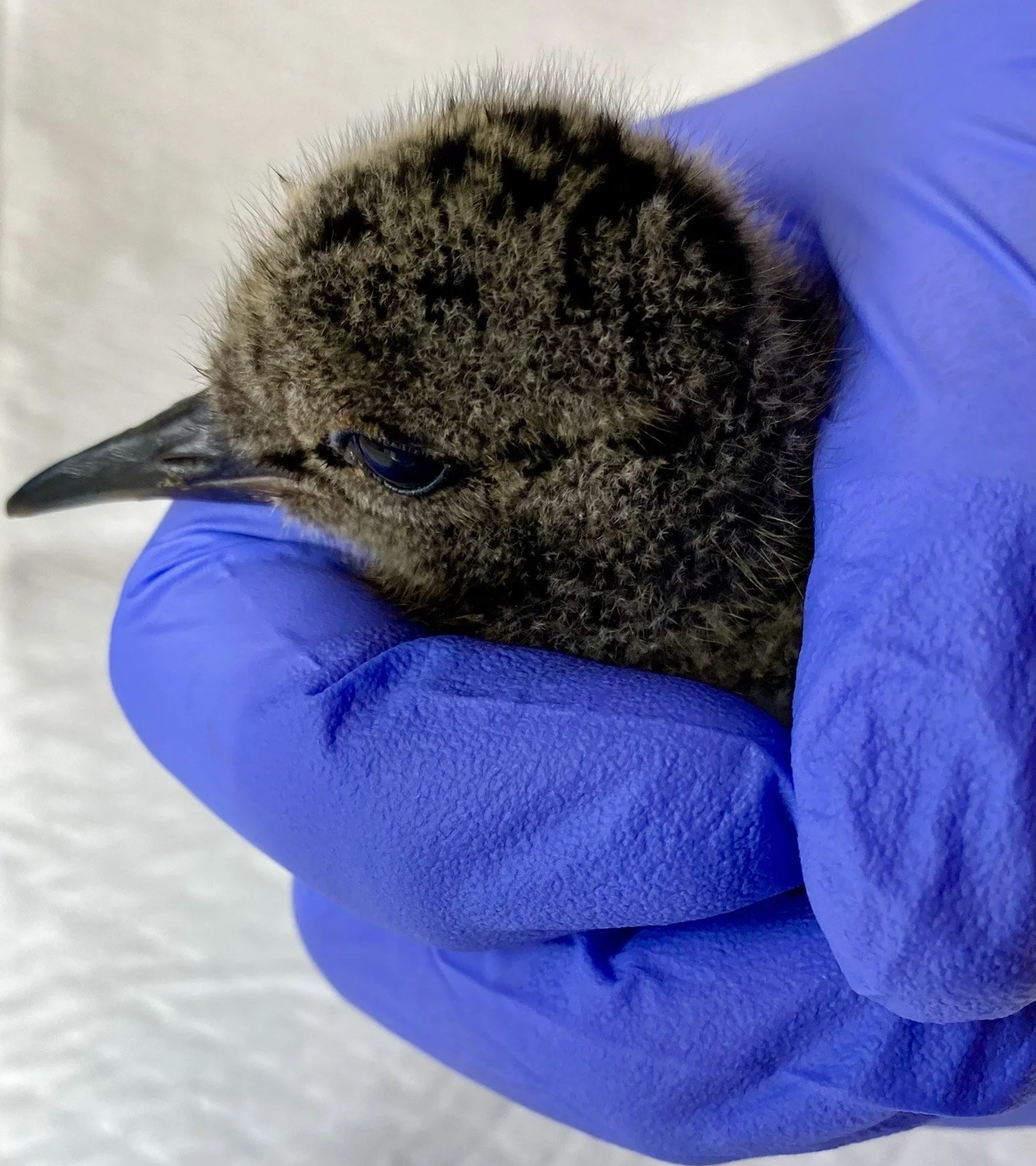
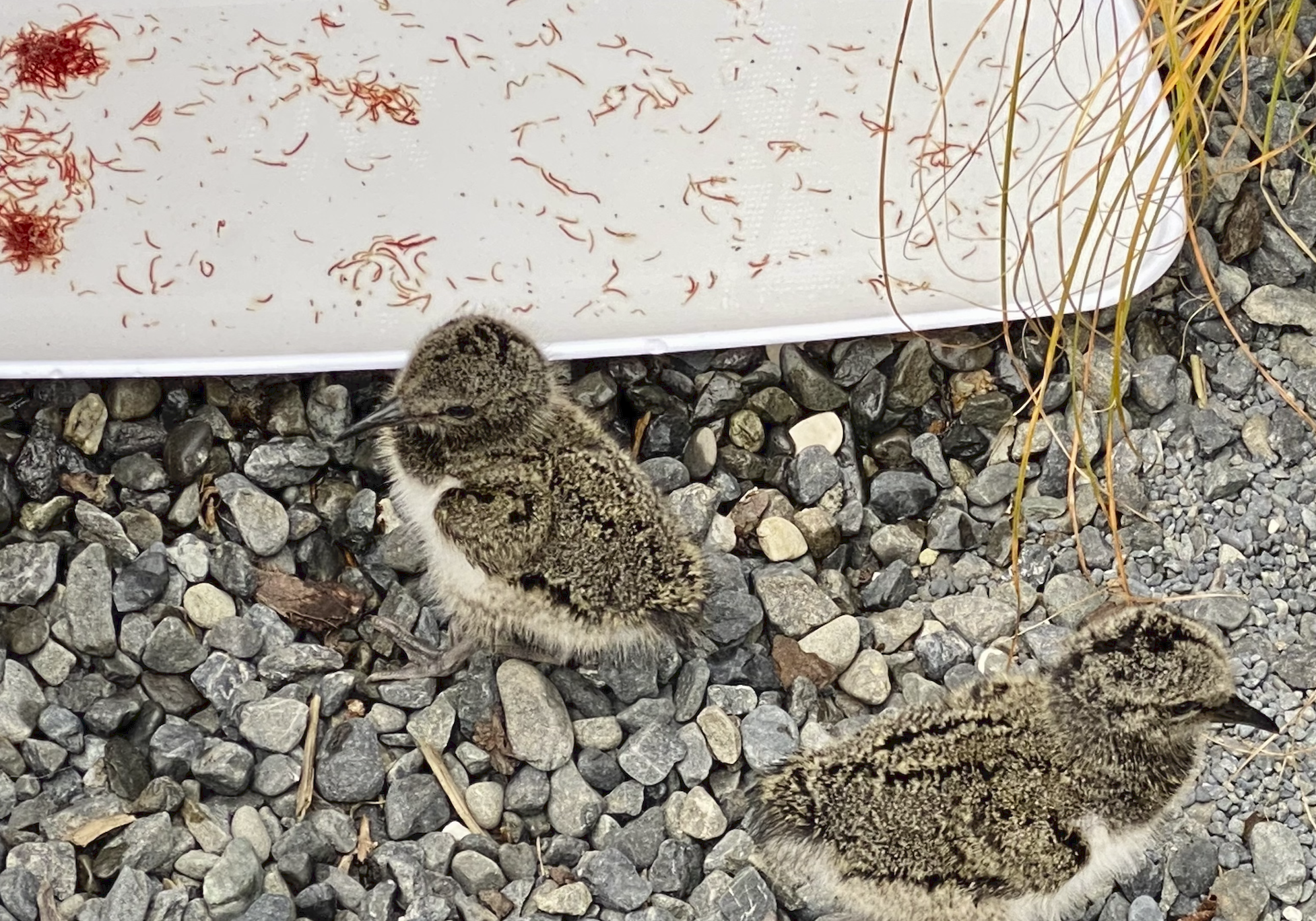


Wildlife Care
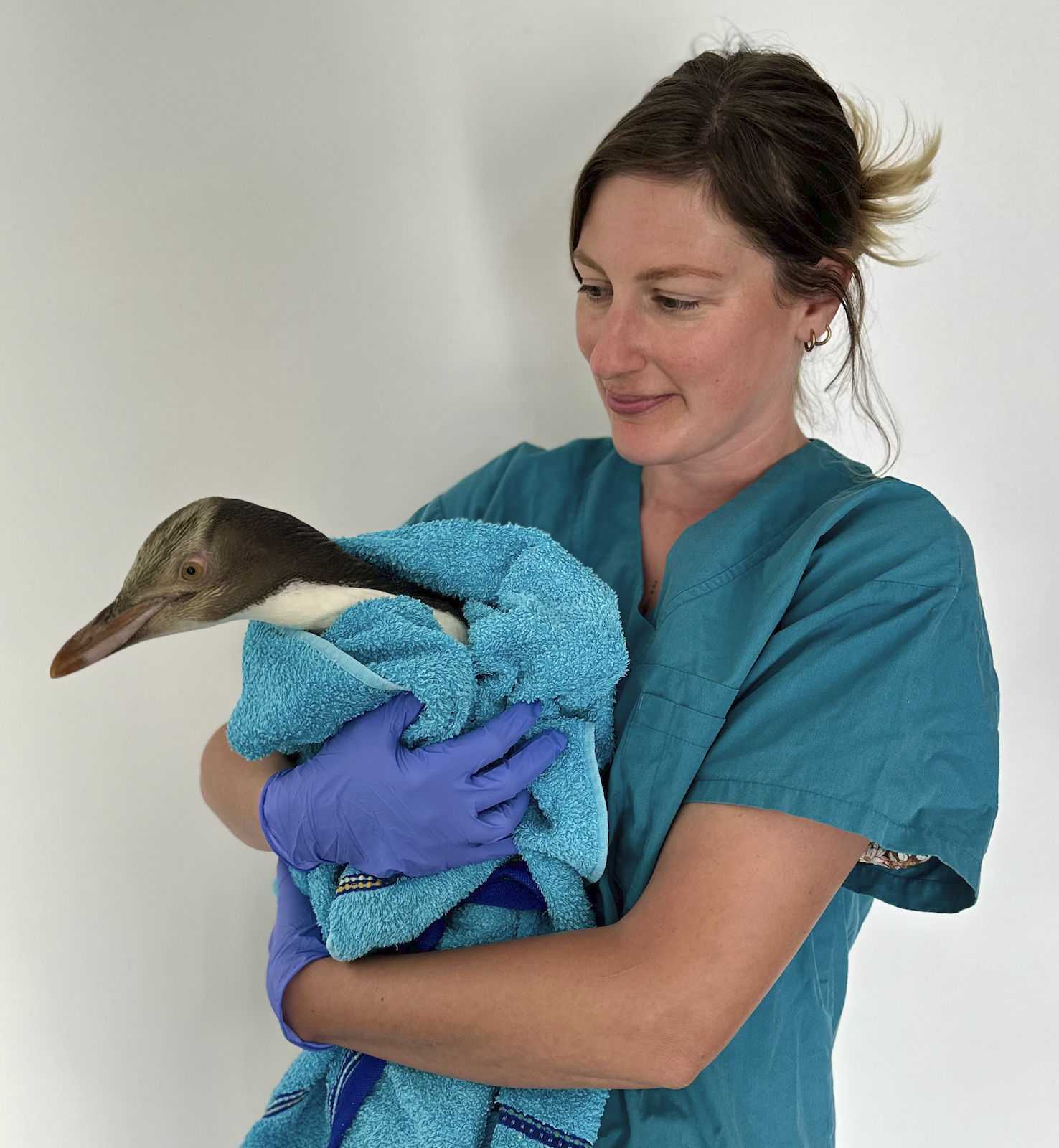
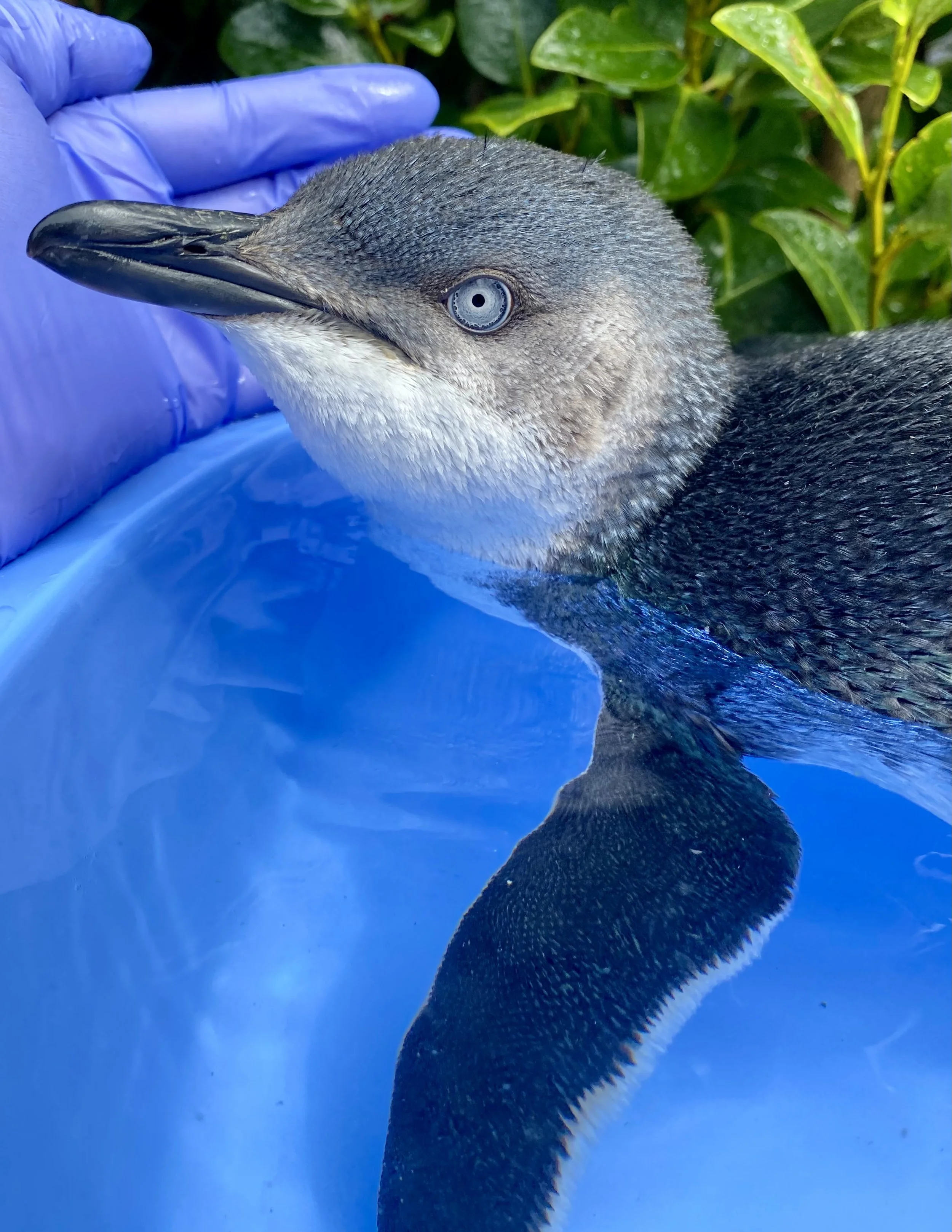
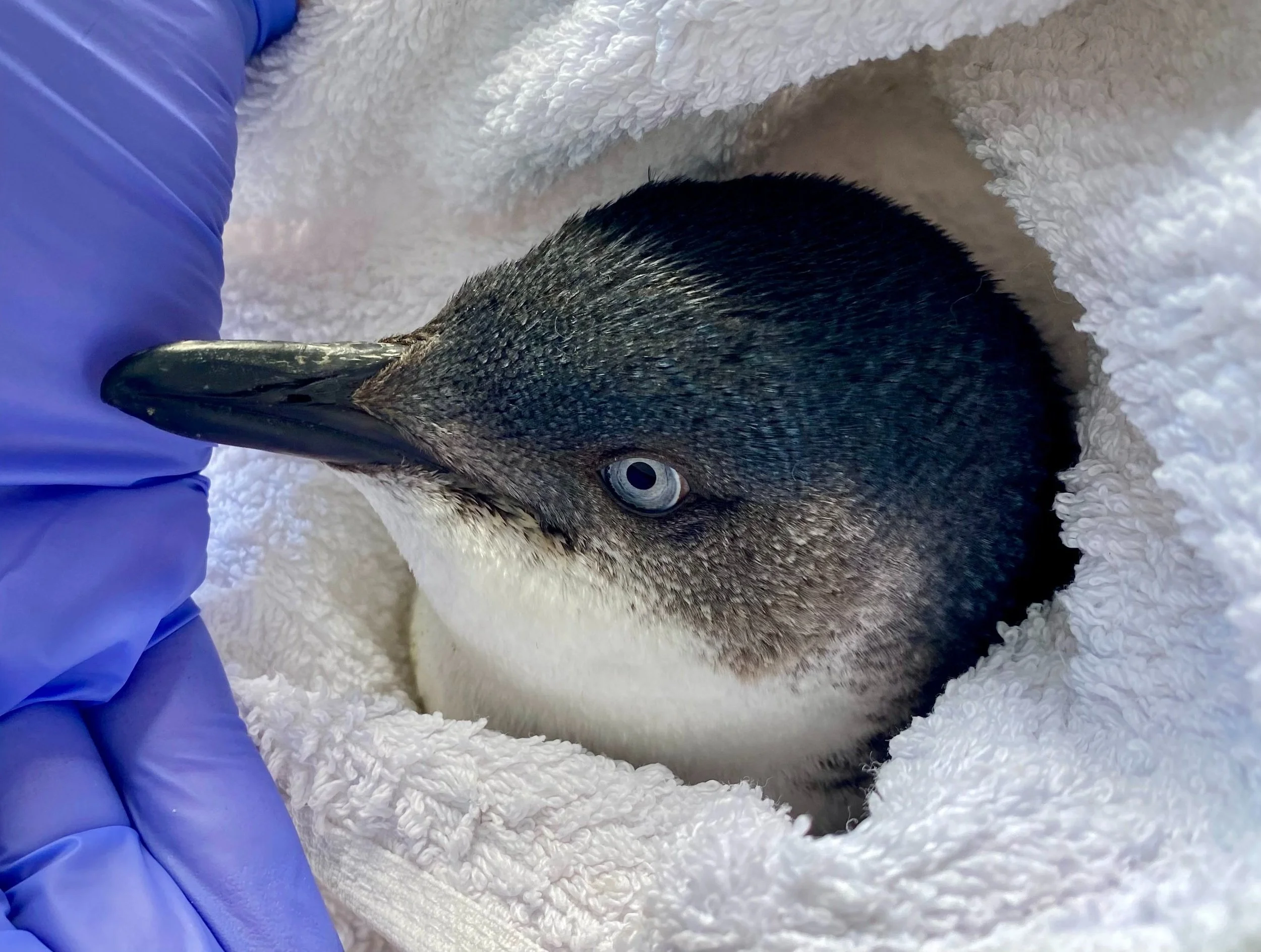
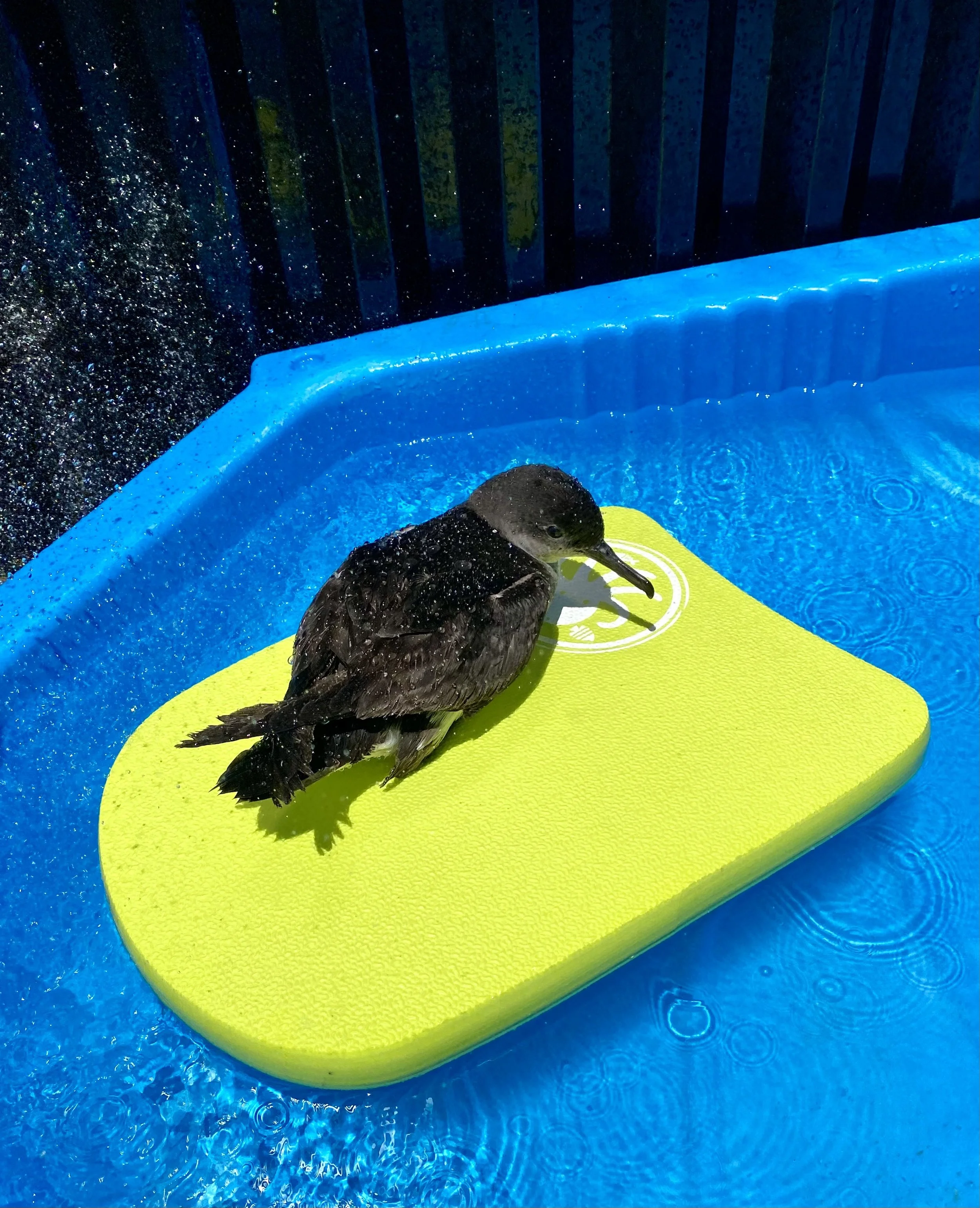
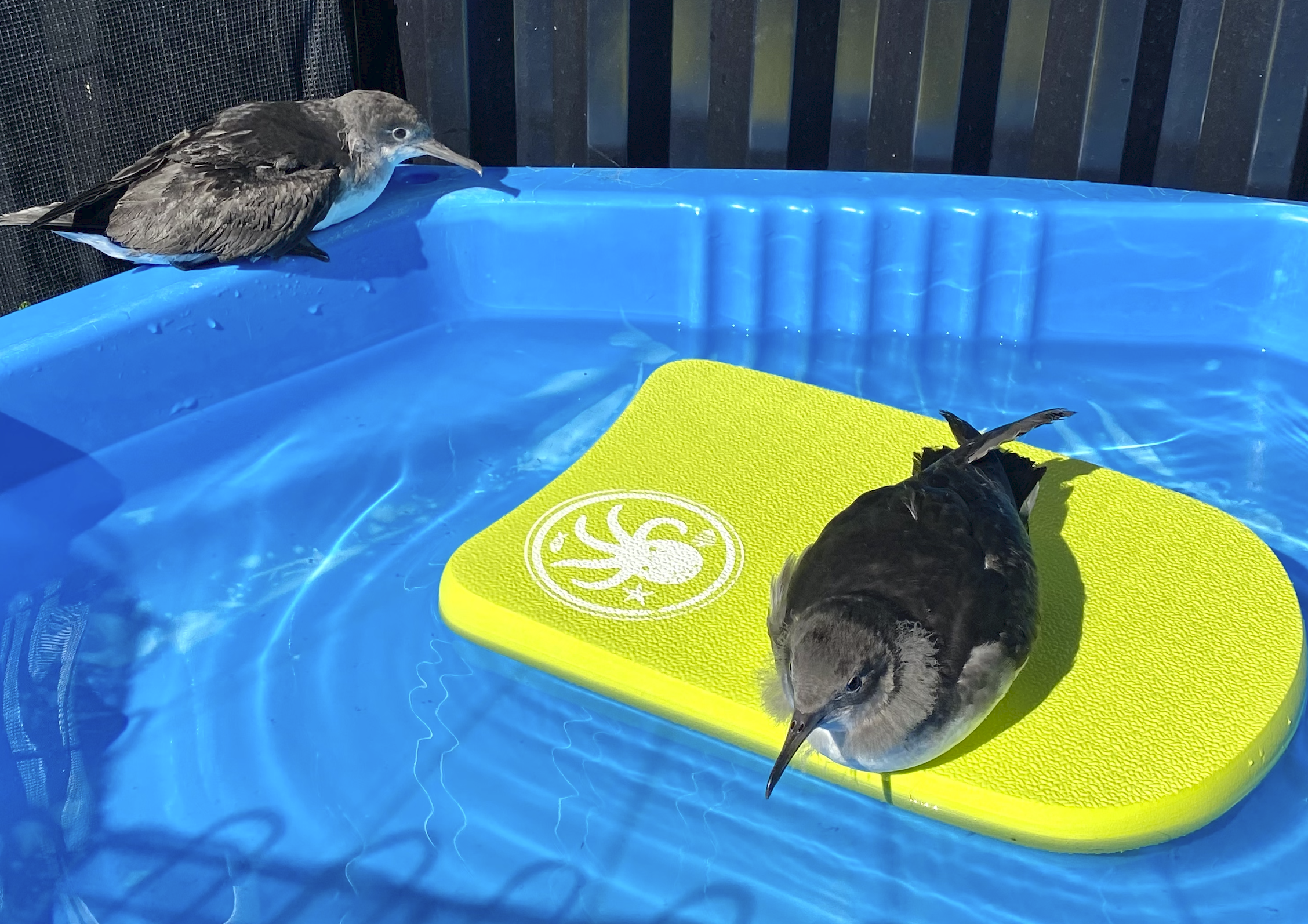
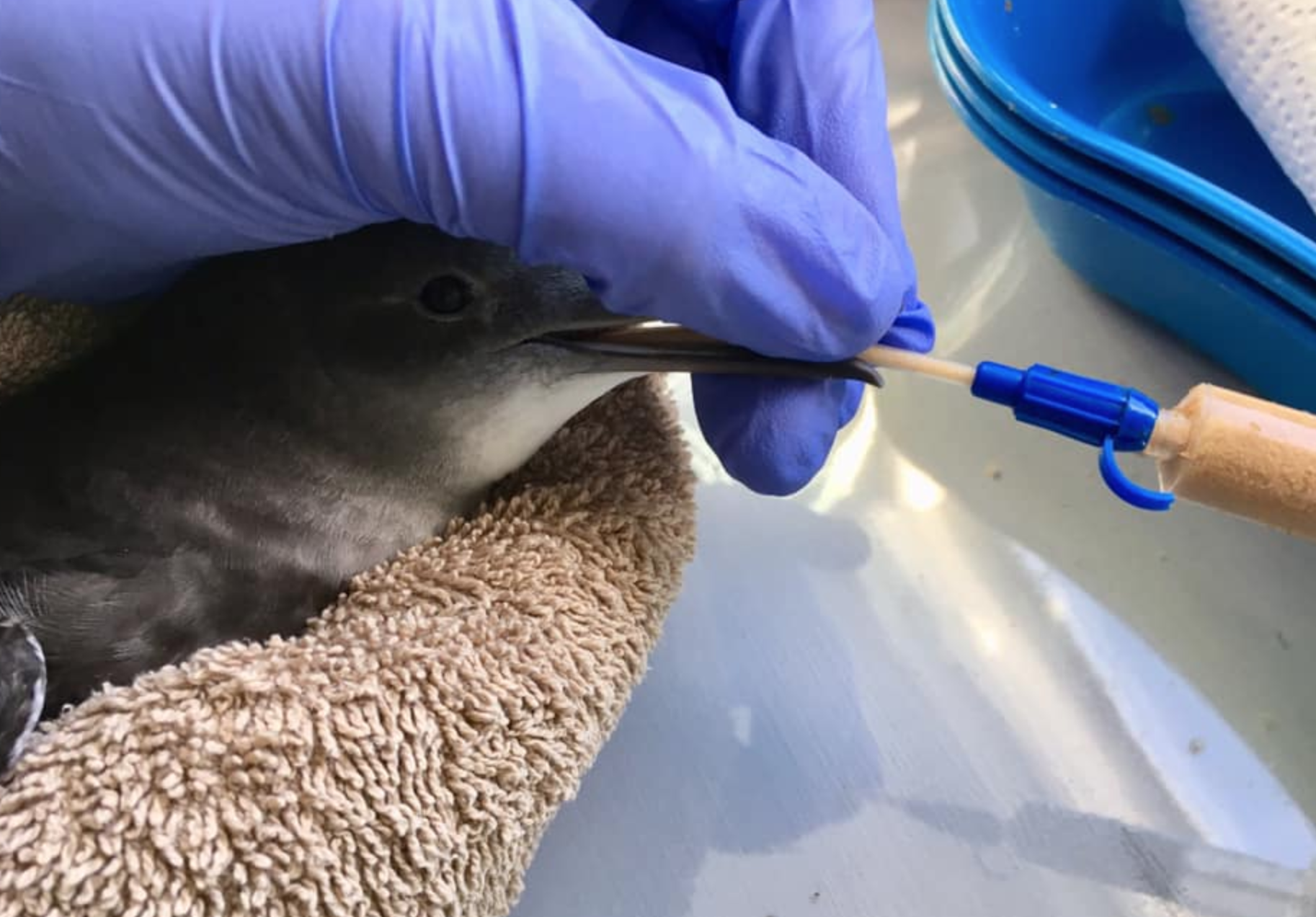
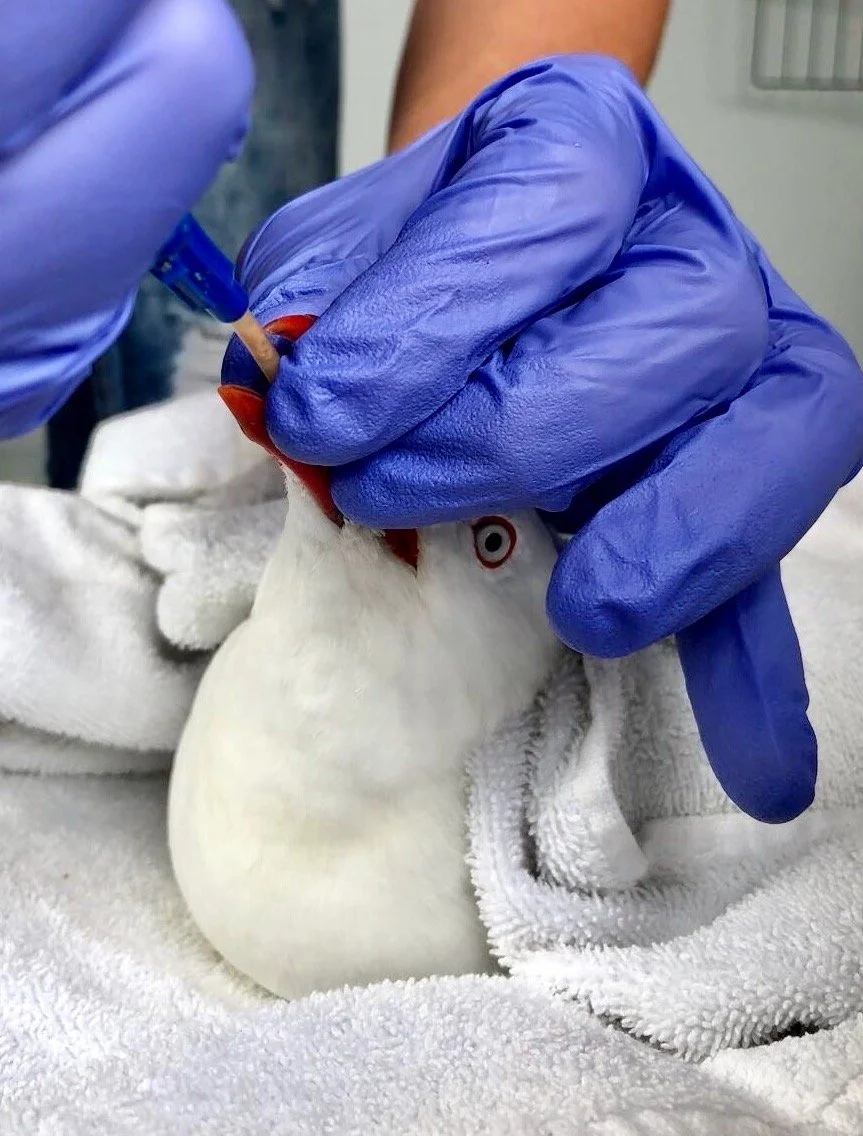
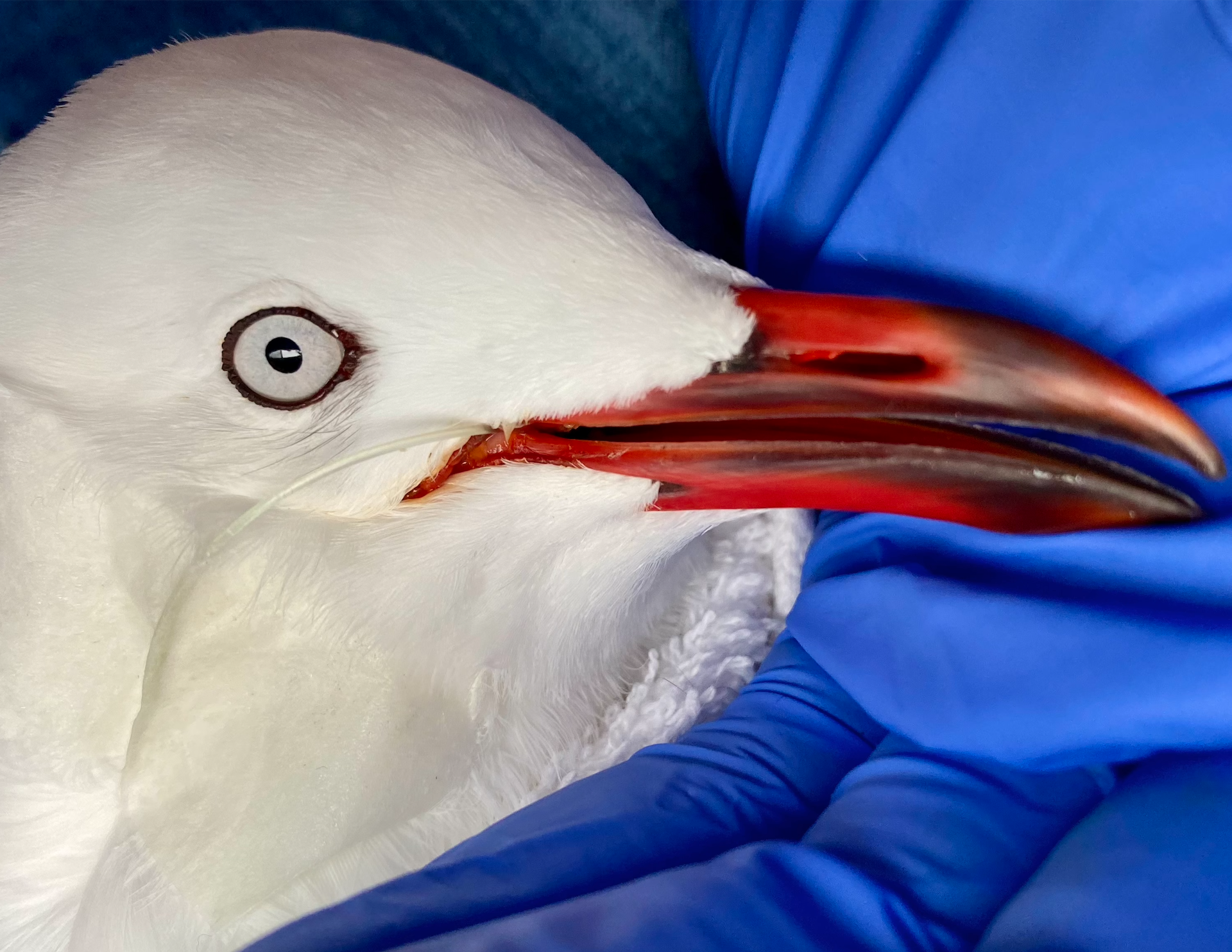
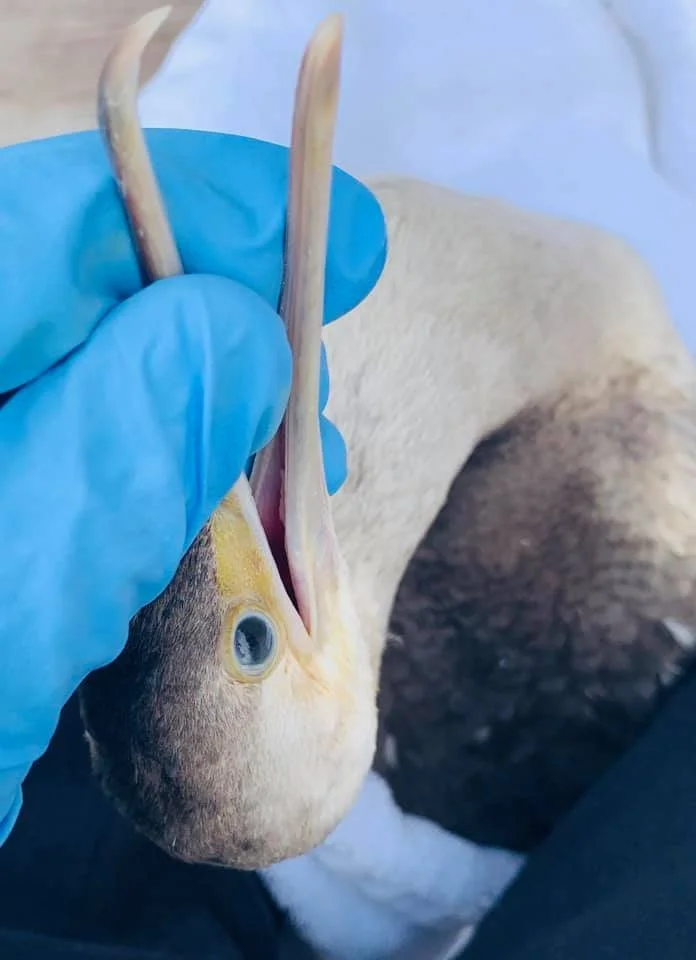
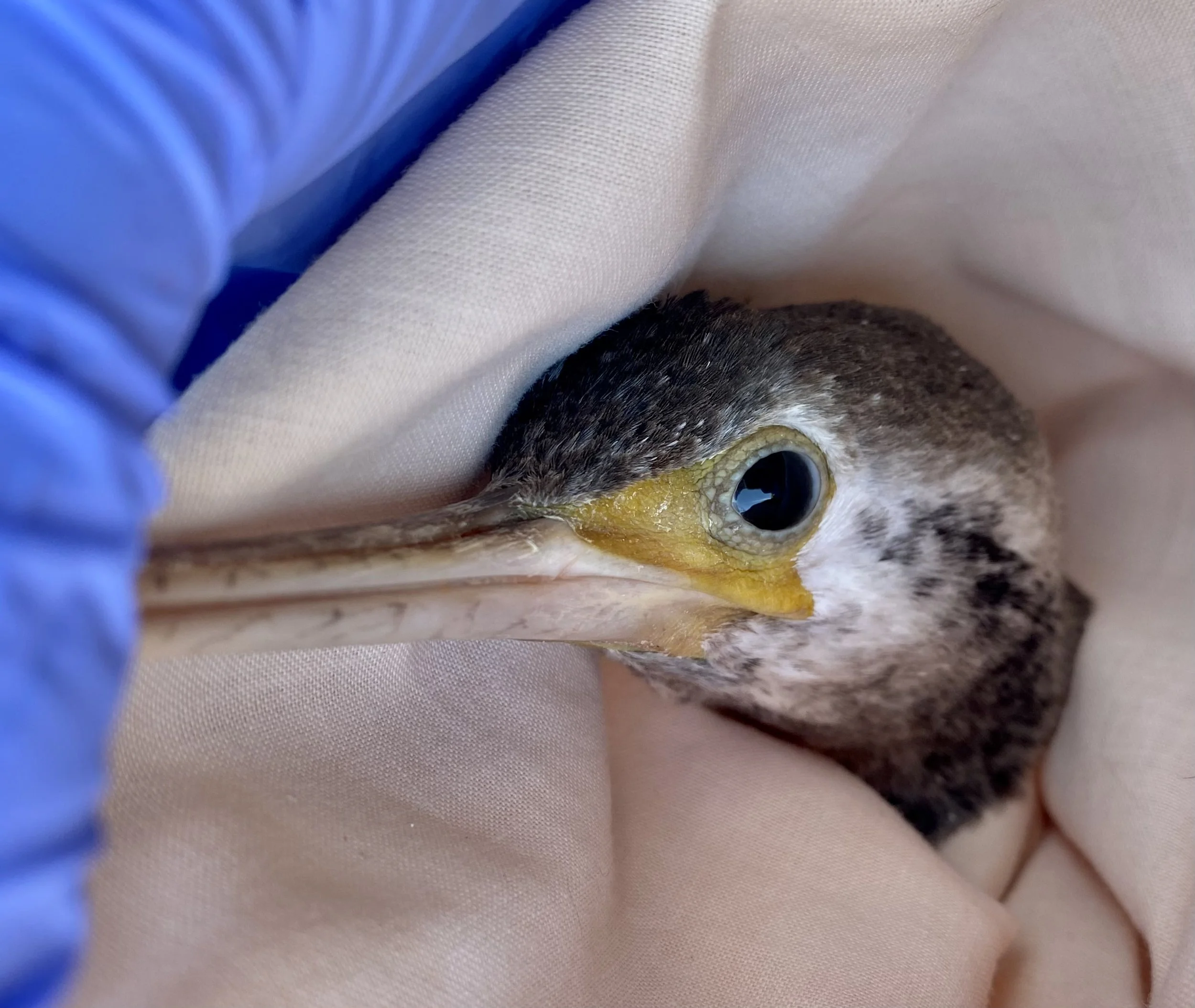
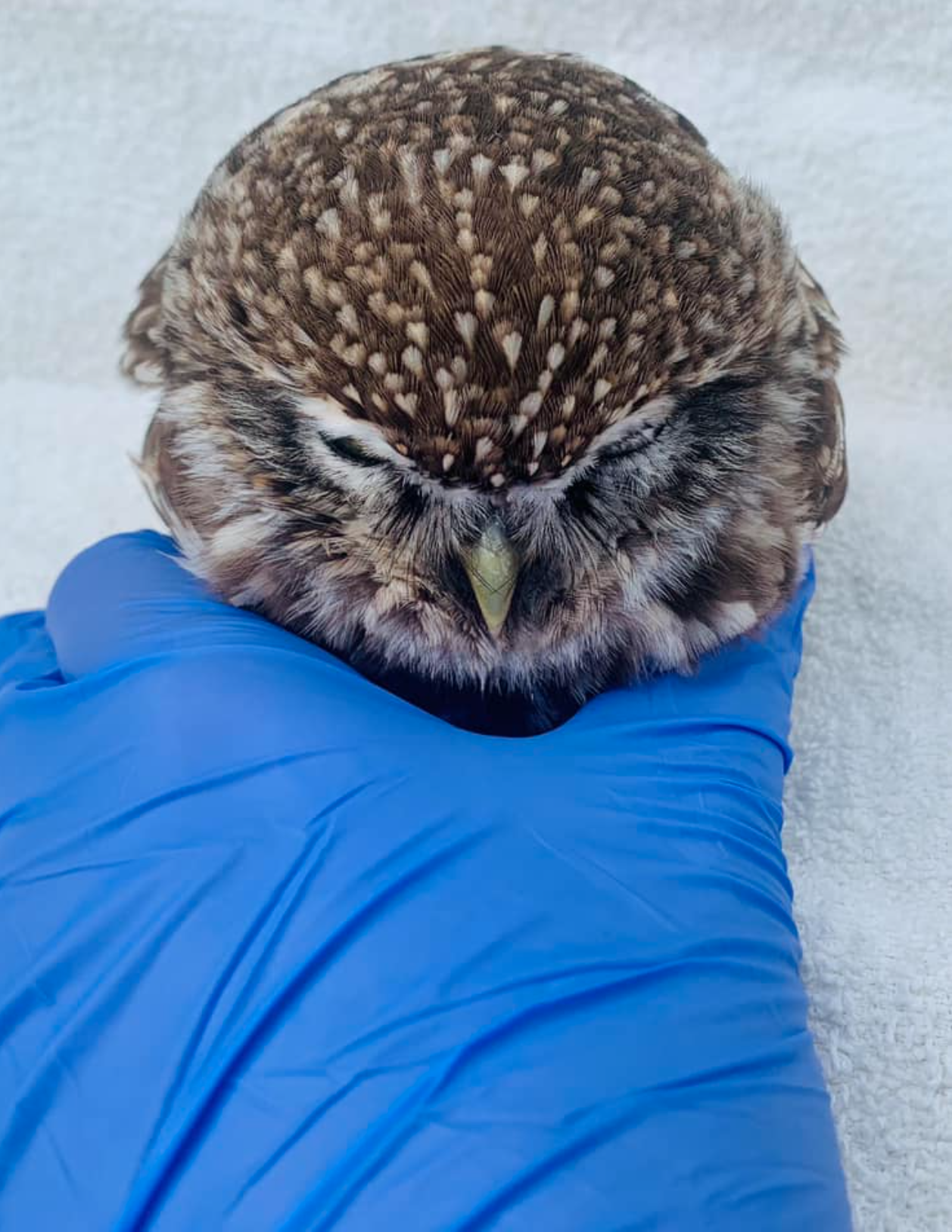
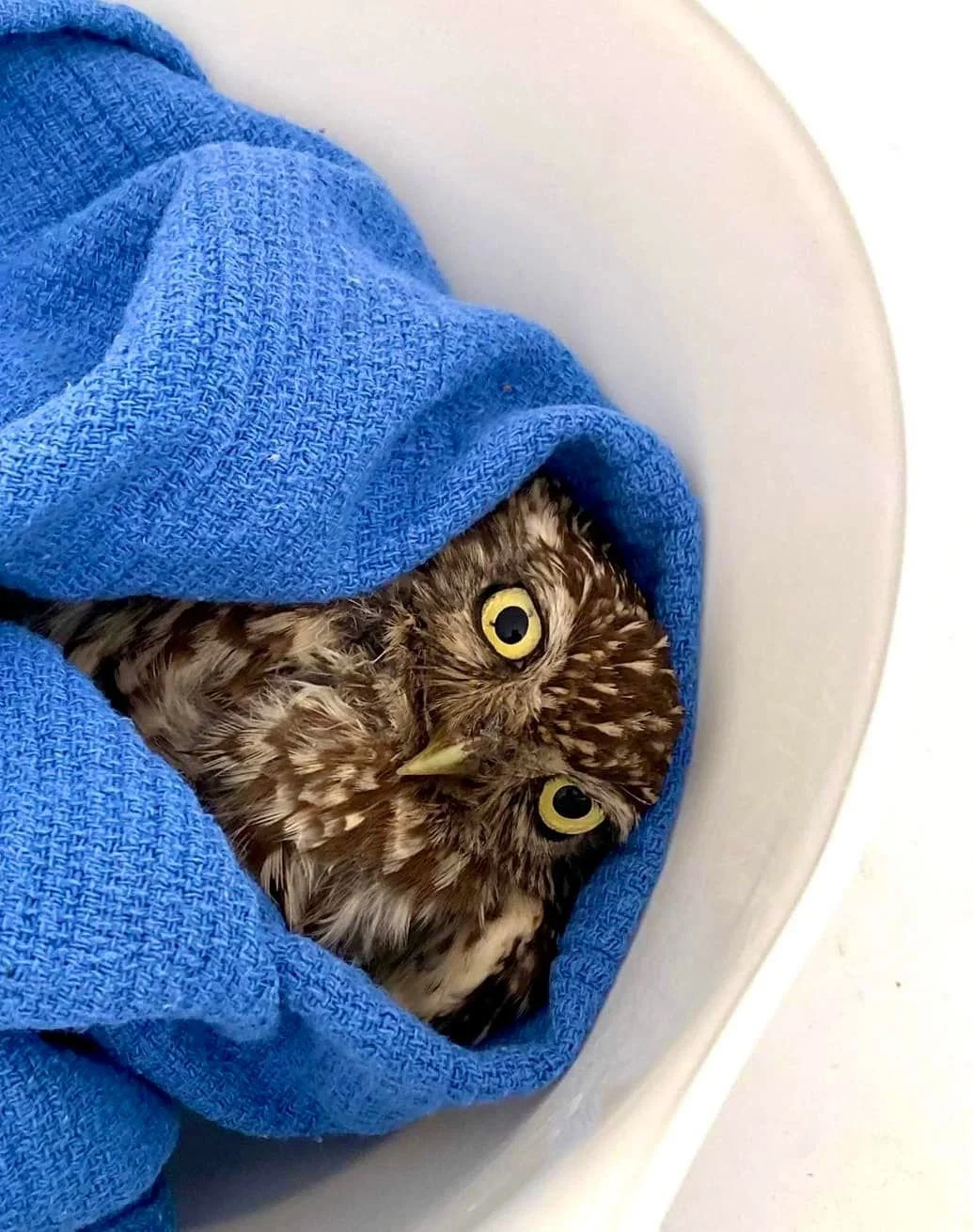
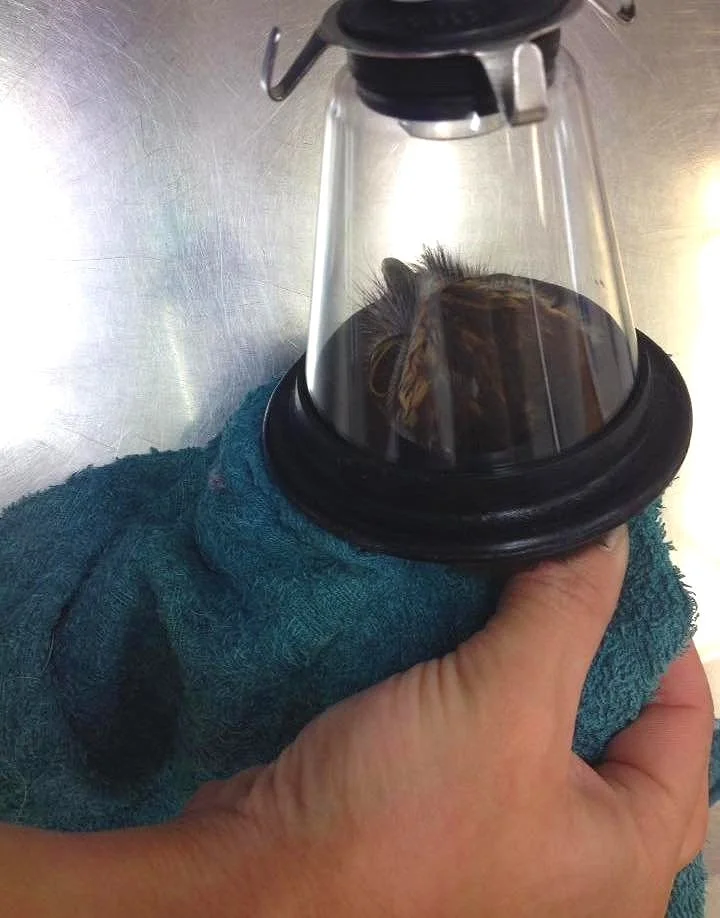
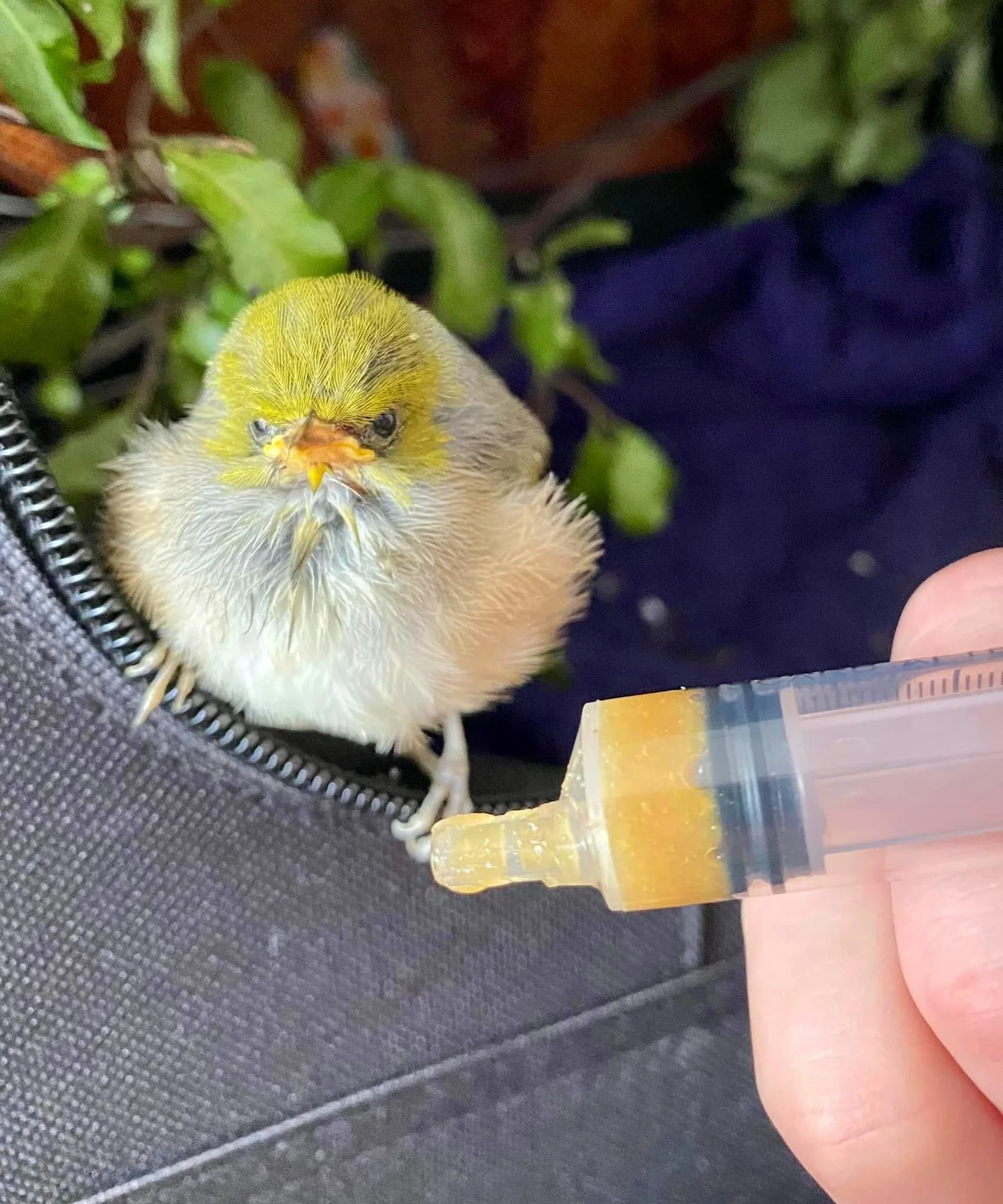
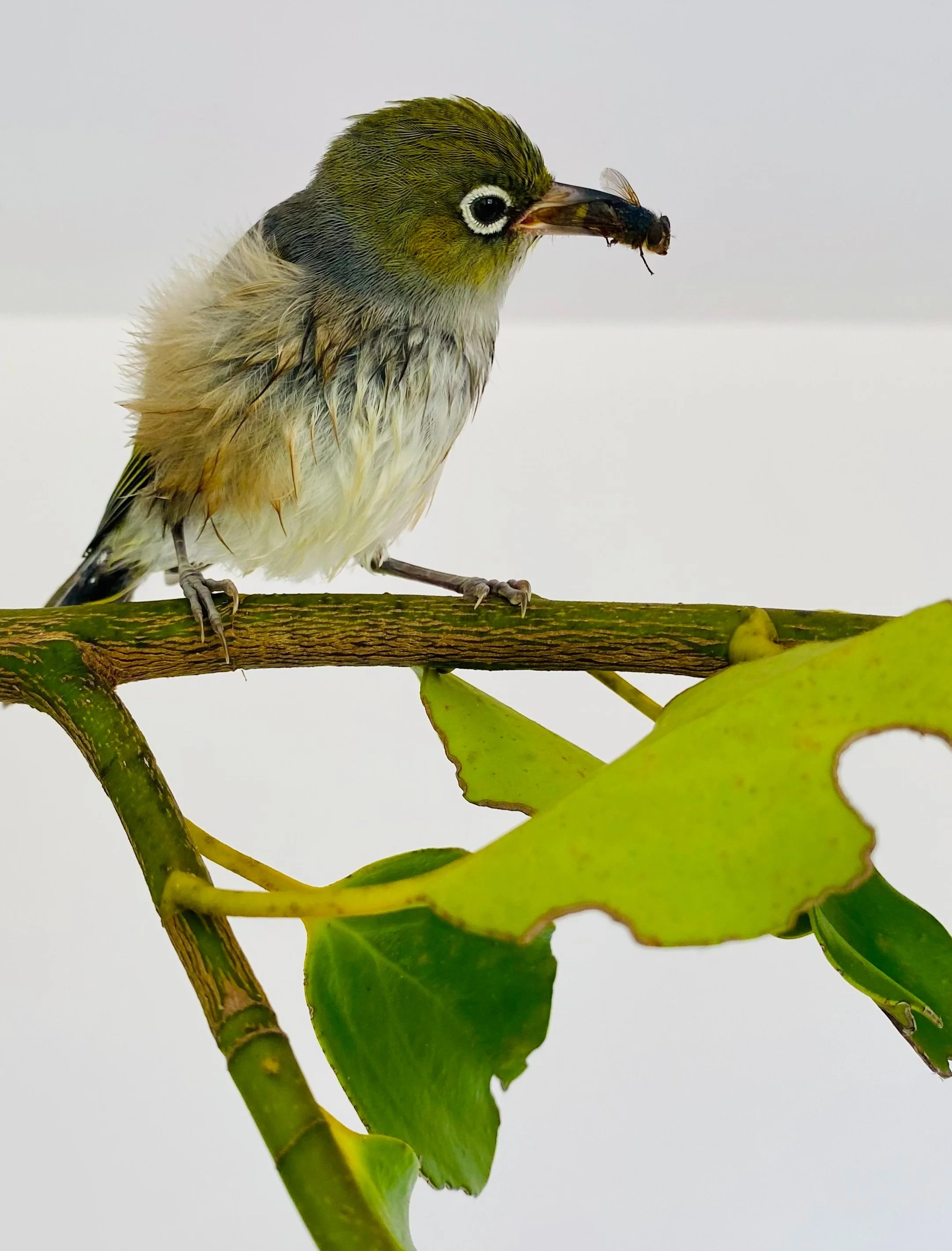
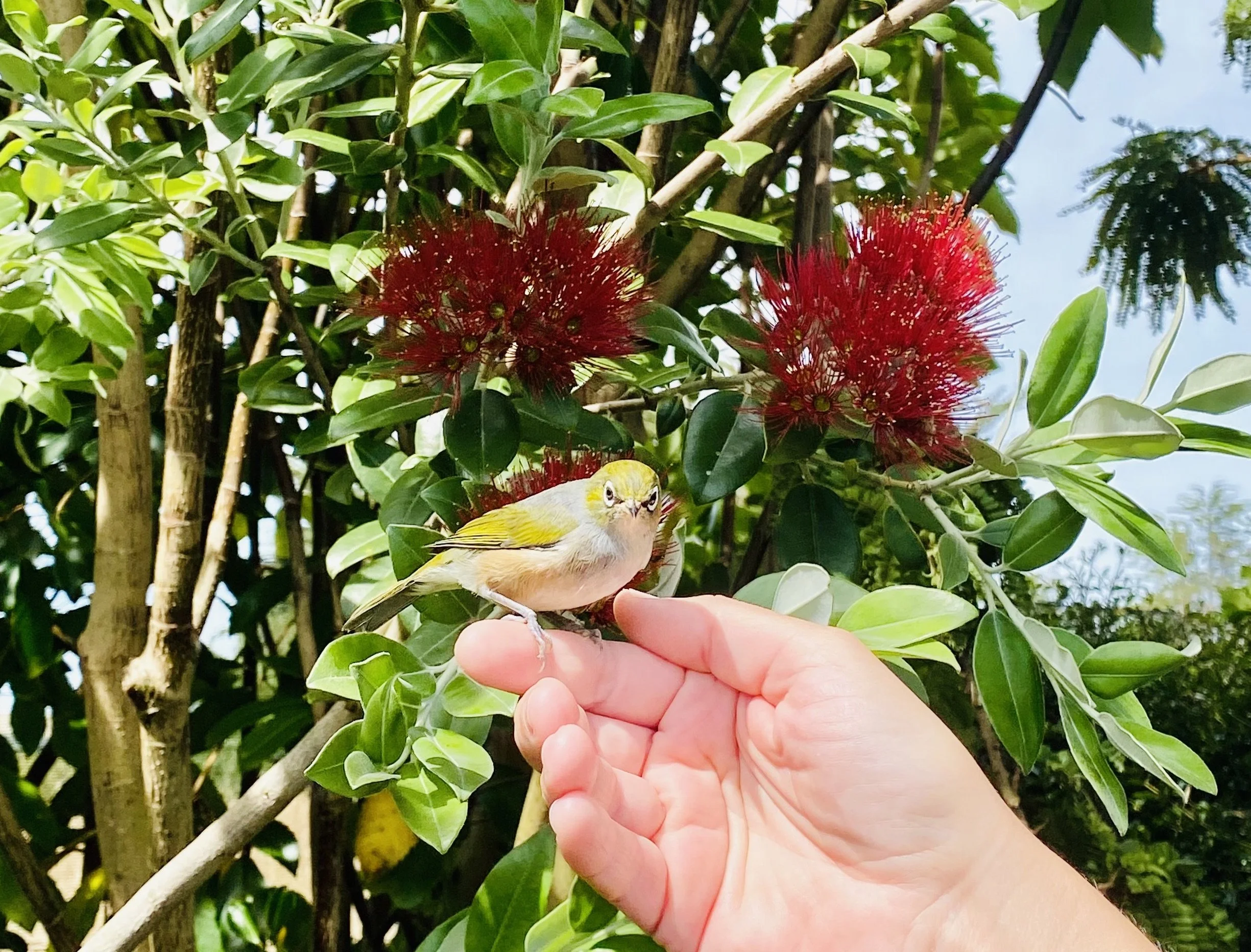
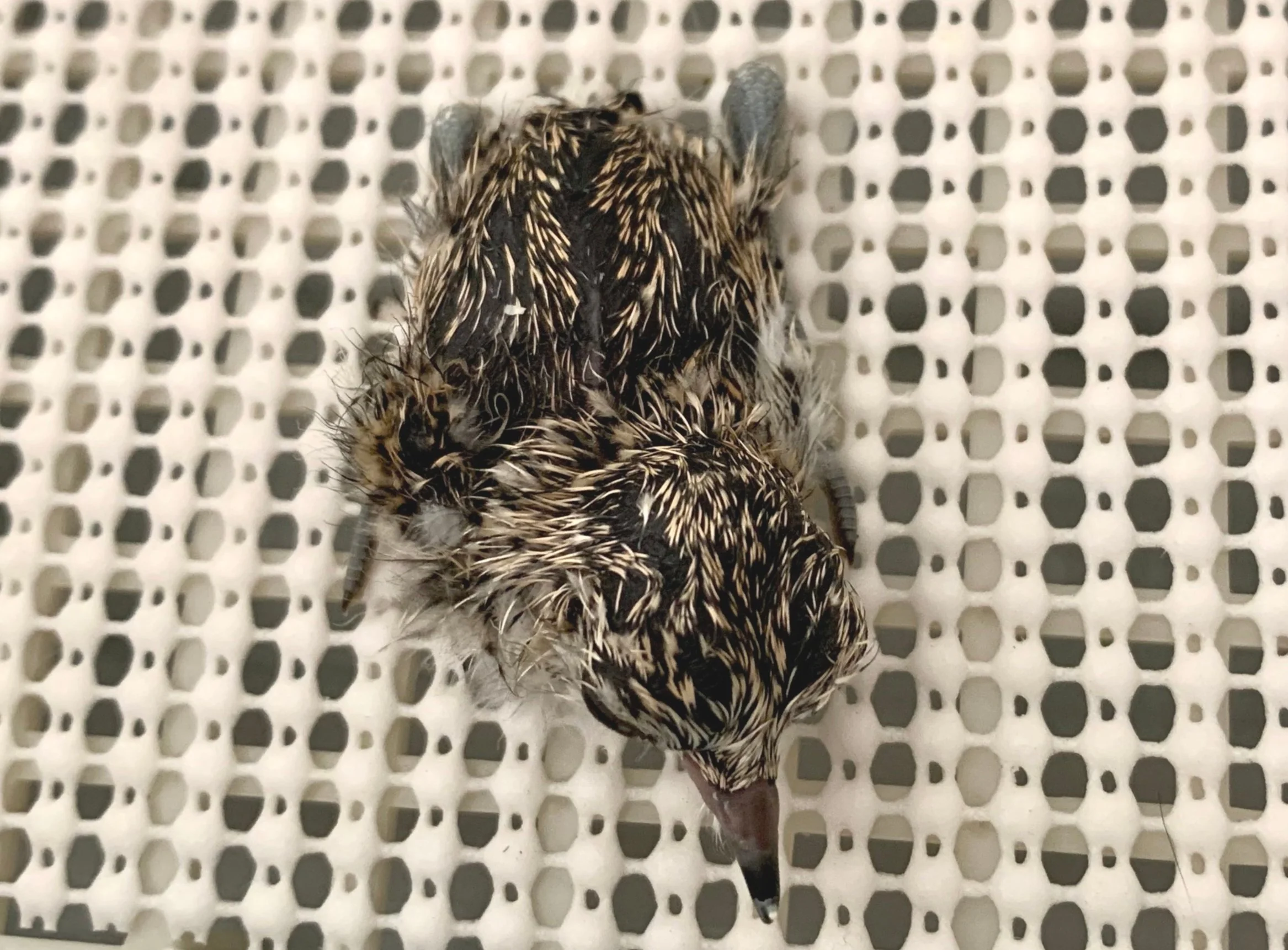
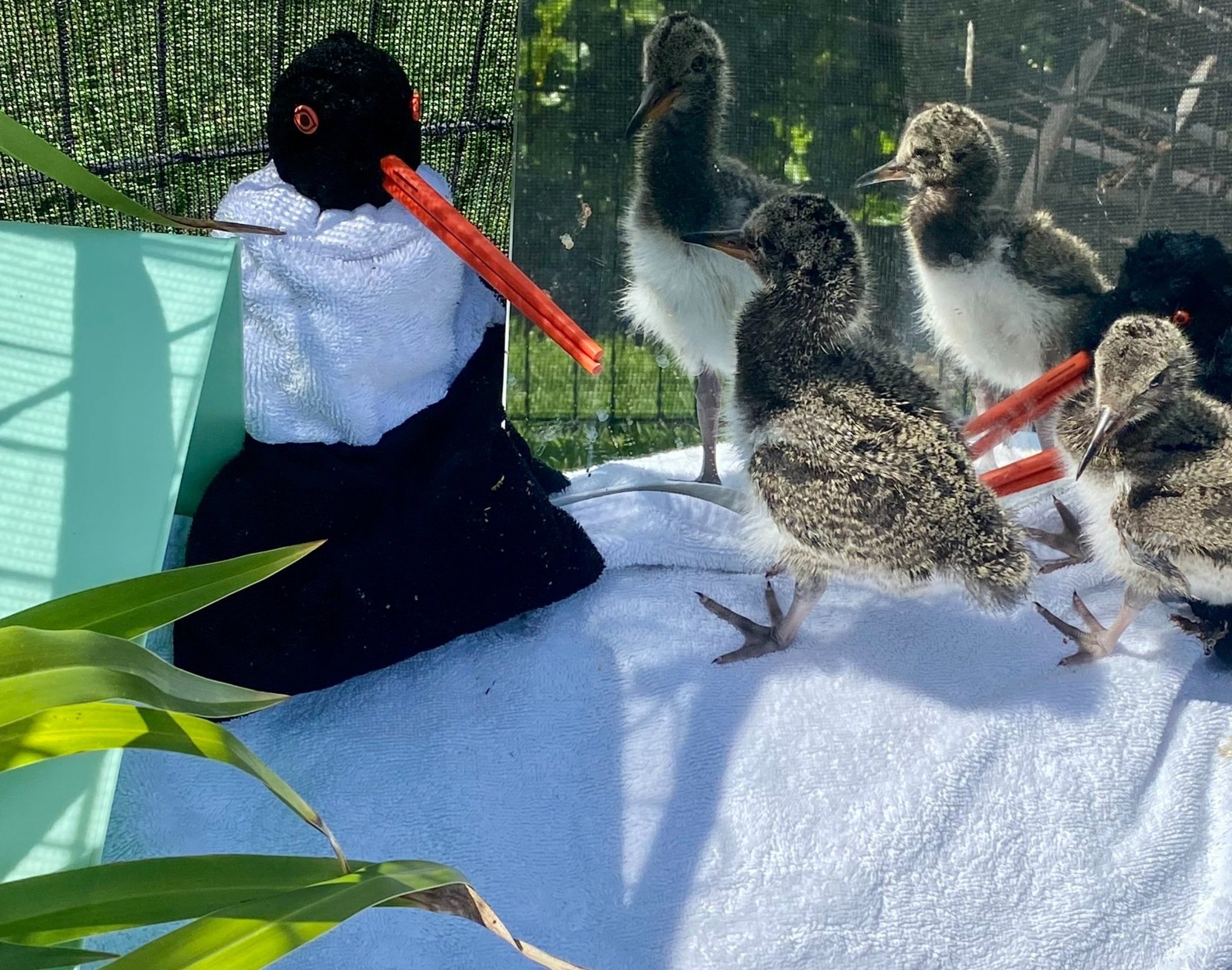
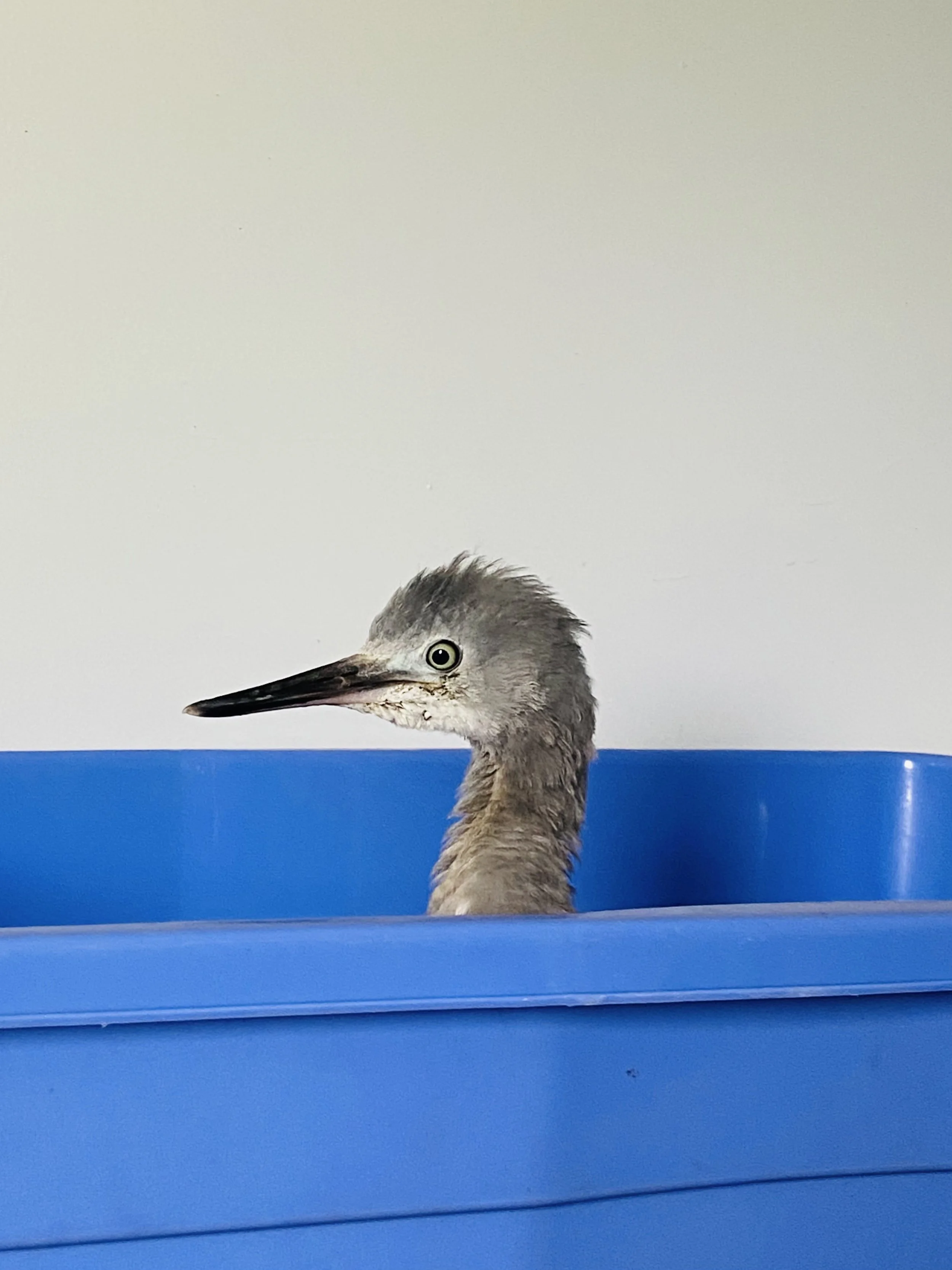
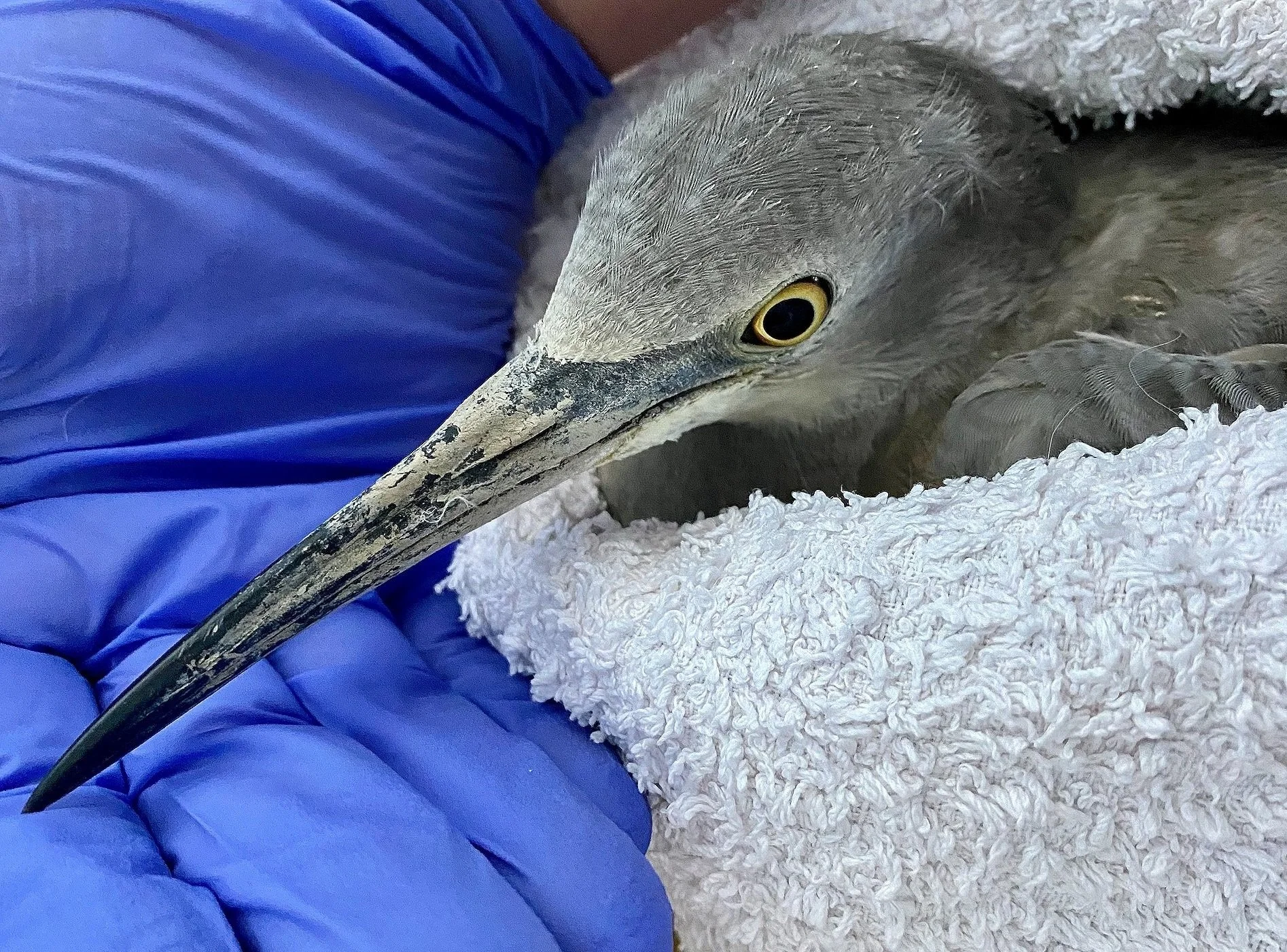
Wildlife rehabilitation is the rescue, first aid and supportive care of injured or ill native species.
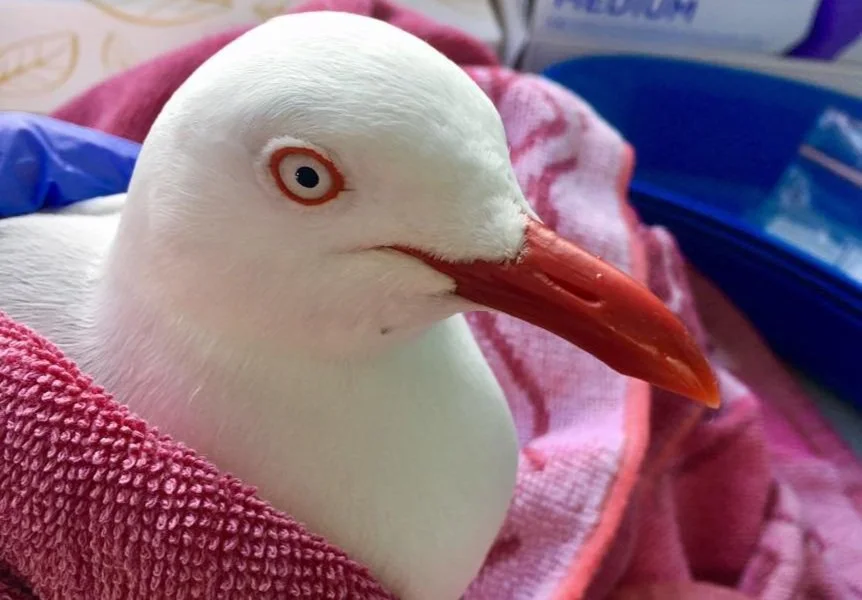
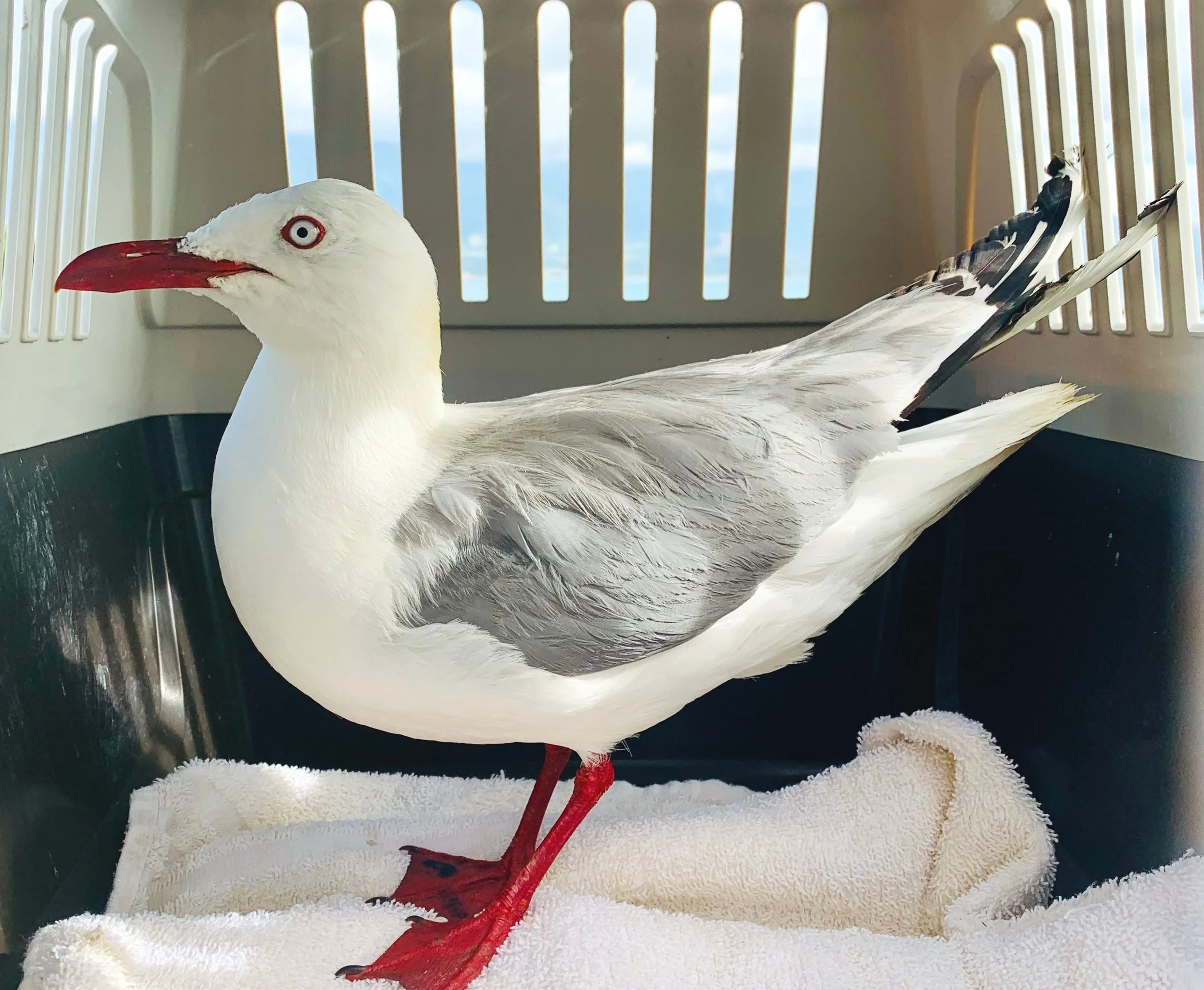
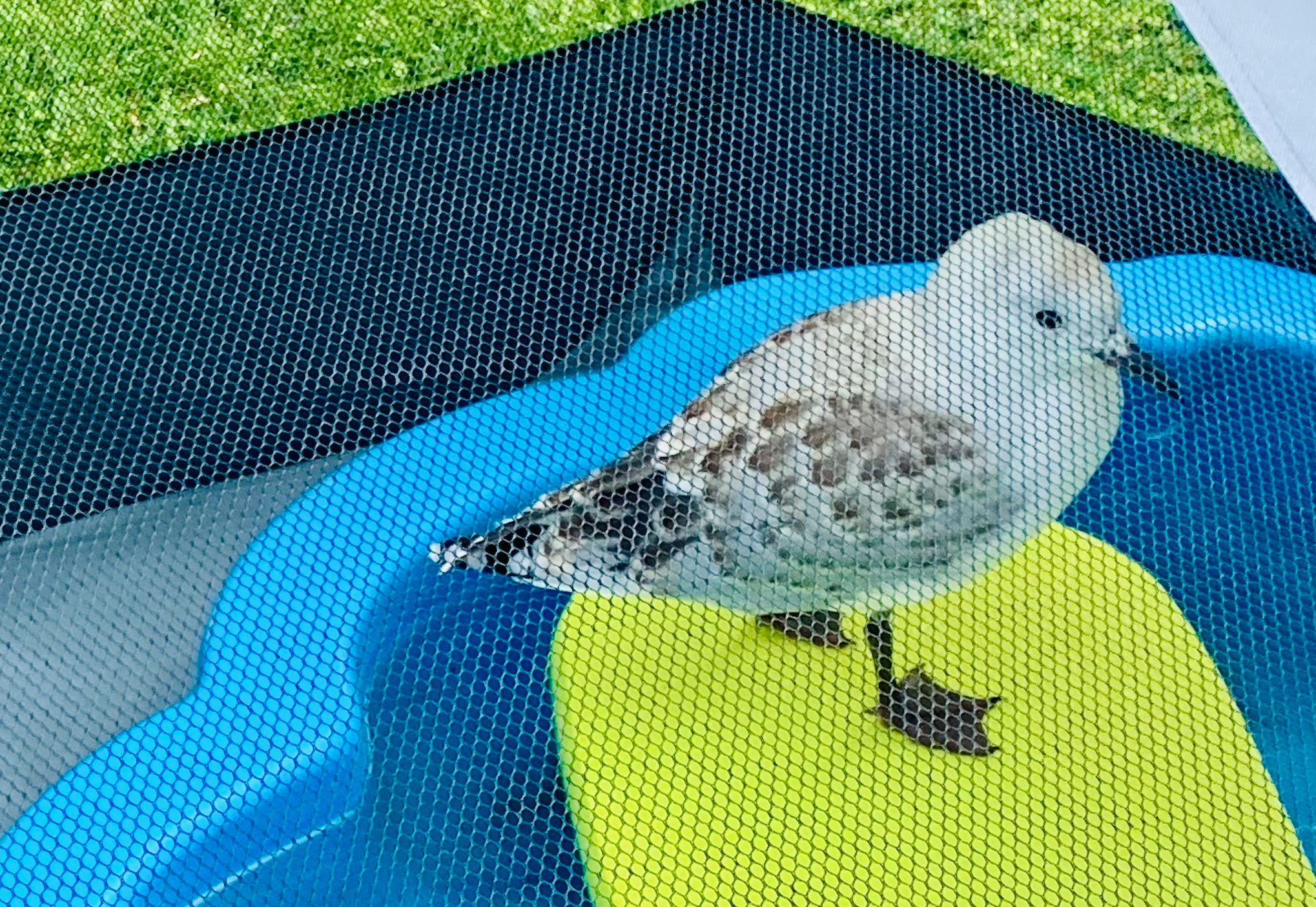
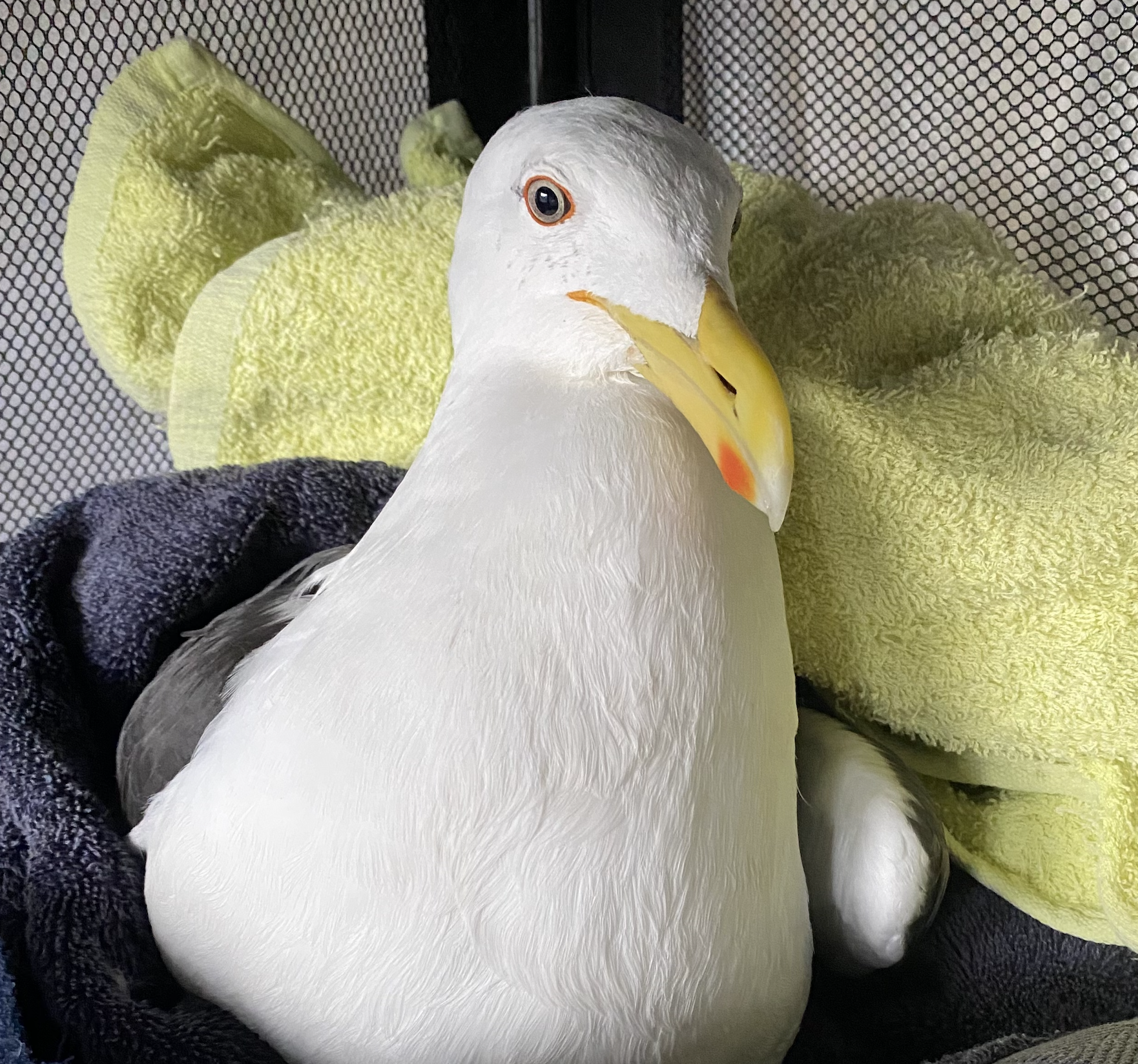
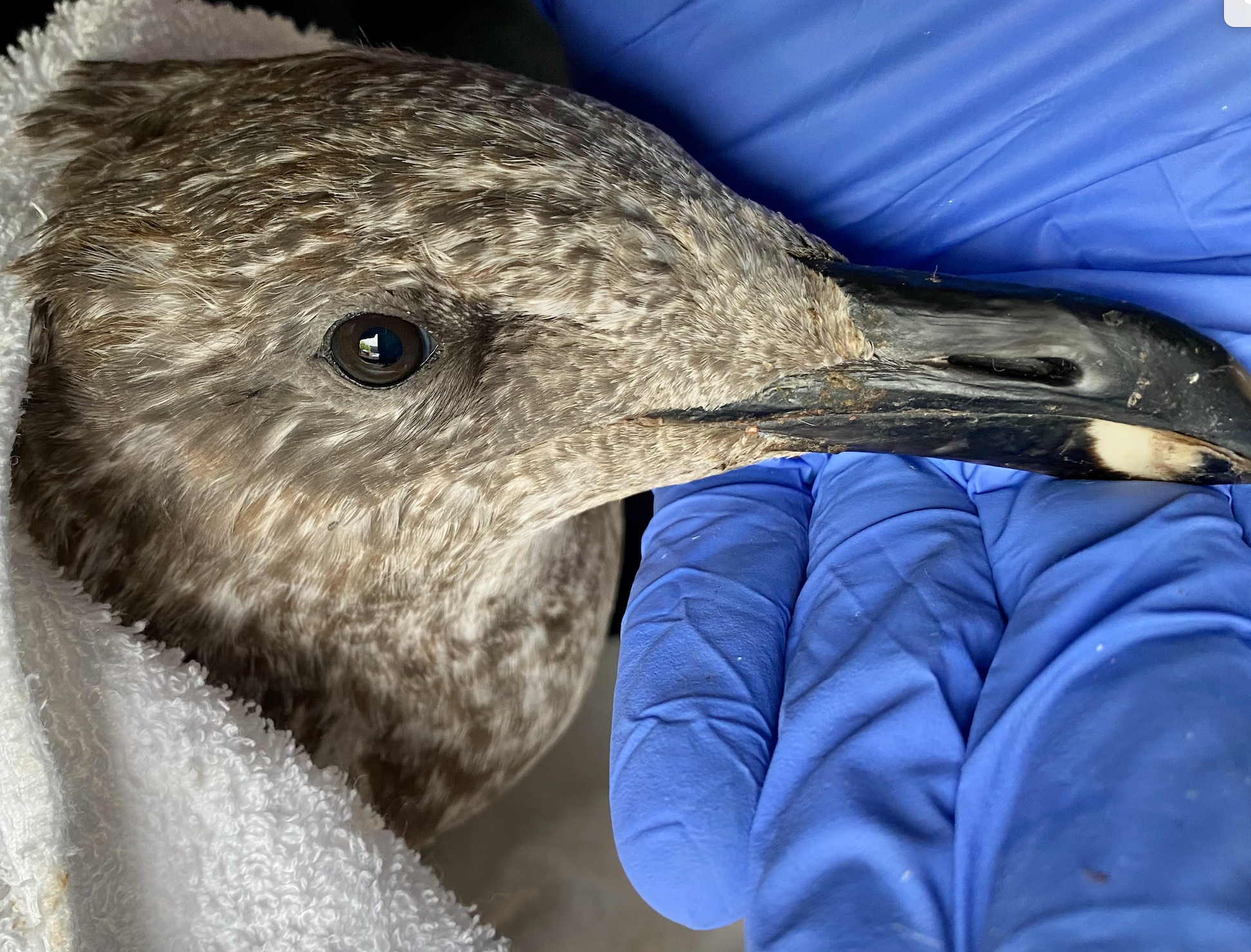
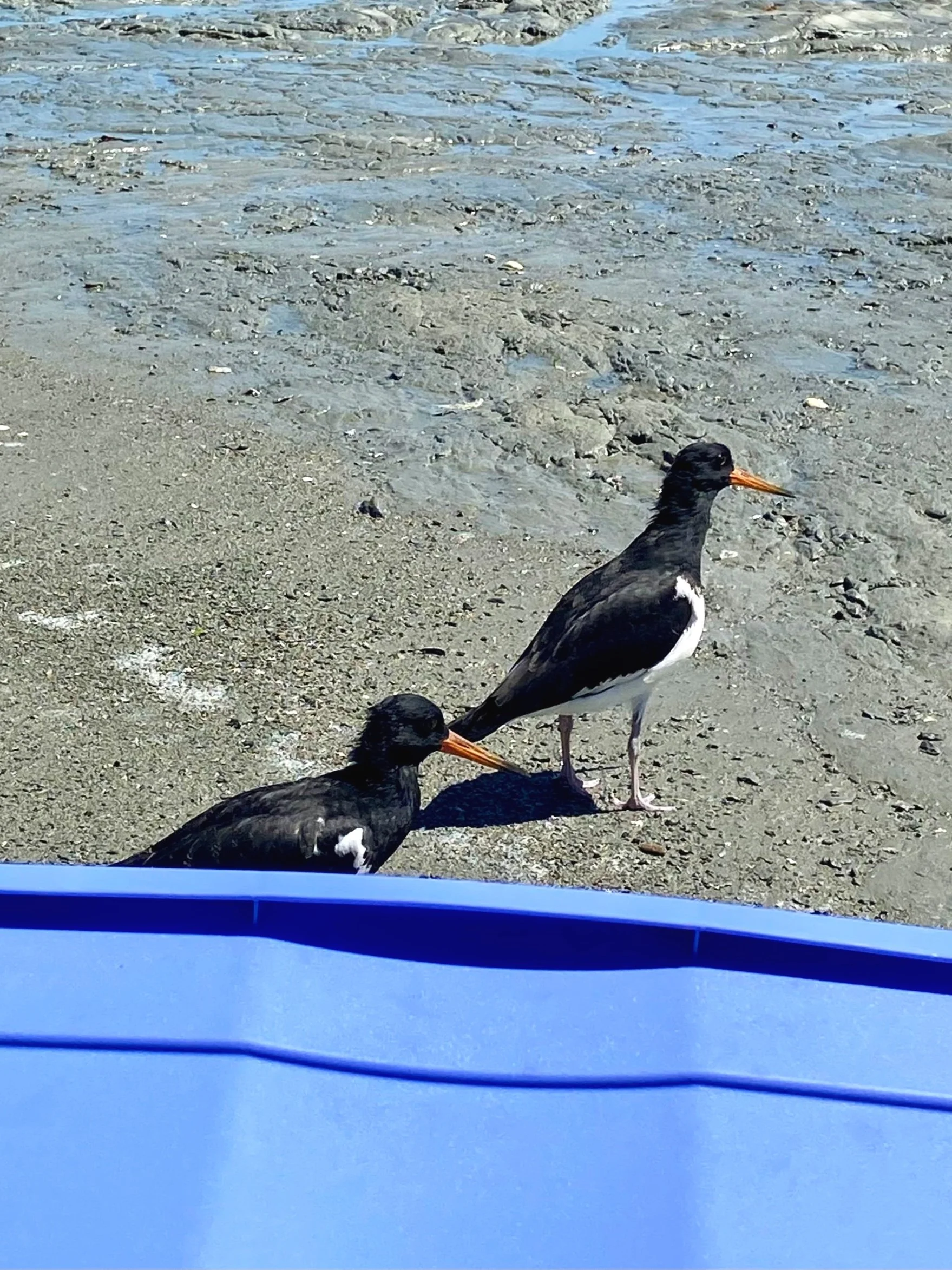
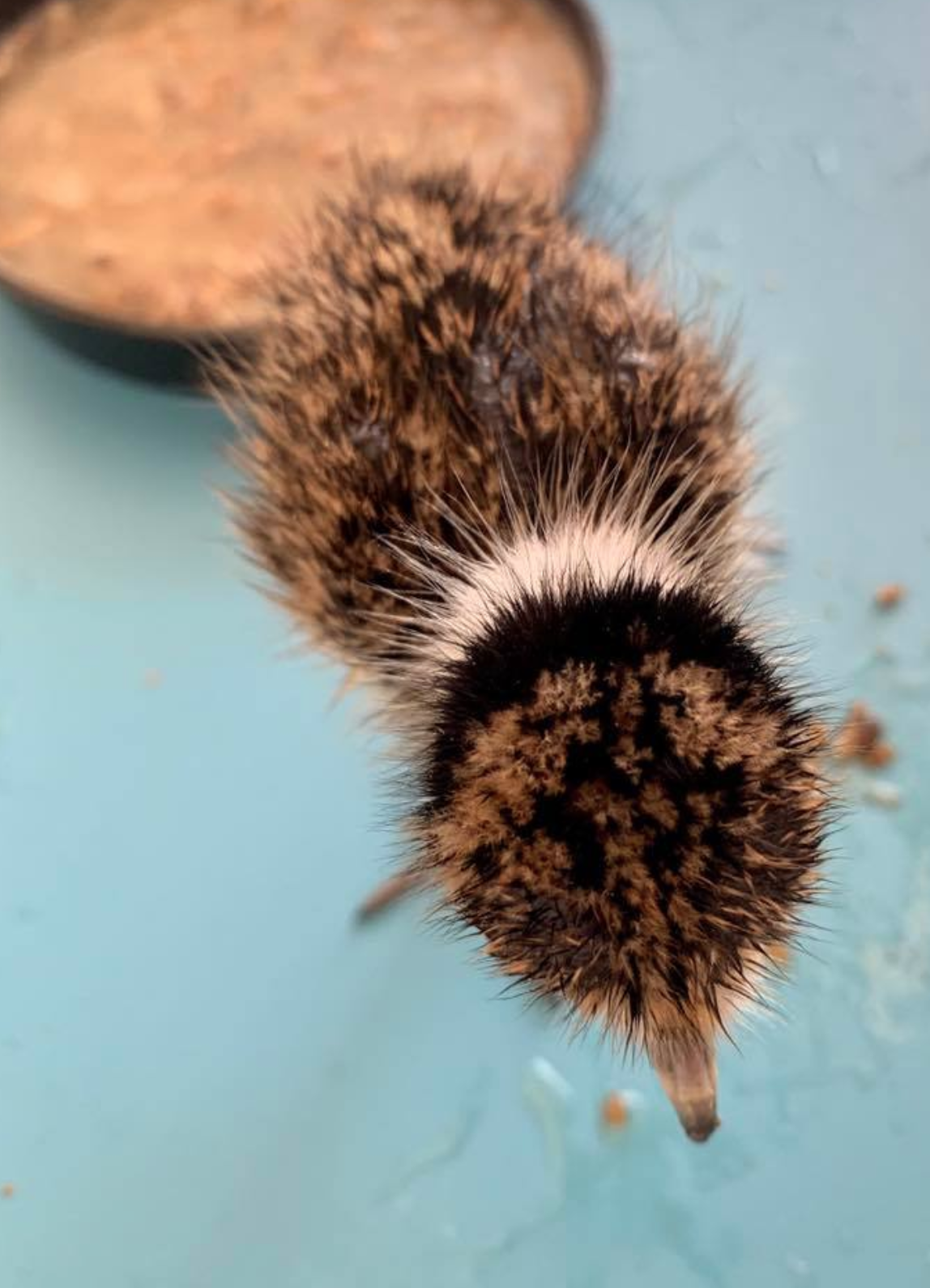
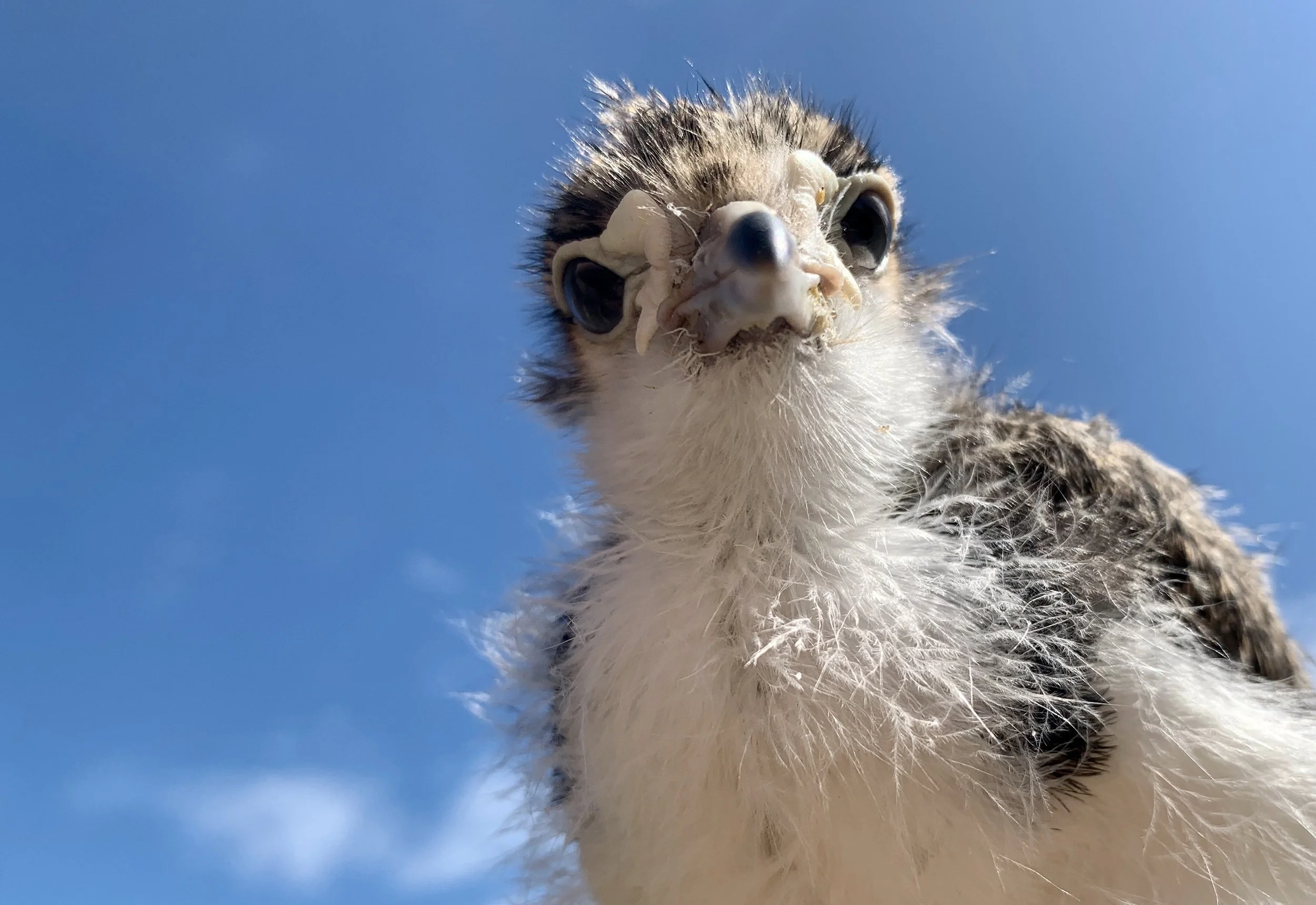
Wildlife patients in the Kaikōura region consist of primarily seabirds, as well as terrestrial bird species.
Wildlife Patients
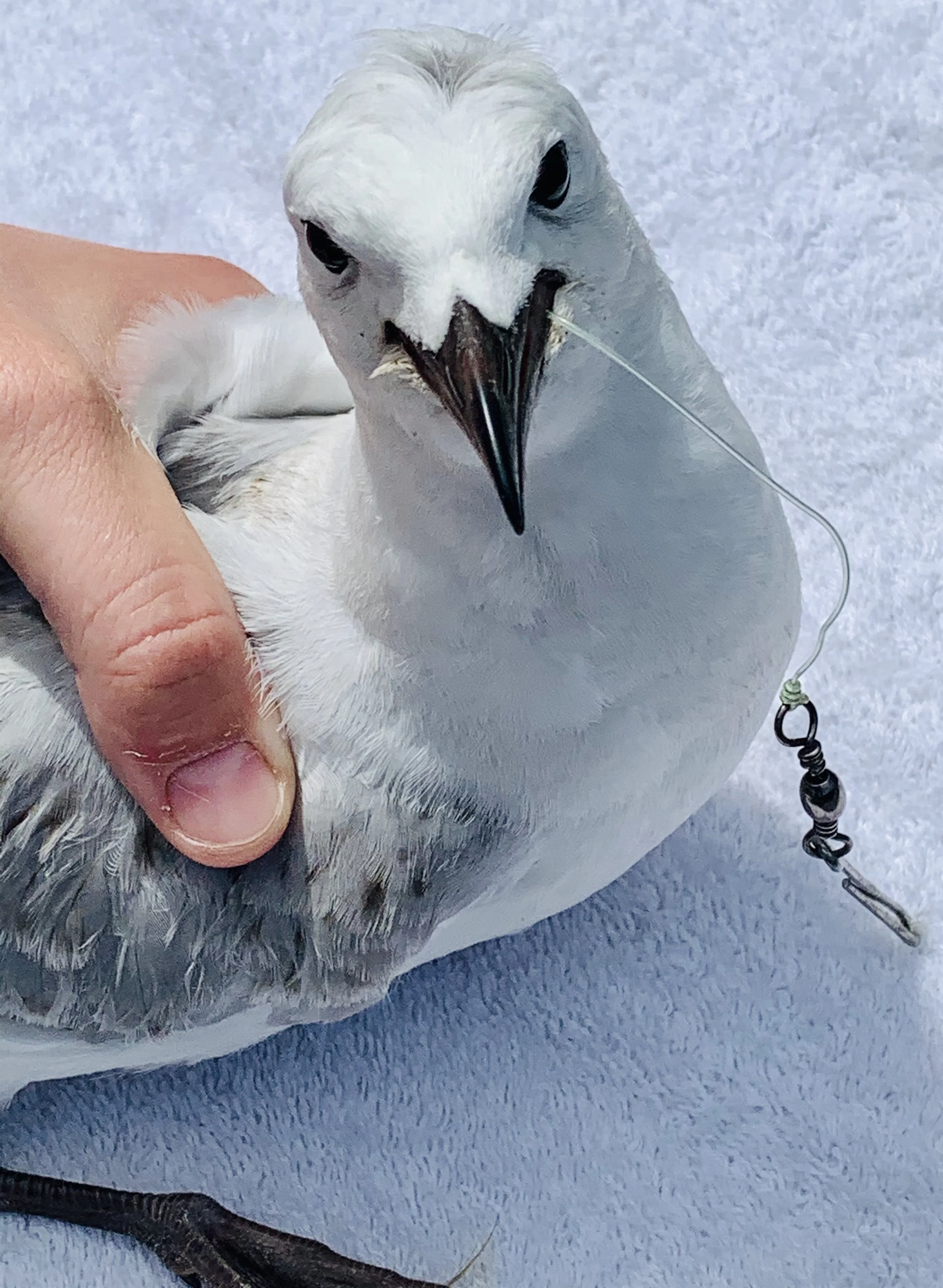
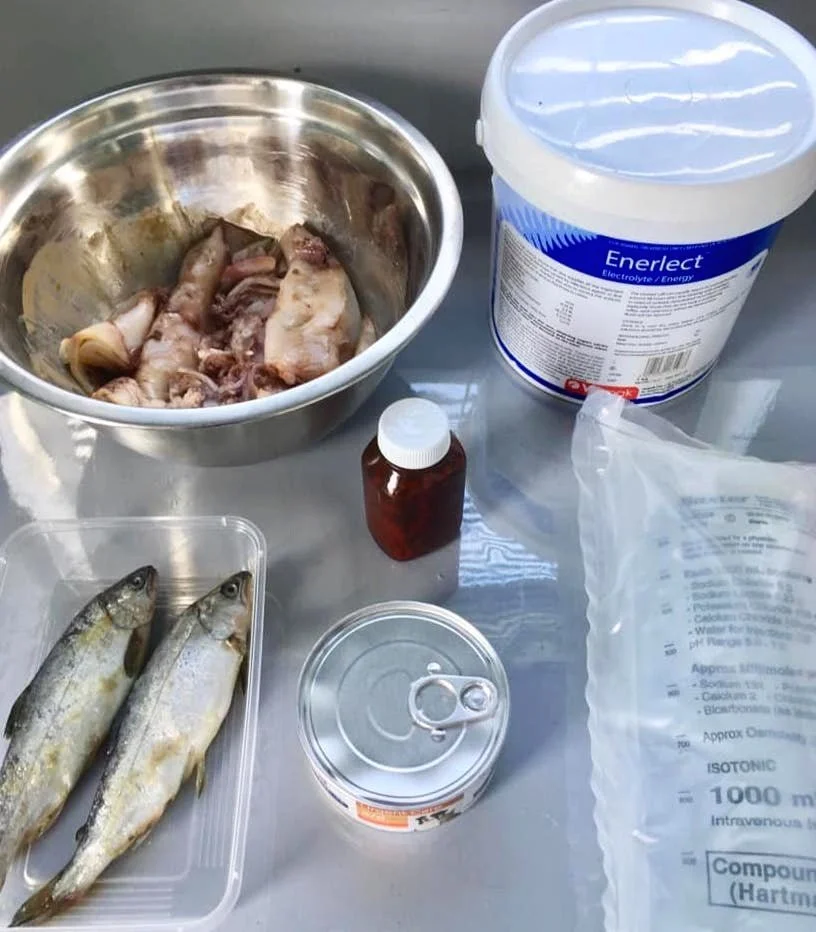
Wildlife rehabilitation involves veterinary treatment, nursing and nutritional support. Unfortunately the majority of patients are ill or injured due to human related causes. This includes seabird starvation as a result of climate change, over-fishing induced prey depletion, fisheries by-catch, marine entanglements, plastic ingestion, boat strike, vehicle strike, window strike, light pollution induced seabird crash landings, introduced predators, irresponsible pet ownership, wildlife crimes, illness and toxicity.
Given the high incidence of patient cases in Kaikōura, it is anticipated that the wildlife hospital will admit >1,500 native birds per year in need of specialist care, based on hundreds of patients annually over the past eight years (whilst our Trust Founder was operating on a significantly reduced voluntary scale). Patient numbers are set to increase as environmental threats and the biodiversity crisis worsen. While some threats are well known, others are just emerging.
The significance of species declines, as well as avoidable injury and mortality from human related causes is considerable, with the Kaikōura Wildlife Hospital set to have a significant impact. The centre will enable a regional transformational shift, benefitting our at-risk species and future generations.
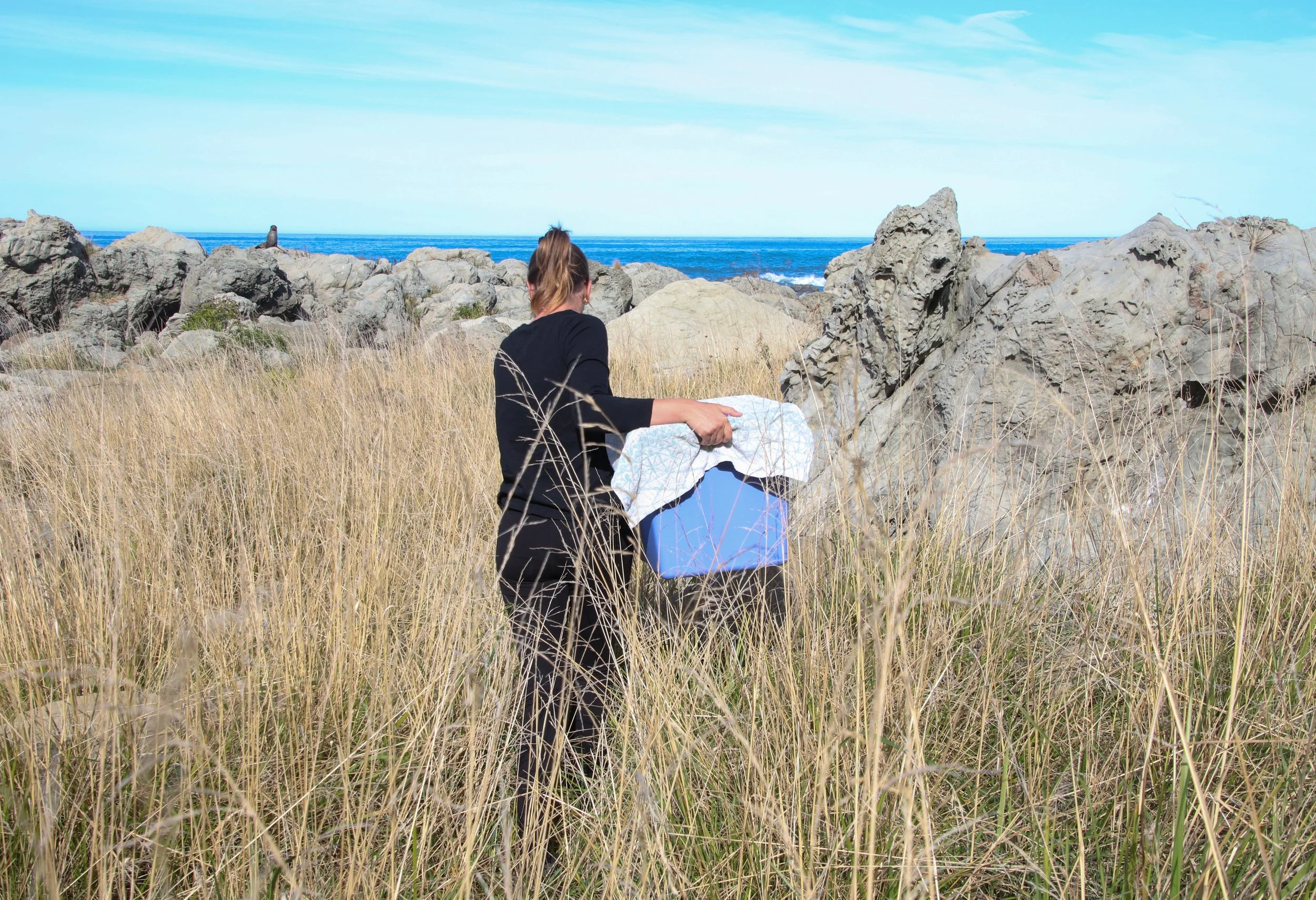
Rescue, rehabilitate, release. Together we can give native species the best chance of survival, by treating unwell wildlife to preserve populations.
