Marine Ecosystem
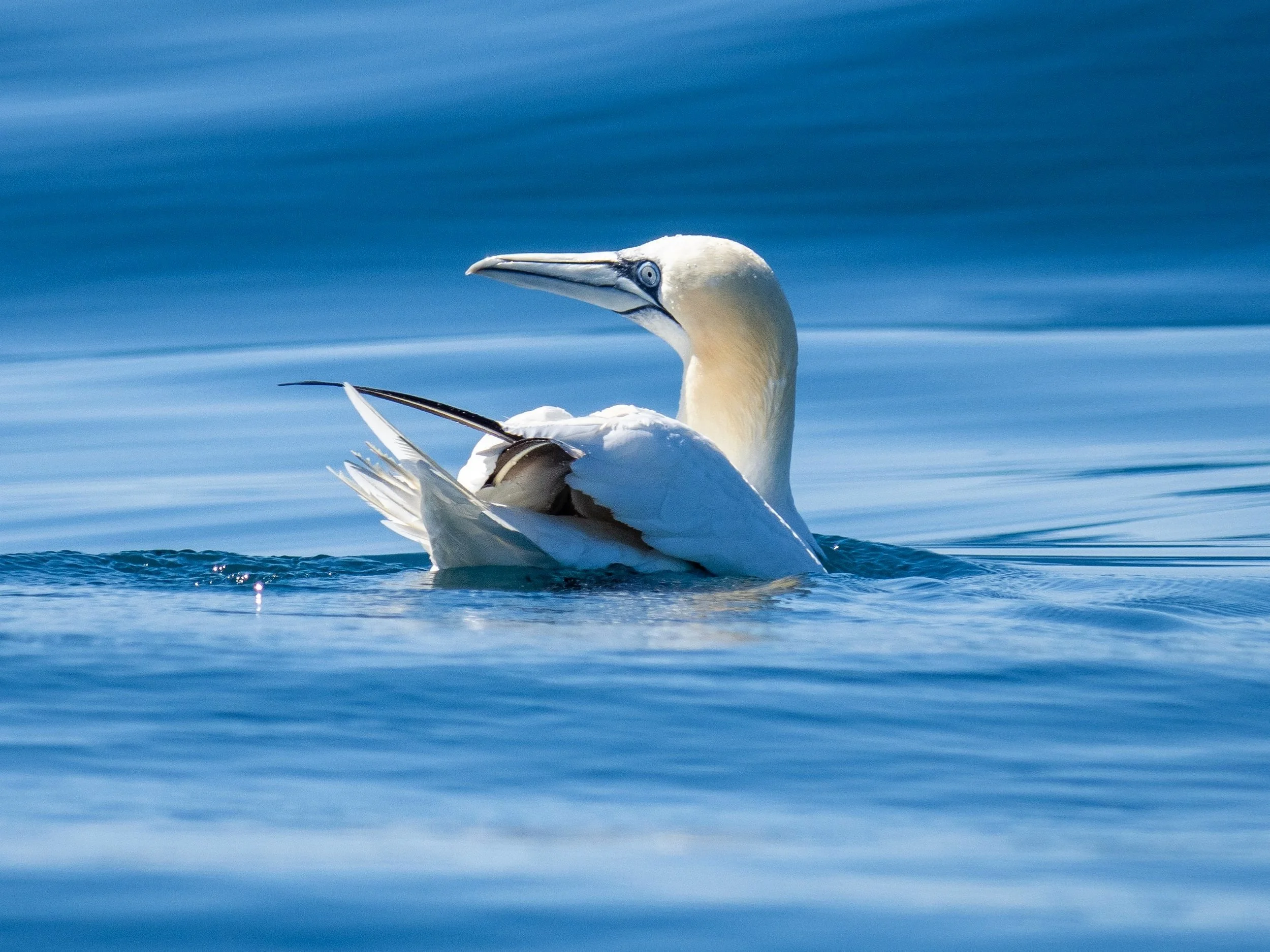
Kaikōura Seabirds
Kaikōura is a biodiversity hotspot and seabird capital.
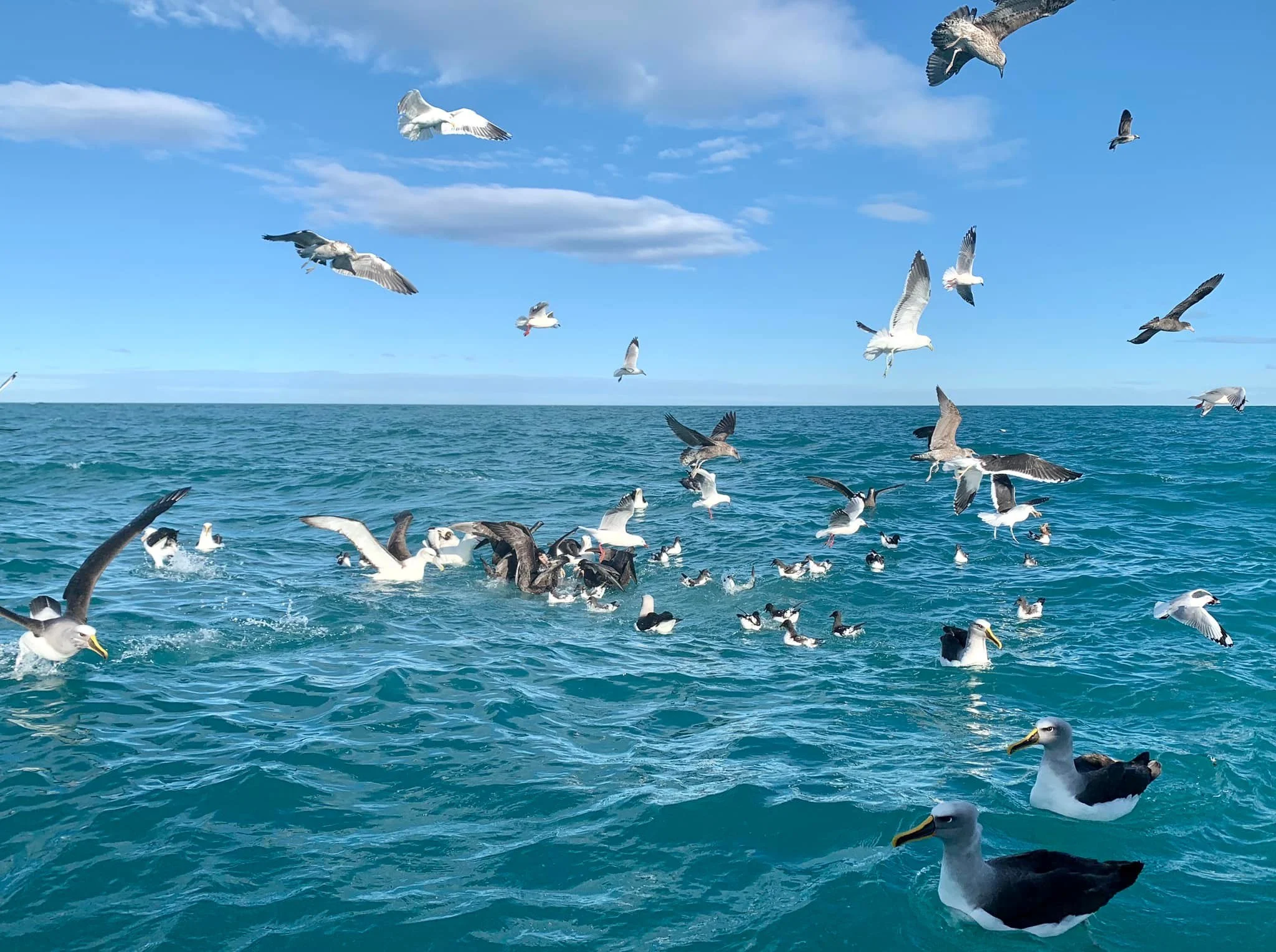
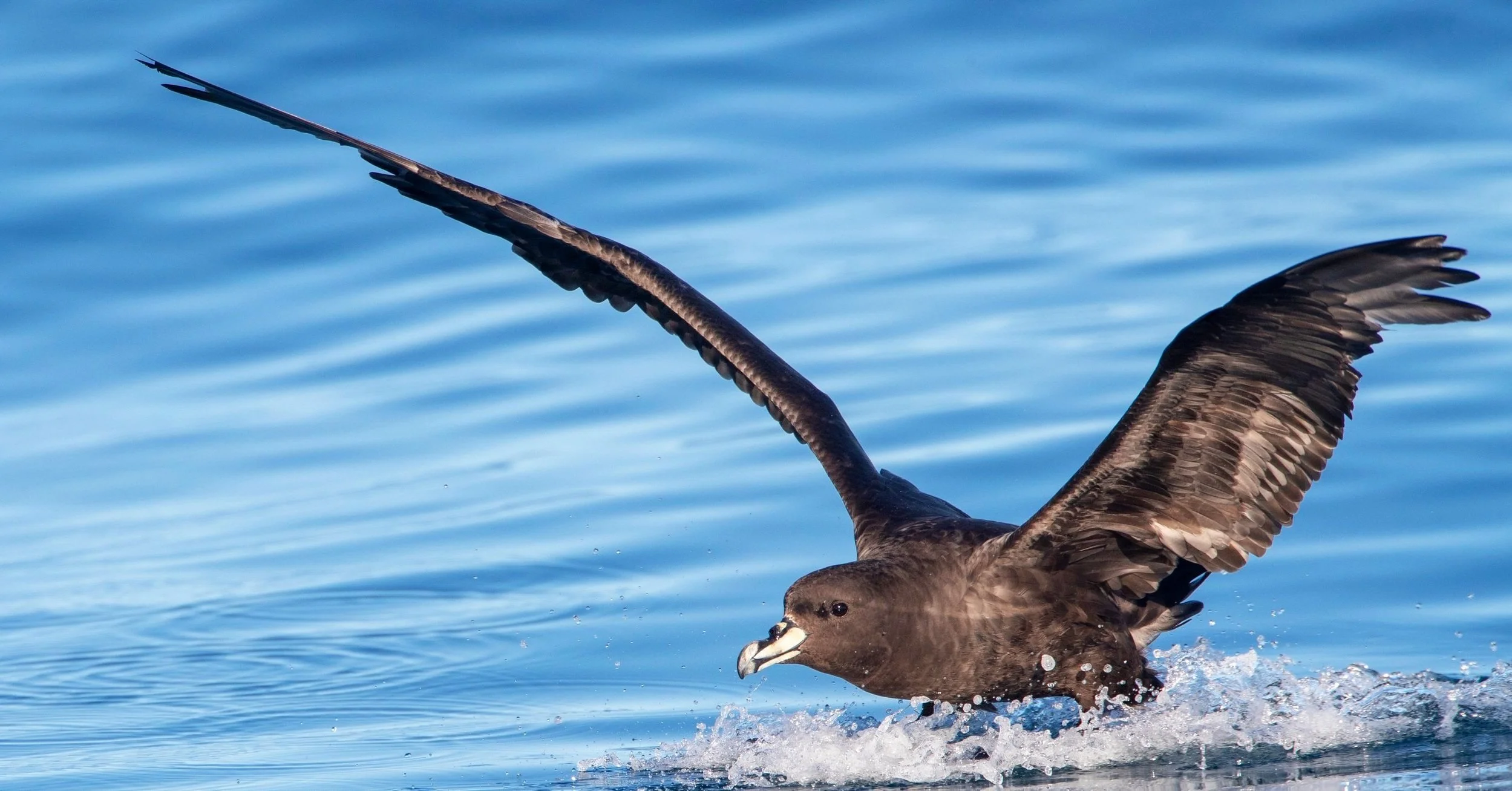
Kaikōura supports some of the highest seabird diversity globally and is a site of international importance.
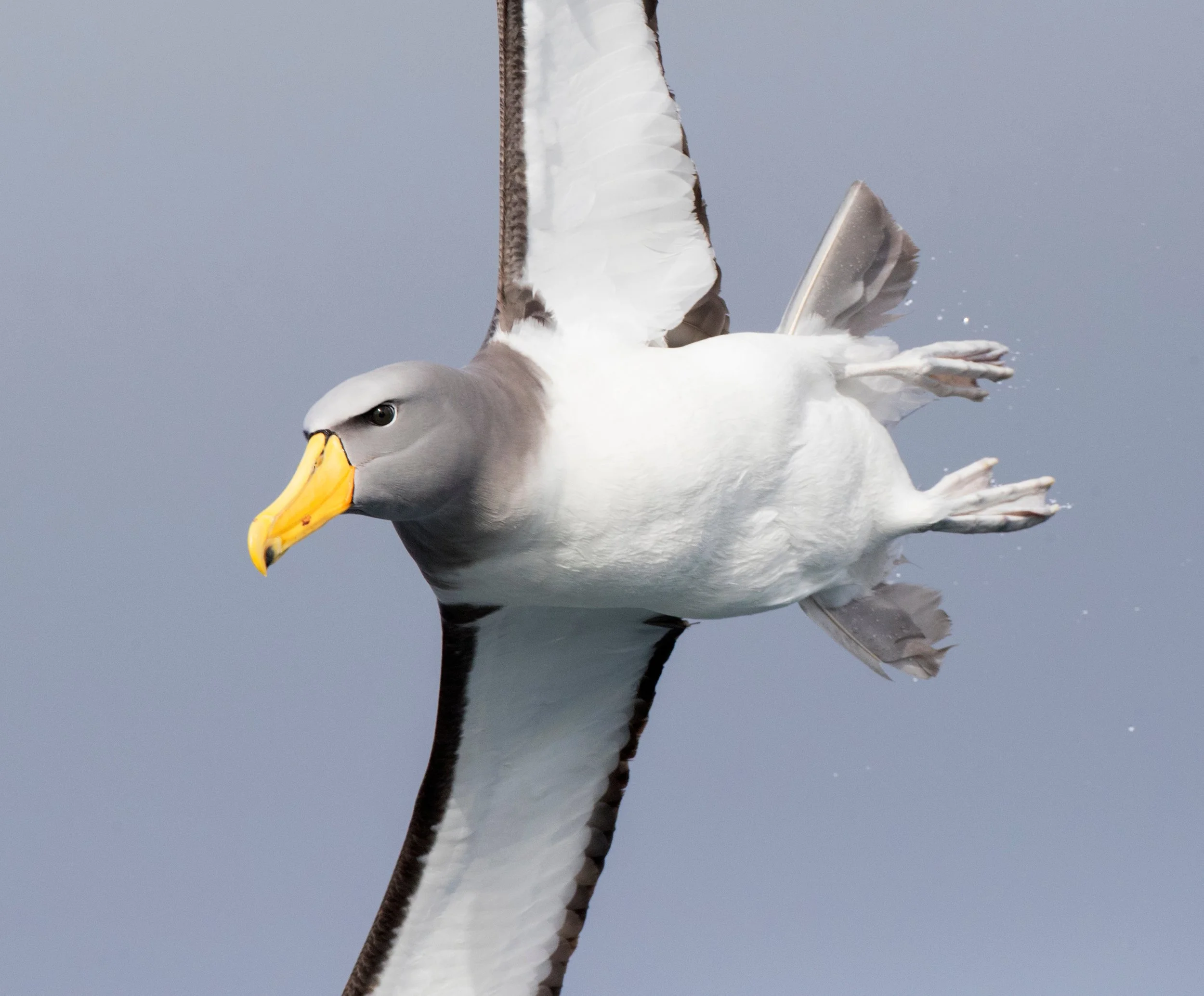
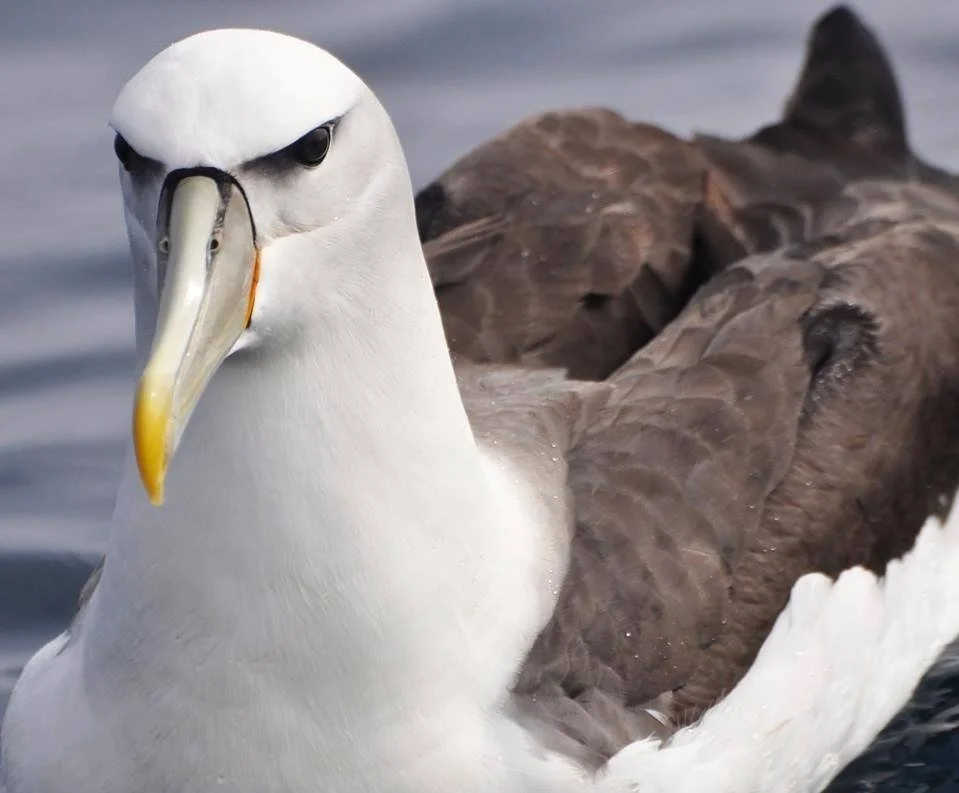
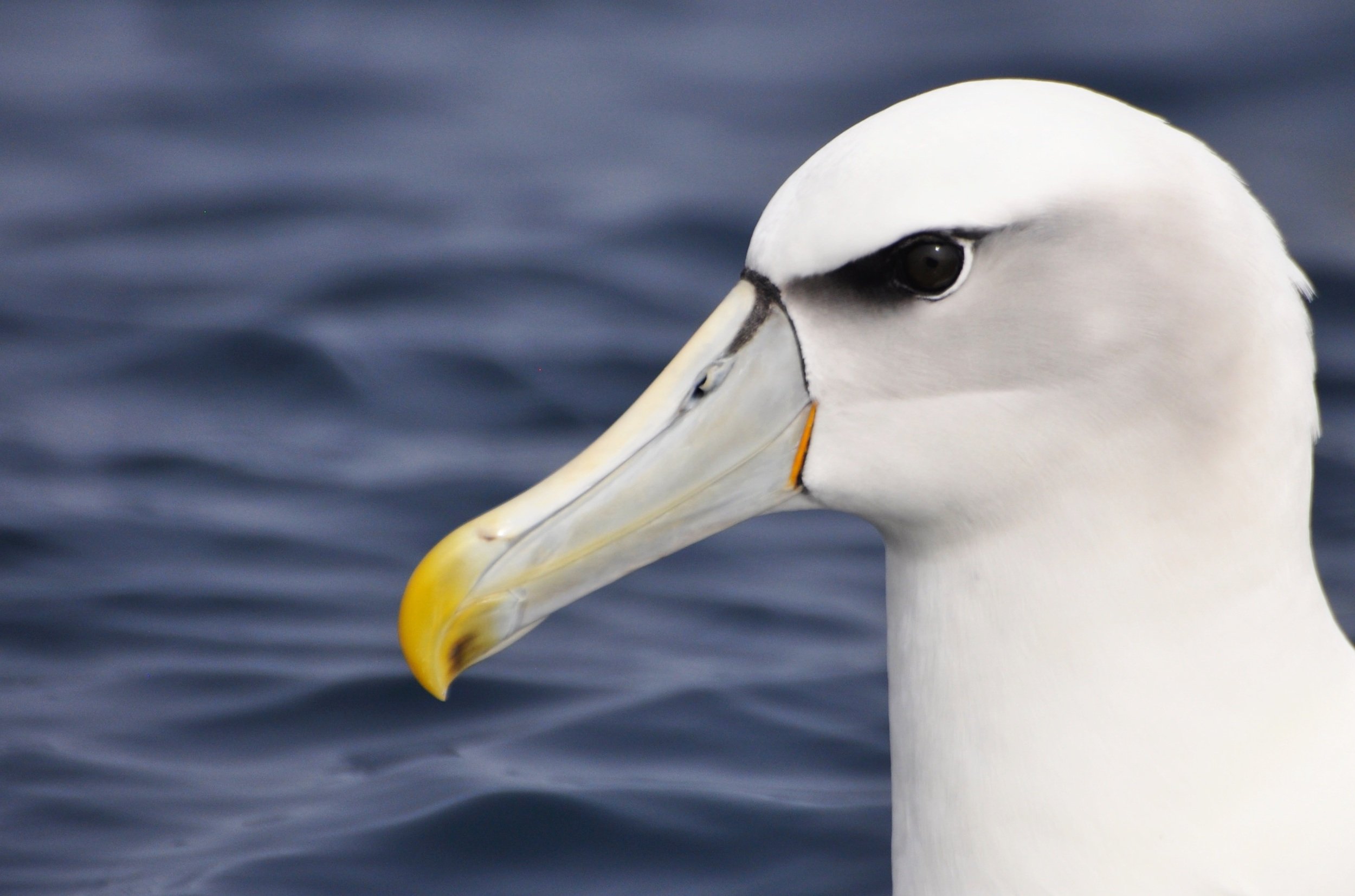
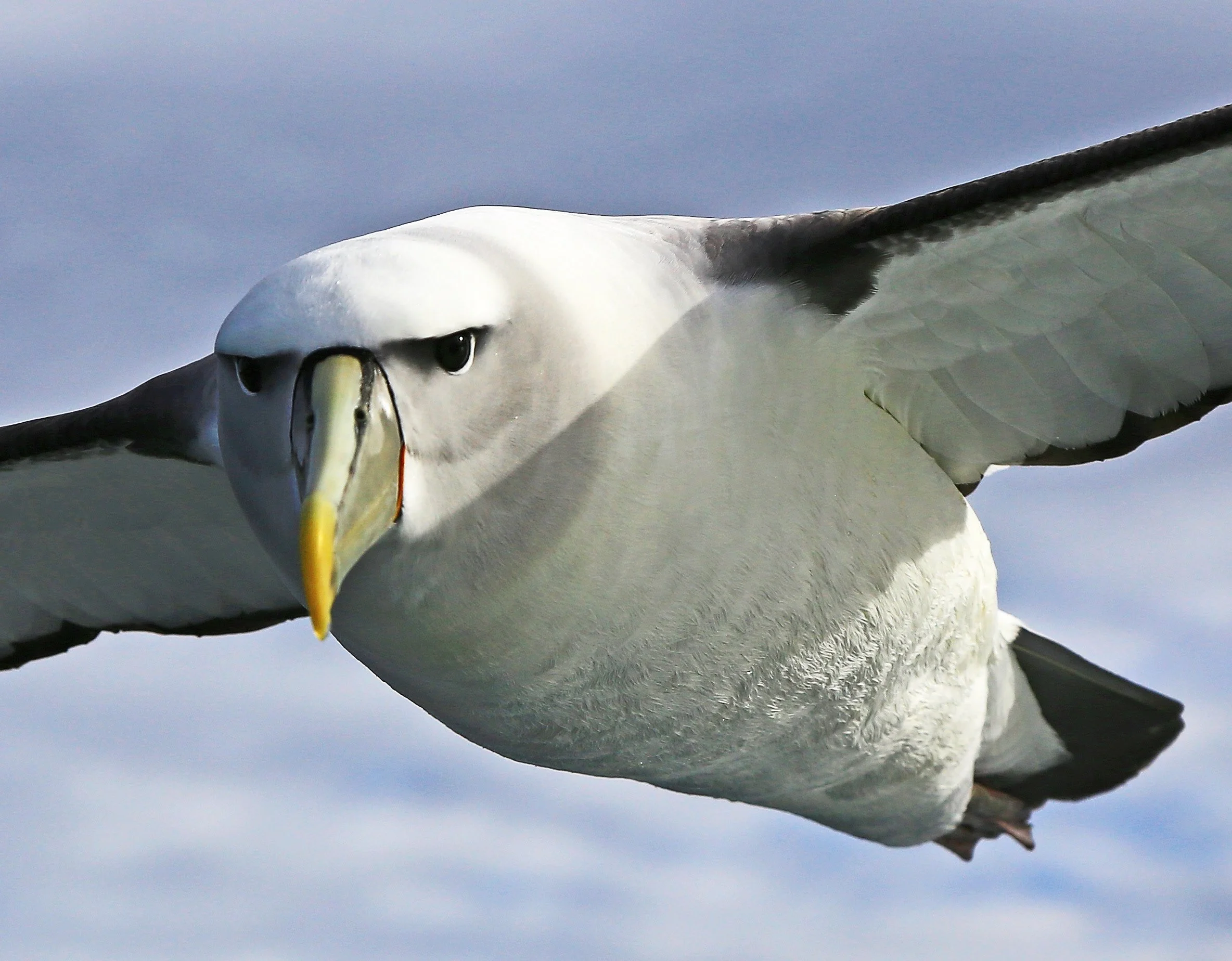
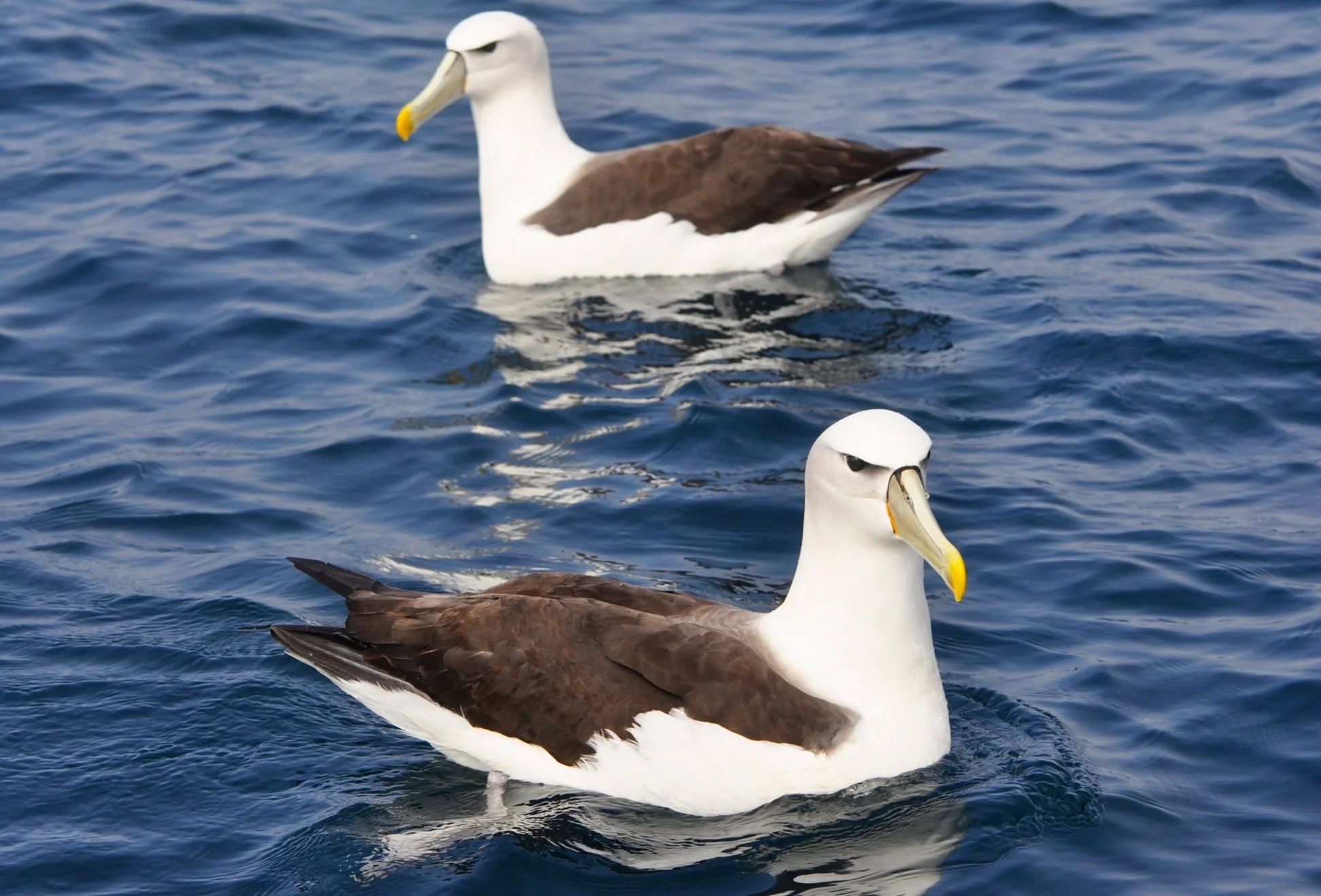
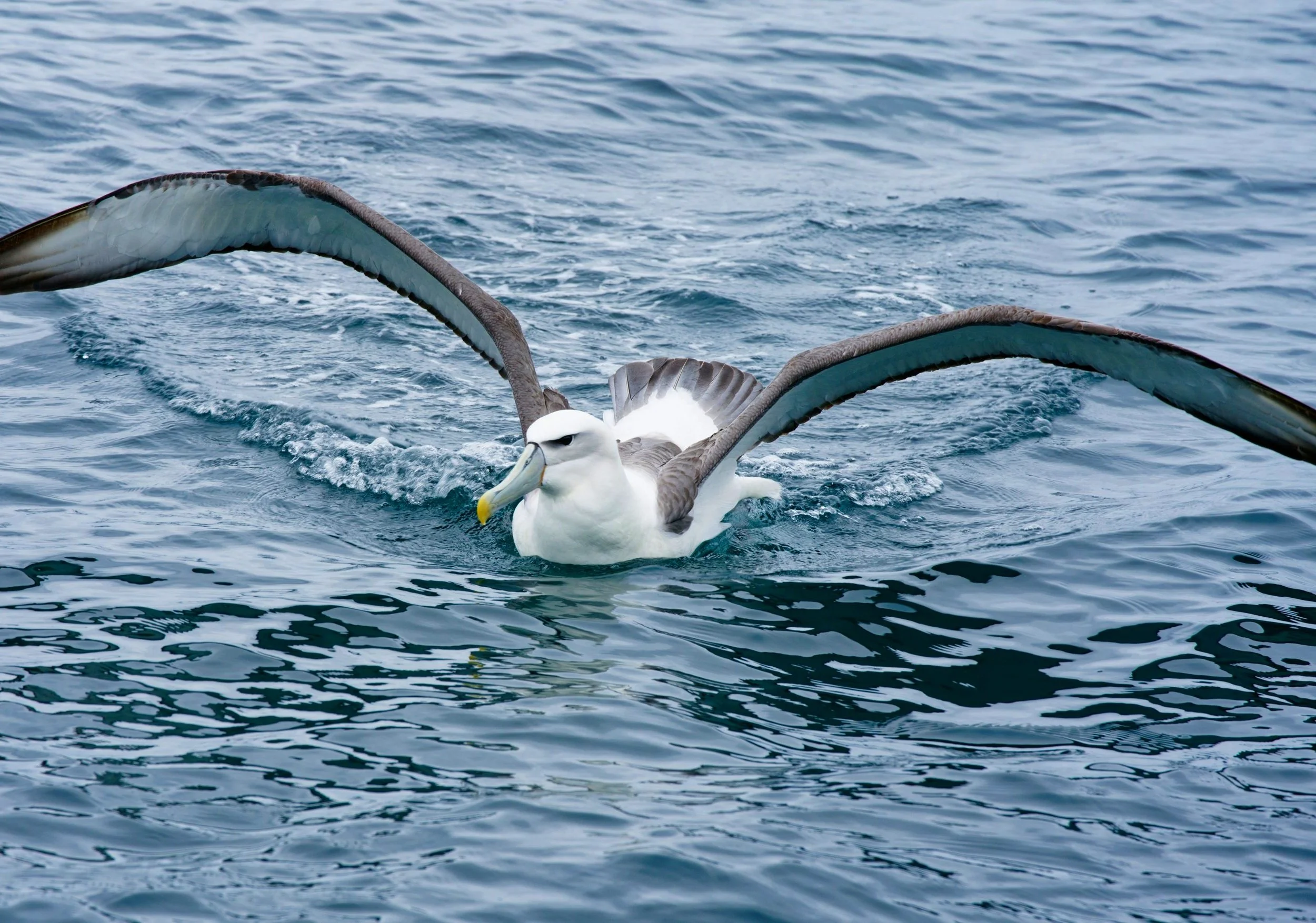
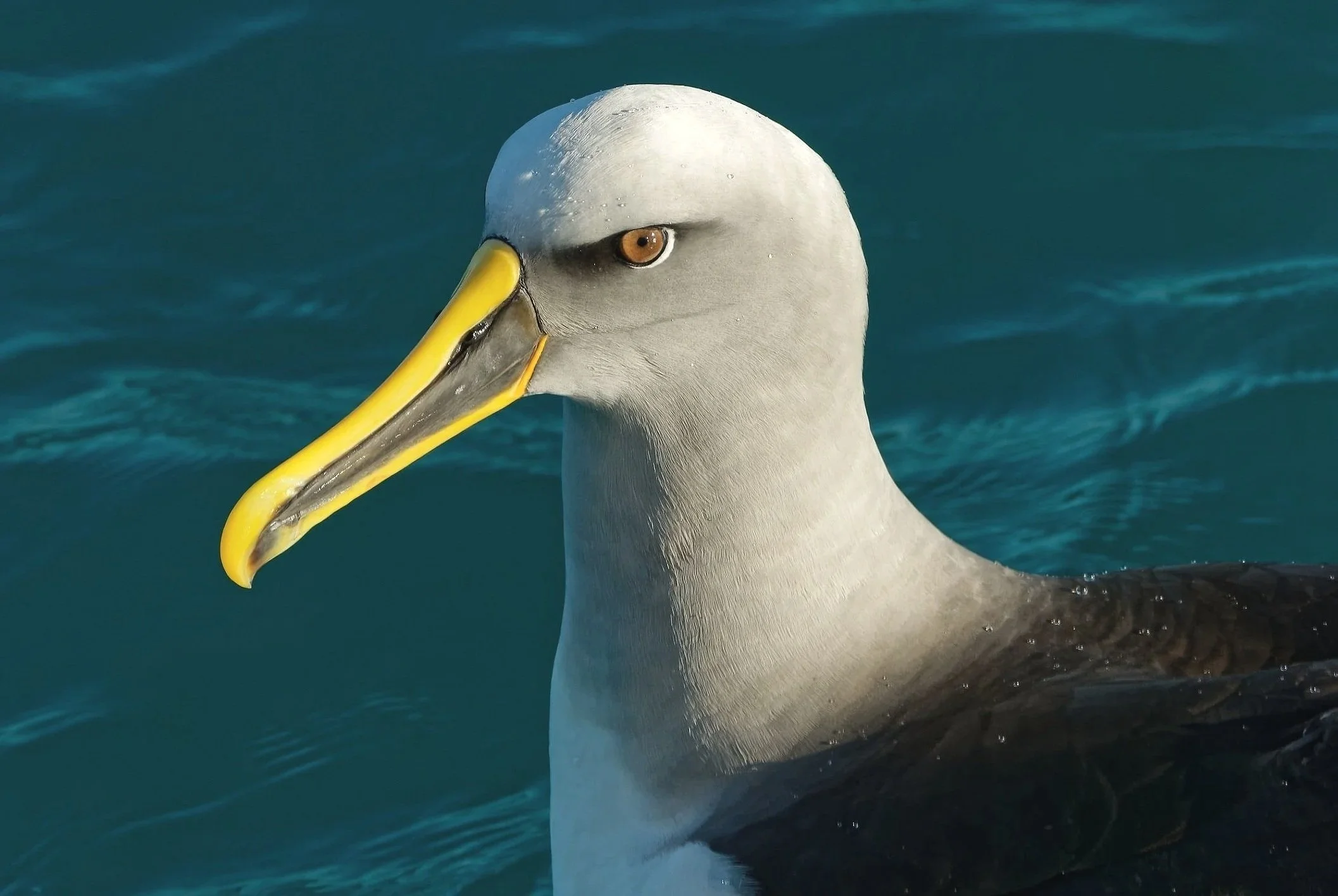
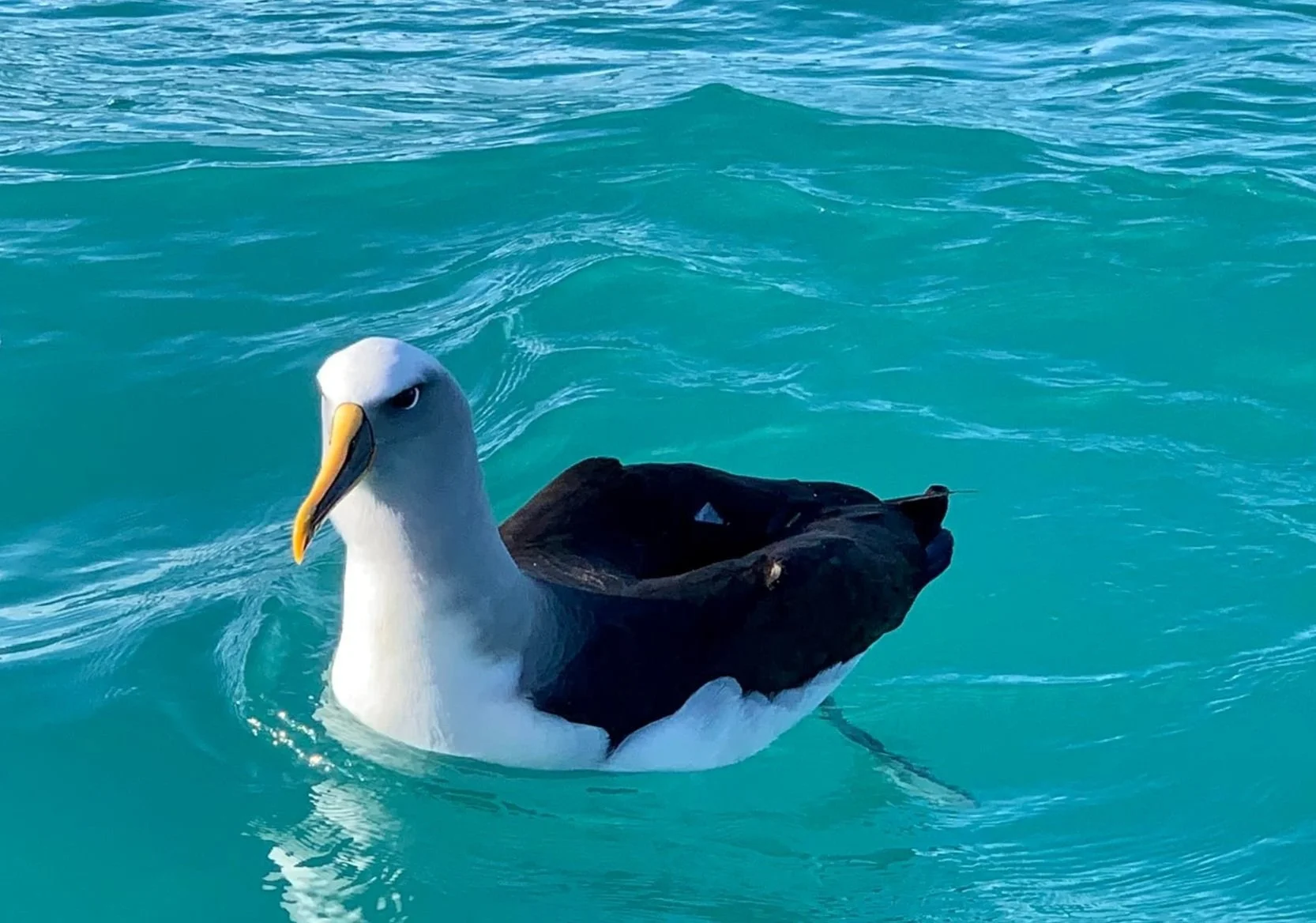
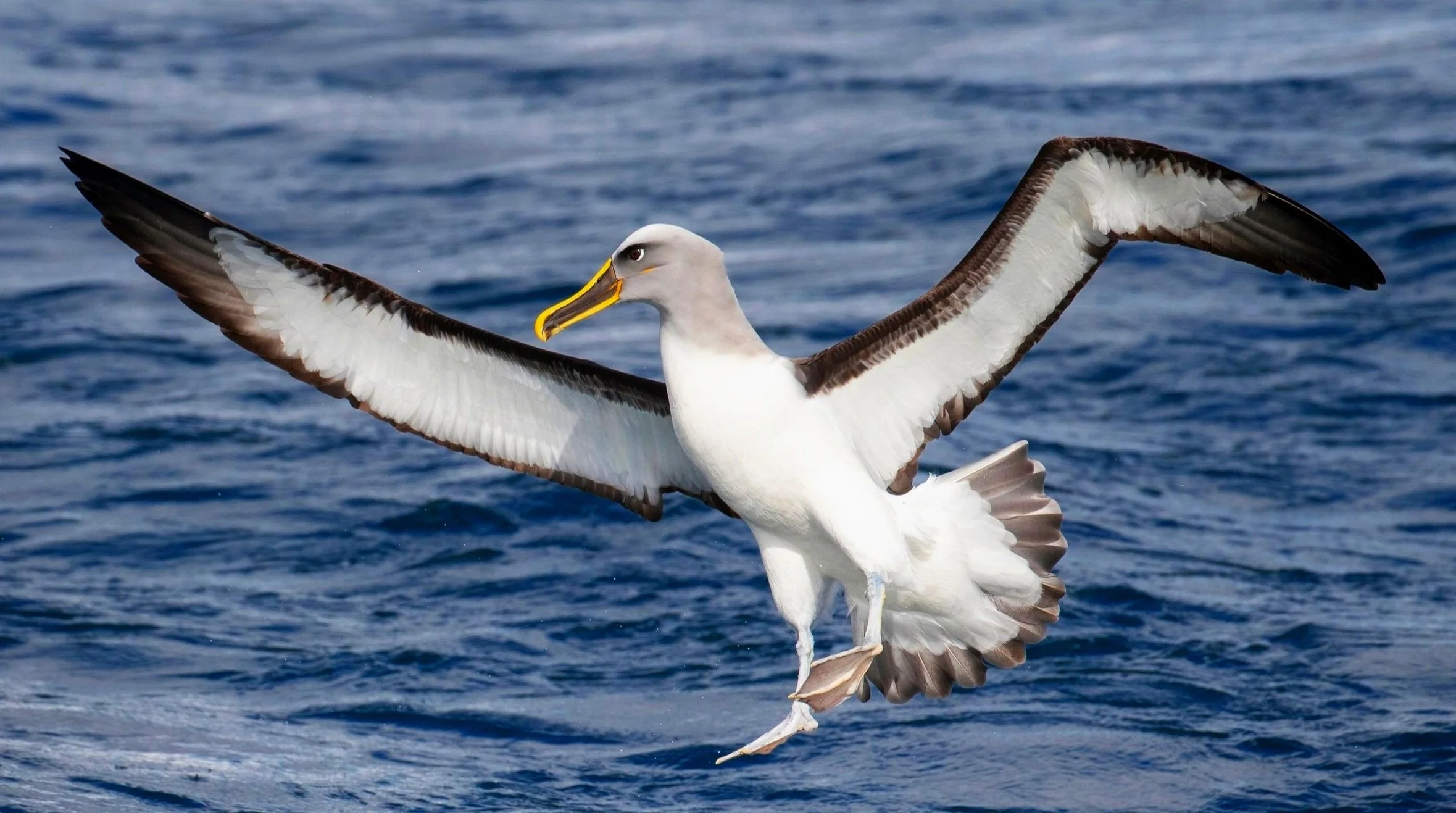
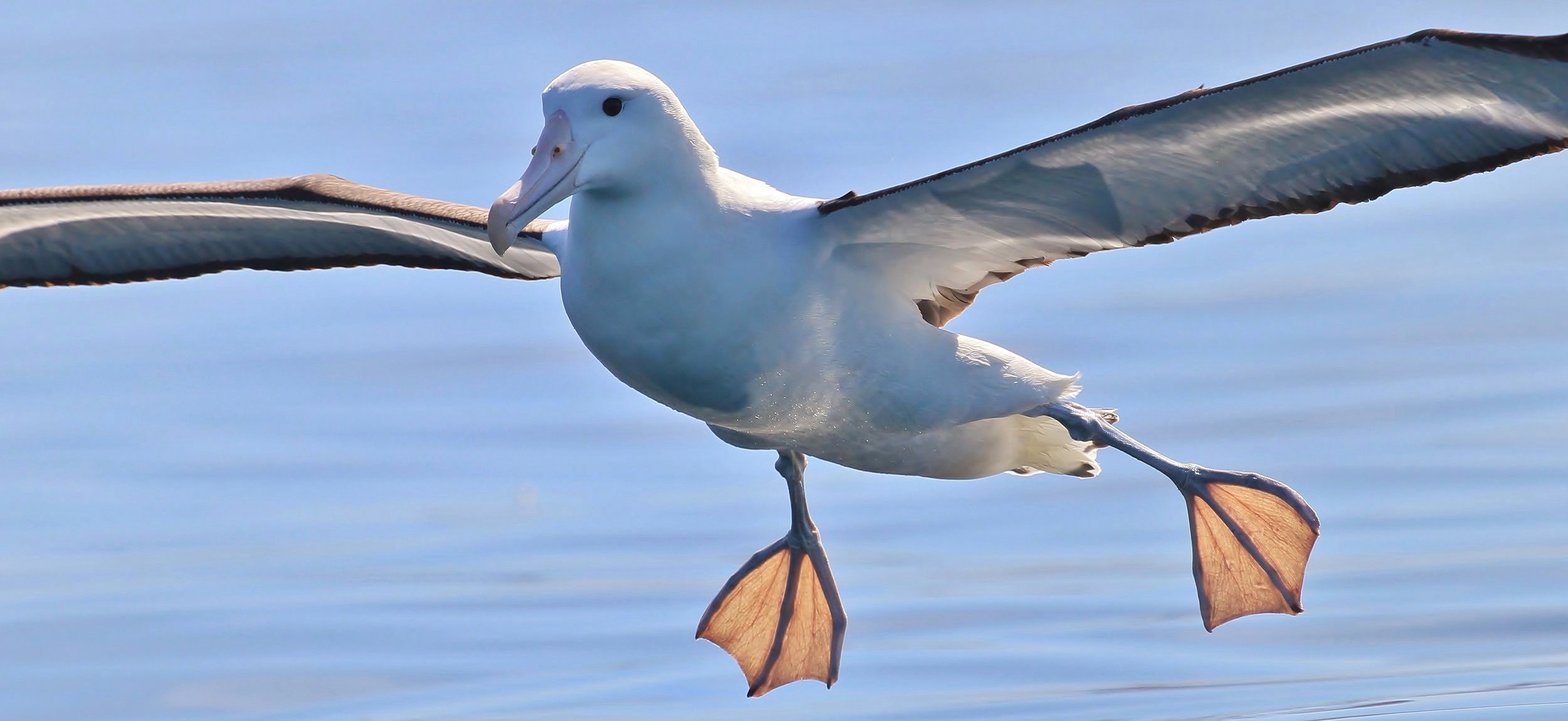
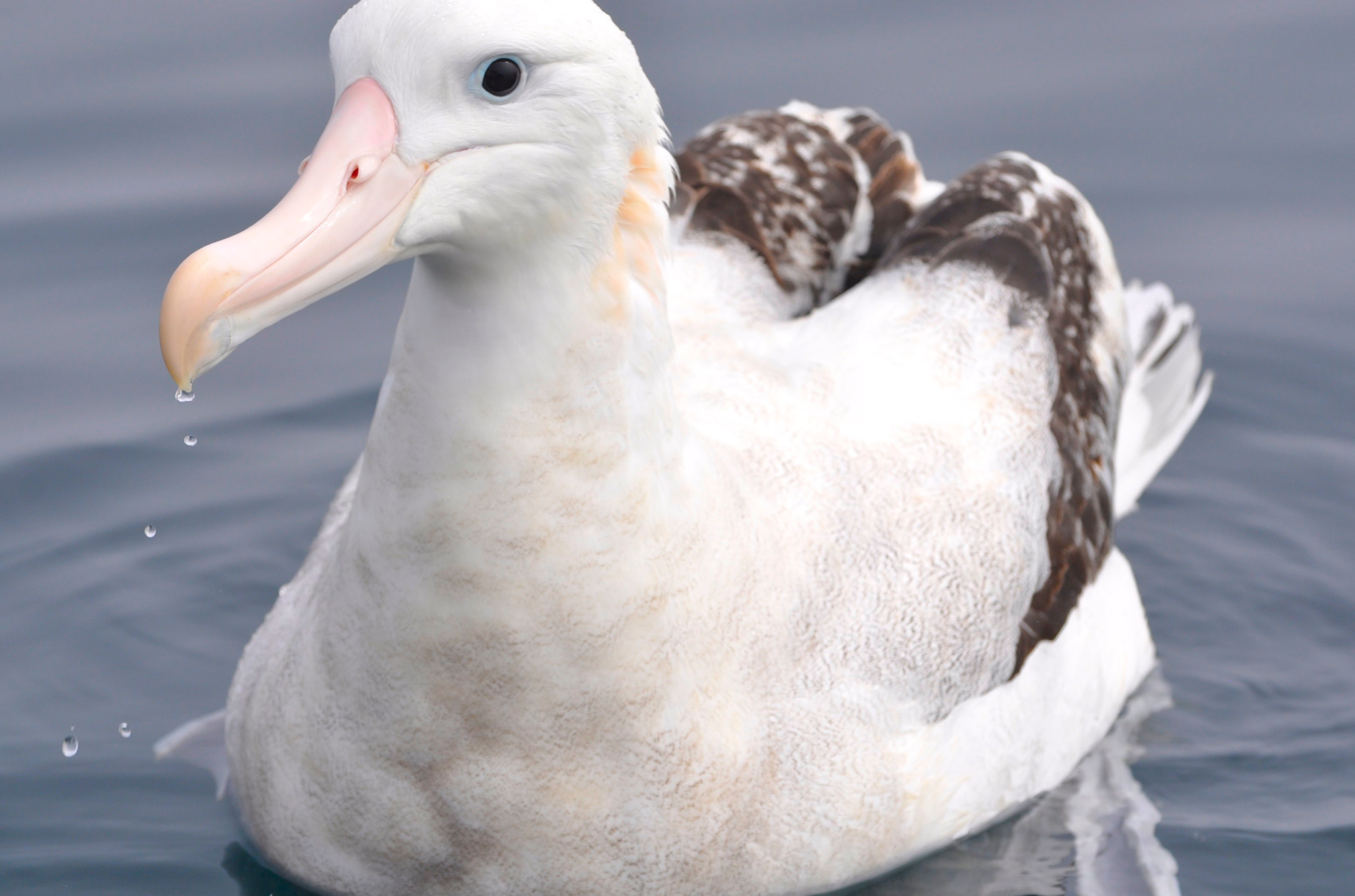
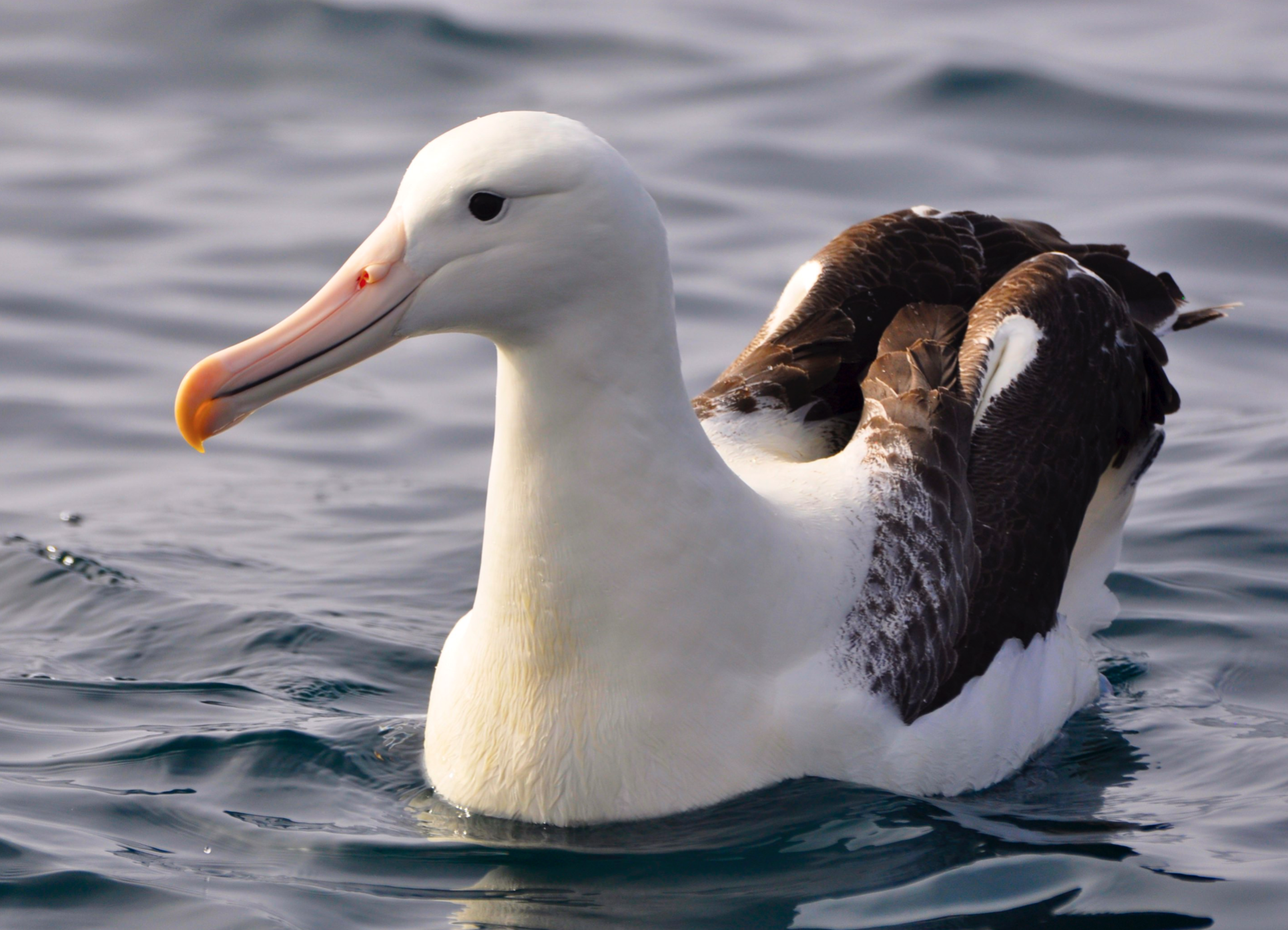
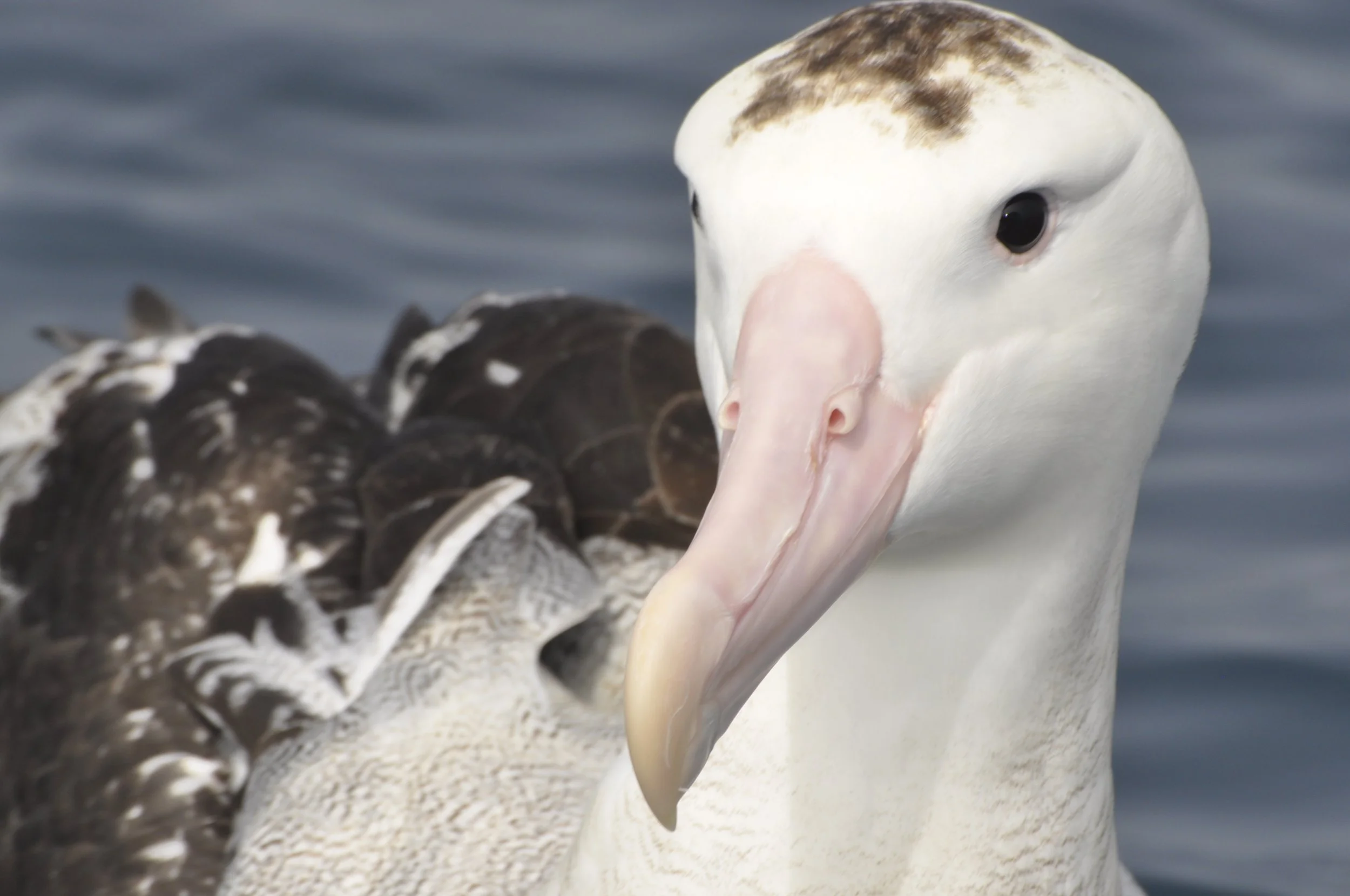
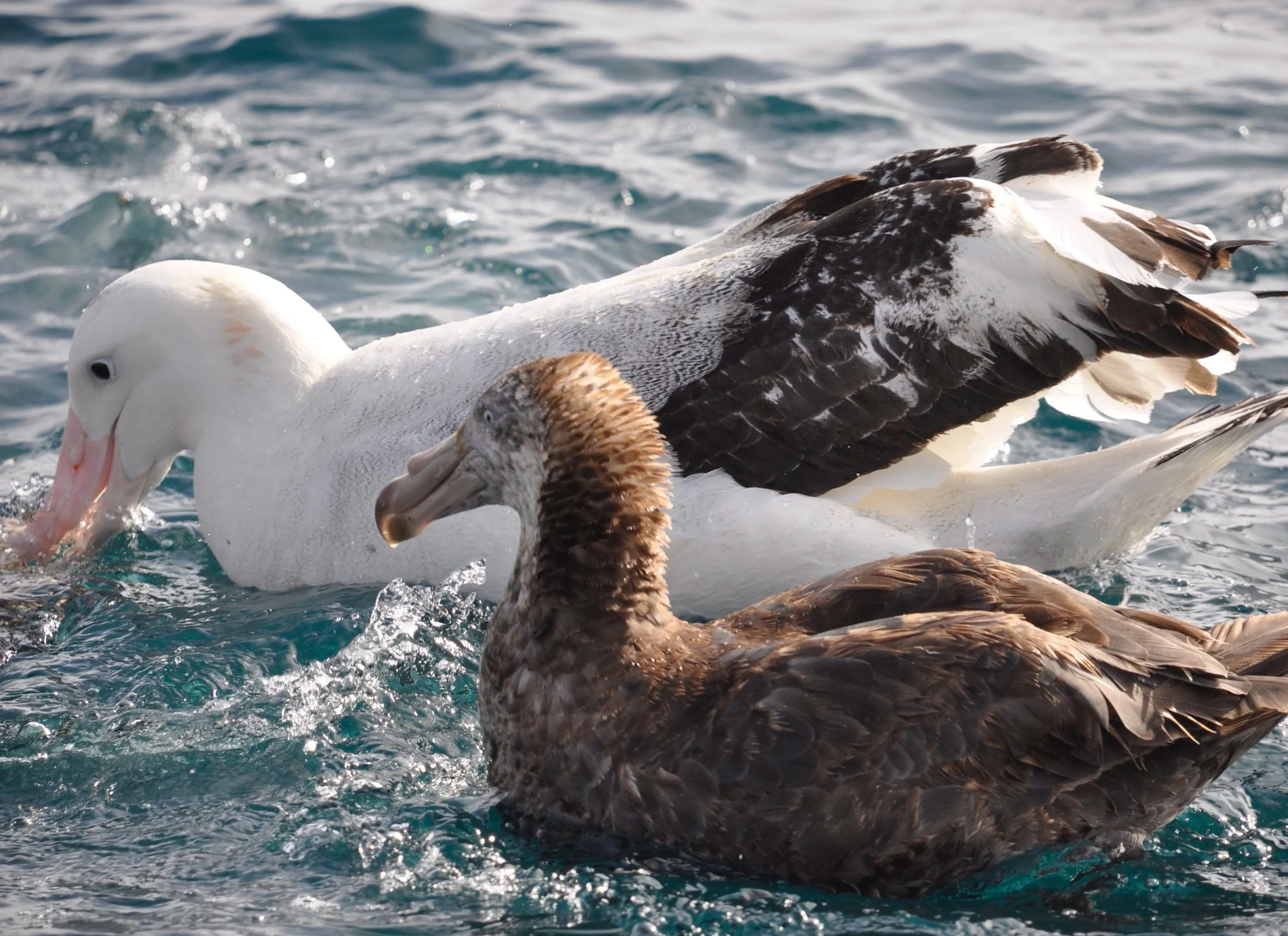
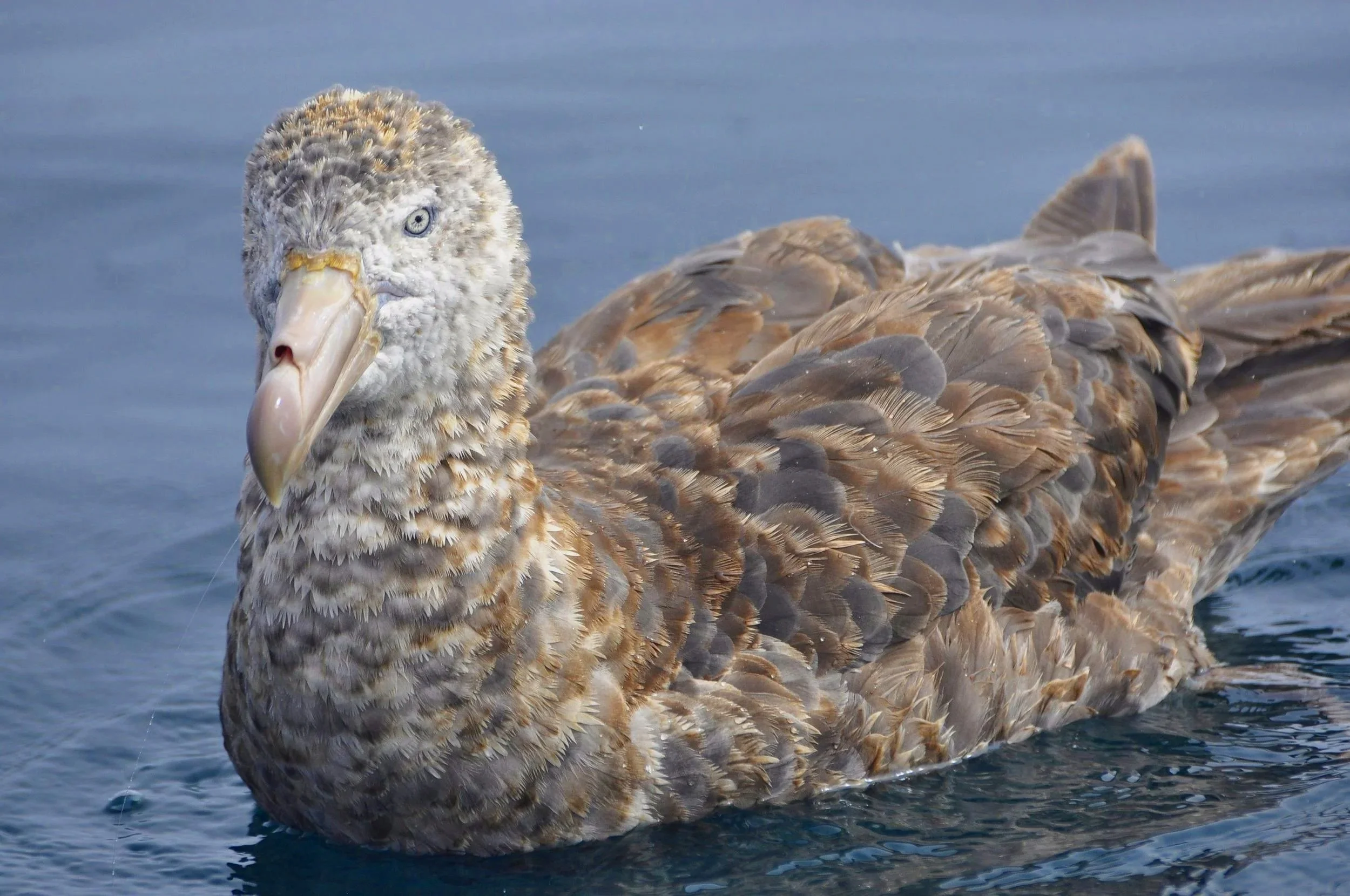
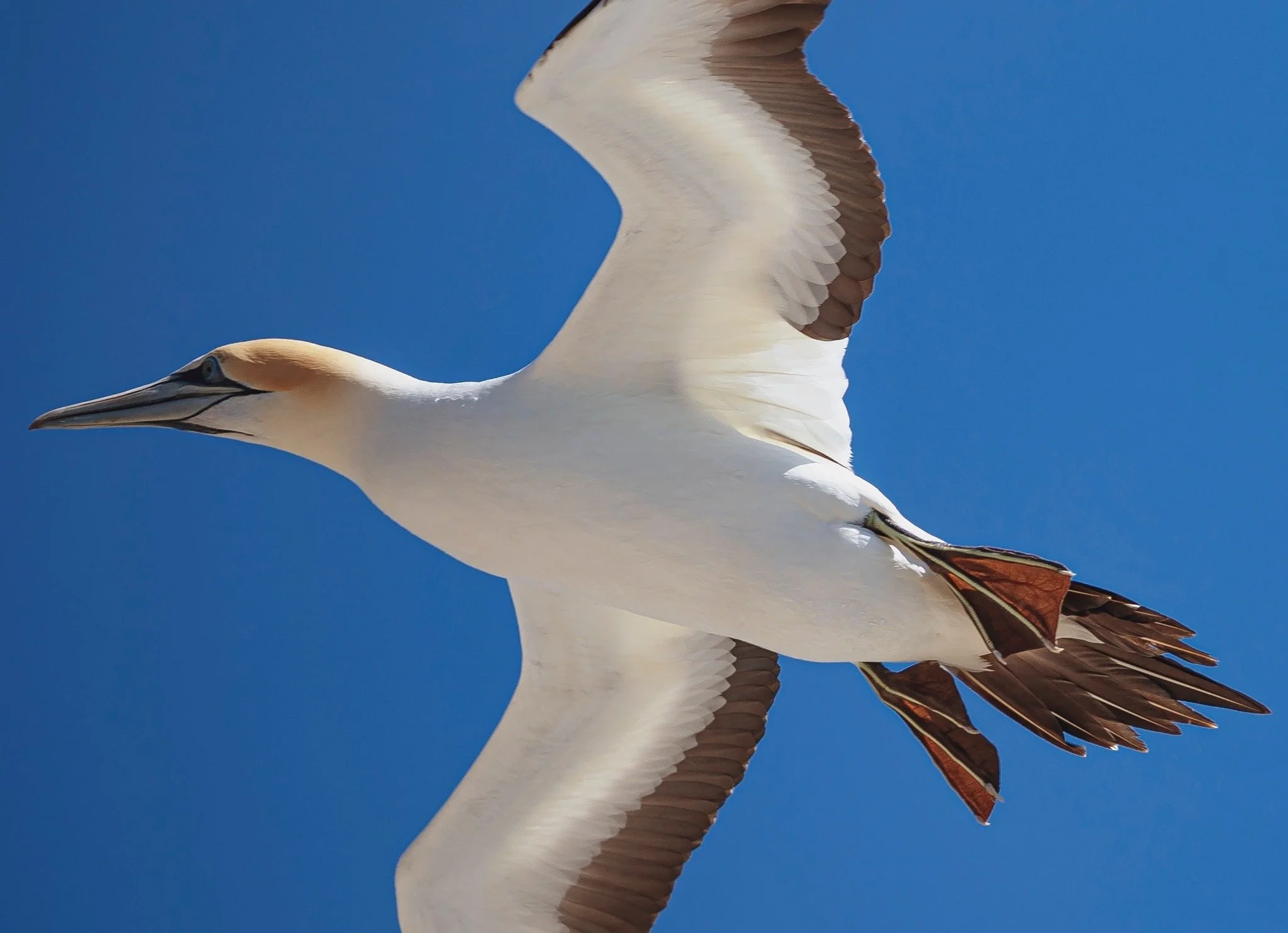
Kaikōura’s seabirds include two thirds of the world’s albatrosses.
Unique Ecosystem
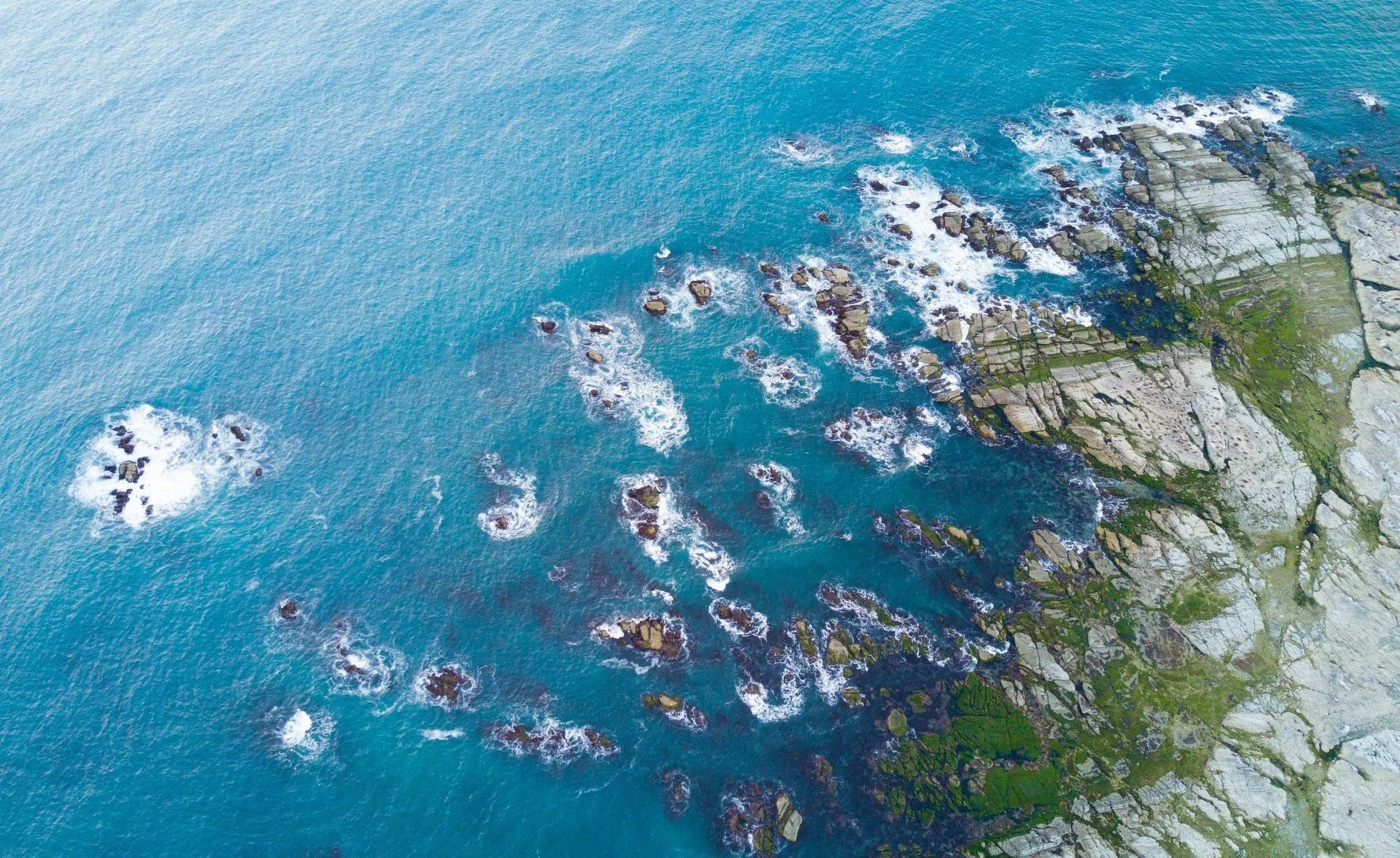
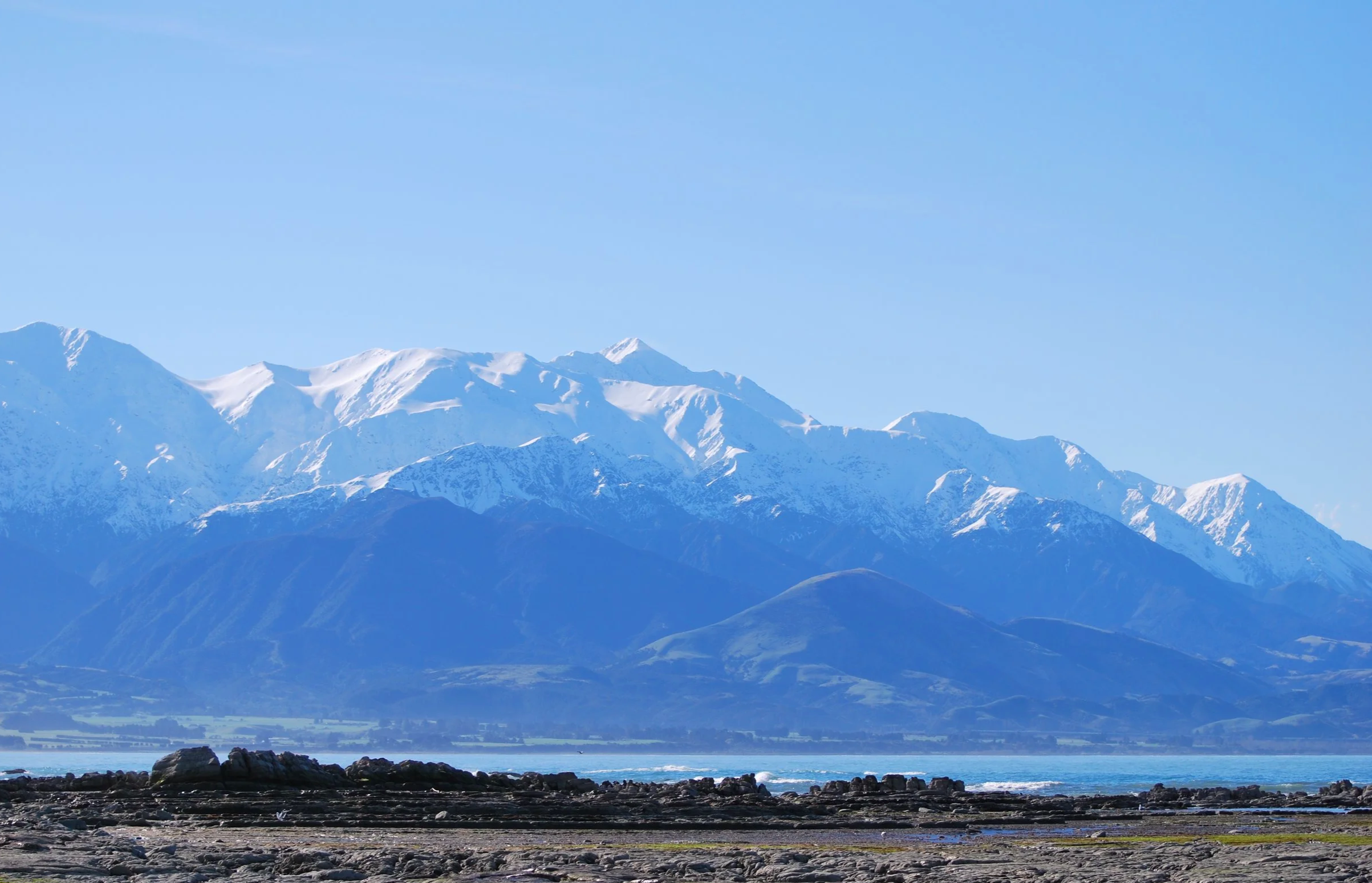
The primary reason for the region’s species diversity is the deepwater Kaikōura Canyon/Hikurangi Trench, which lies within a kilometre of the shoreline south of the Kaikōura Peninsula. Cold nutrient-rich upwellings over shallow coastal water support an abundance of marine mammals and seabirds. There are 86 species of seabird breeding in New Zealand waters, 48 of which breed nowhere else in the world.
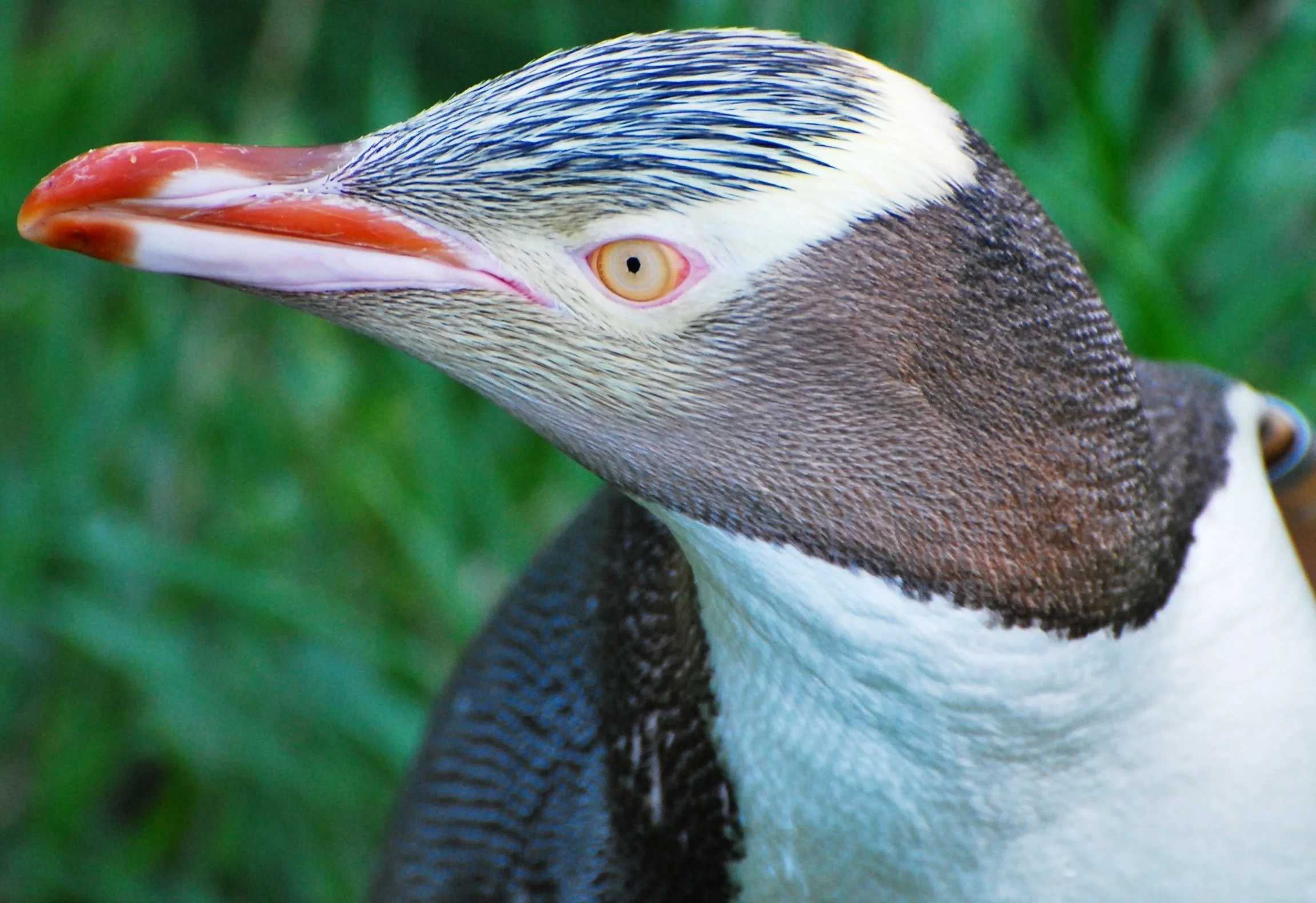
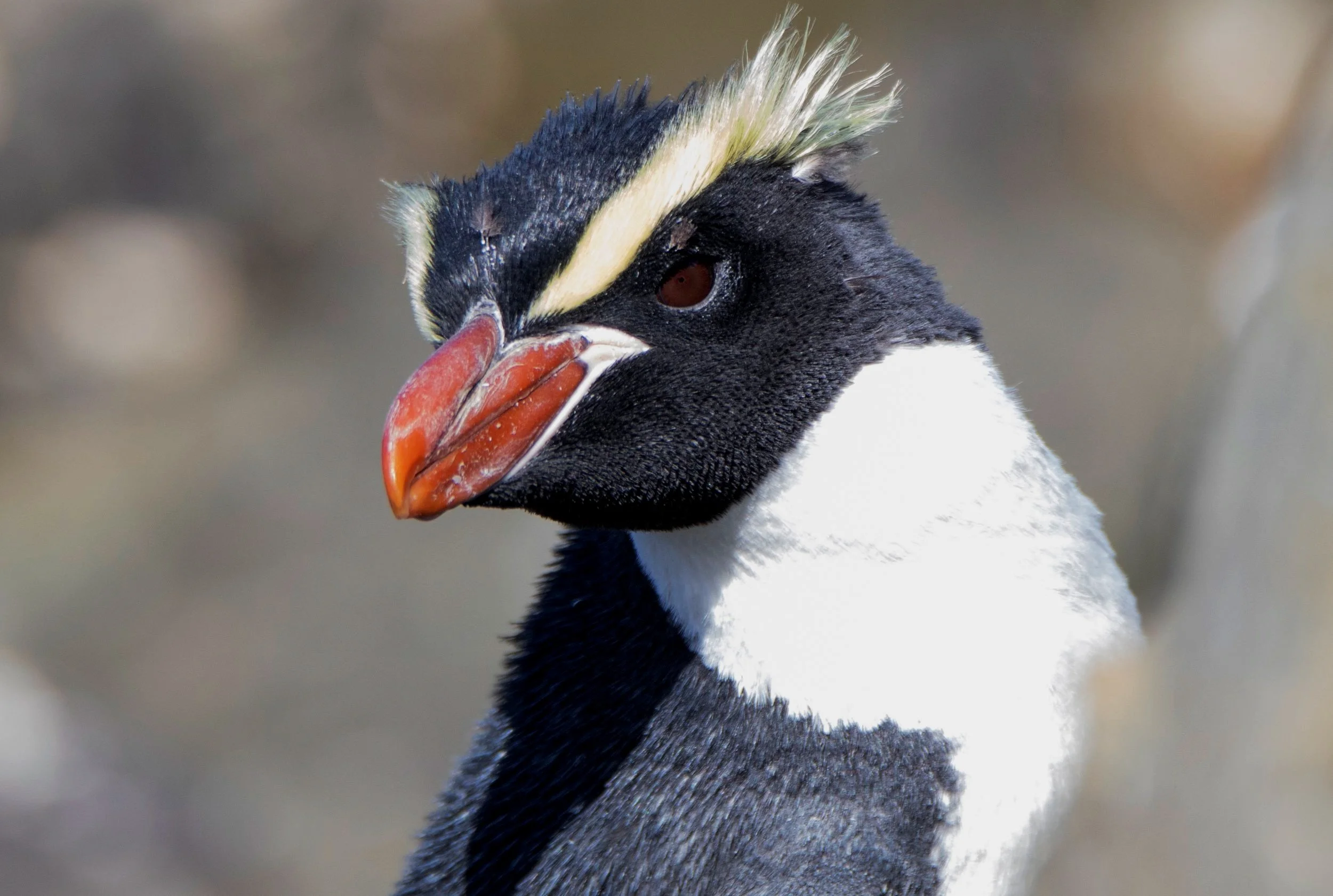
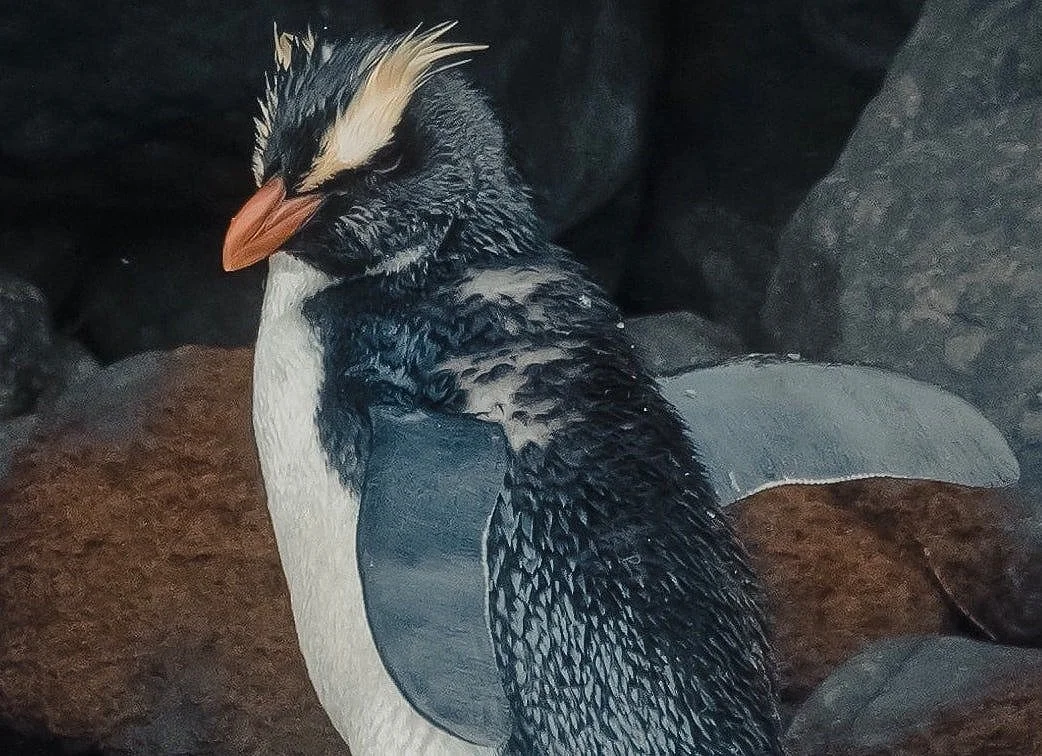
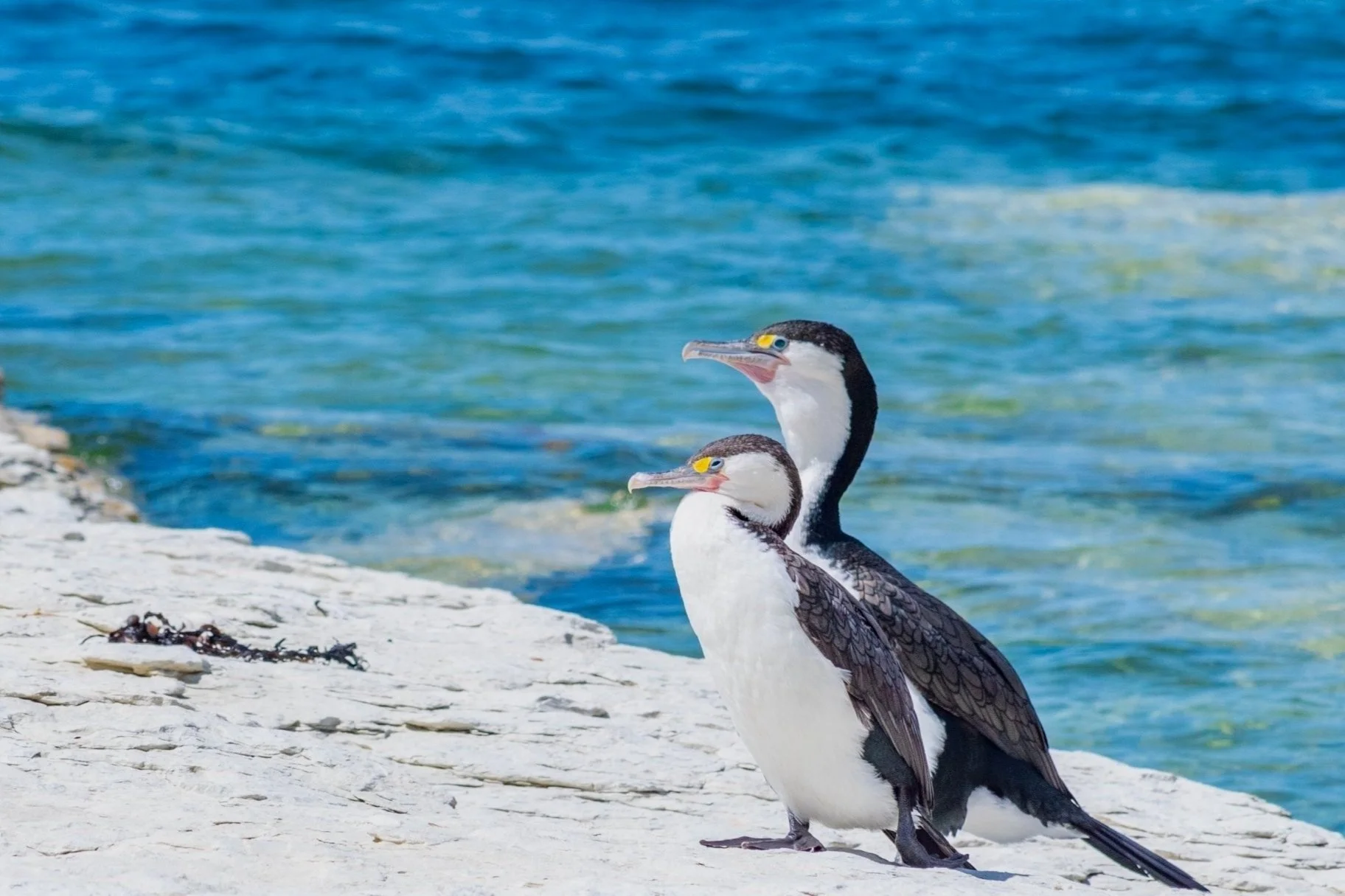
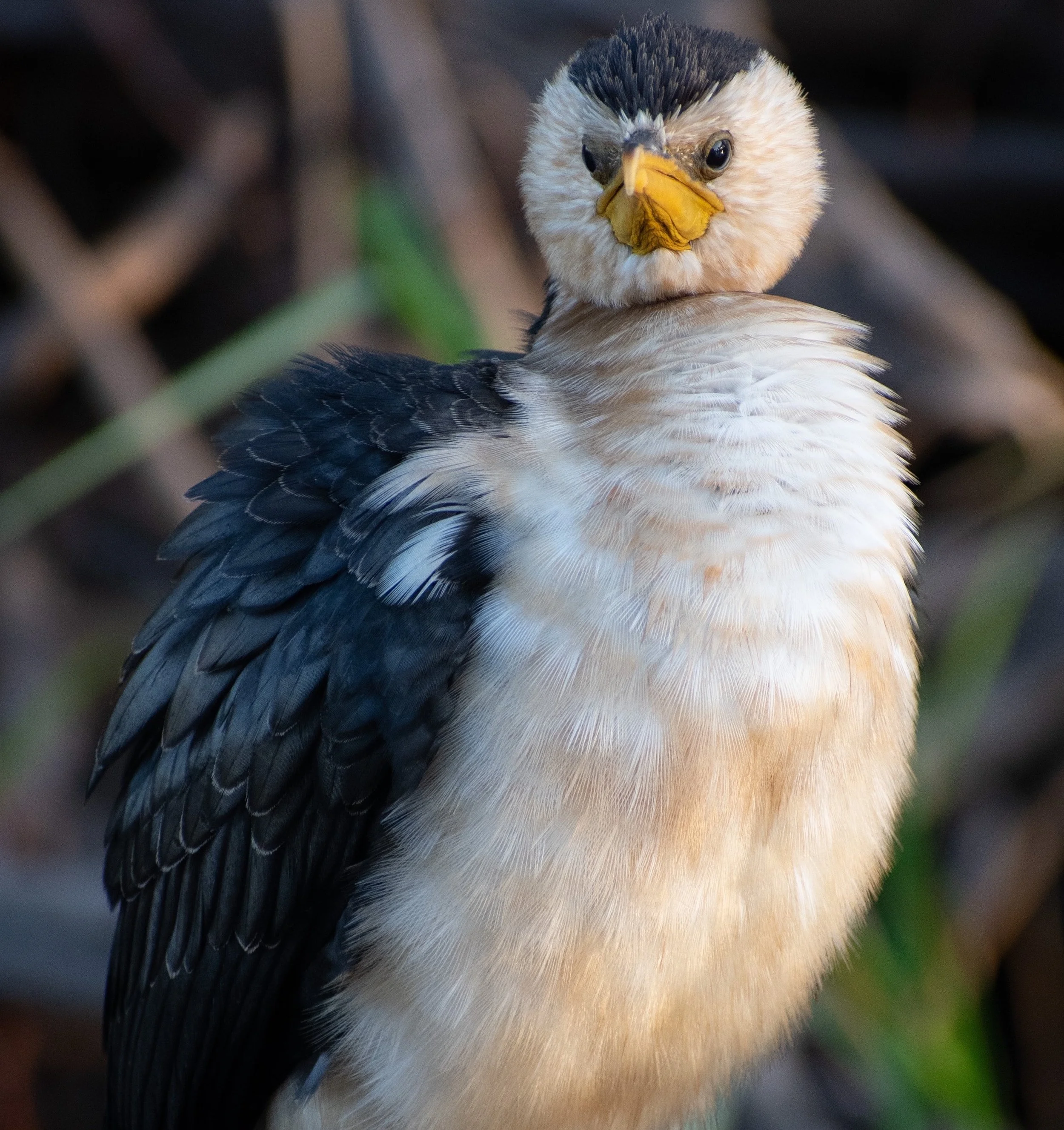
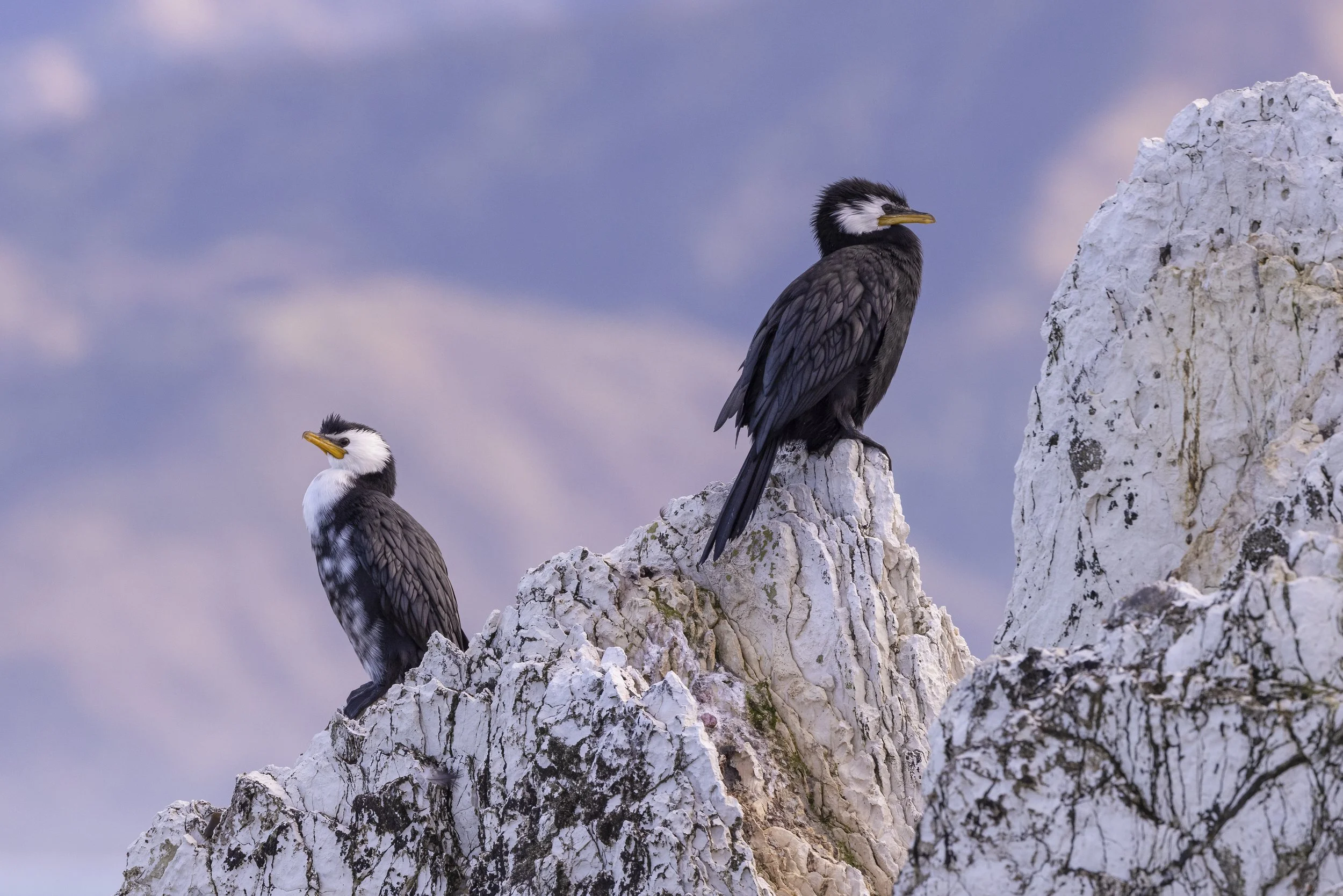
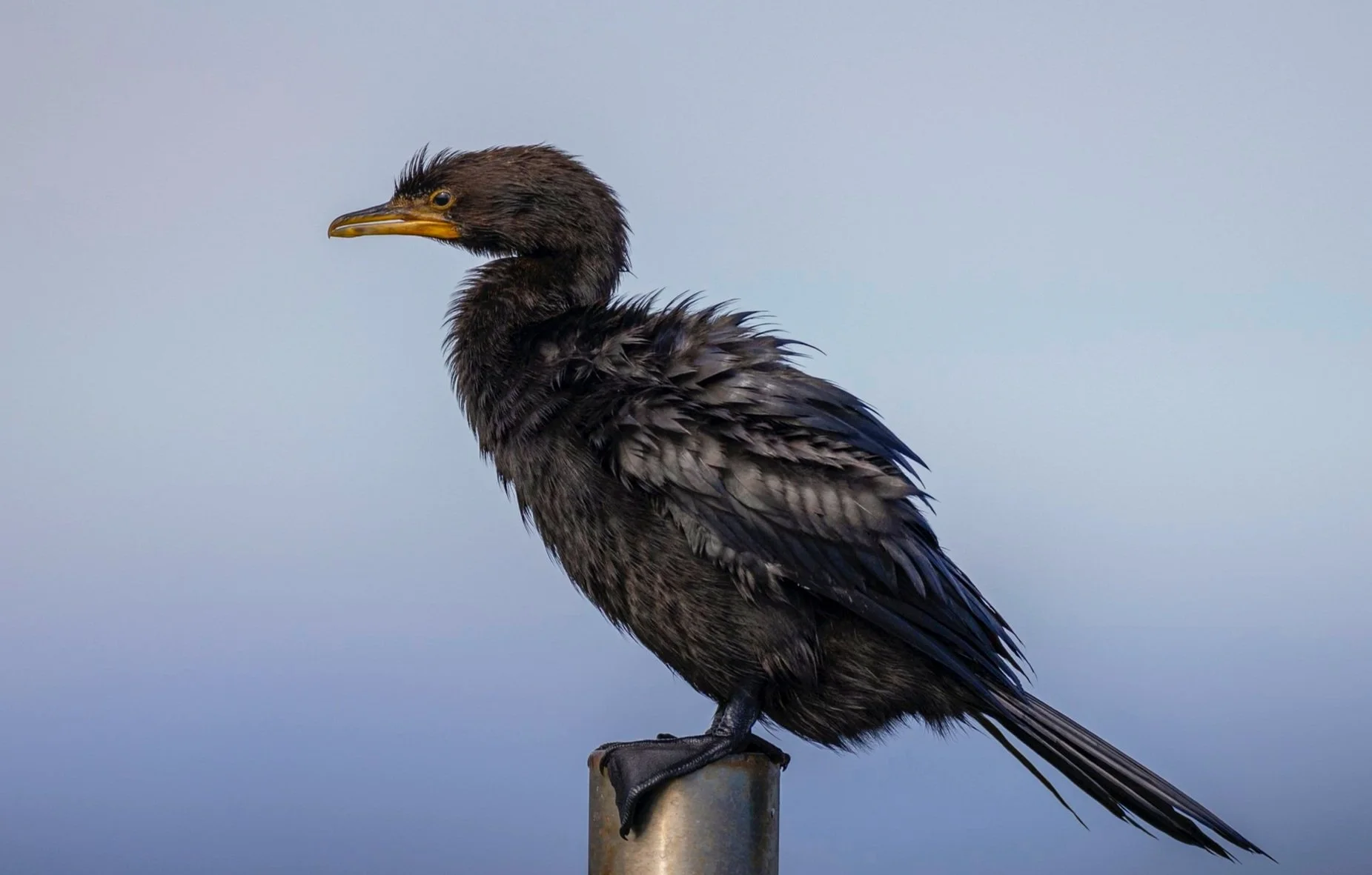
New Zealand has more penguin, shag and albatross species than any other country in the world. Of the world’s 18 penguin species, 13 have been recorded in the New Zealand region; while 12 out of 36 shag species are found in New Zealand. There are 23 recognised albatross species globally, 17 of which are recorded in New Zealand. 14 of these occur in Kaikōura waters, equating to two-thirds of the world’s albatrosses in one region.
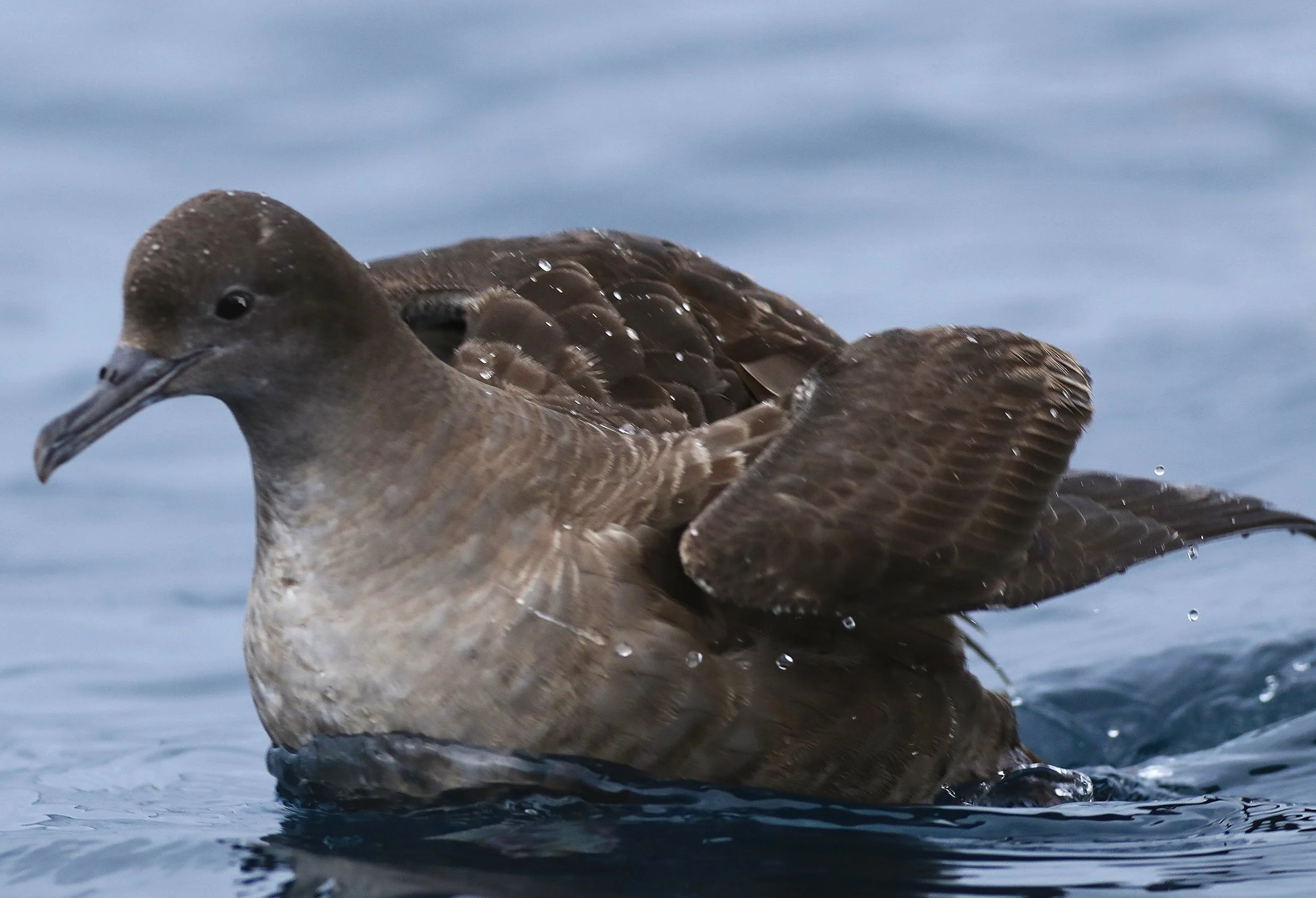
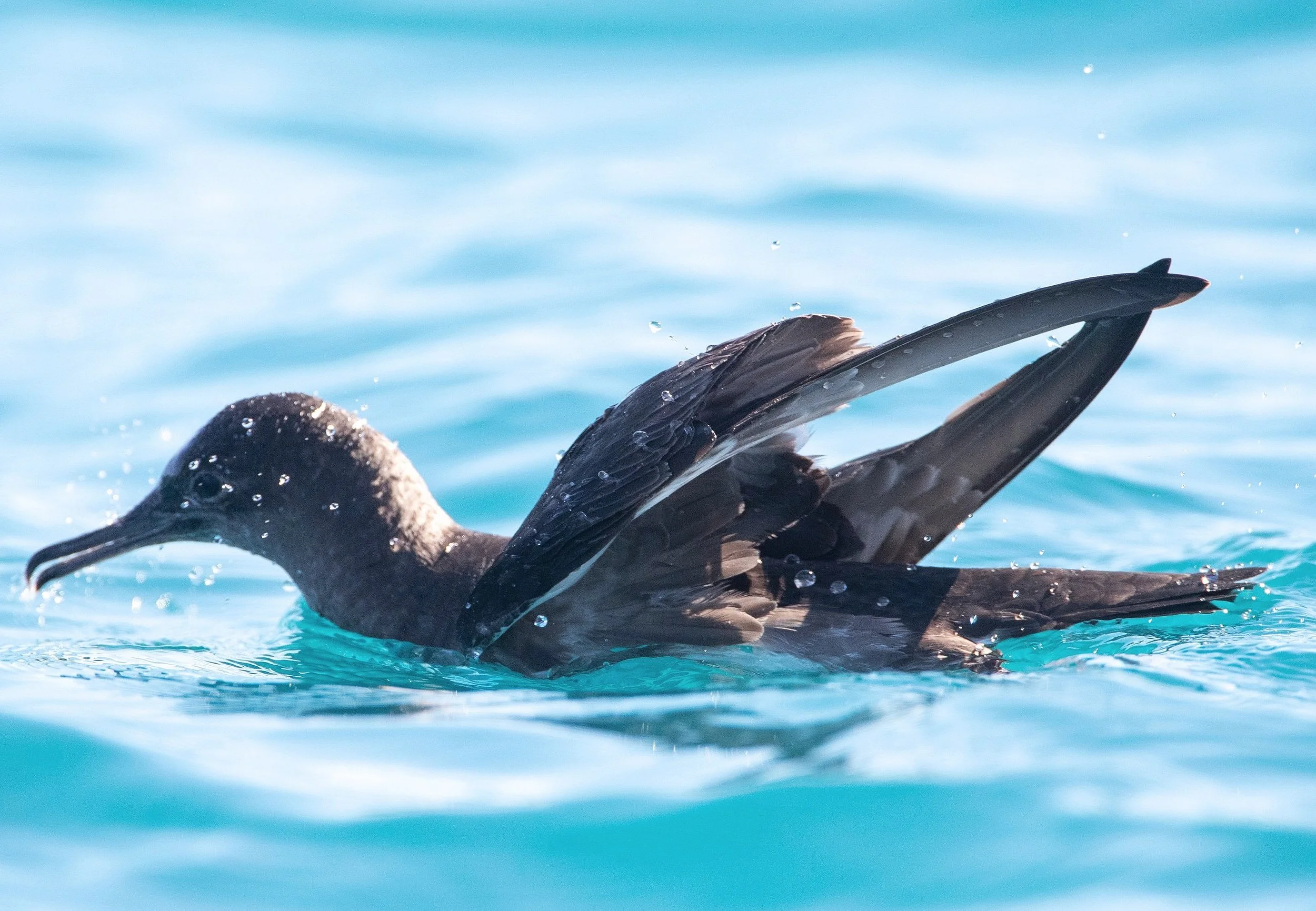
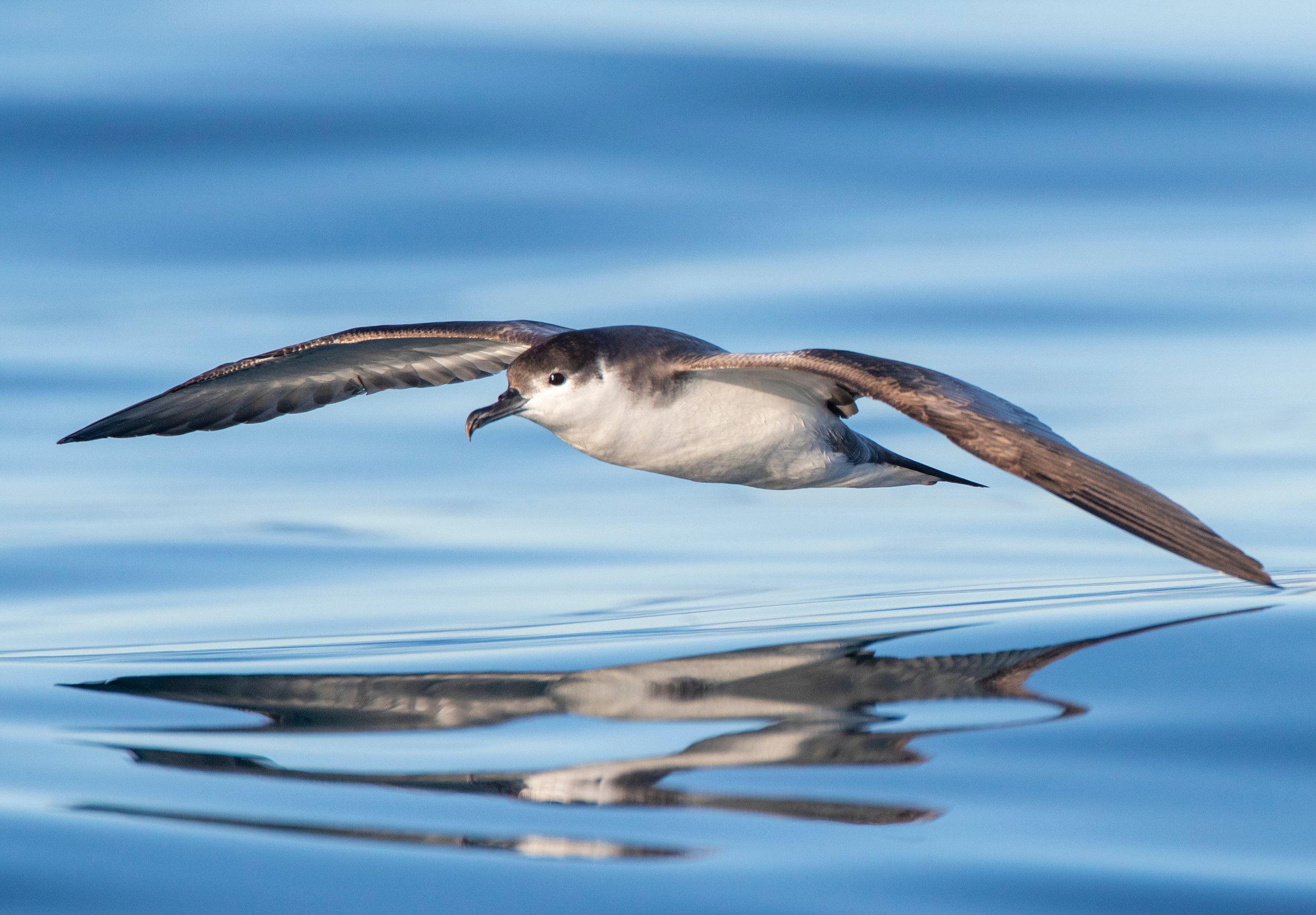
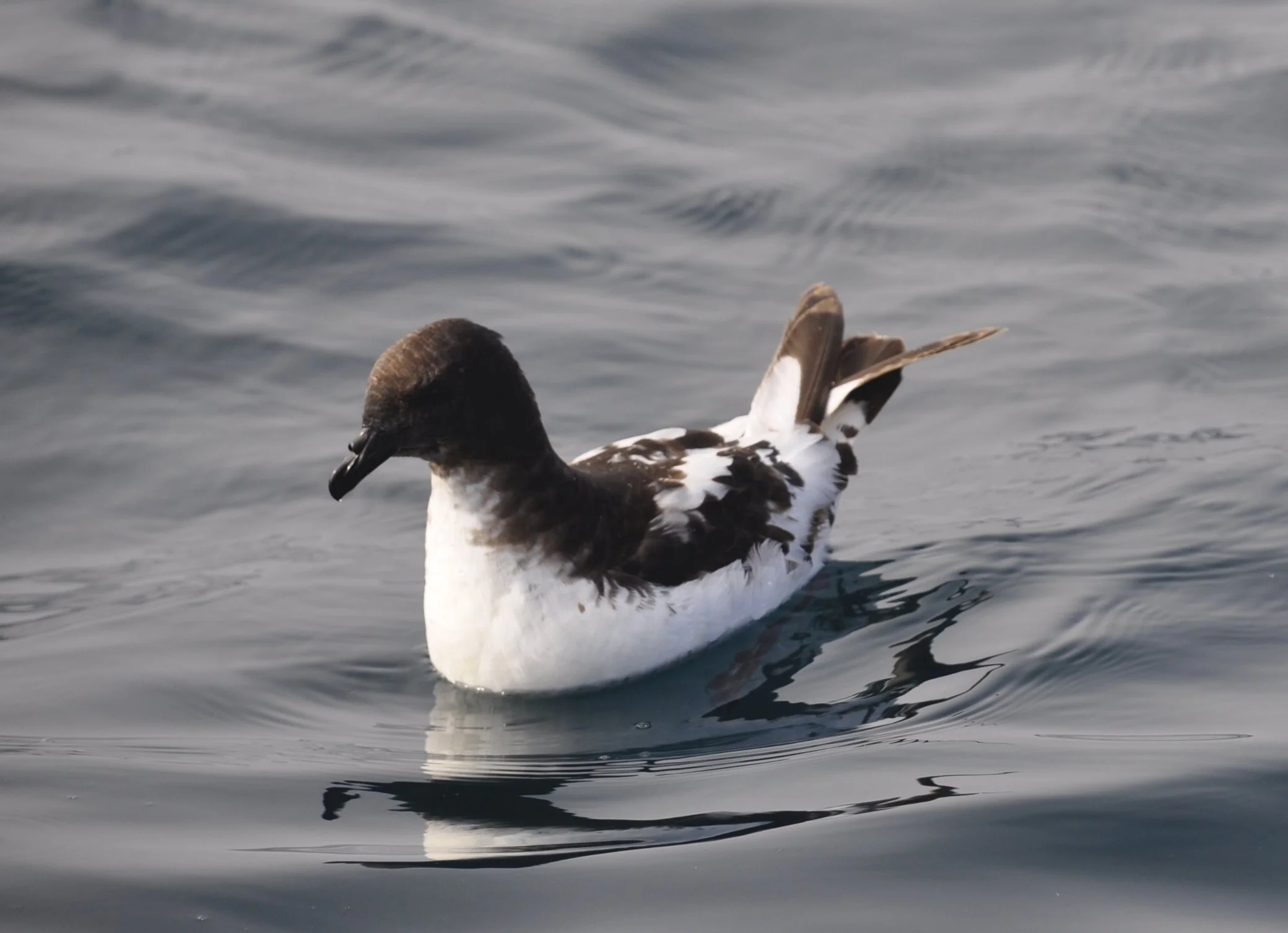
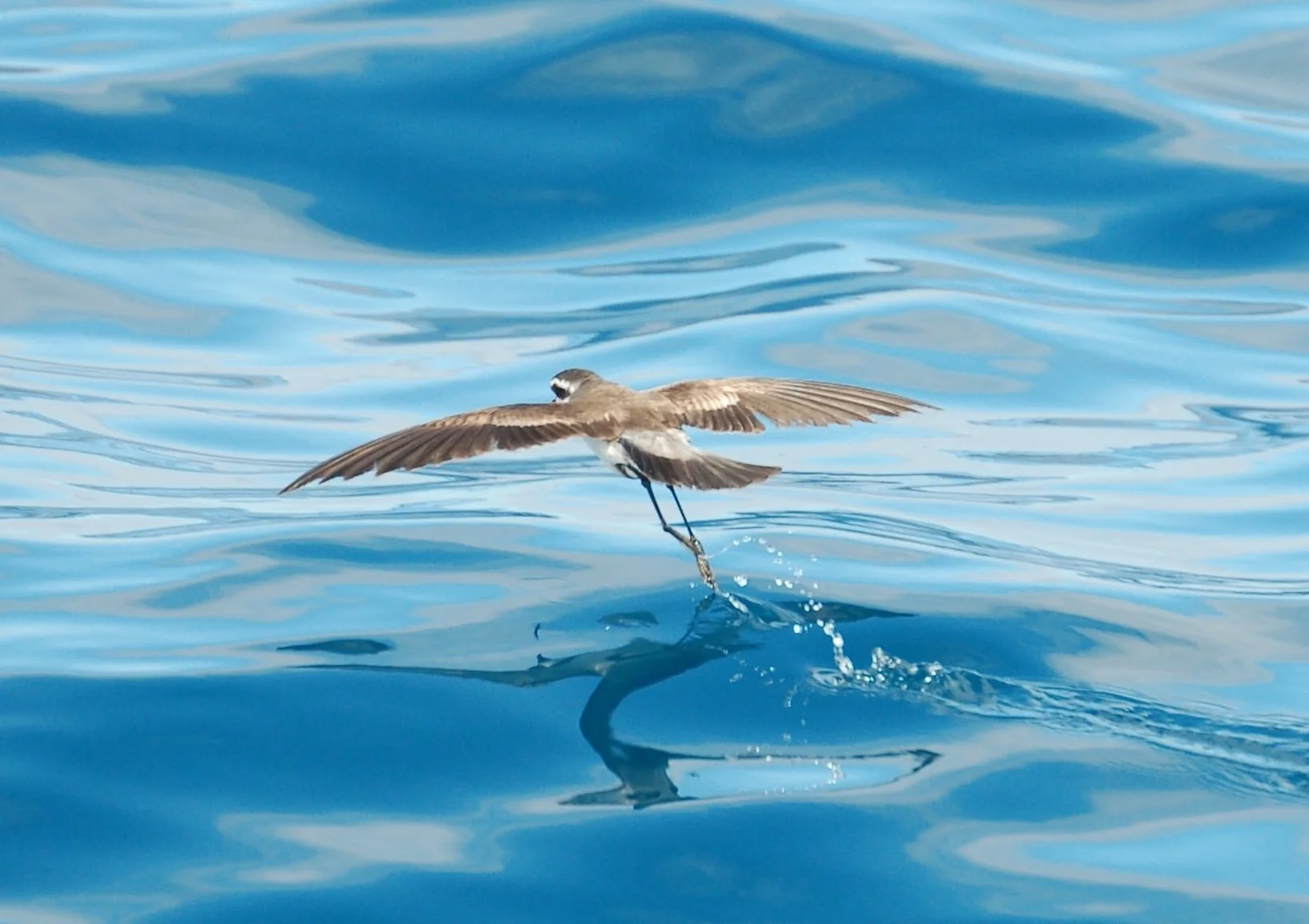
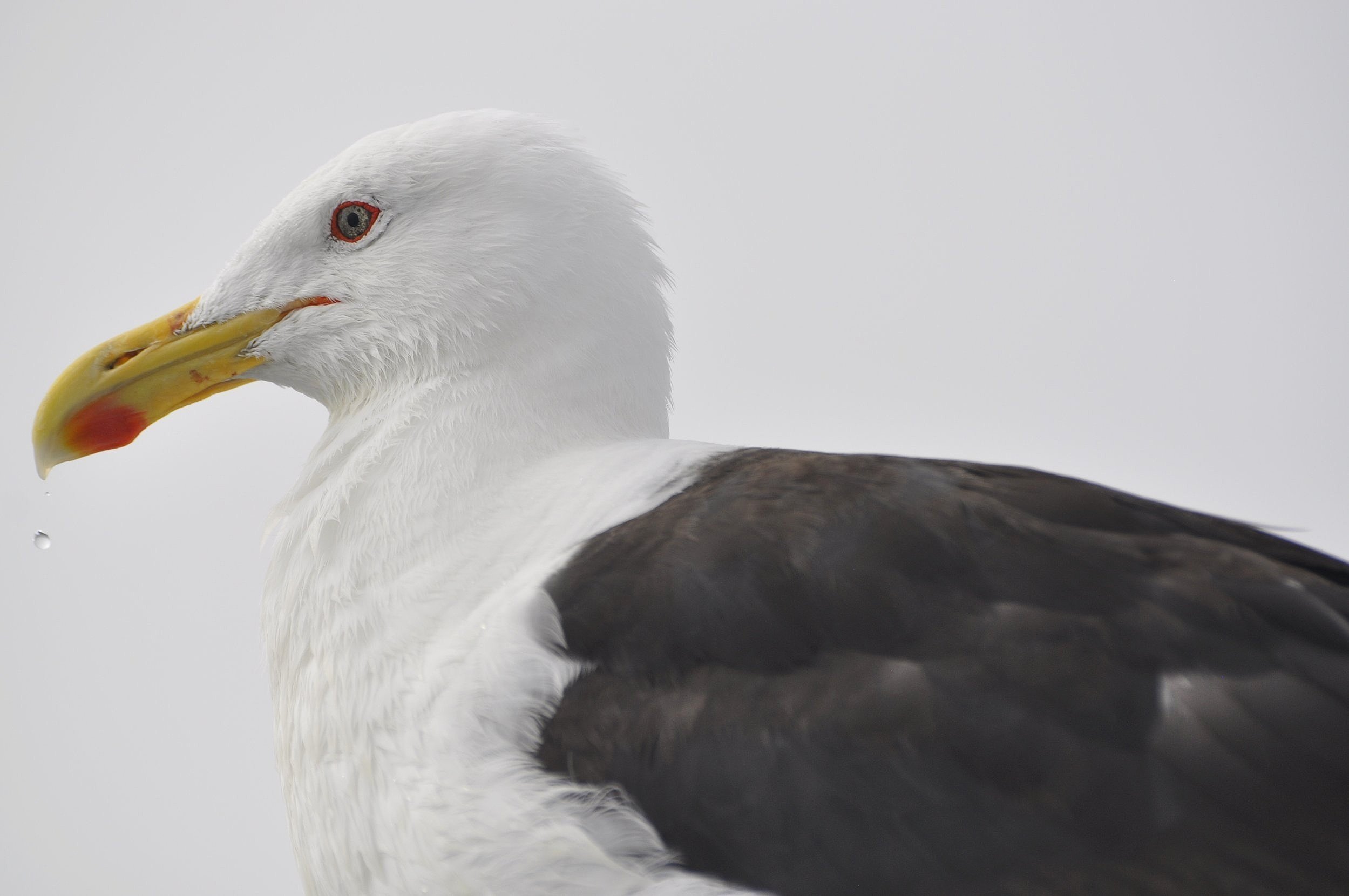
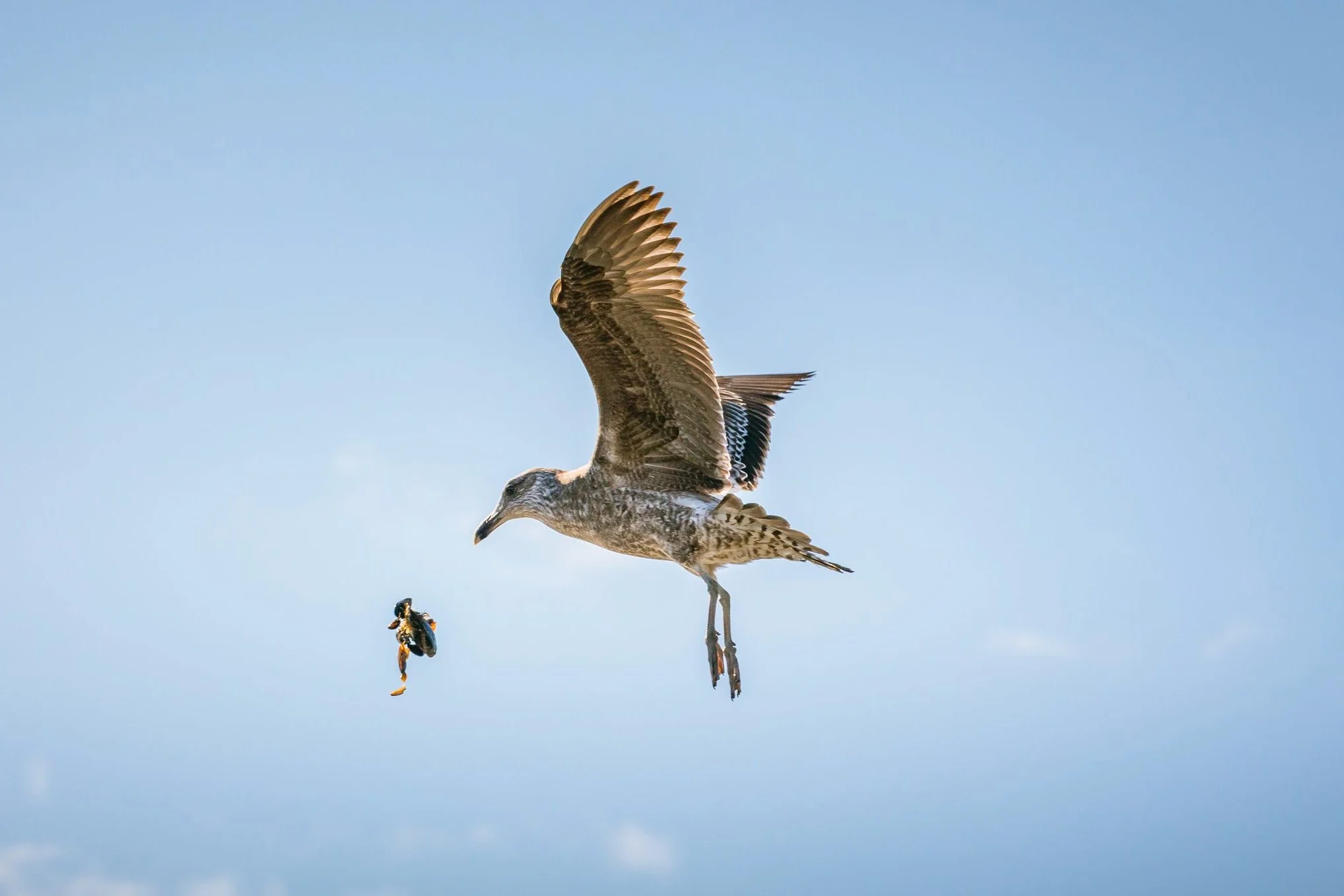
With seabirds being the most threatened group of vertebrates globally and 90% being threatened with extinction, Kaikōura is site of critical importance hosting over 60 species. A diverse range of pelagic and inshore seabirds rely on our marine environment.
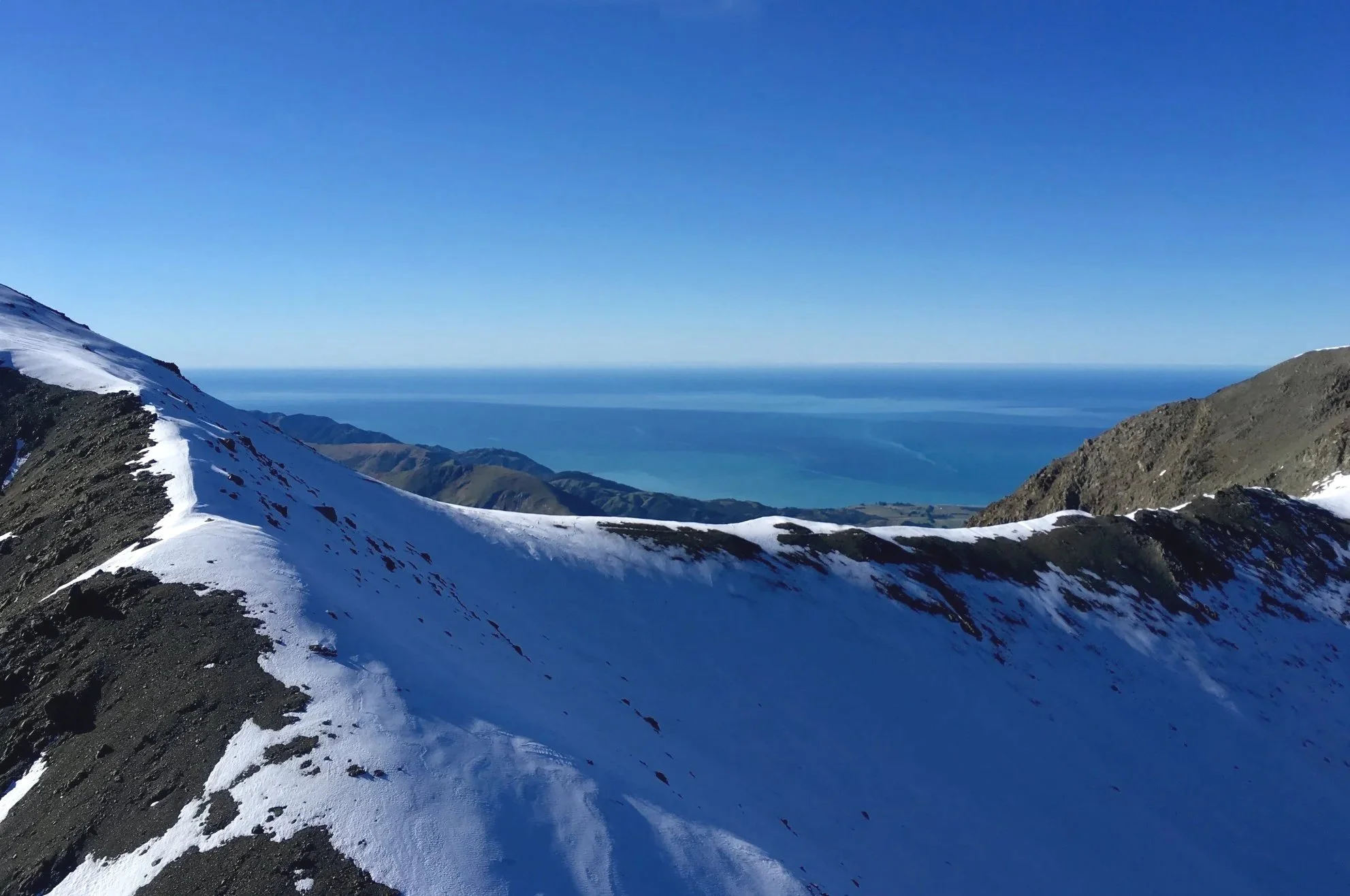
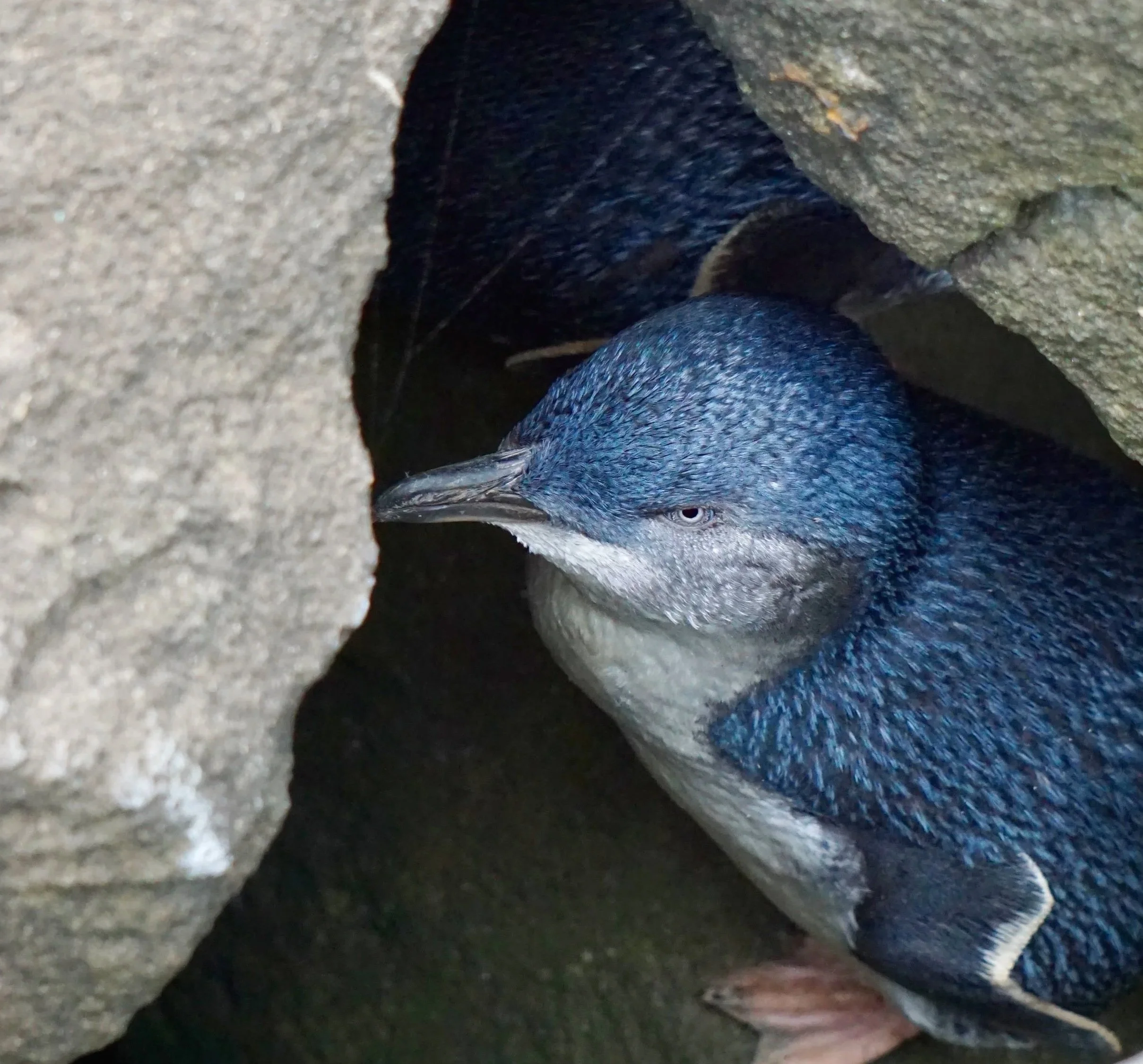
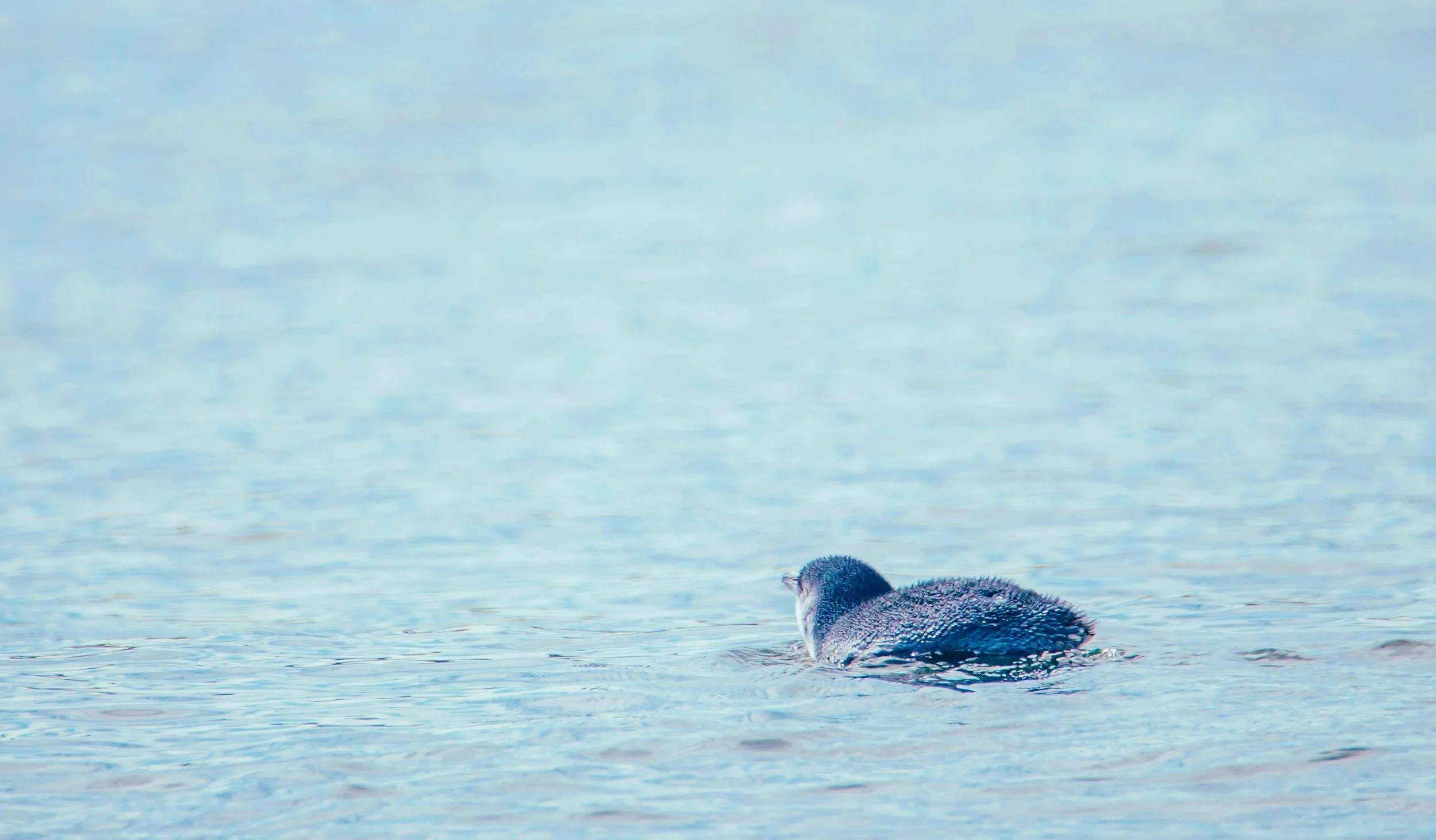
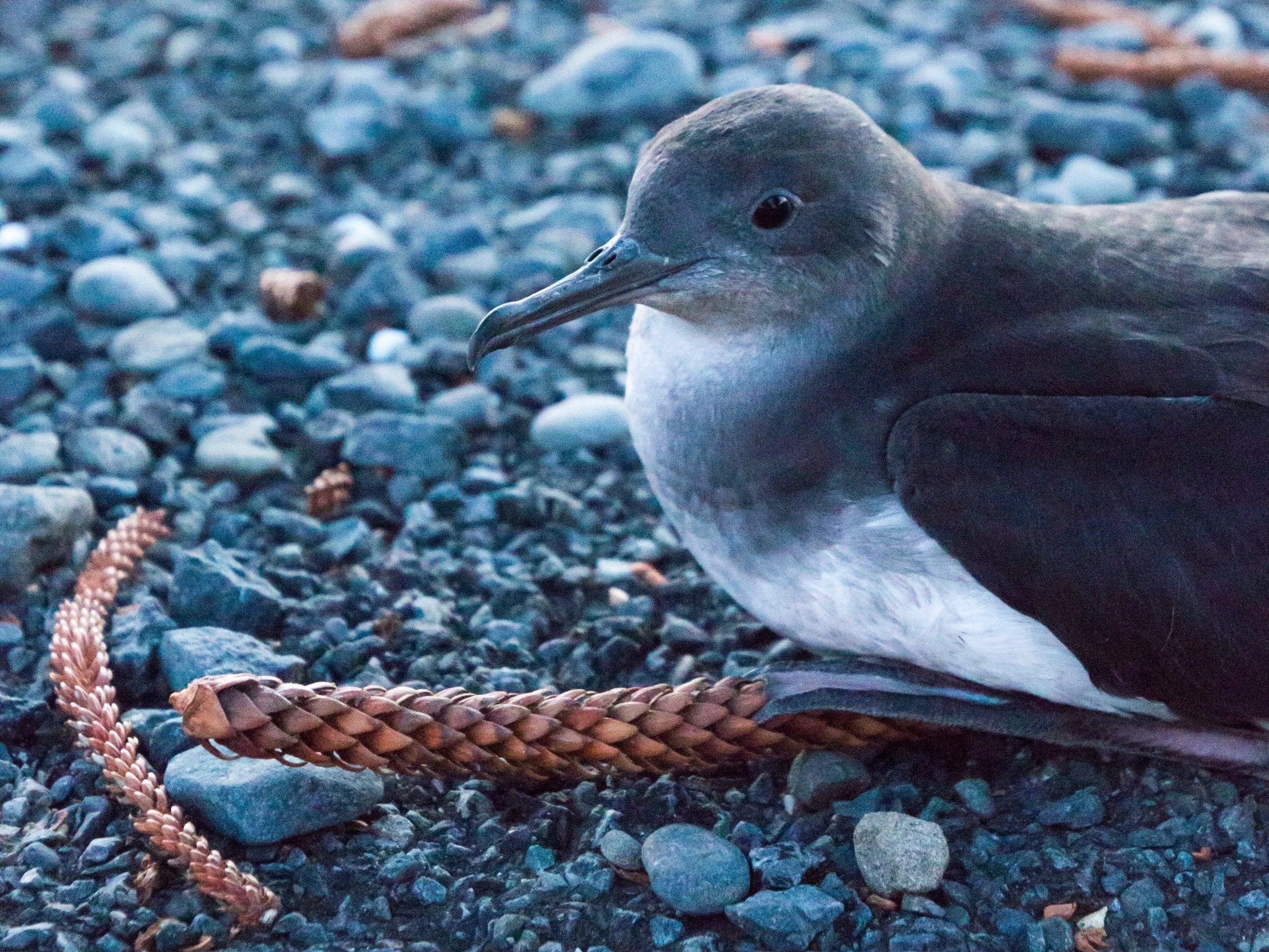
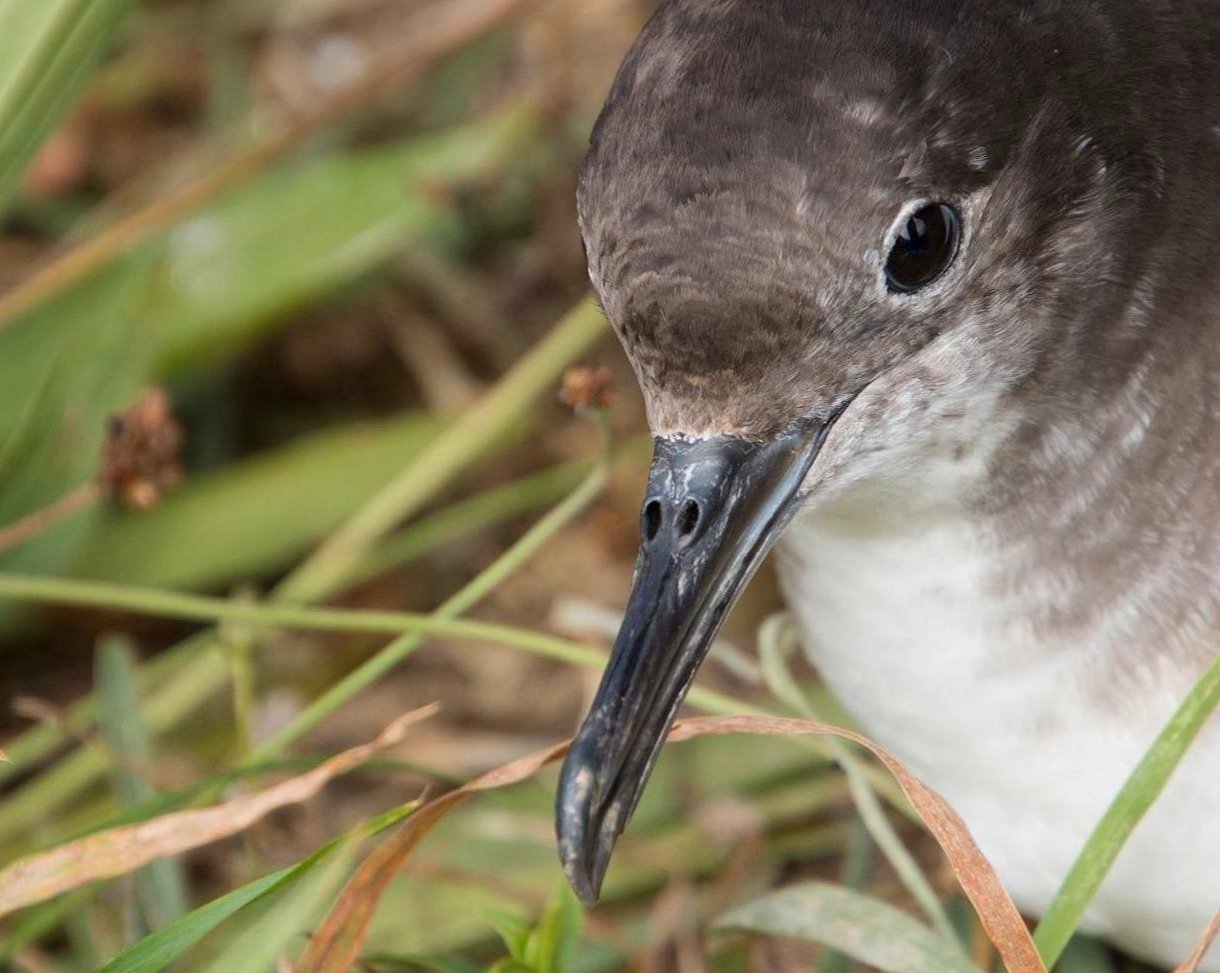
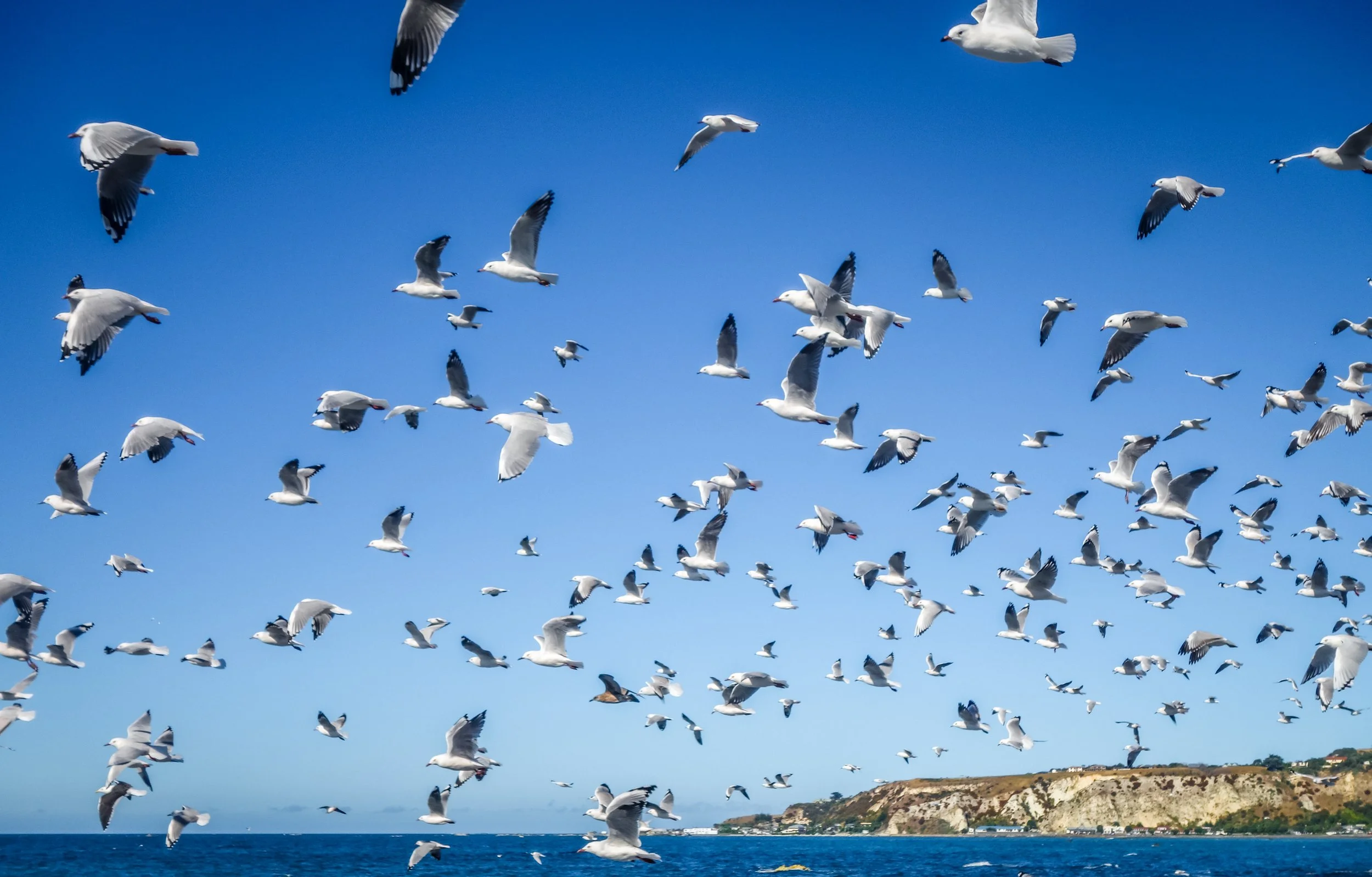
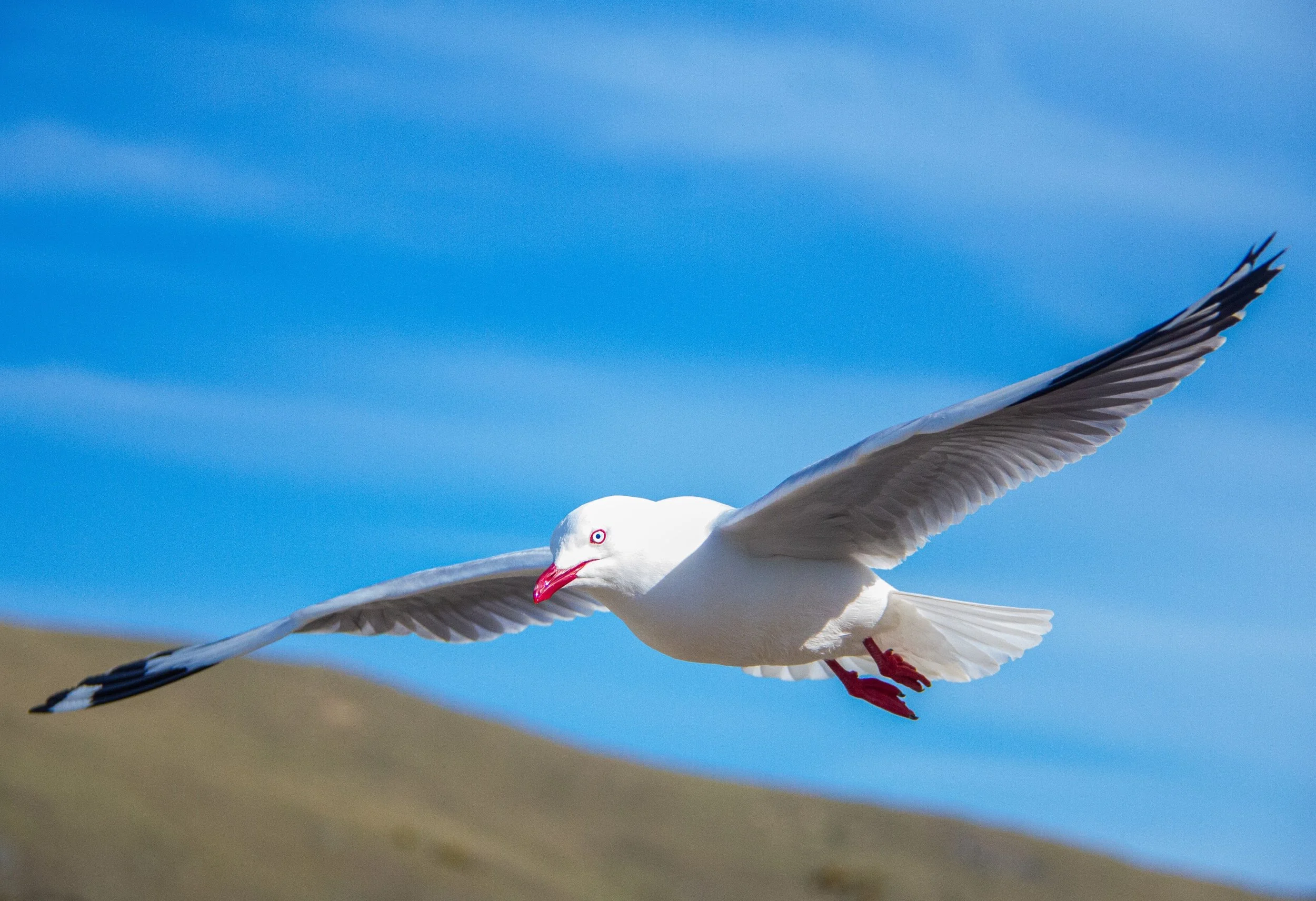
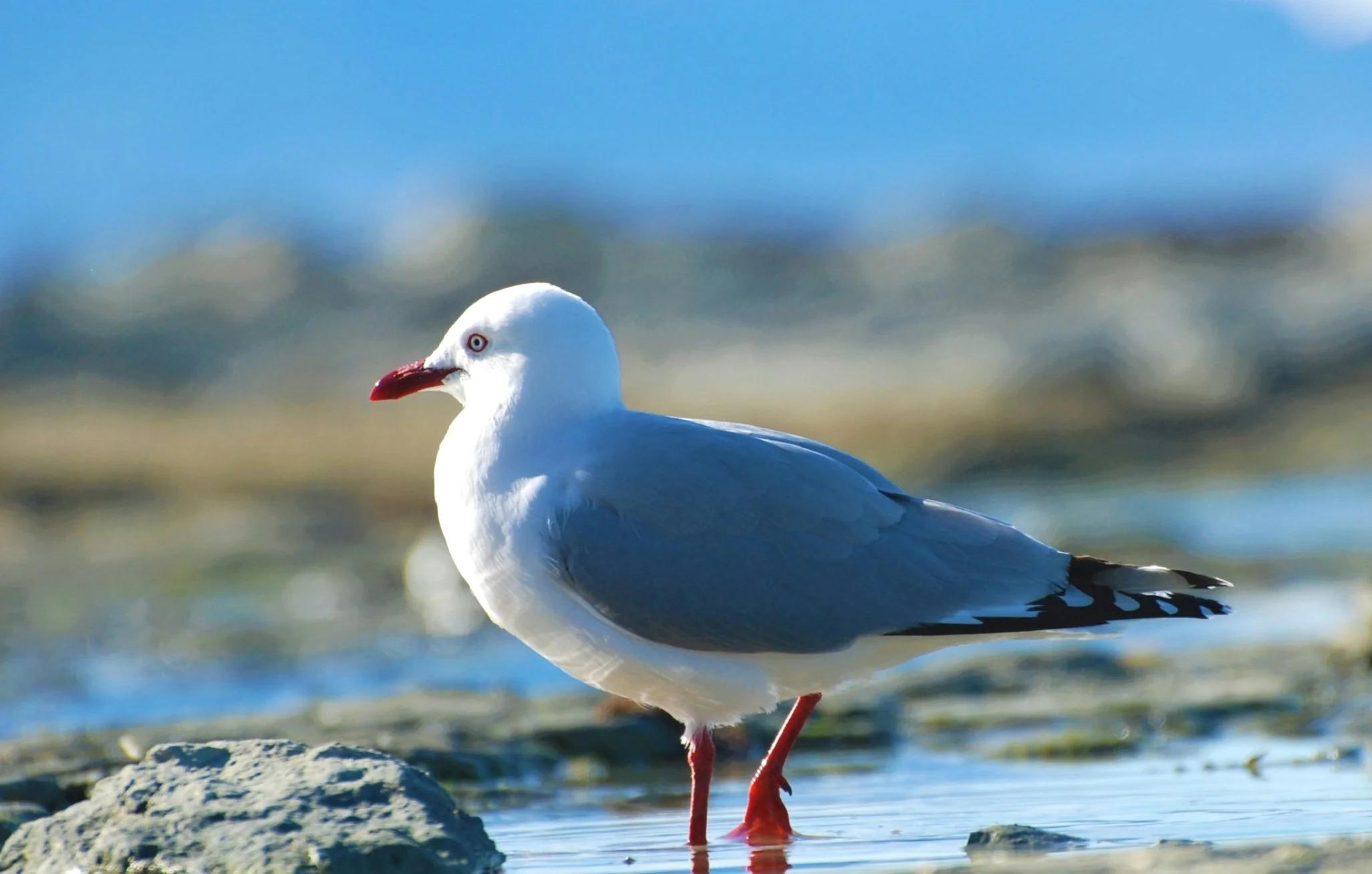
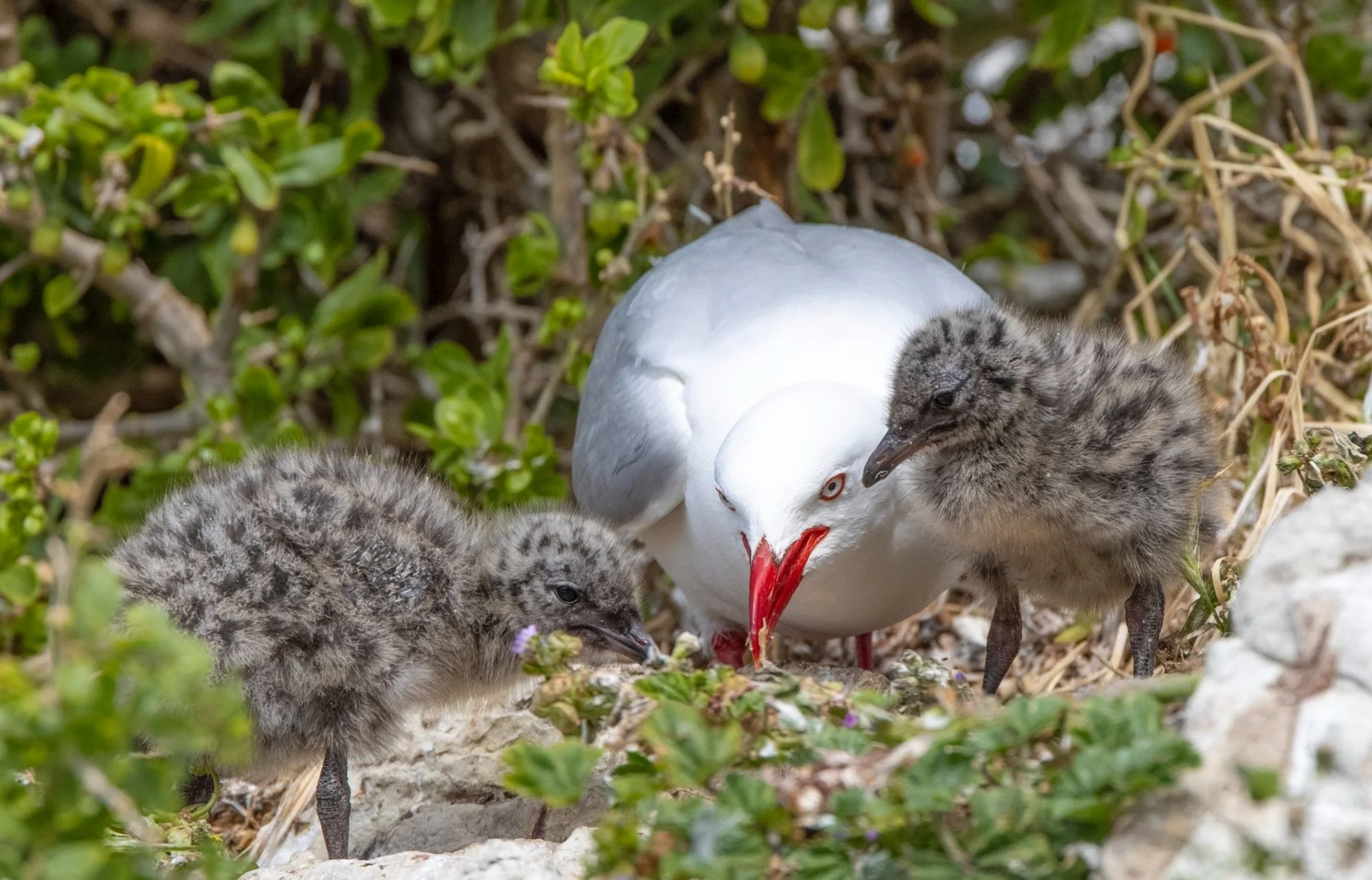
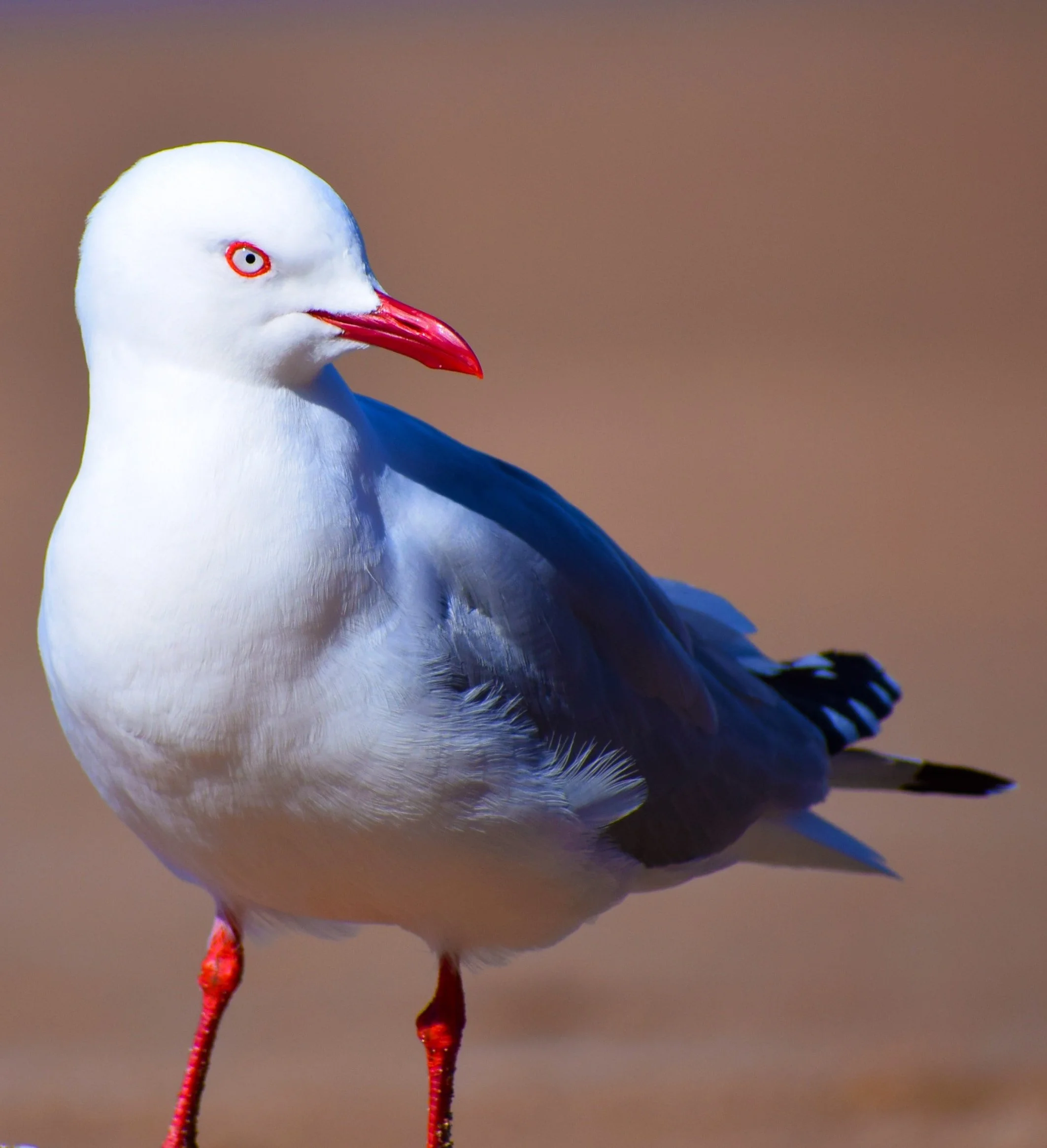
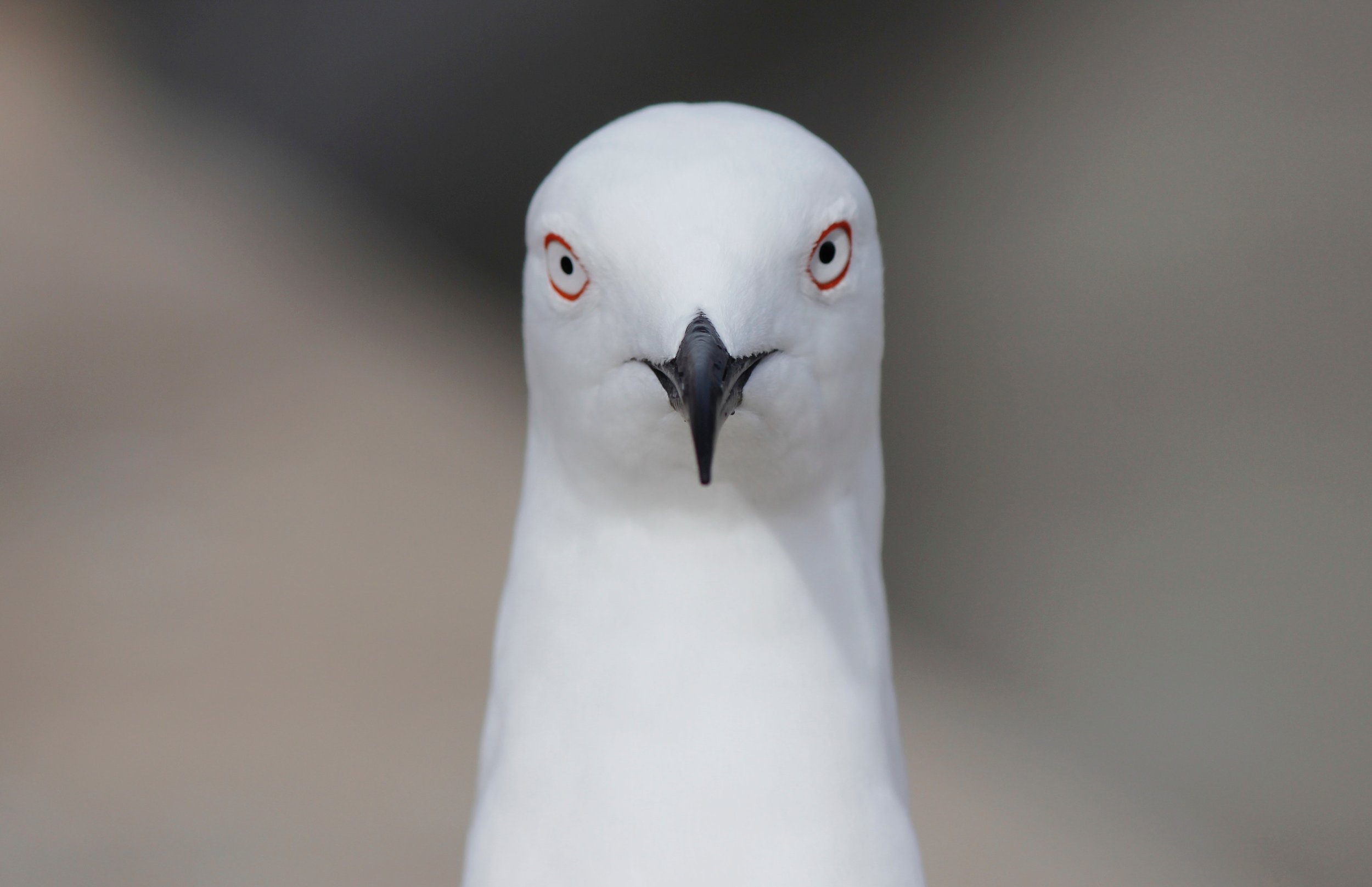
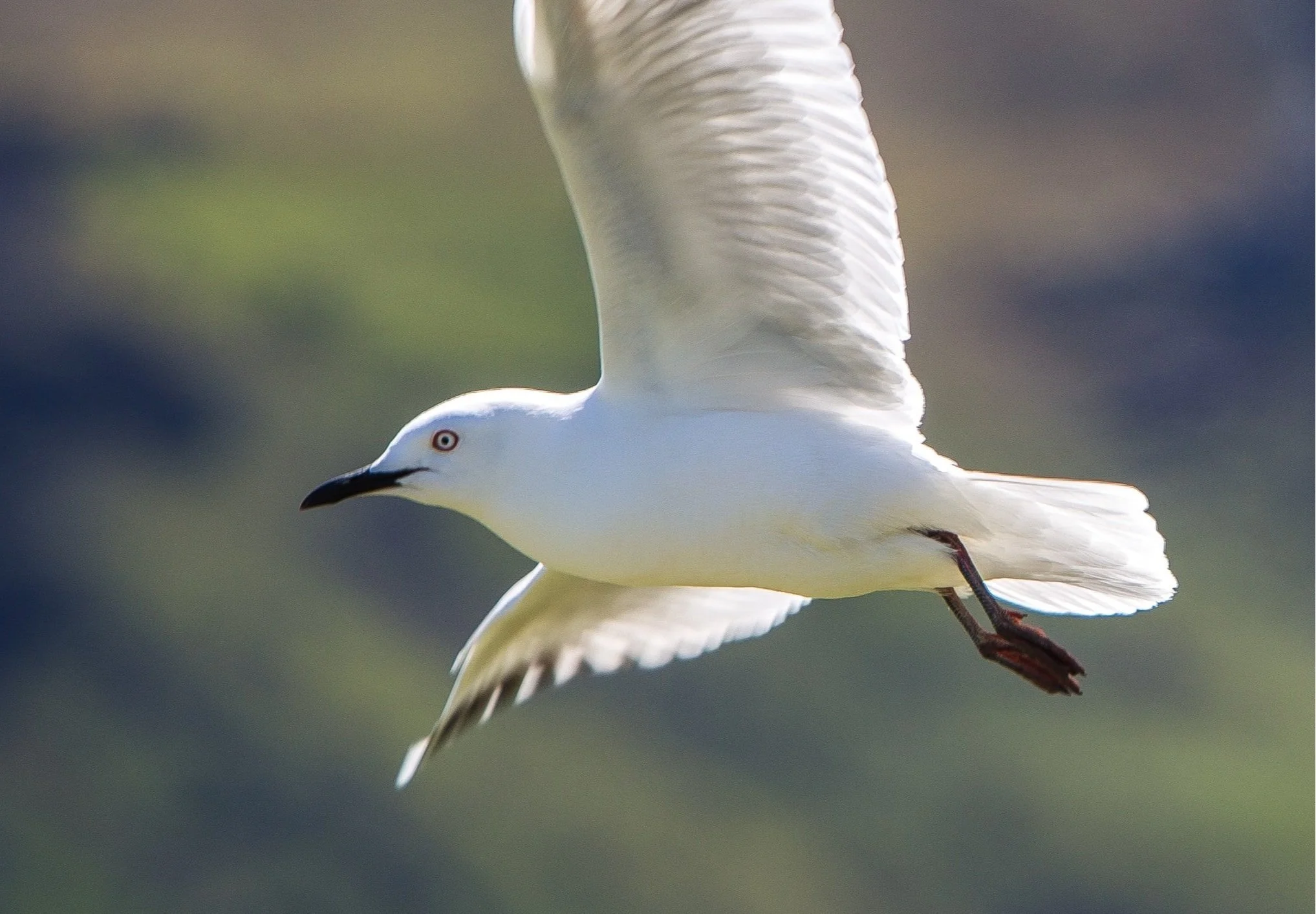
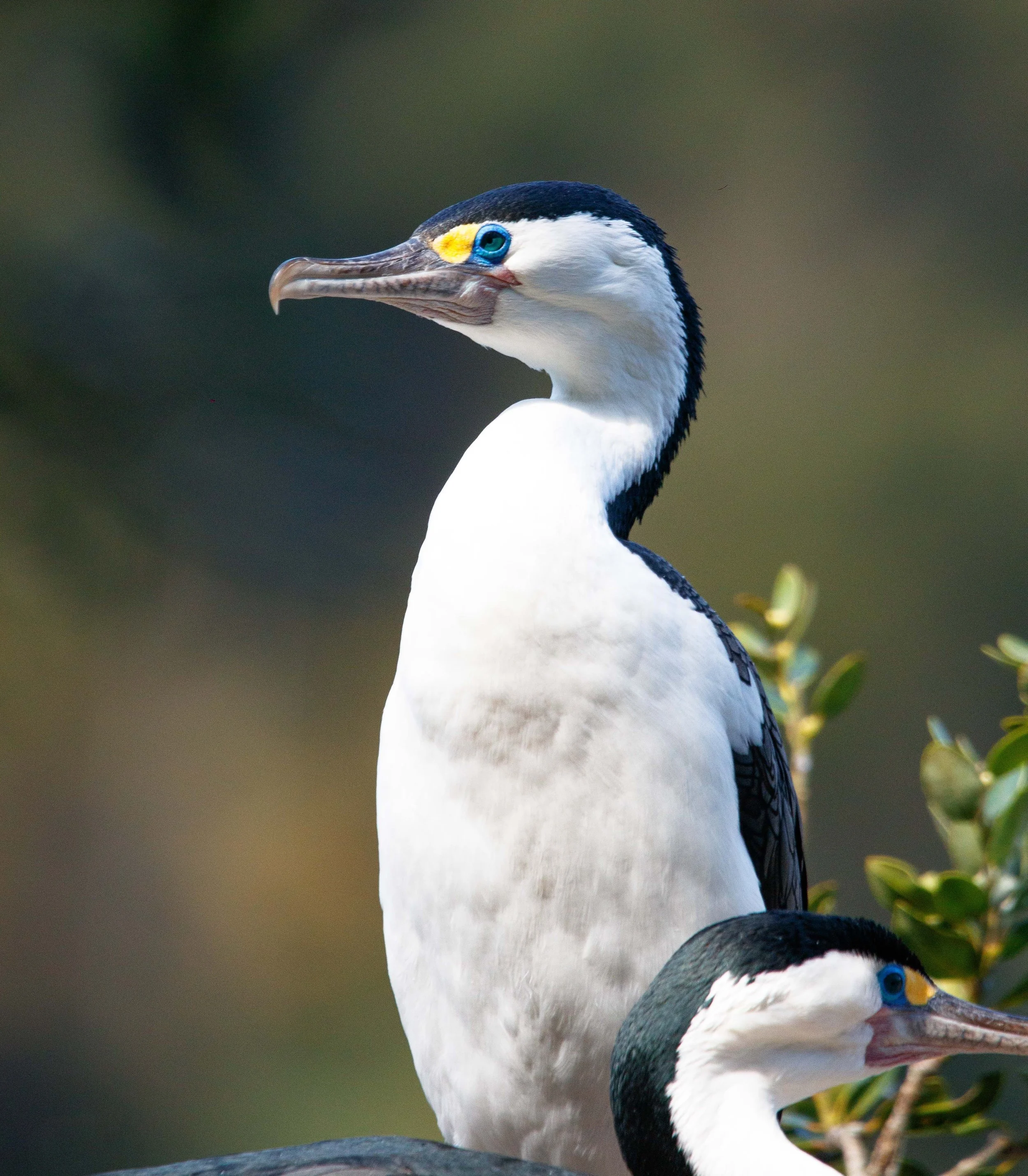
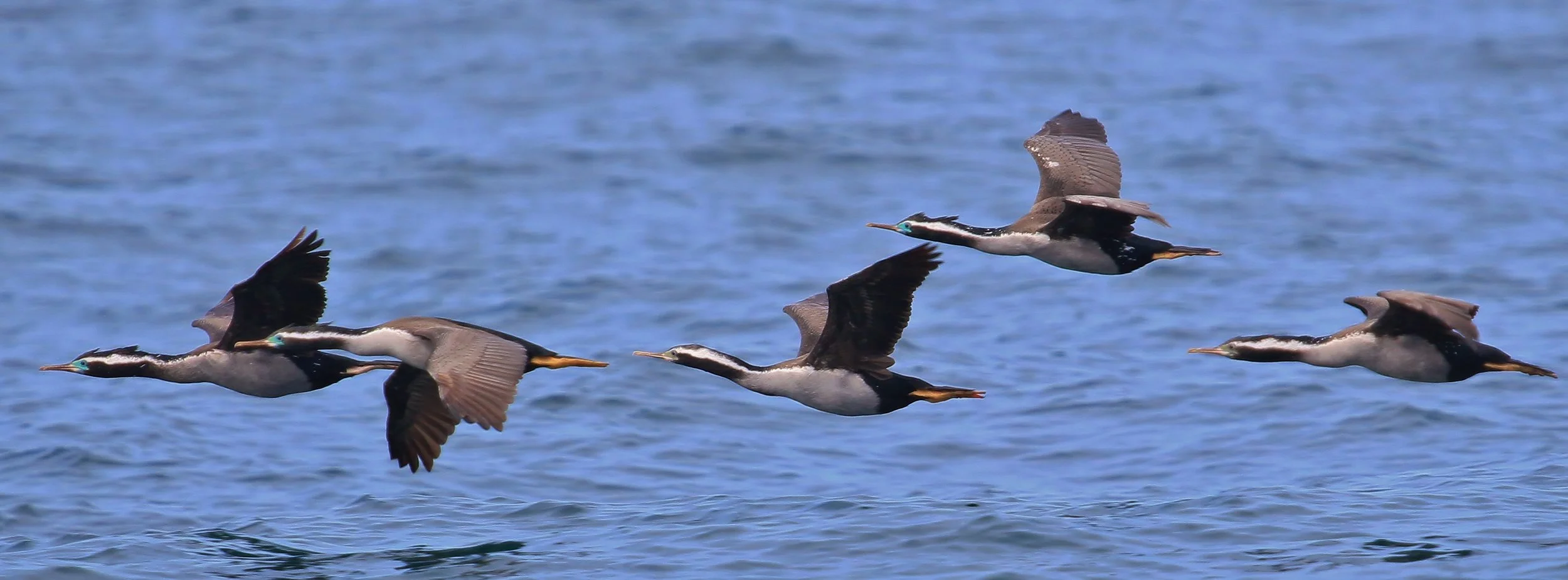
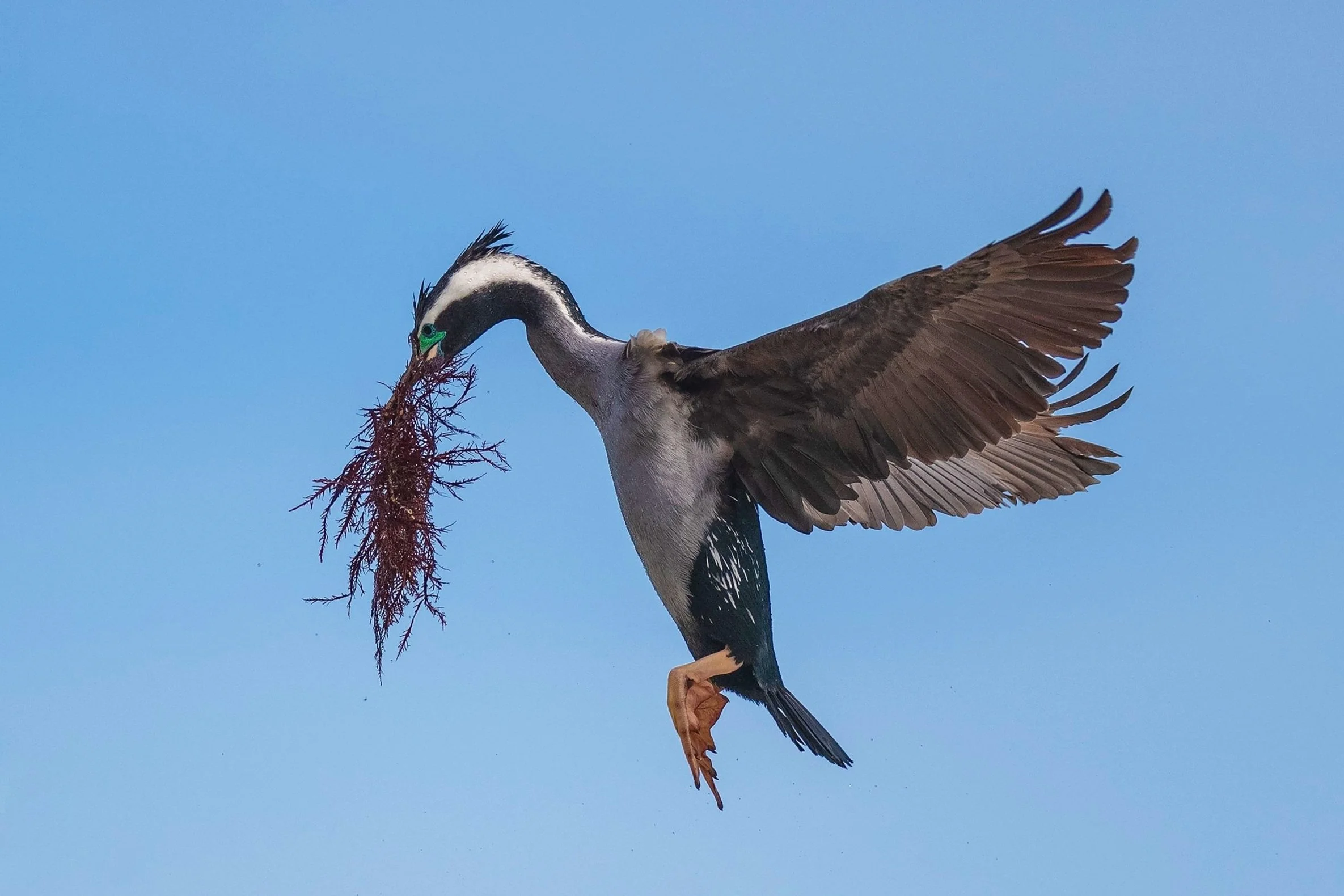
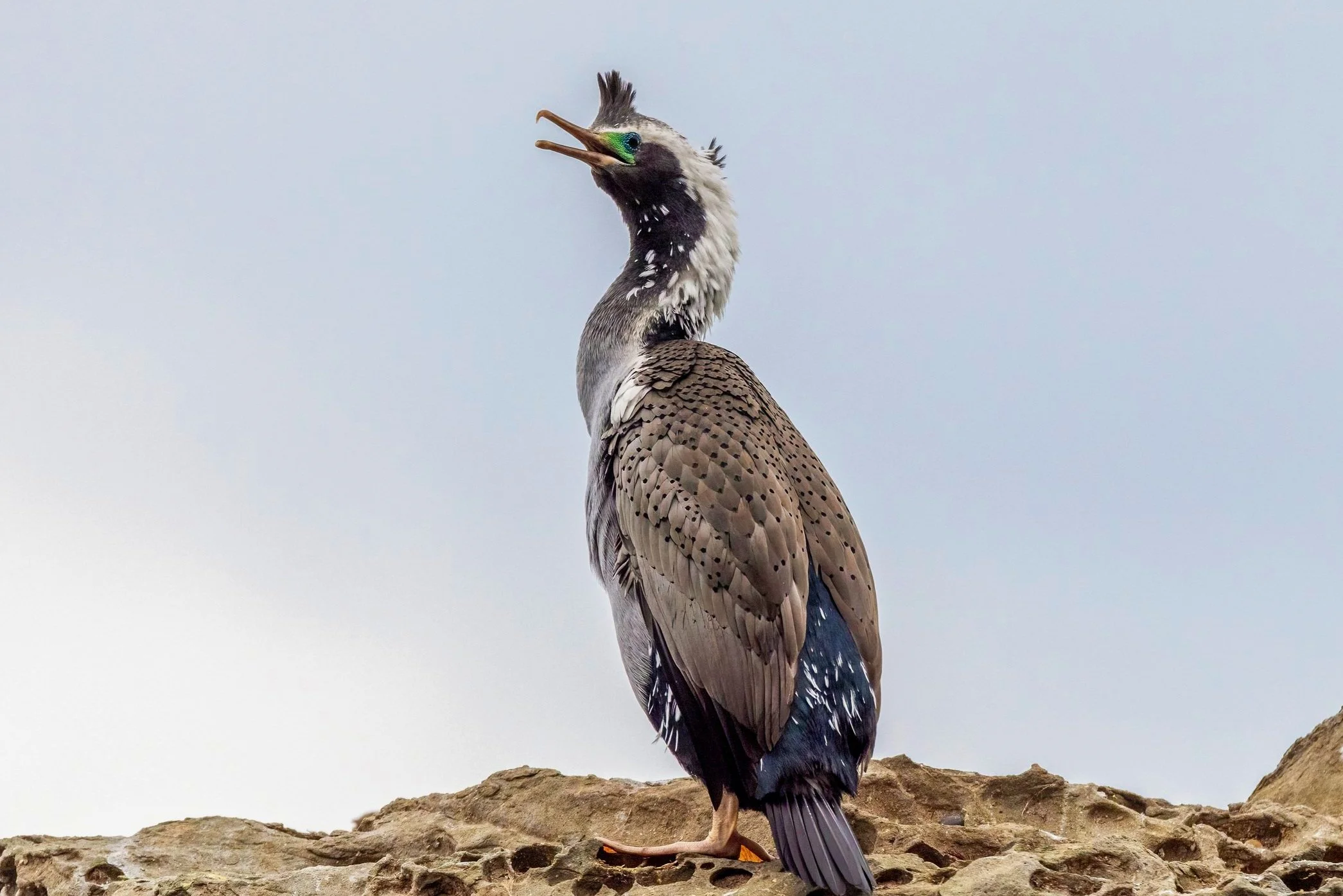
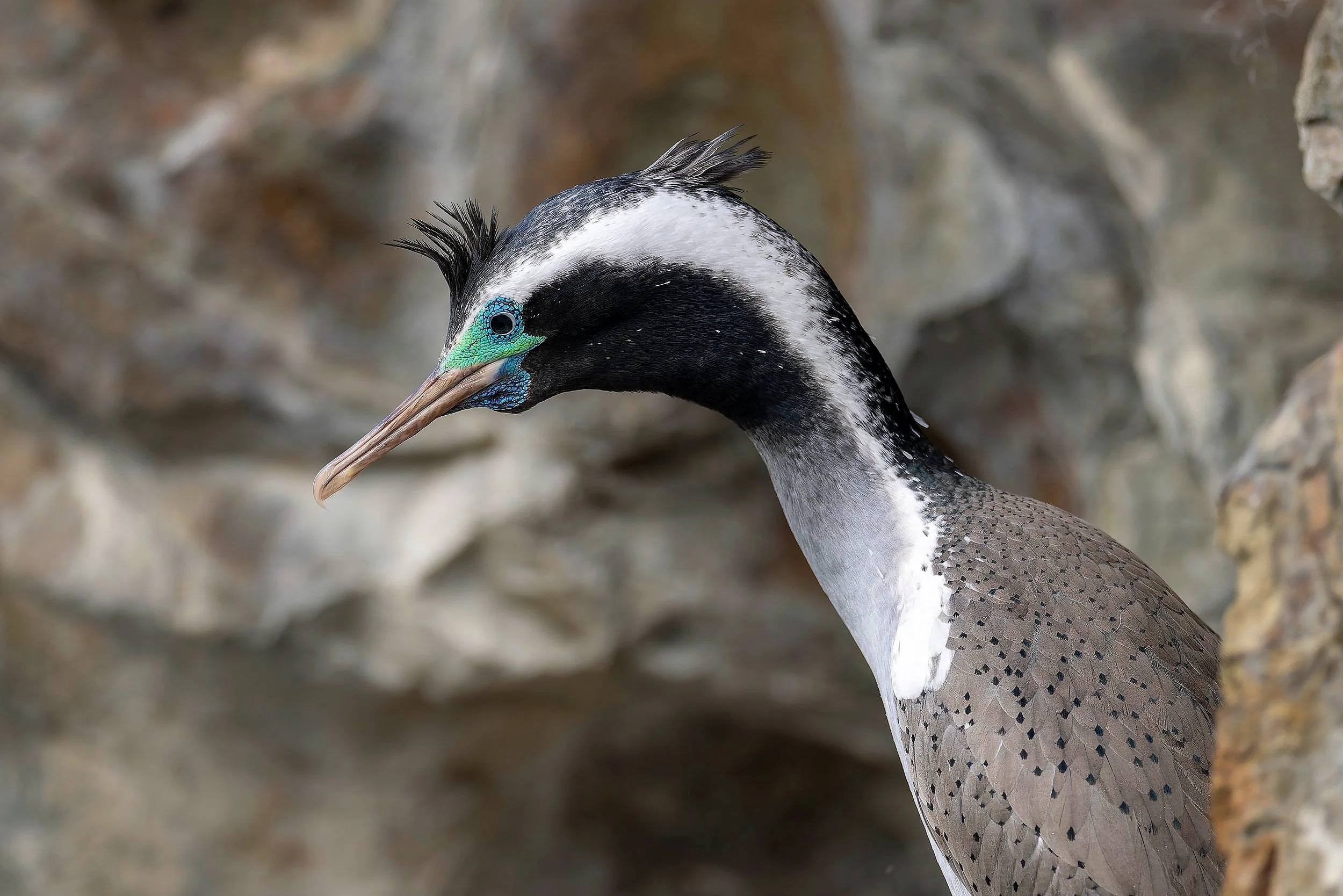
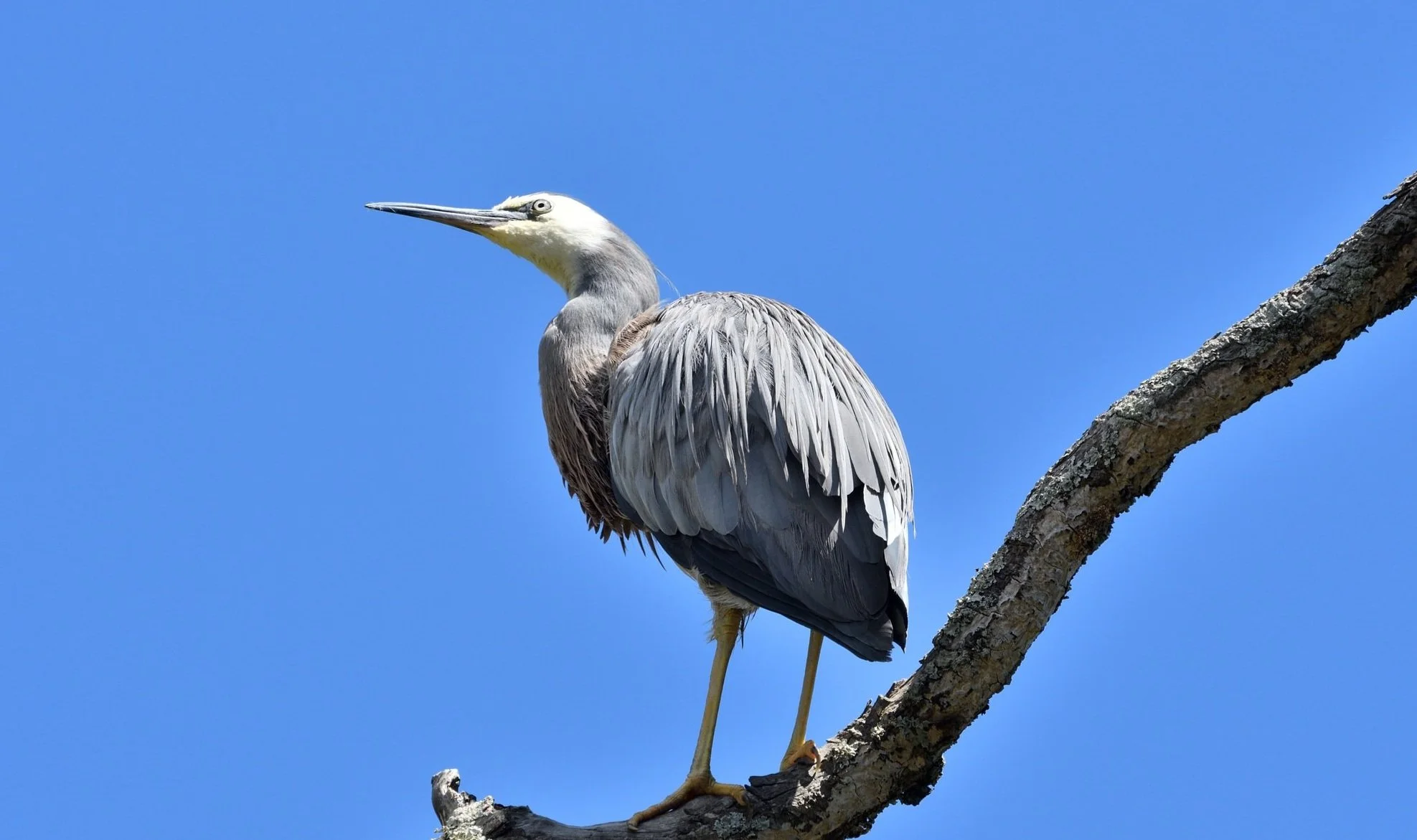
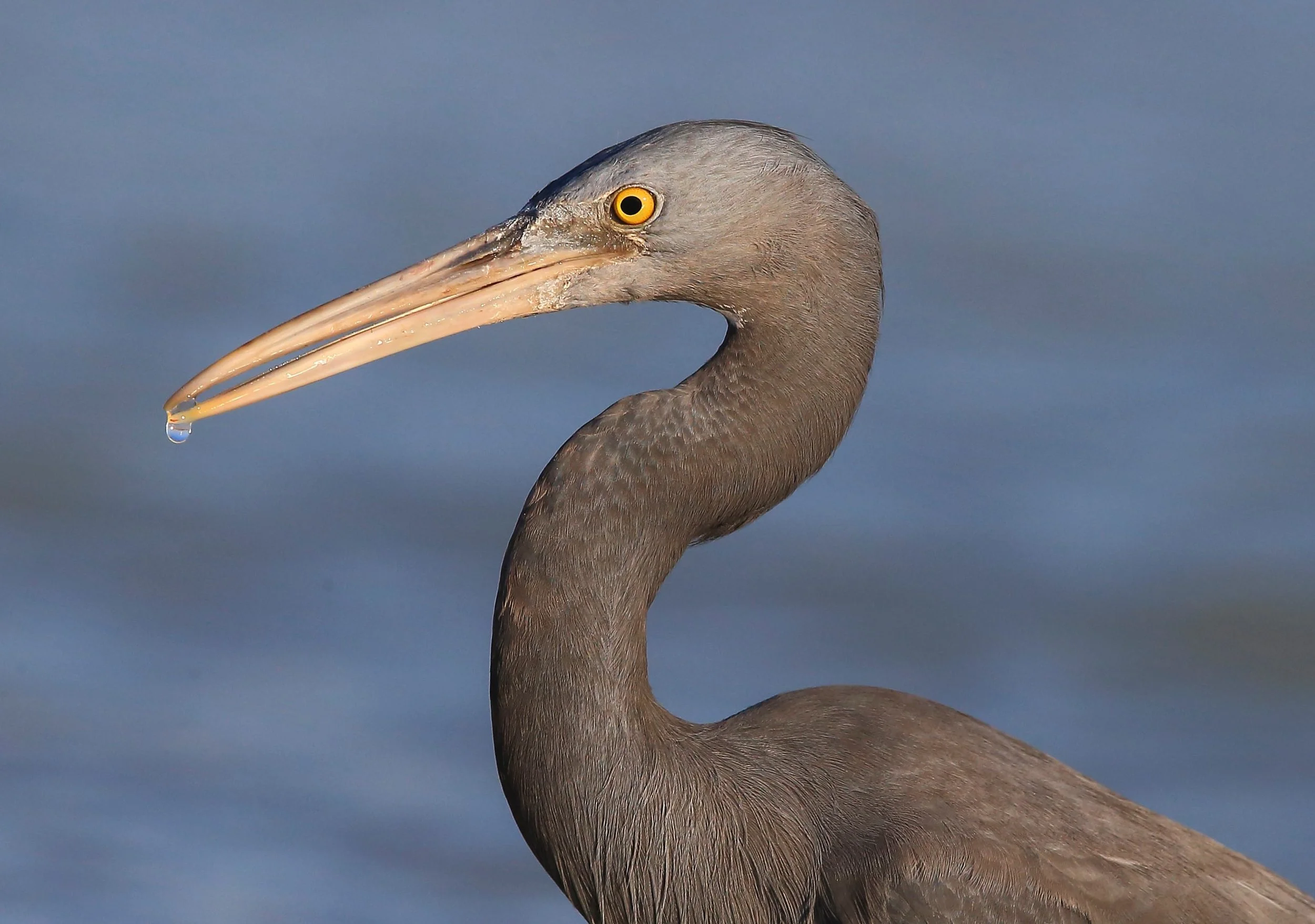
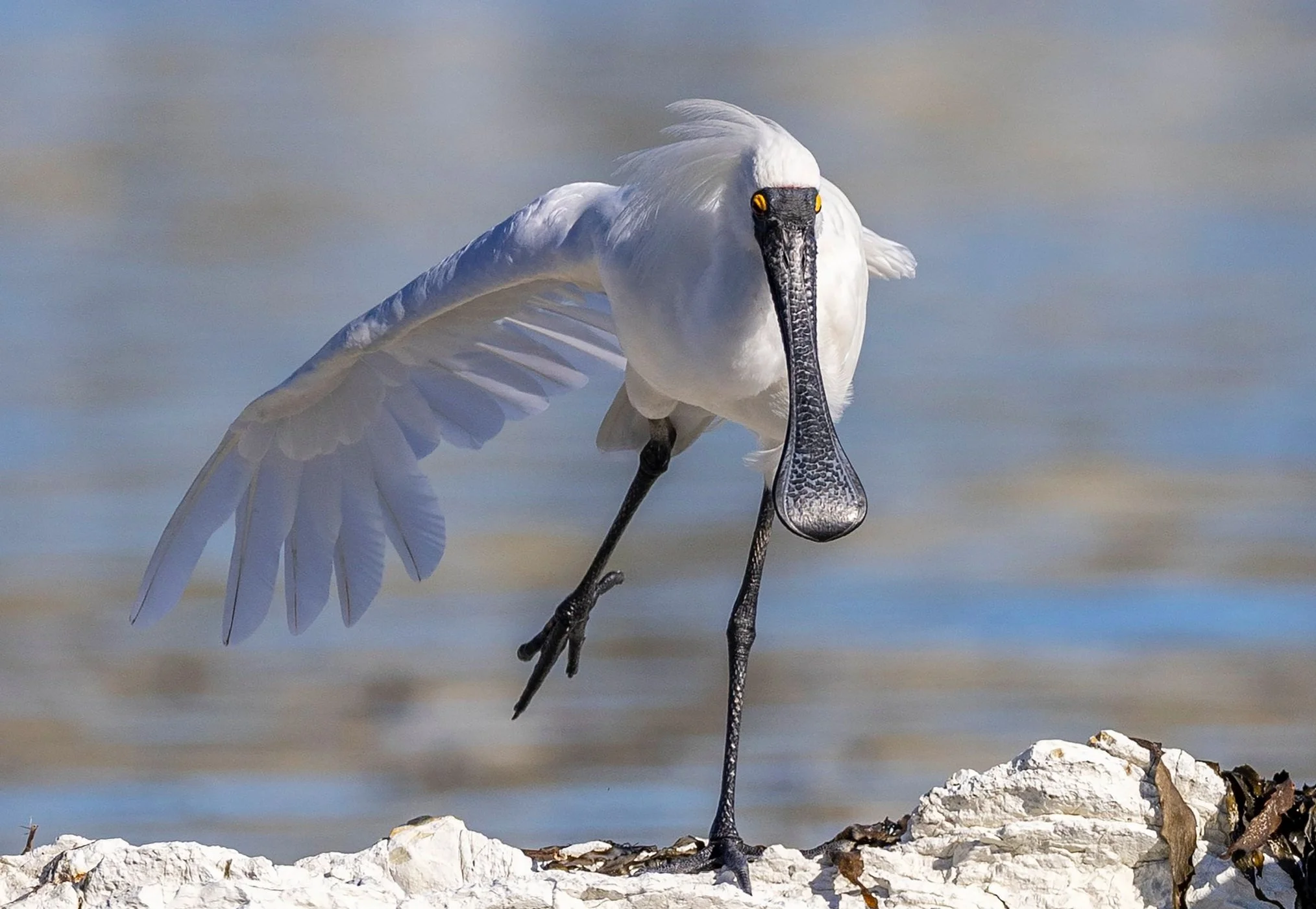
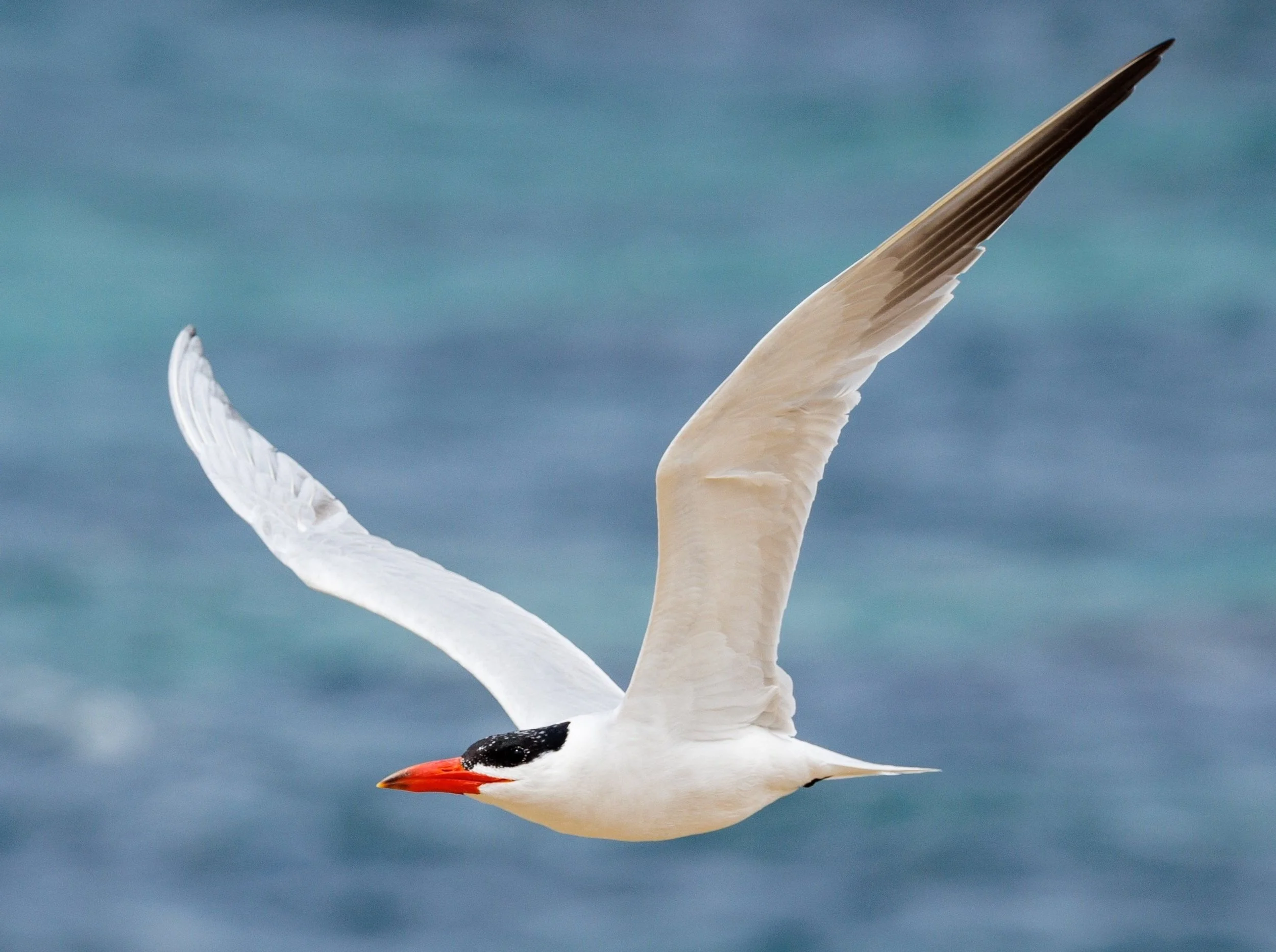
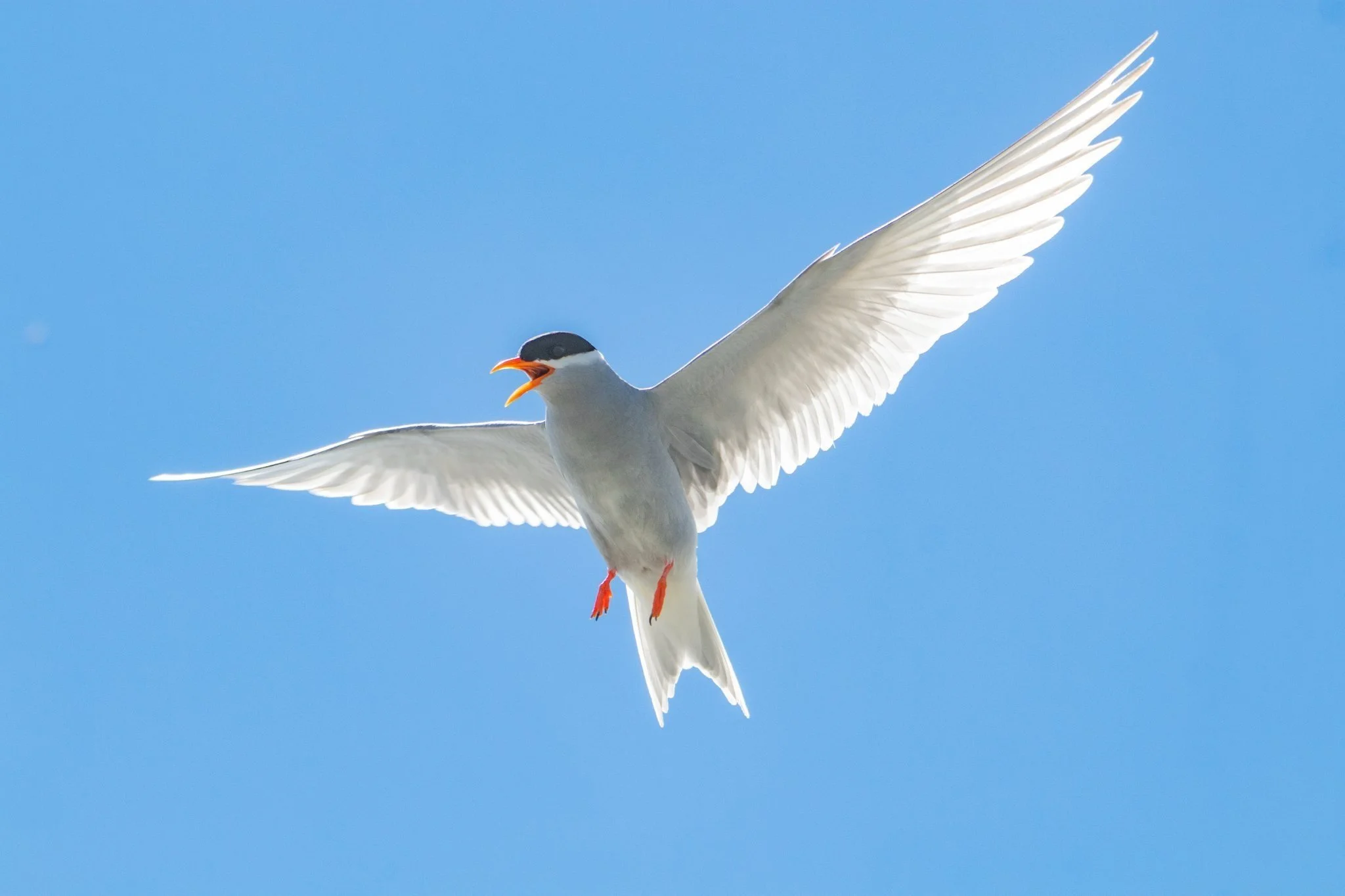
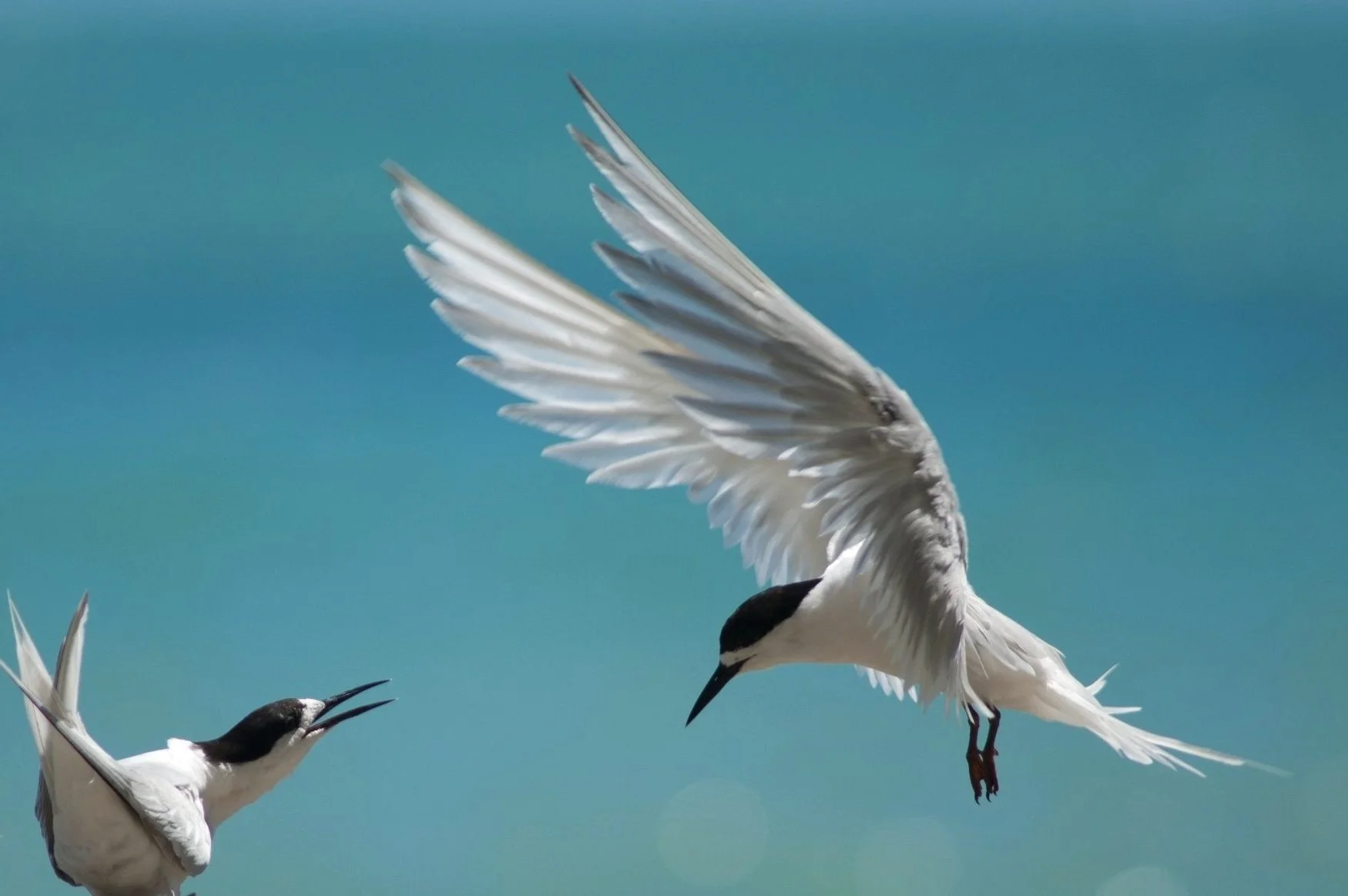
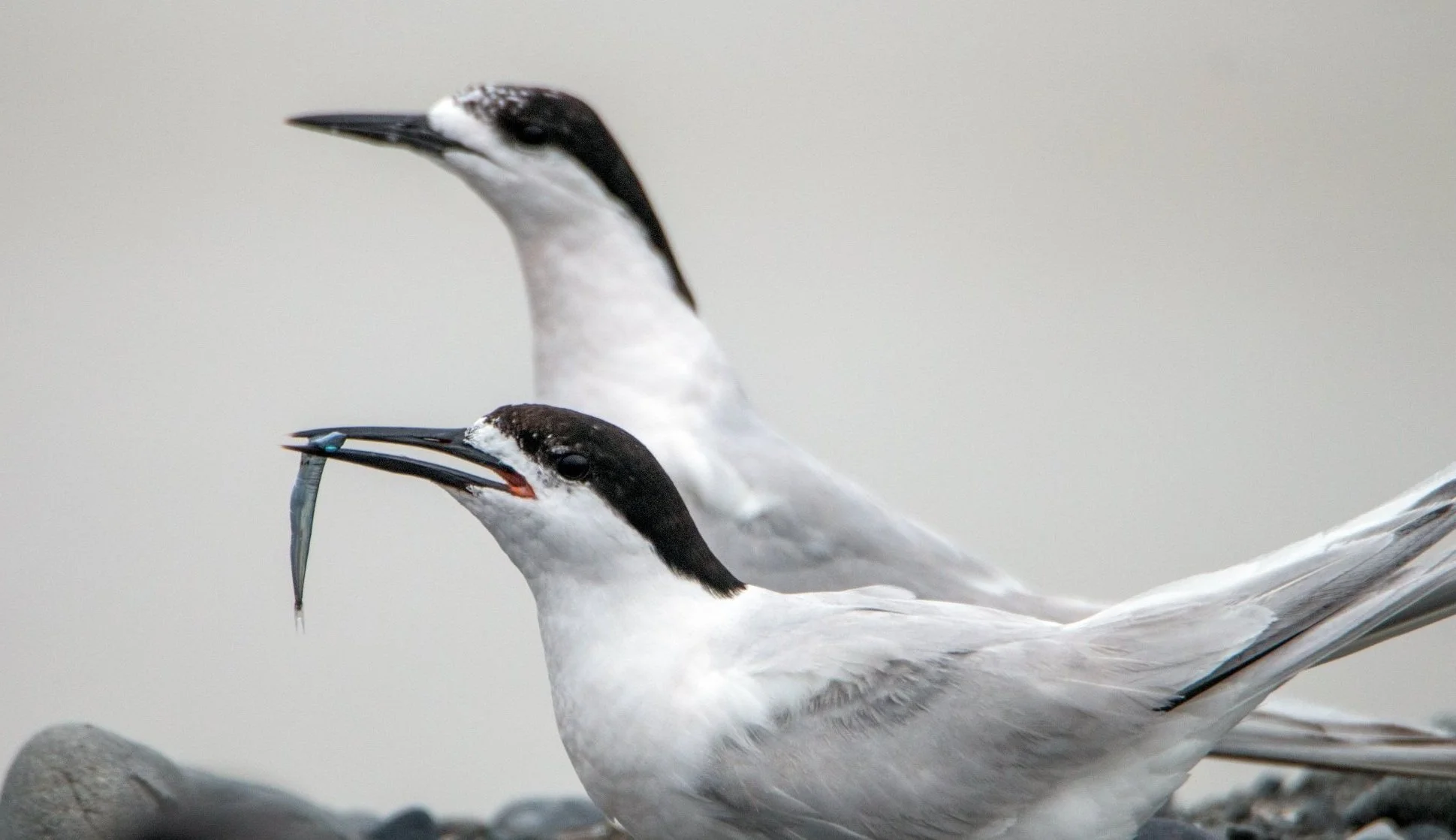
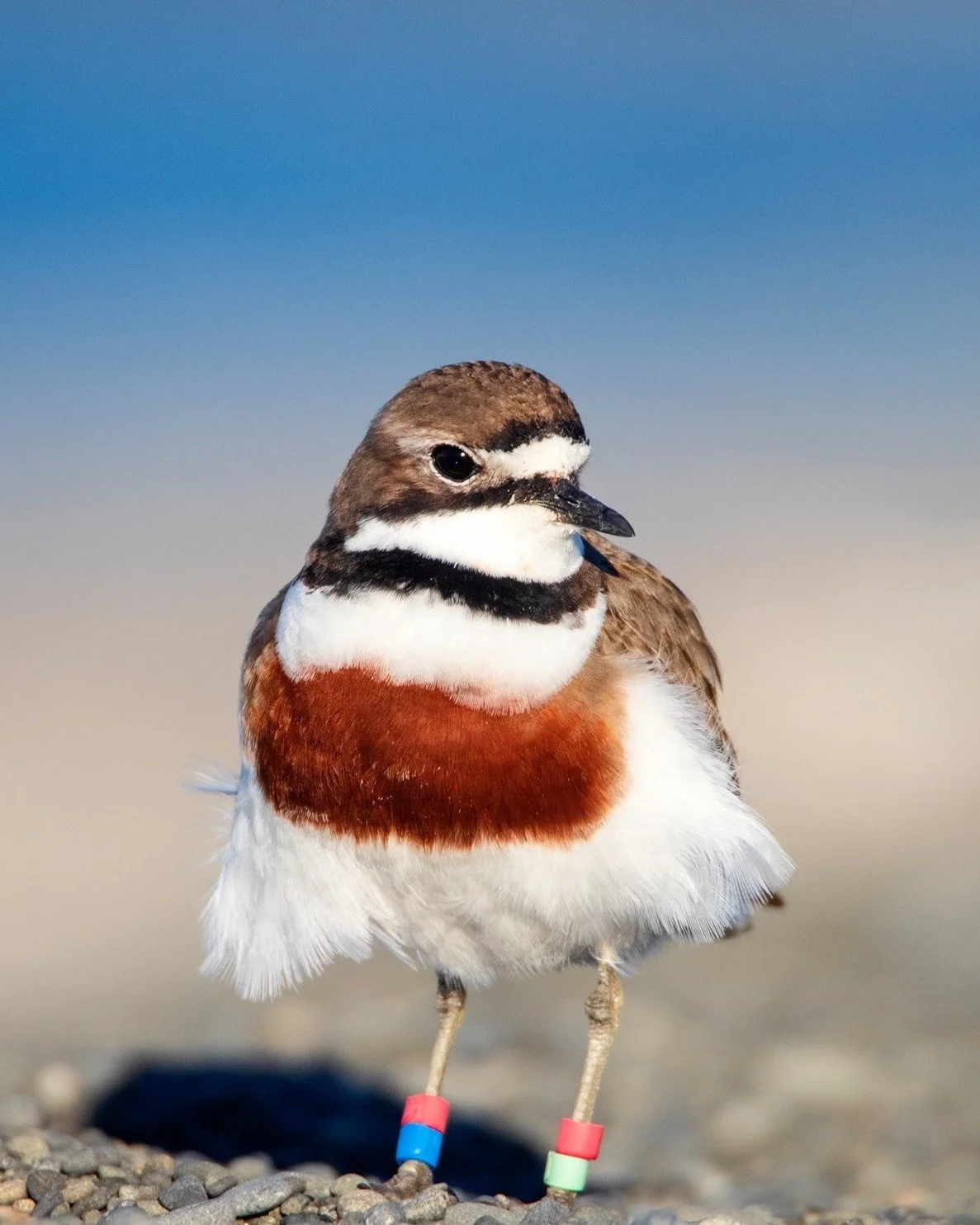
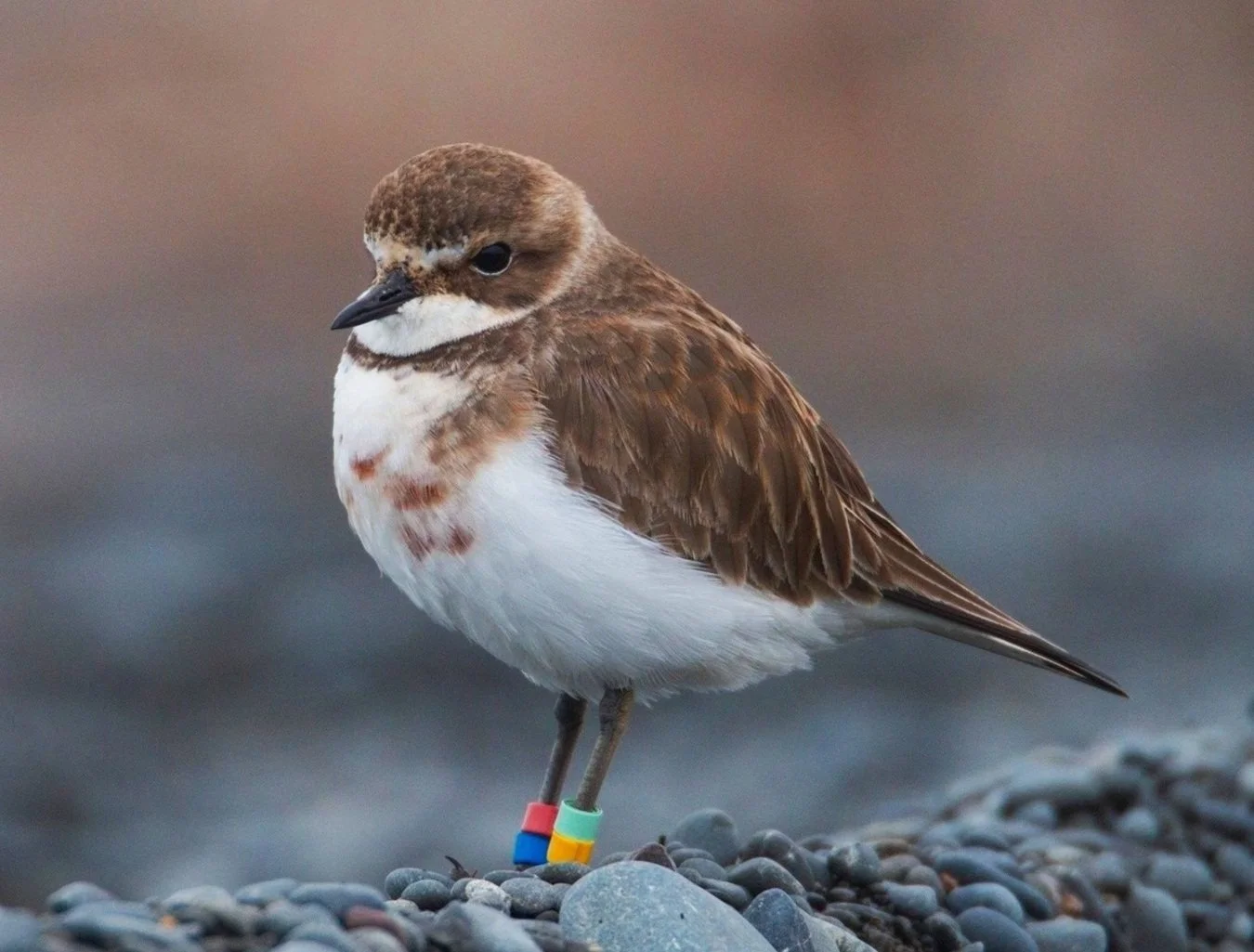
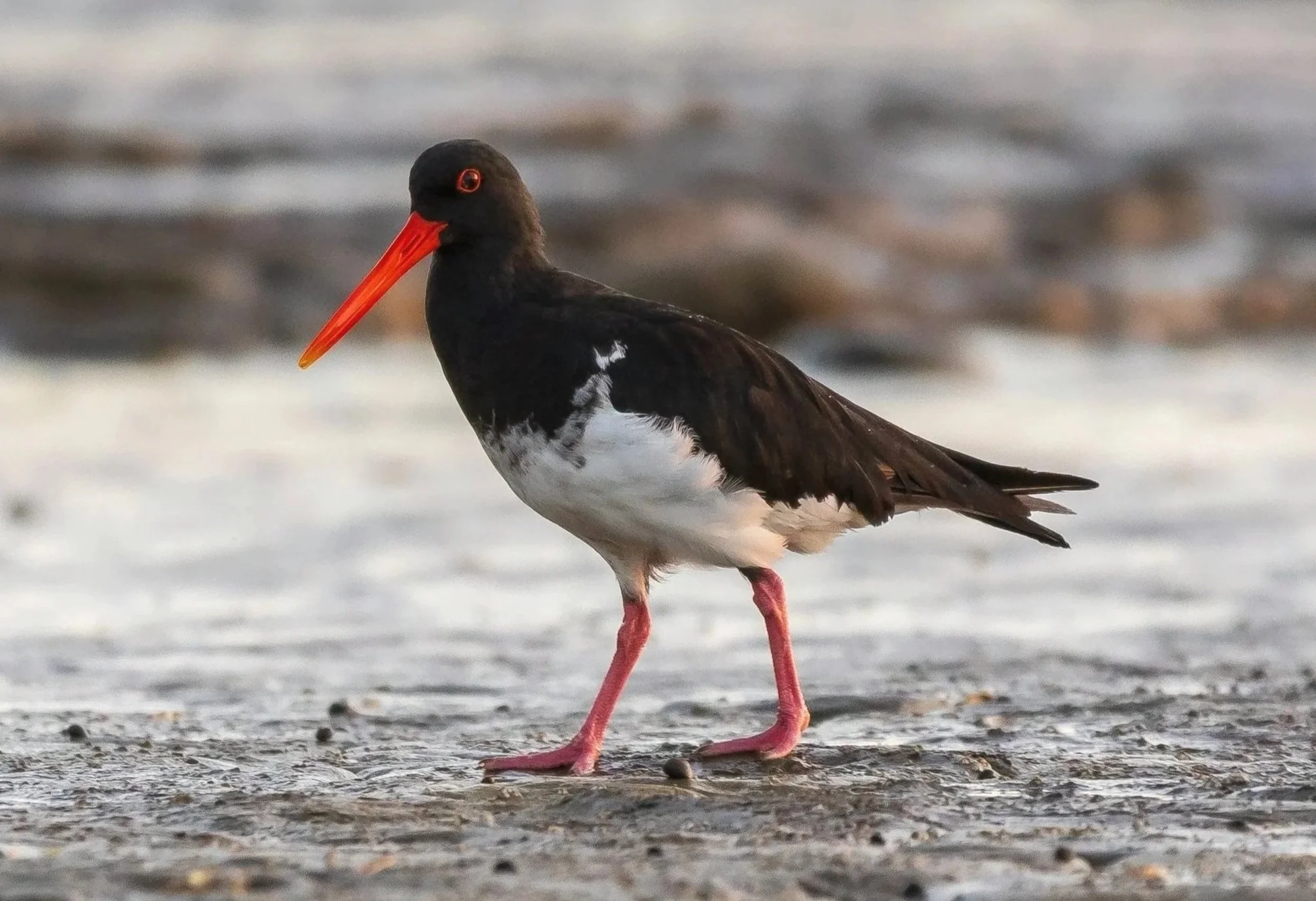
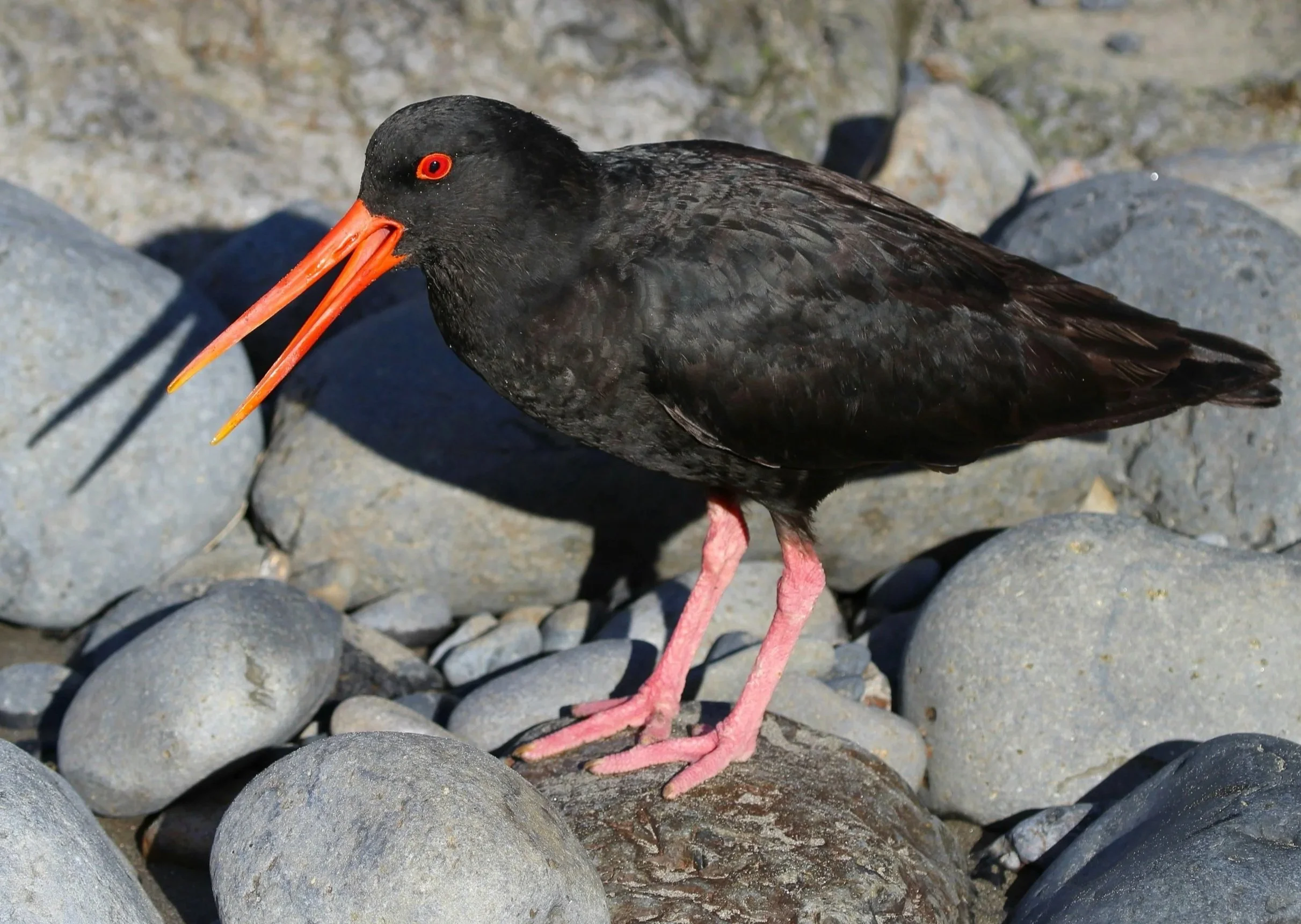
Kaikōura is home to the endemic Hutton’s shearwater/Kaikōura tītī, an endangered species which breeds nowhere else in the world. The Hutton’s shearwater is the only alpine breeding seabird globally, with only two natural colonies remaining in the Seaward Kaikōura Ranges. The endemic threatened spotted shag has faced significant declines, with Kaikōura considered one of the strongholds. Kaikōura supports a remnant little penguin colony at risk of regional extinction; as well as the largest remaining and fastest declining threatened red-billed gull colony on the mainland.


Seabird Threats
With transboundary lifestyles, seabirds are subject to cumulative threats.
As the impacts of climate change escalate, it is vital to address threats for which proven solutions exist.
By lending a helping hand, we can minimise and offset human impacts.
Primary Threats
A key driver in seabird declines is impaired ecosystem function from ocean stressors, resulting in decreased ocean productivity. Climate change and overfishing threaten seabird survival, pushing already threatened species toward extinction.
Global warming induced marine heatwaves increase sea surface temperatures and alter current systems, suppressing krill and shoaling fish to cooler depths, out of reach of surface feeding and diving seabirds. The combination of marine heatwaves (suppressed prey availability) and overfishing (prey depletion) lead to food web disruption and unprecedented ecological changes. Displacement of prey (climate change) and prey competition (over-exploitation) result in increased foraging effort and decreased foraging success; causing poor body condition, widespread malnutrition, low reproductive success, and high mortality rates.
As the majority of seabird species have nest site fidelity at breeding colonies, these cannot move on with reduced prey availability. This means seabirds must cope with regional depletion by traveling further distances to forage, particularly during the breeding season.
The displacement of prey drives year around starvation, resulting in mass seabird die-offs. Studies show that only a fraction of birds that die at sea wash ashore, in regards to general under-reporting. In Kaikōura seabird starvation has increased exponentially, with emaciated seabirds in organ failure requiring emergency care.
Compounding threats include fisheries by-catch, marine entanglements, pollution, introduced mammalian predators, habitat loss, coastal development, and human disturbance. With impacts documented across the marine food chain, a call to action is urgently required to facilitate increased protection measures focused on ocean health.
Protecting Wildlife
New Zealand has the highest proportion of threatened species and extinction rates in the world.
Collective action is needed to tackle the biodiversity crisis, with wildlife hospitals being a vital conservation tool.
Land of Birds
New Zealand is referred to as the ‘land of birds’, known for its diverse avifauna and high endemism. The country's geographic isolation and lack of native terrestrial predators allowed birds to evolve and adapt in distinctive ways. Many species are found nowhere else in the world, with the majority undergoing unprecedented declines.
Beyond seabirds, our island nation is renowned for iconic flightless species such as kiwi and kākāpō, though many others are just as remarkable and rare. Our terrestrial birdlife consists of unique and threatened species, with the only native land mammals being two species of endangered bats/pekapeka which are highly restricted in range.
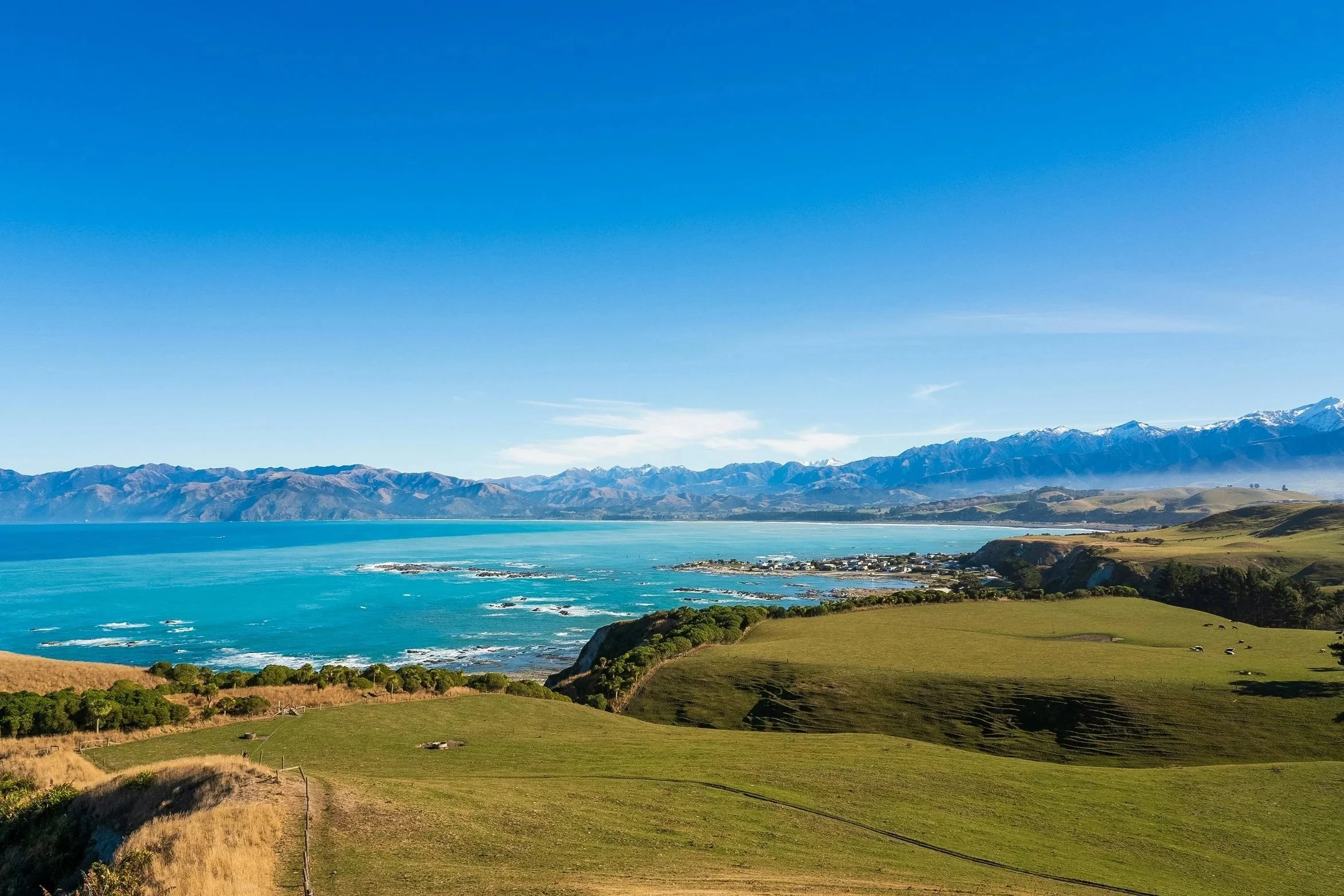
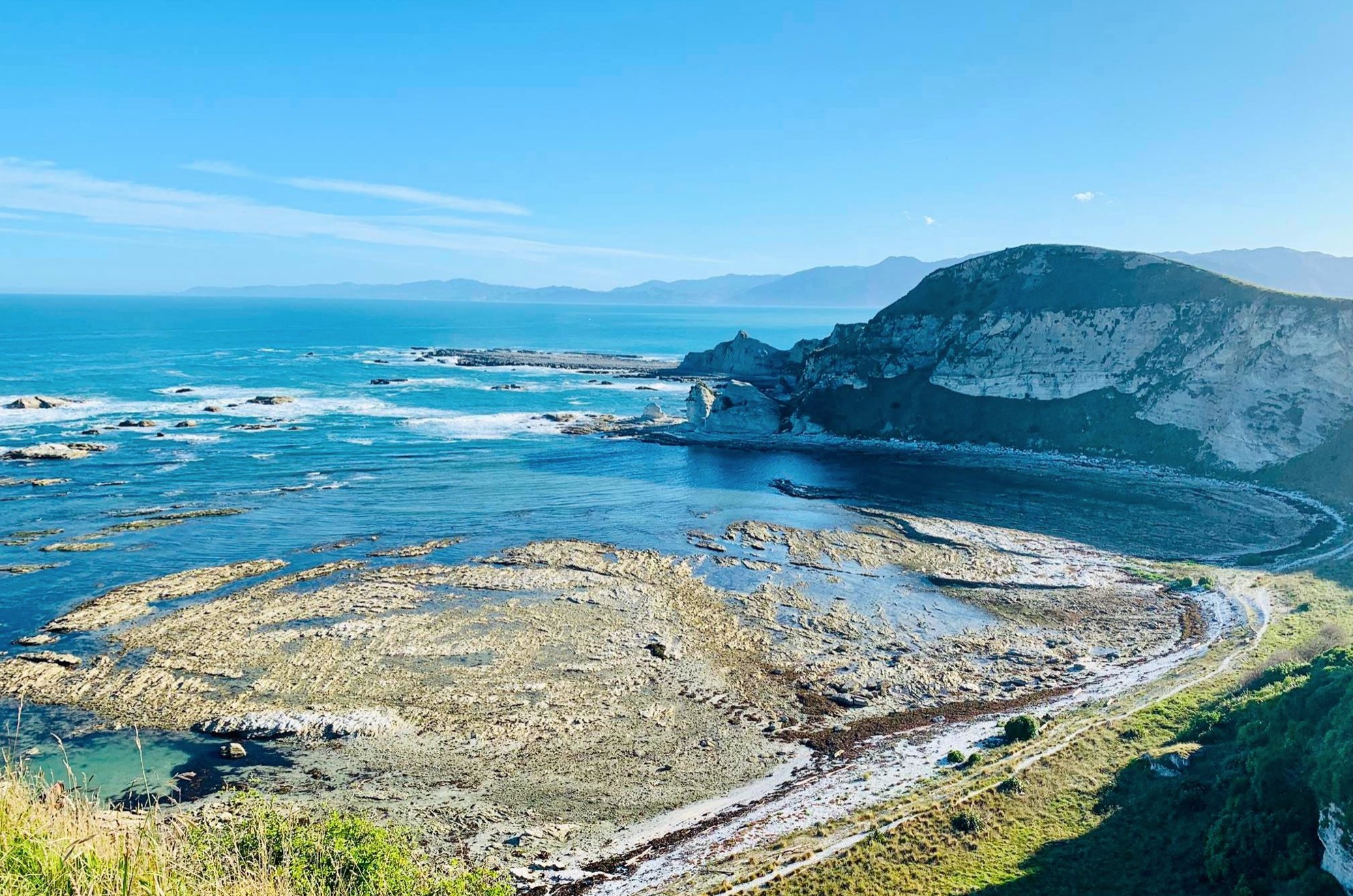
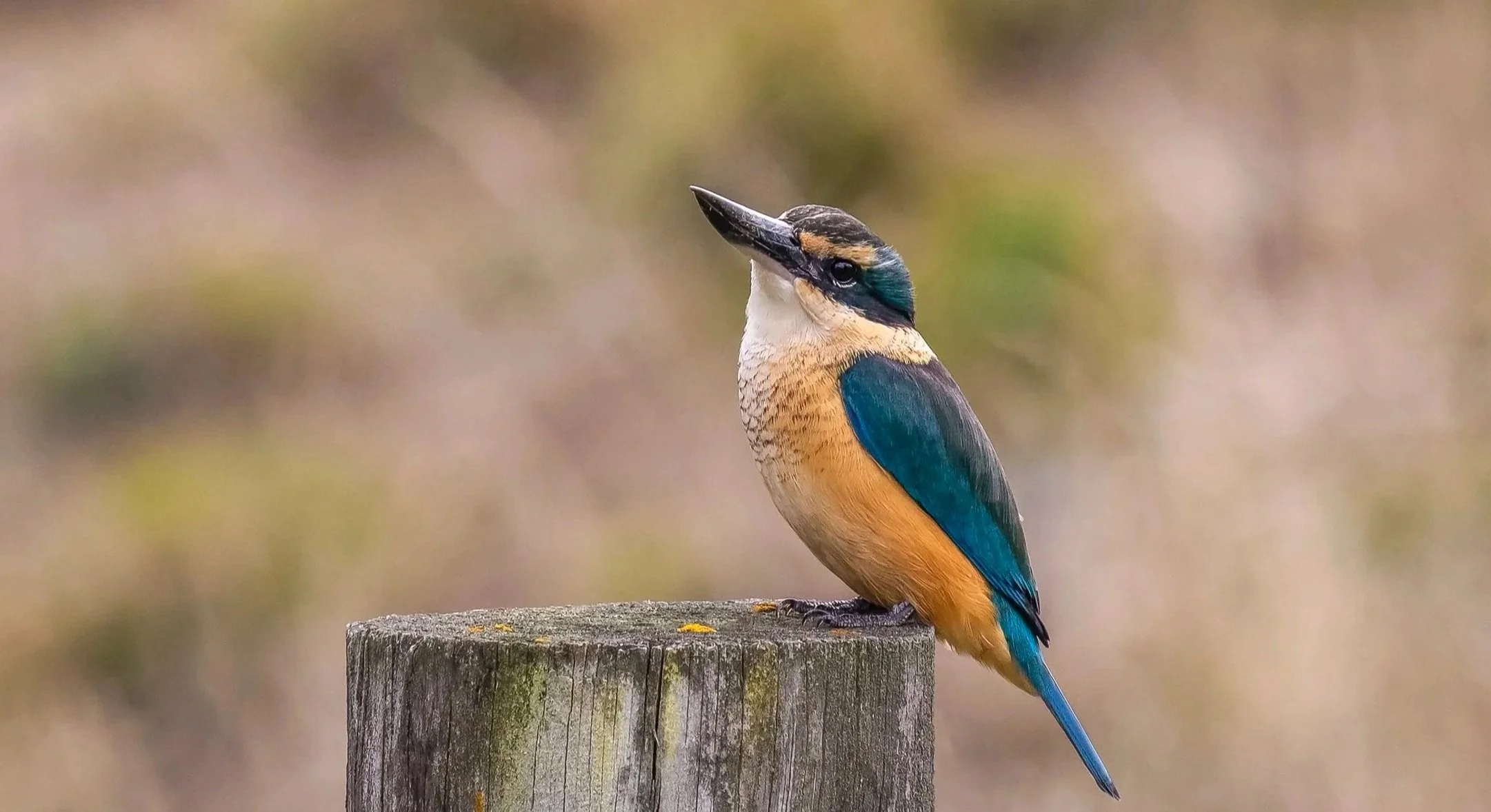
The Kaikōura region is a marine biodiversity hotspot with outstanding landscapes home to forest and wetland birds, as well as rare reptiles (e.g. Kaikōura gecko) and invertebrates (e.g. Bluff weta). The distribution of species is scattered from the mountains to the sea —across inland and seaward ranges, remnant river corridors, fragmented lowland plains, and biodiverse inshore habitats such as the Kaikōura Peninsula.
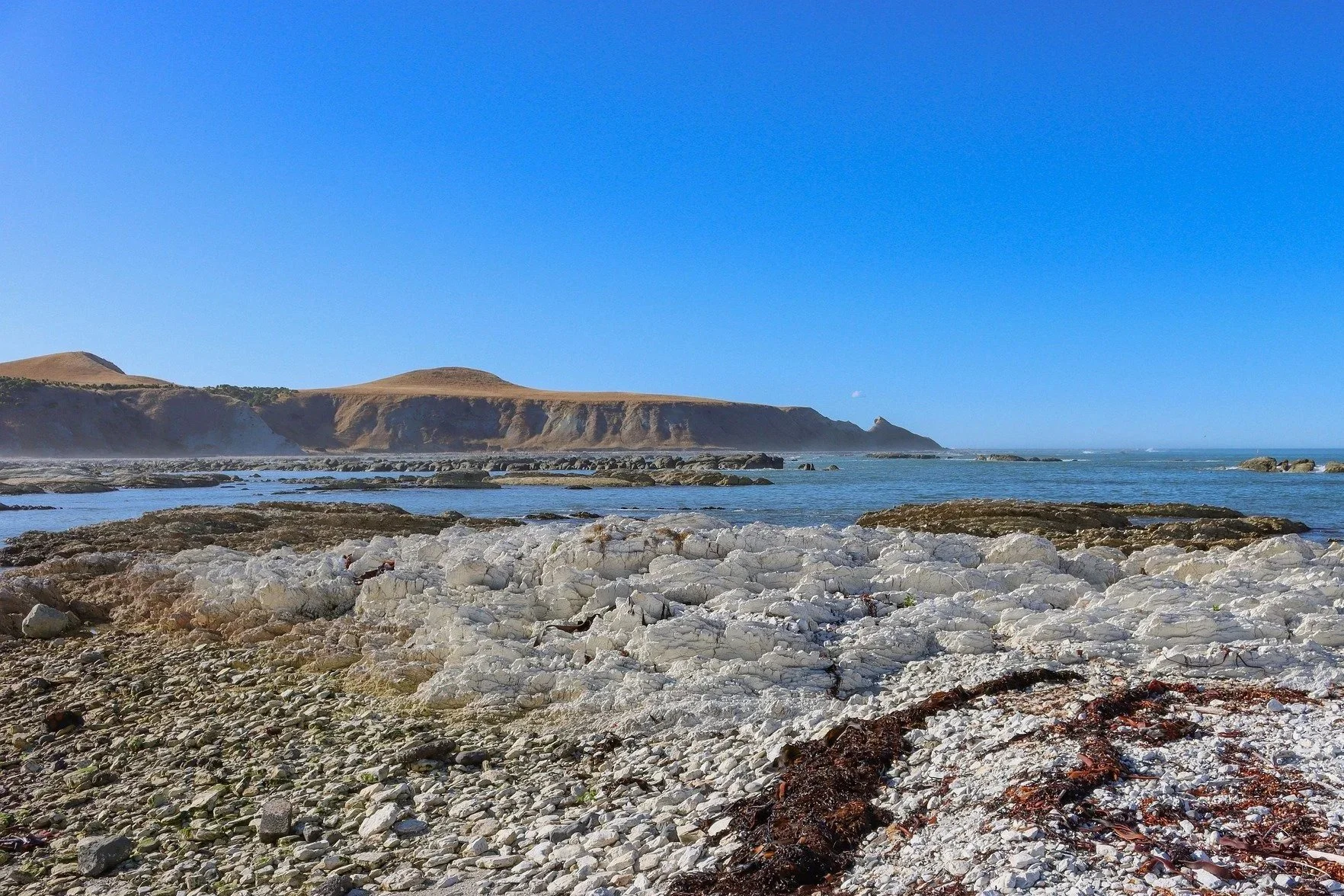
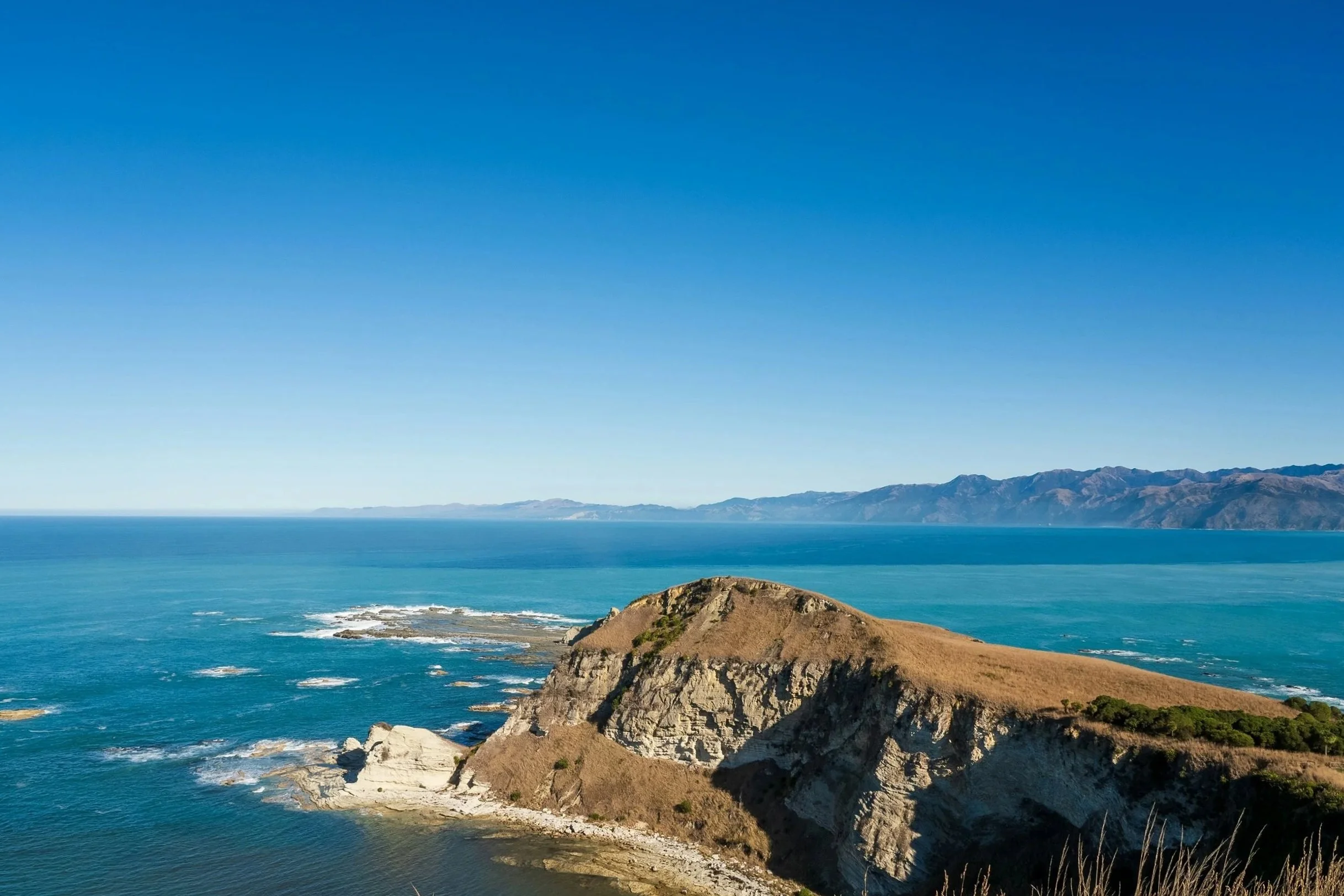
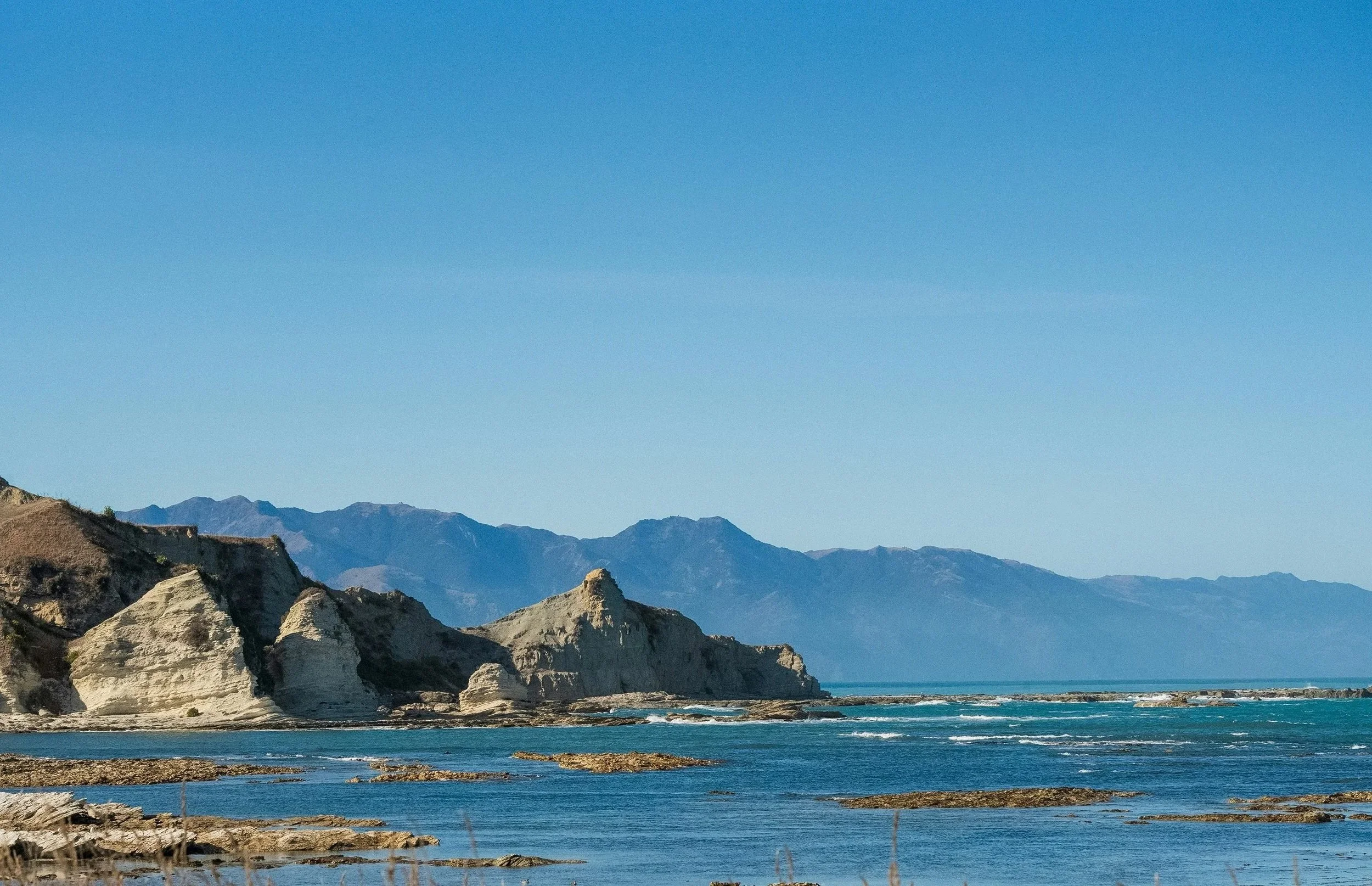
The Kaikōura Peninsula harbours an abundance of coastal species and is an imperiled ecosystem in need of protection measures, including increased marine reserve coverage and revised tourism management to alleviate known pressures.