Marine Mammals
Pinnipeds
-
![]()
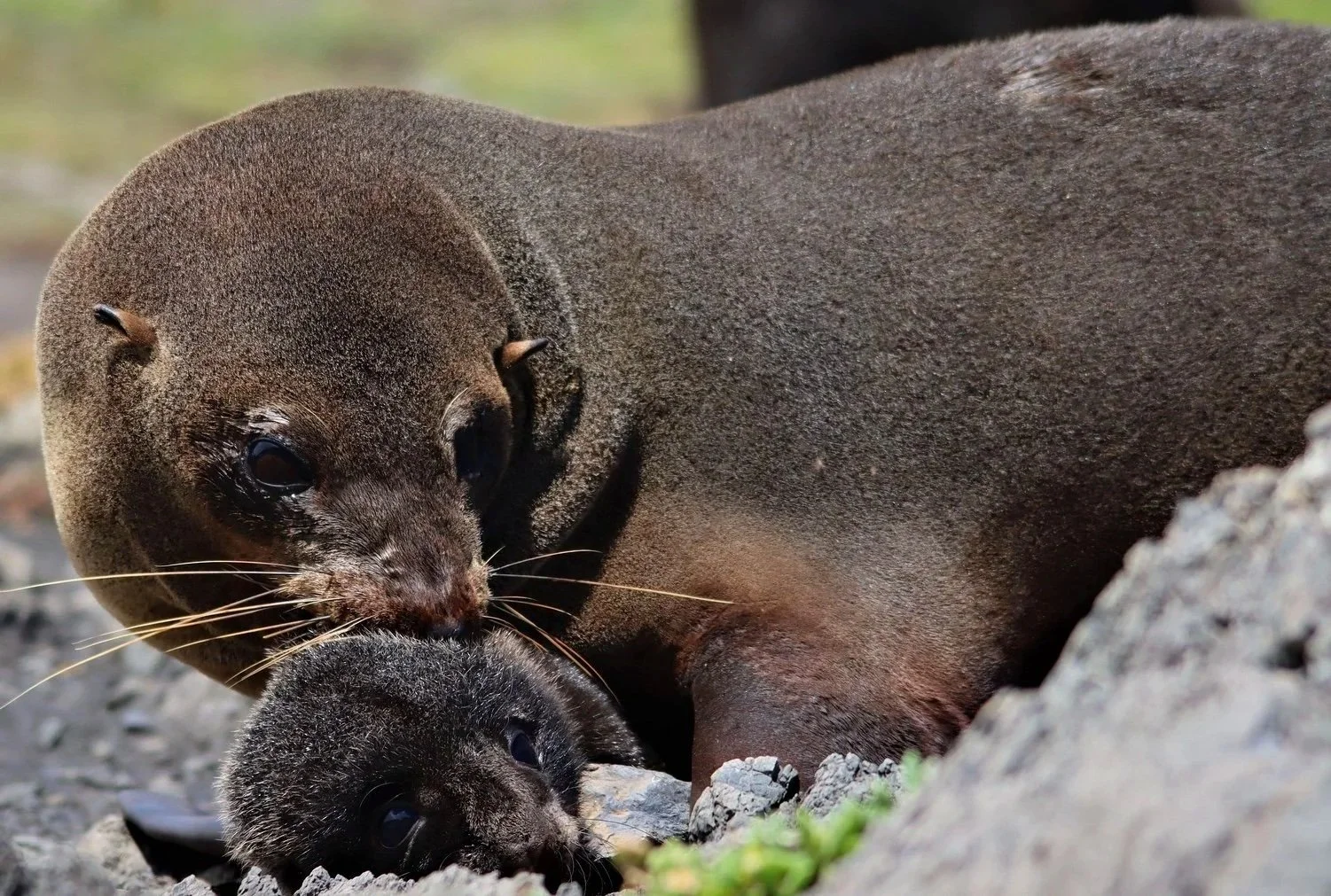
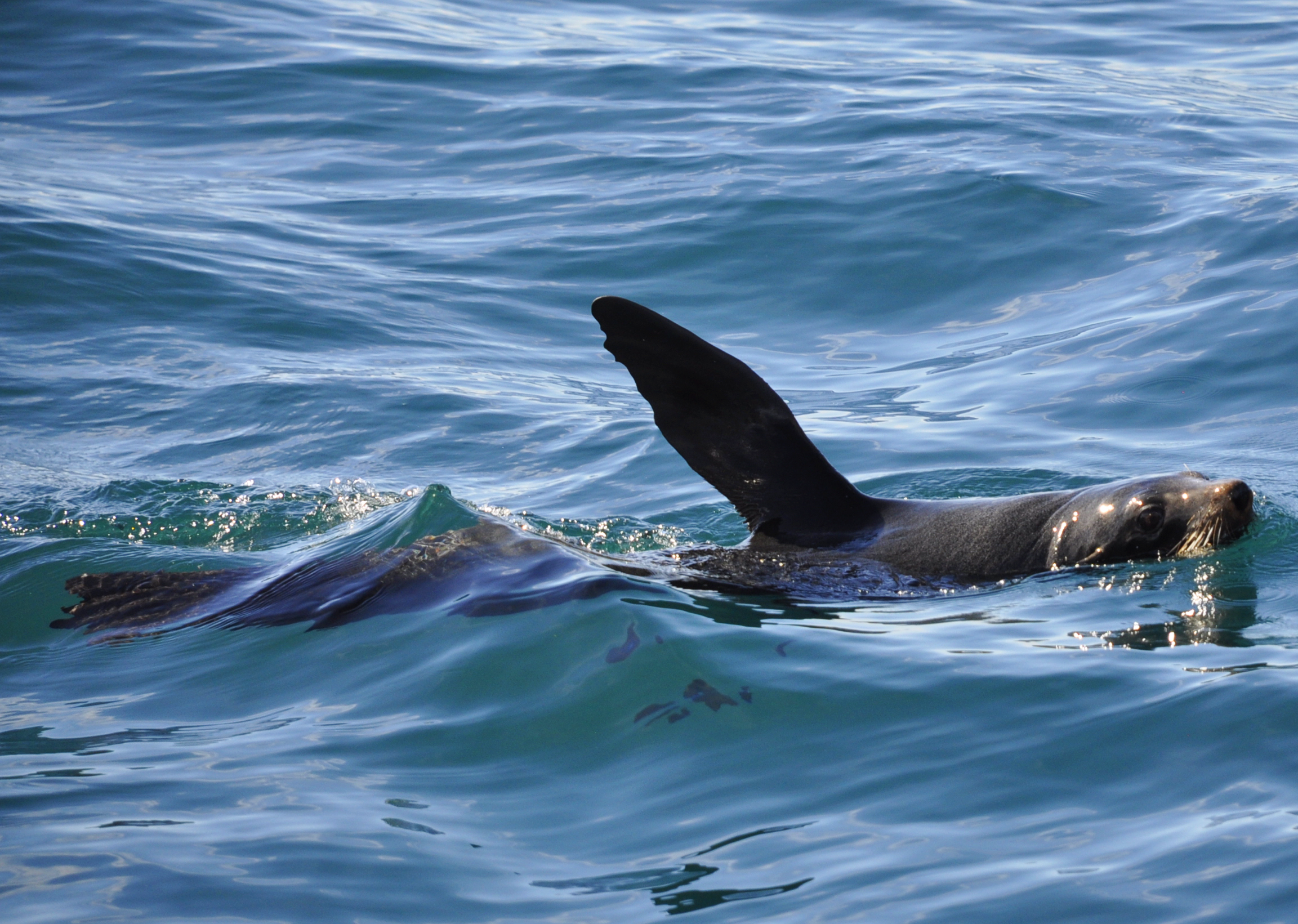
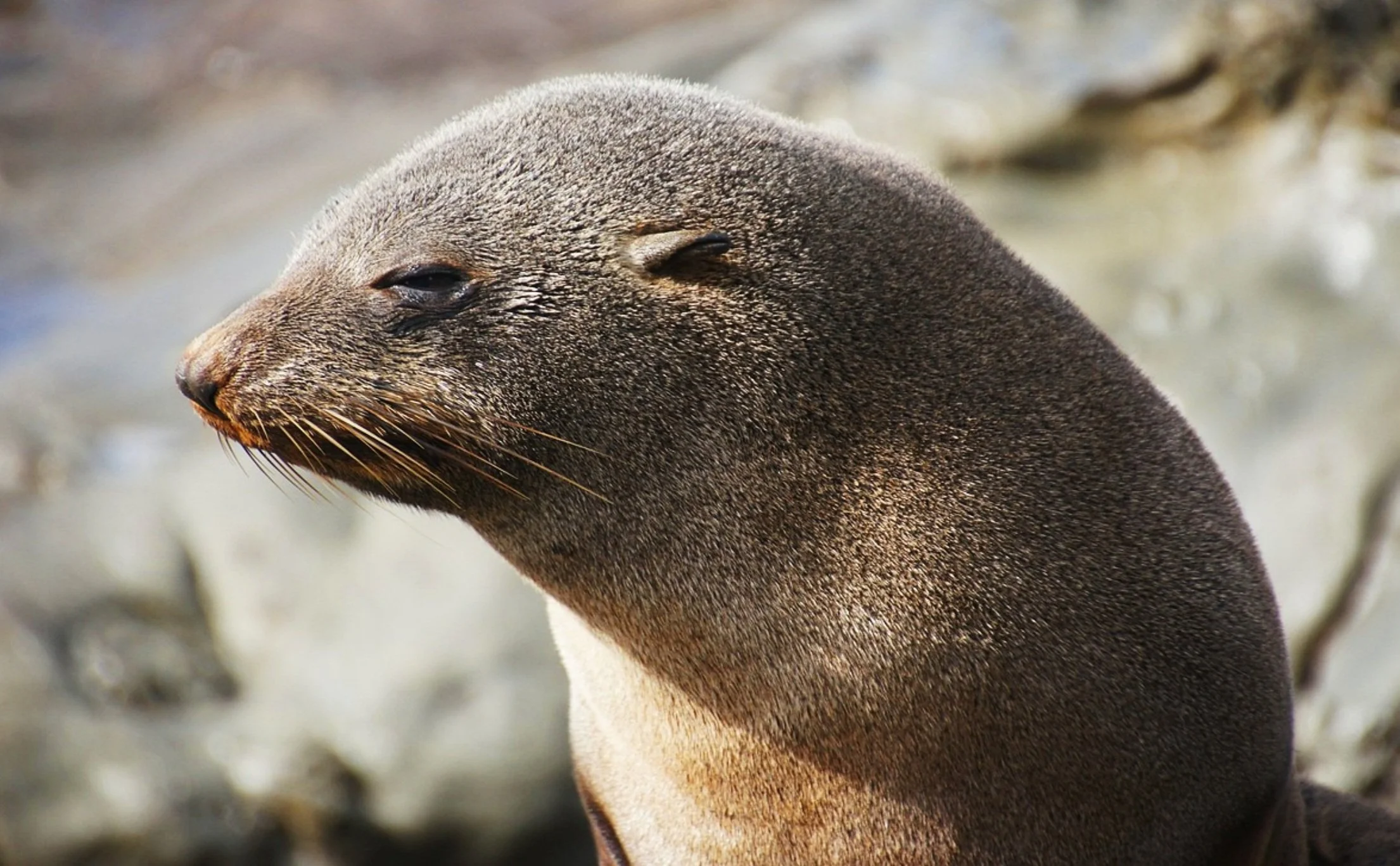
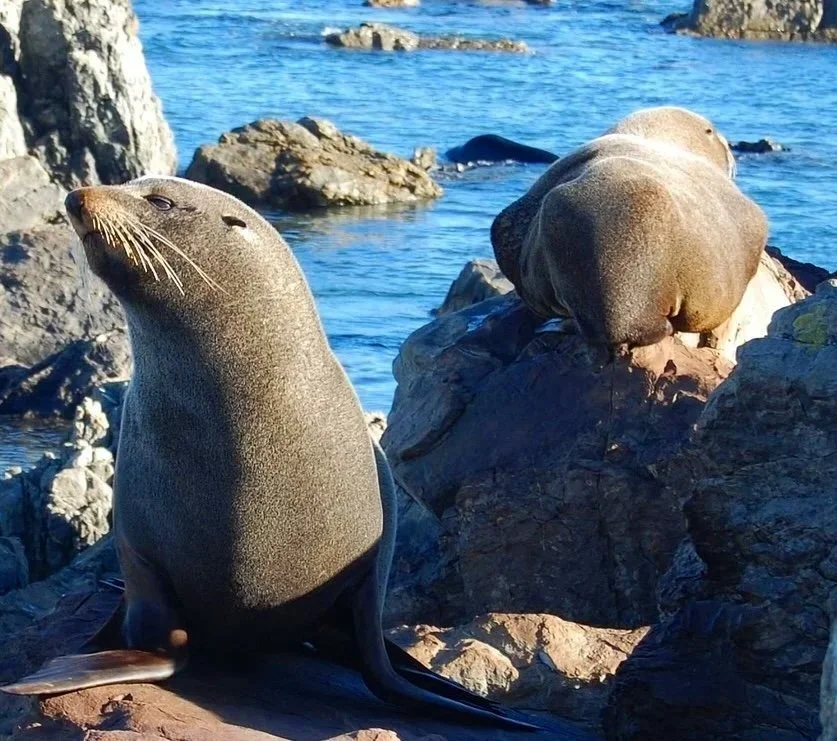
NZ Fur Seal
Fur seals/kekeno were once hunted for their pelts, driving the species to near extinction. Whilst fur seals are recolonising the mainland, they have not reached former abundance levels and remain in a state of recovery. Today’s nationwide population has recovered to over 200,000 seals, though the population once numbered 2-3 million.
Although fur seals are no longer on the brink of extinction, they continue to face human related threats. Fur seals are drowned in trawling and long line fisheries, impacted by overfishing, climate change, marine debris entanglement, dog attacks, disease, intentional harm and human disturbance.
Kaikōura seal colonies are a visitor attraction - with resting, birthing and nursing seals experiencing significant visitor disturbance and harassment. The Kaikōura population has declined due to starvation and distemper virus; with the H5N1 virus expected to exacerbate mass mortality.
-
![]()
Leopard Seal
Leopard seals/popoikore primarily inhabit the Antarctic pack ice, dispersing northwards in the southern ocean during autumn and winter.
New Zealand is home to resident and vagrant leopard seals, which visit the mainland coastline for brief stops, or for months and years at a time.
The public is encouraged to report sightings. Data collection helps identify individuals and haul out sites, whilst assisting monitoring.
Reported sightings are valuable for conservation management, helping to increase understanding of leopard seal occurrence and movements.
To prevent public disturbance, please do not circulate leopard seal sightings online, or withhold location details.
You can report leopard seal sightings to 0800 LEOPARD (0800 536 7273) or the DOC Hotline on 0800 DOC HOT (0800 362 468).
-
![]()
Guidelines
It is a privilege to see seals around our coastline, and we can ensure that they are welcome and treated with respect.
Please never directly approach a seal, and follow these guidelines to reduce human disturbance:
• Maintain a 20m minimum distance, ideally 50-100m.
• Stay back, never surround, move slowly, and keep quiet.
• Do not pursue, disturb, touch or harass seals.
• Keep a clear path between a seal and the sea, so that it can depart.
• To avoid dog attacks, keep dogs under control on a lead and maintain a 20m distance.
• When photographing seals, use the zoom function and maintain a minimum distance to prevent disturbance.
-
![]()
Reporting
If you encounter a seal it is generally best to leave it alone, however there are exceptions. The Department of Conservation (DOC) may intervene if a seal is:
• entangled in marine debris;
• in immediate danger or causing disruption, e.g. trapped on a road;
• being harassed by people or dogs;
• suffering from intentional harm, i.e. wildlife crime.
It is an offence under the Marine Mammals Protection Act 1978 to disturb, harass, harm, injure or kill a seal; with a maximum penalty of two years imprisonment and fine of $250,000.
Do not attempt to handle unwell seals, they can be aggressive when stressed. If you are concerned that a seal is suffering, seriously injured, in danger or harassed, call the DOC Hotline on 0800 362 468.
-
![]()
Elephant Seal
The southern elephant seal/ihupuku is the largest species of seal in the world. Elephant seals are residents of New Zealand’s subantarctic islands and occasionally visit our coastline.
Elephant seals range throughout the southern ocean, around the Antarctic continent and subantarctic islands. In winter they may frequent various mainland locations, hauling out on sand or gravel beaches. When visiting our coastlines to rest or moult, elephant seals can stay in an area for months.
There has been a long-term decline at most colonies due to human related threats, such as commercial exploitation of prey stocks. It is also possible that elephant seals are affected by ship-strike and fishing mortality, though little information exists on these impacts.
The Department of Conservation (DOC) encourages reporting of elephant seal sightings.







Whales
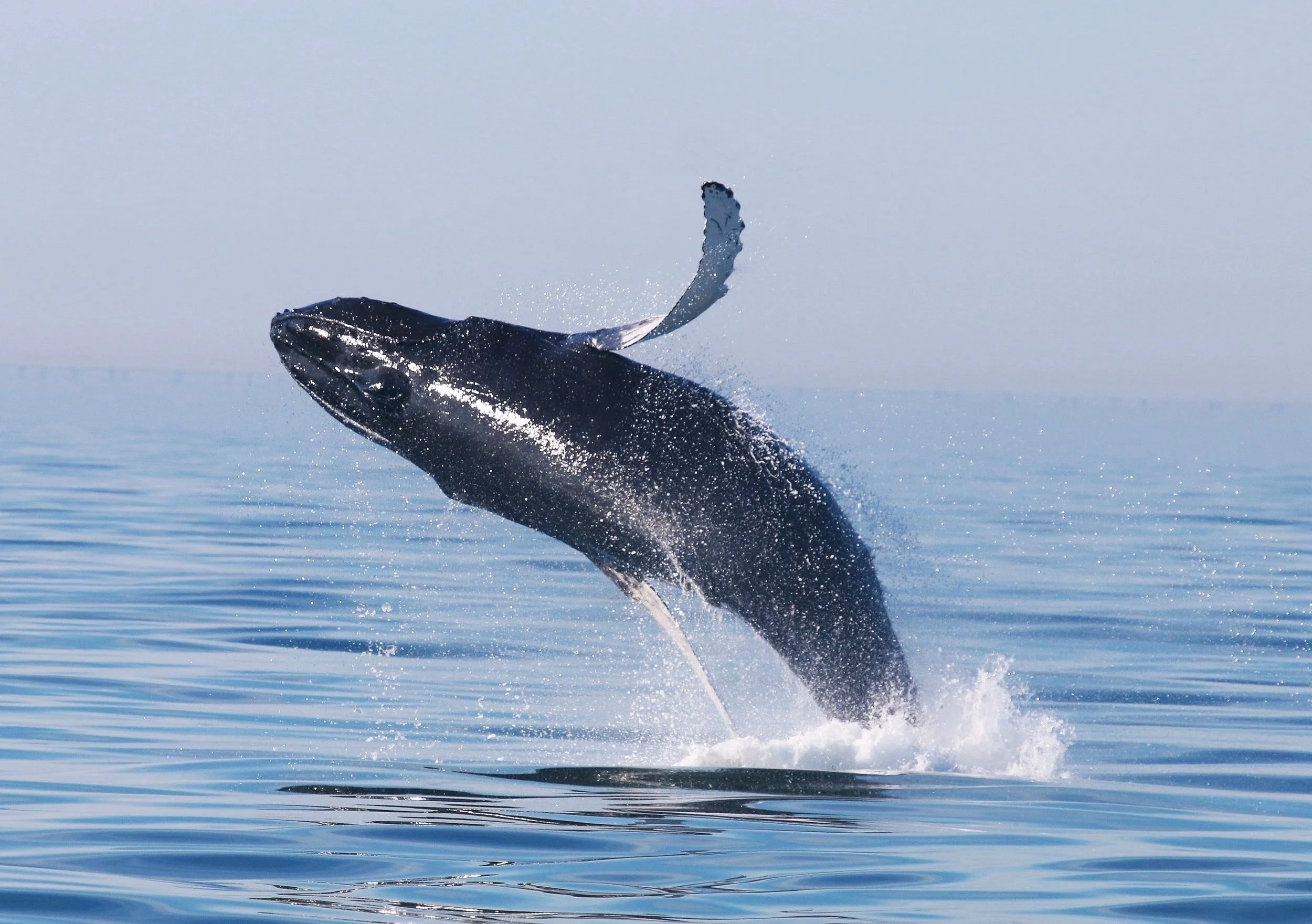
Almost half of the world’s cetacean species are found in New Zealand waters, with Kaikōura renowned as a marine mammal hotspot. Here you can sight many whale/tohorā species, including sperm, humpback, southern right, pilot, minke, beaked and blue whales.
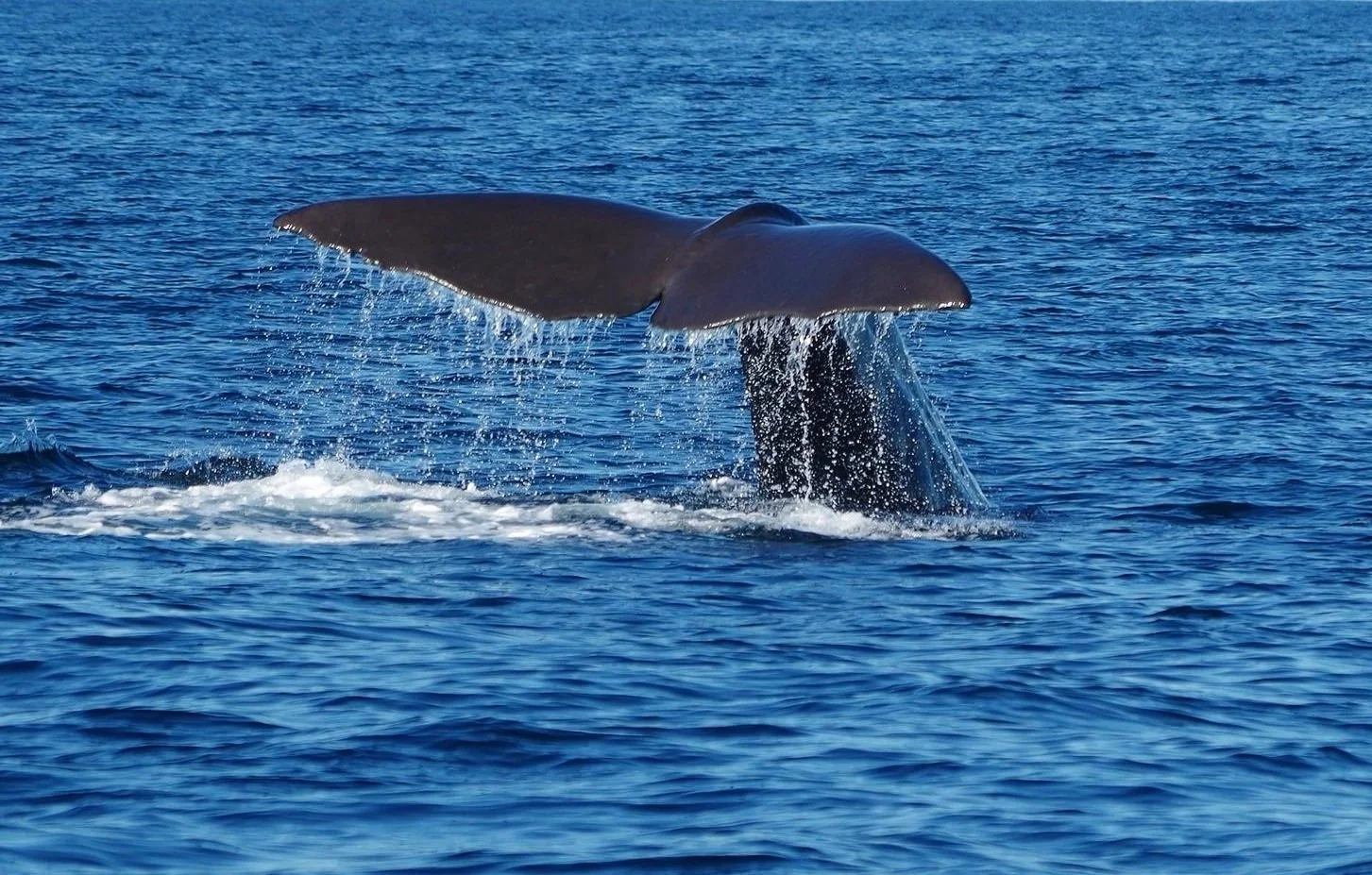
The Kaikōura region is unique in being home to a year round resident population of at-risk sperm whales/parāoa. Kaikōura’s sperm whales are the most well-studied New Zealand population, including both resident and transient individuals, consisting of predominantly males. 89 sperm whales were recorded in Kaikōura in 1991, compared to 40 individuals documented in 2017. Long-term decline has lead to fewer resident whales and recruitment, with displacement remaining a concern in relation to decreased ocean productivity and human disturbance.
An abundance of migratory whale species travel through Kaikōura’s waters, including humpback whales/paikea, which are typically sighted in inshore waters from May-October. Peak migration is from June to August, when humpback whales travel north from Antarctic feeding grounds, journeying past Kaikōura to breed in tropical waters.
Orca/kera wera spend time in Kaikōura coastal waters throughout the year, particularly from September to April.
Dolphins
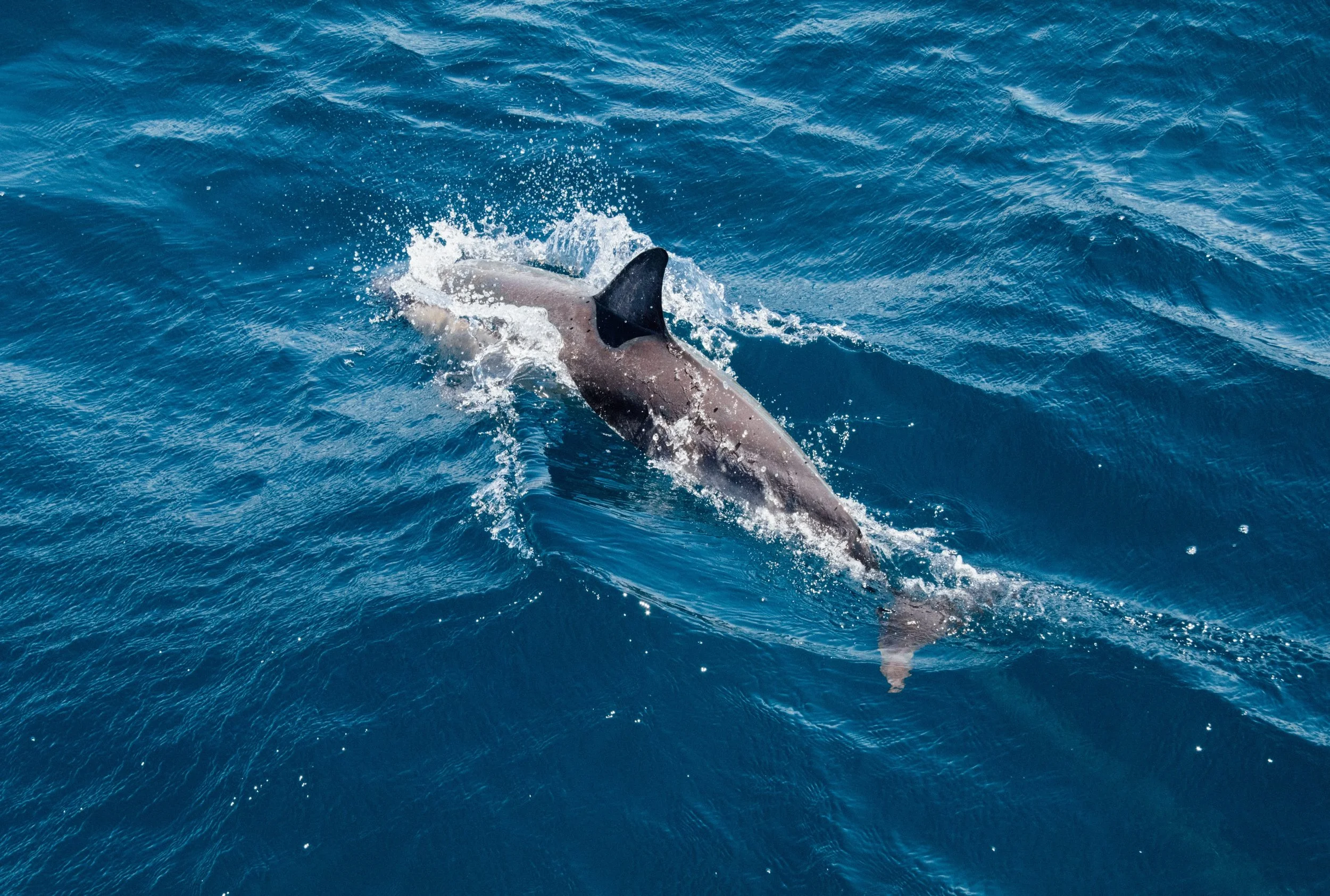
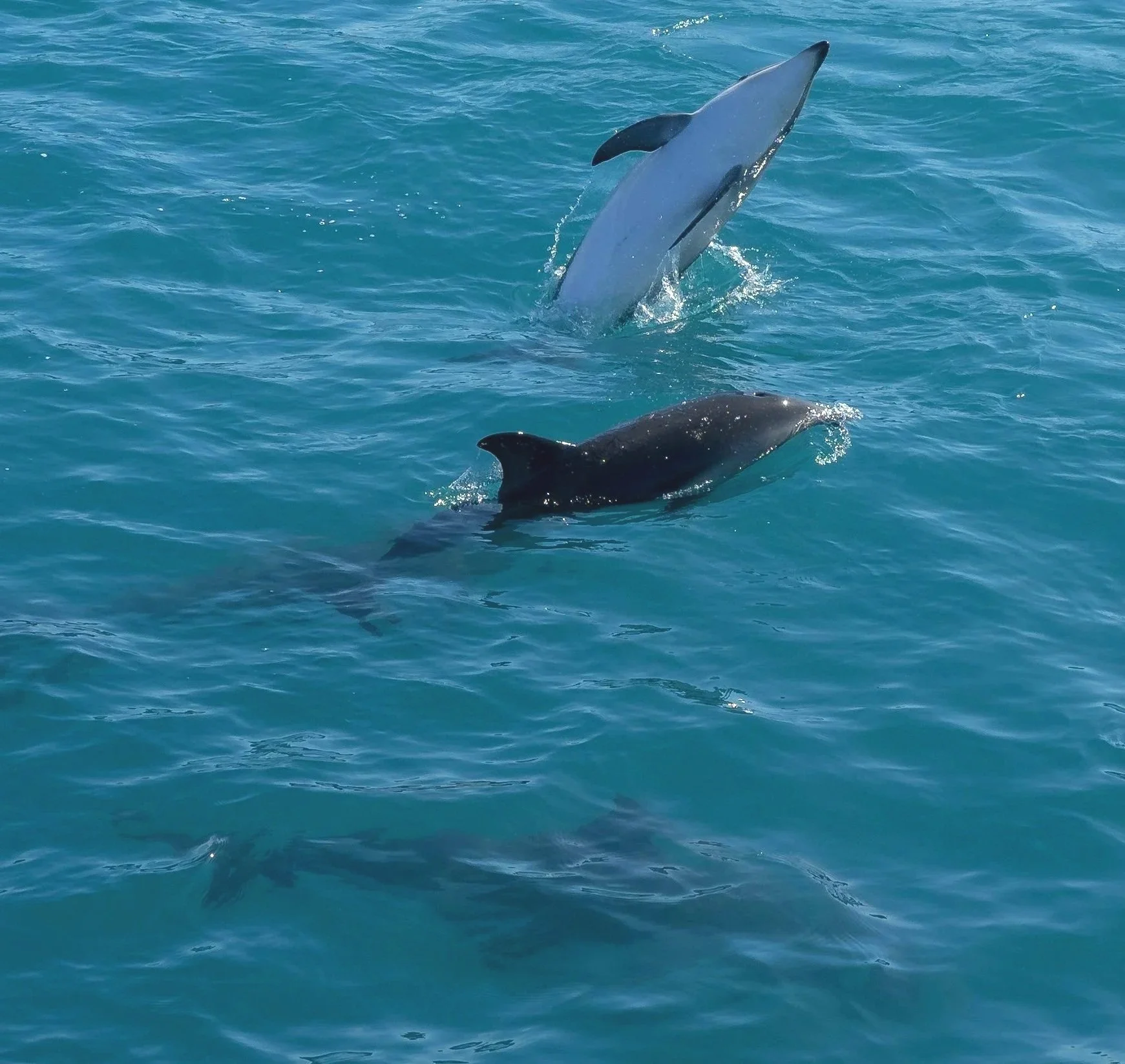
Kaikōura is recognised as a site to regularly encounter dolphins. A variety of dolphins/aihe are found off Kaikōura, including Hector’s, dusky, common, bottlenose, and southern right whale dolphins.
The endangered Hector’s dolphin/tutumairekurai is unique in being endemic to New Zealand, with small sub-populations residing in Kaikōura coastal waters north and south of the peninsula. Hector’s dolphins have unique markings and a distinctive rounded dorsal fin akin to a Mickey Mouse ear. Along with the critically endangered Māui dolphin, this is the smallest and rarest marine dolphin species in the world. They continue to be threatened by commercial and recreational fishing.
Dusky dolphins are sighted throughout the year in Kaikōura waters, with variations in location and habits between the summer and winter months. From November to April dusky dolphins congregate in large pods, with inshore movements generally peaking March to April. From May to September, pods are located further offshore, and range over a wider area of the coastline.
Common dolphins are generally sighted over the summer period, while bottlenose dolphin sightings occur periodically, both often associated with pods of dusky dolphins.
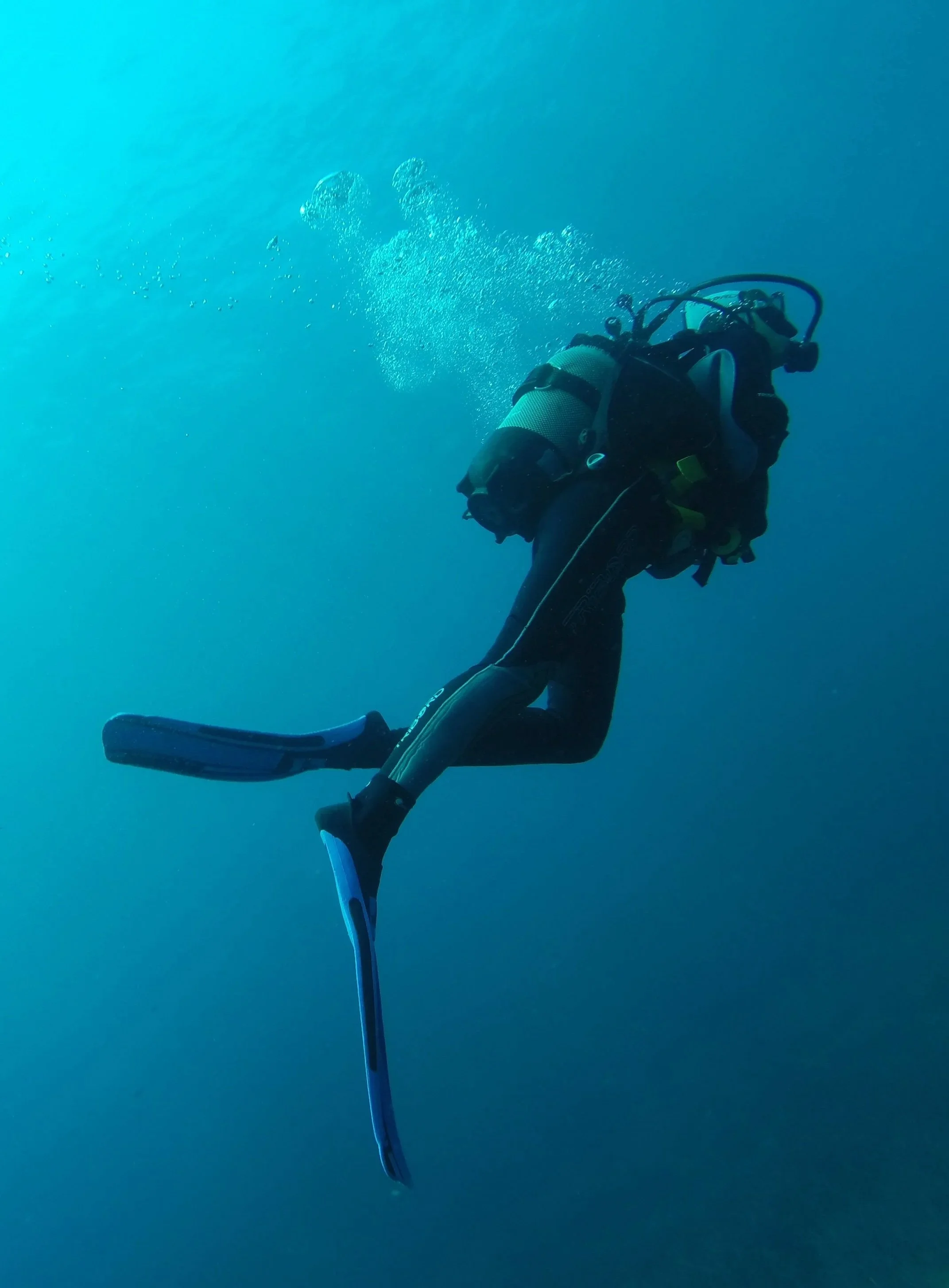
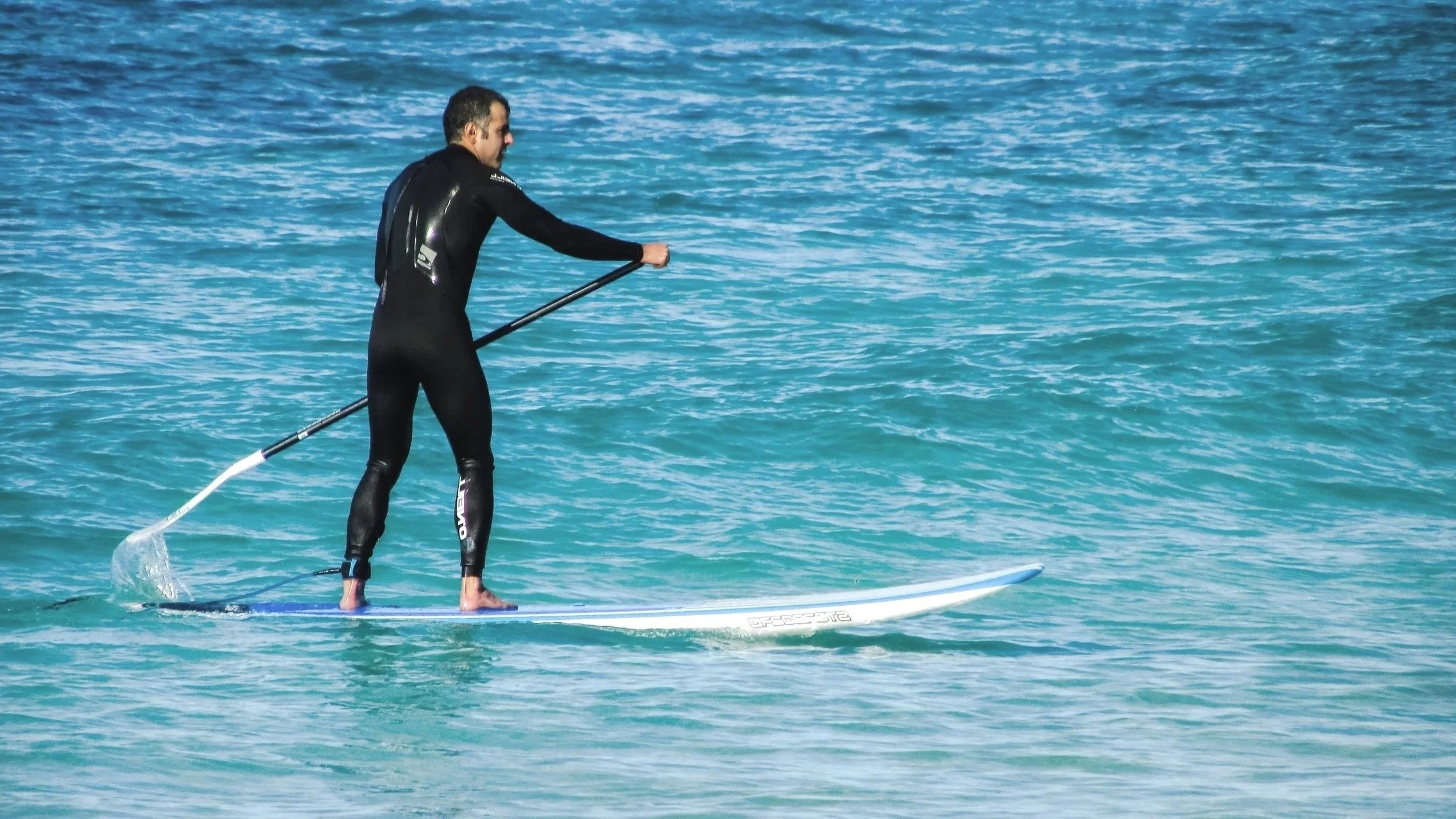
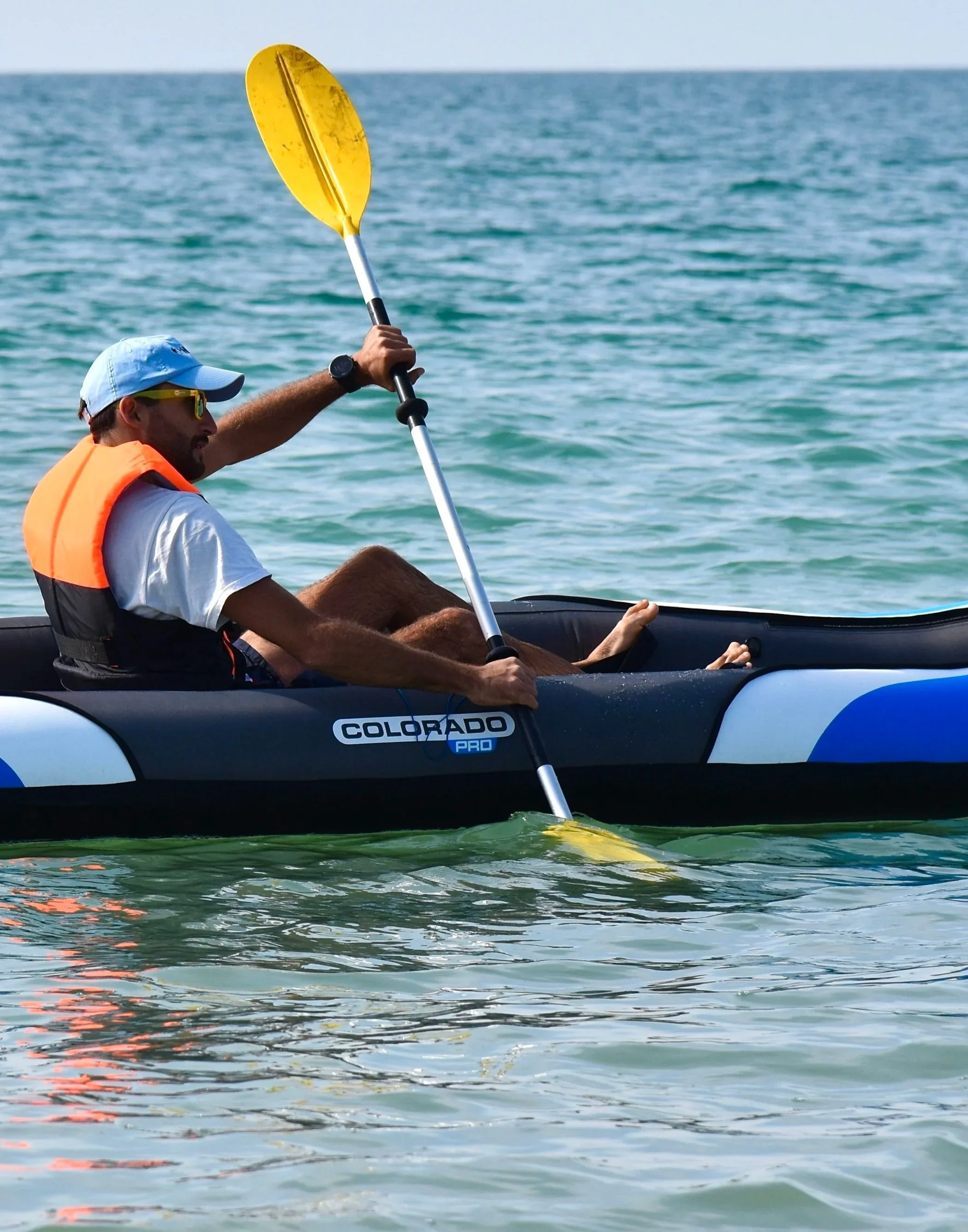
Sharing Our Coast
Keep Your Distance
Threatened Species: Much of New Zealand’s marine life is threatened — human disturbance is an avoidable threat. Please ensure you follow rules and interaction guidelines.
Stay Back: You must maintain minimum viewing distances at all times. Do not pursue marine mammals — is illegal to disturb, harass or harm protected species.
Never Surround: Do not encroach or corner marine mammals — always leave a clear unblocked path for wildlife to evade and escape.
Move Slowly: Avoid sudden movements. If a marine mammal stops what it is doing, stares, or tries to flee, you are too close and must back away.
Keep Quiet: Speak in low voices or remain completely silent to avoid startling wildlife.
Use Zoom Lens: Rely on cameras, phones, binoculars or scopes to see and capture details, rather than moving closer.
Report: Contact the Department of Conservation hotline on 0800 362 468 to report harassment. Under the Marine Mammals Protection Act 1978, disturbing protected marine mammals carries fines of up to $250,000 or imprisonment.
Responsible Interactions
Boating
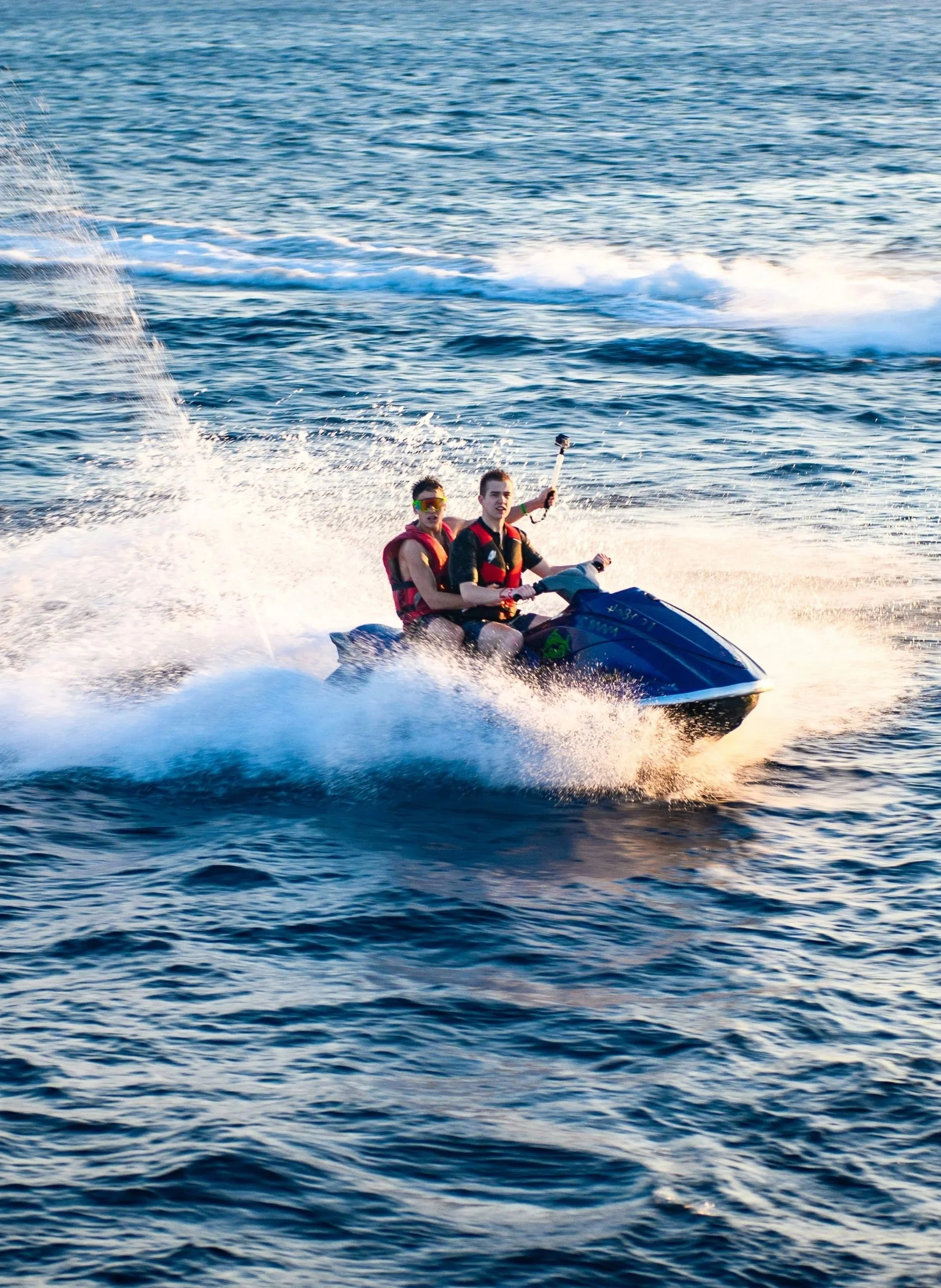
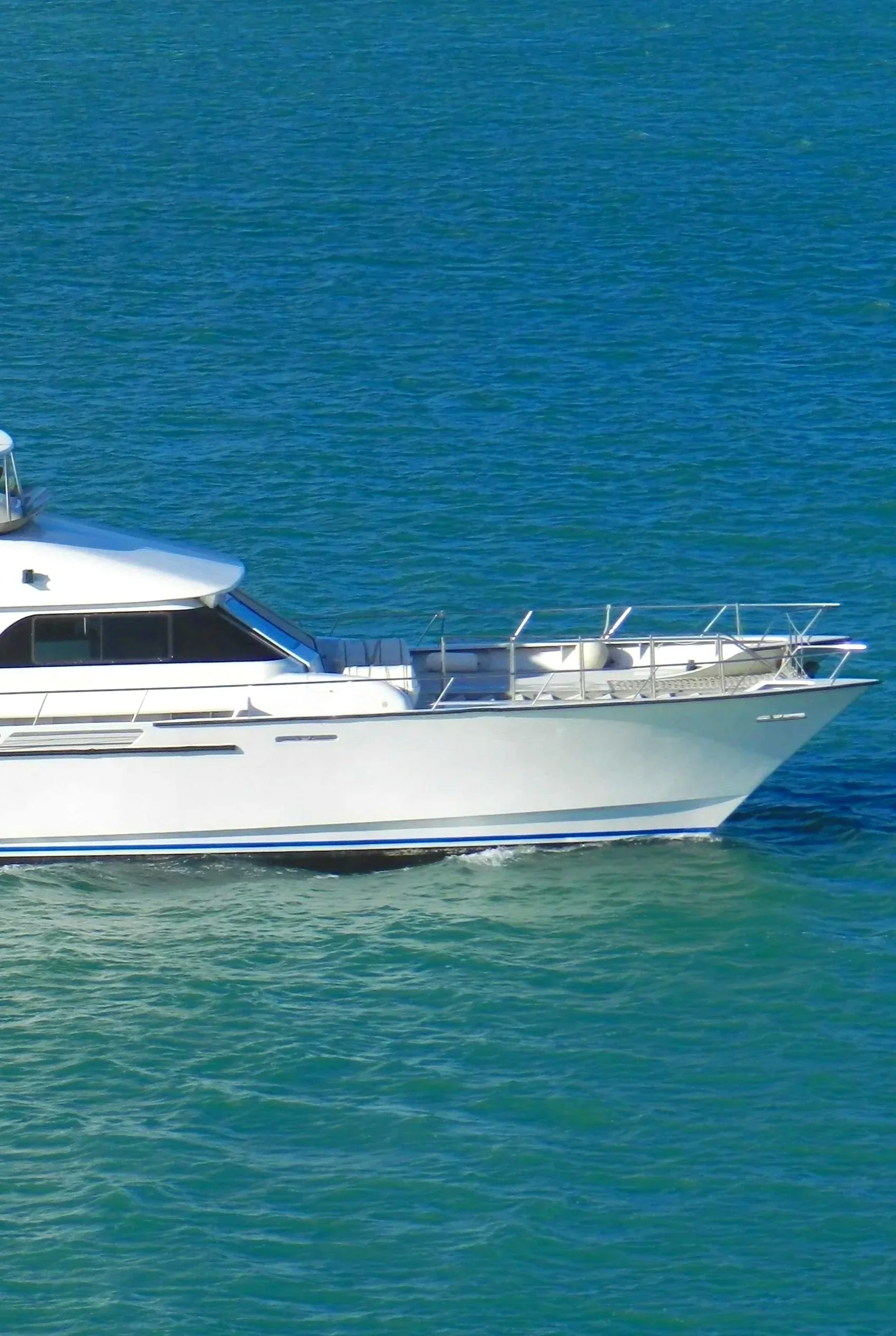
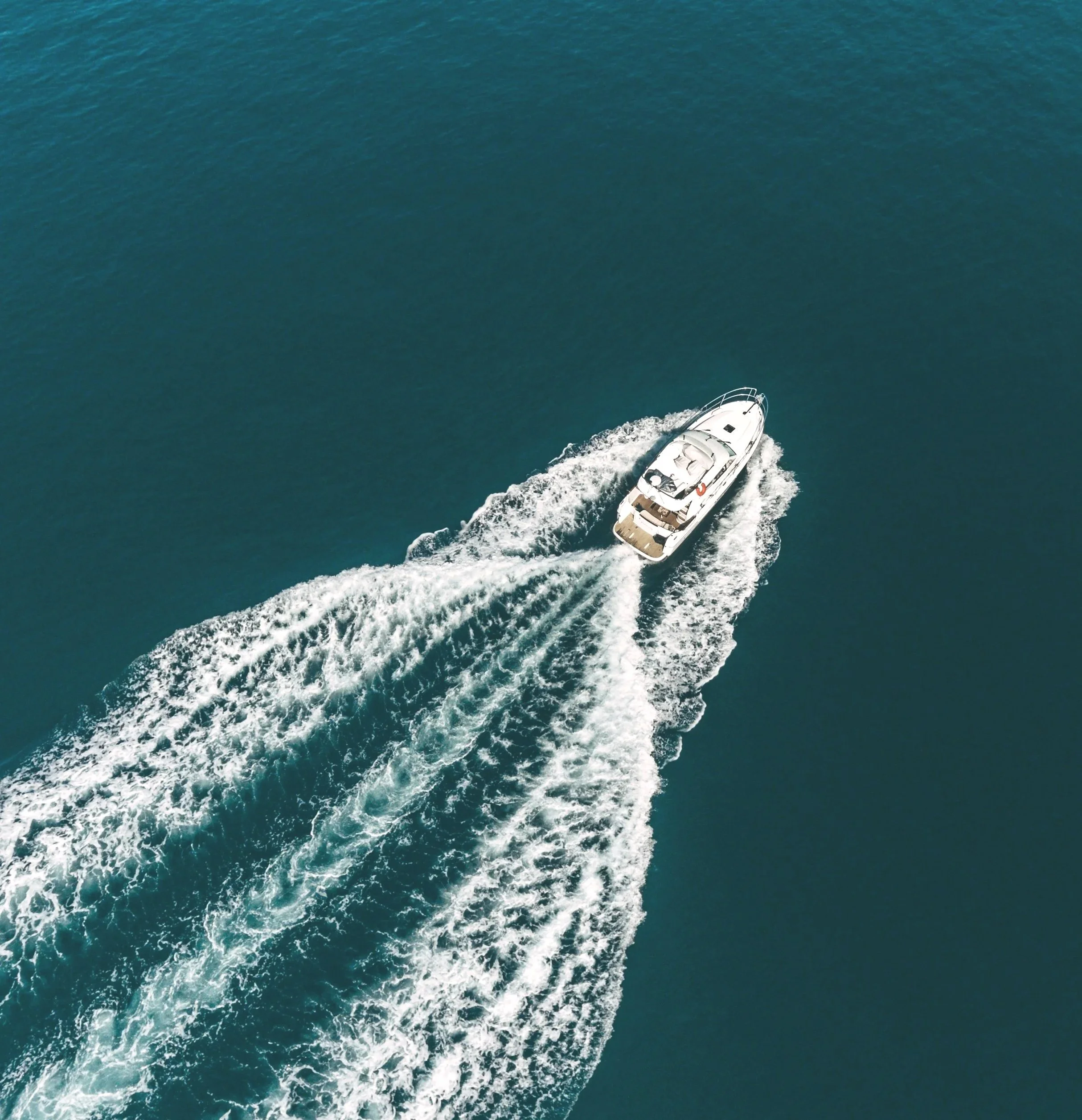
New Zealand enforces national maritime safety and speed restrictions under Maritime NZ Part 91 rules, alongside regional council bylaws. Vessels must not exceed a speed of 5 knots within 200m of the shore (equivalent of a fast walking pace). Be aware of resurfacing seabirds (e.g. penguins and cormorants) and marine mammals (seals and cetaceans) when in shore. Boat strike and vessel collision pose a significant threat to seabirds and marine mammals, causing severe injuries and direct mortality.
Minimum Viewing Distances
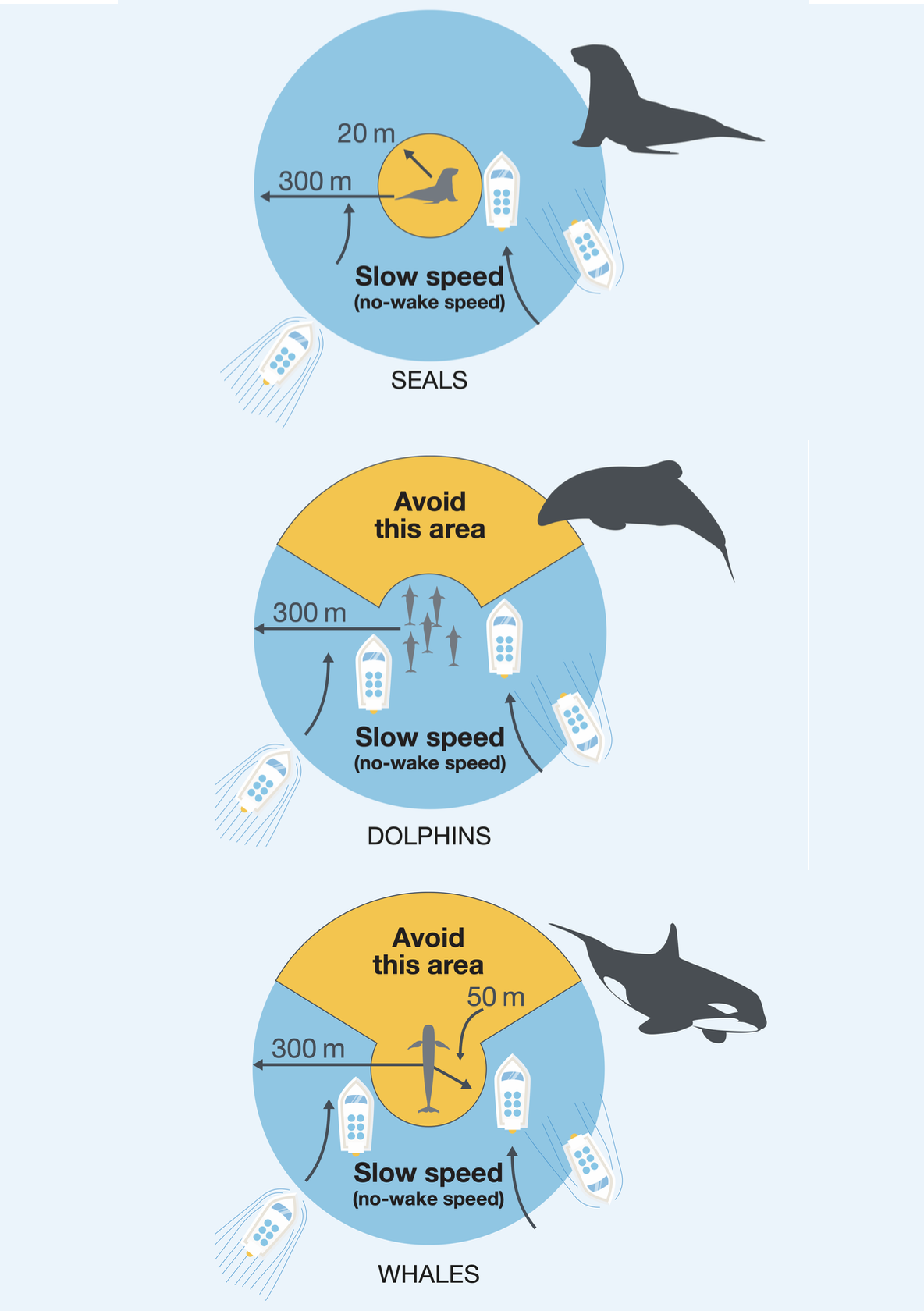
Seals and Sea Lions: Maintain a minimum distance of 20m from pinnipeds on land. Do not drive vehicles within 50m of seals or sea lions. Kayaks and vessels must remain at least 20m away from shore based seals, and the water’s edge where seals are present.
Whales and Dolphins: Travel no faster than idle or 'no wake' speed within 300m of cetaceans. Maintain a minimum distance of 50m (or 200m from any whales with calves.) No more than three vessels or aircraft are allowed within 300m. Swimming with whales is not permitted, nor with dolphin pods where calves are present.
Give wildlife space. Maintain a minimum 20m viewing distance from seals. Keep a greater distance from mothers and pups.