Responsible Cat Ownership
Pet Ownership
Nearly two-thirds of New Zealand households share their home with a pet, highlighting the deep bond our nation has with animals. Cats are the most popular pet, with 40% of households owning a feline companion, while 31% of homes own a dog. As pet lovers, we have a responsibility to prevent our four-legged family members from negatively impacting people, animals and the environment — by adherence to local bylaws.
Pets & Wildlife
Owning a companion animal is a responsibility that involves protecting and enjoying pets, whilst safeguarding wildlife. Pets are cherished family members, and it takes work to effectively look after our companions. We have a responsibility to ensure that our pets do not pose a danger to wildlife and as pet owners we can help prevent avoidable predation risk. As fellow cat and dog owners, we care about pet and wildlife wellbeing equally.
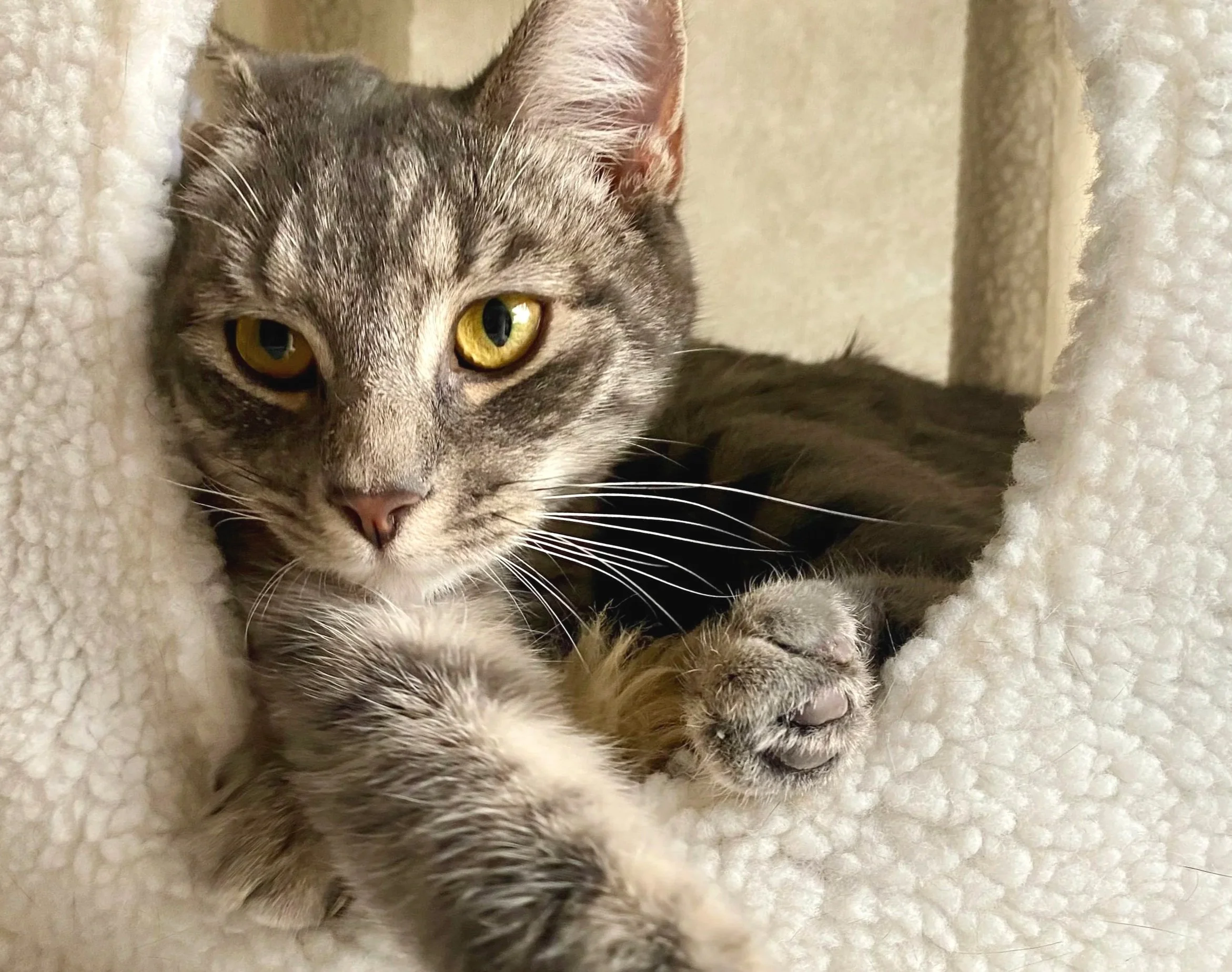
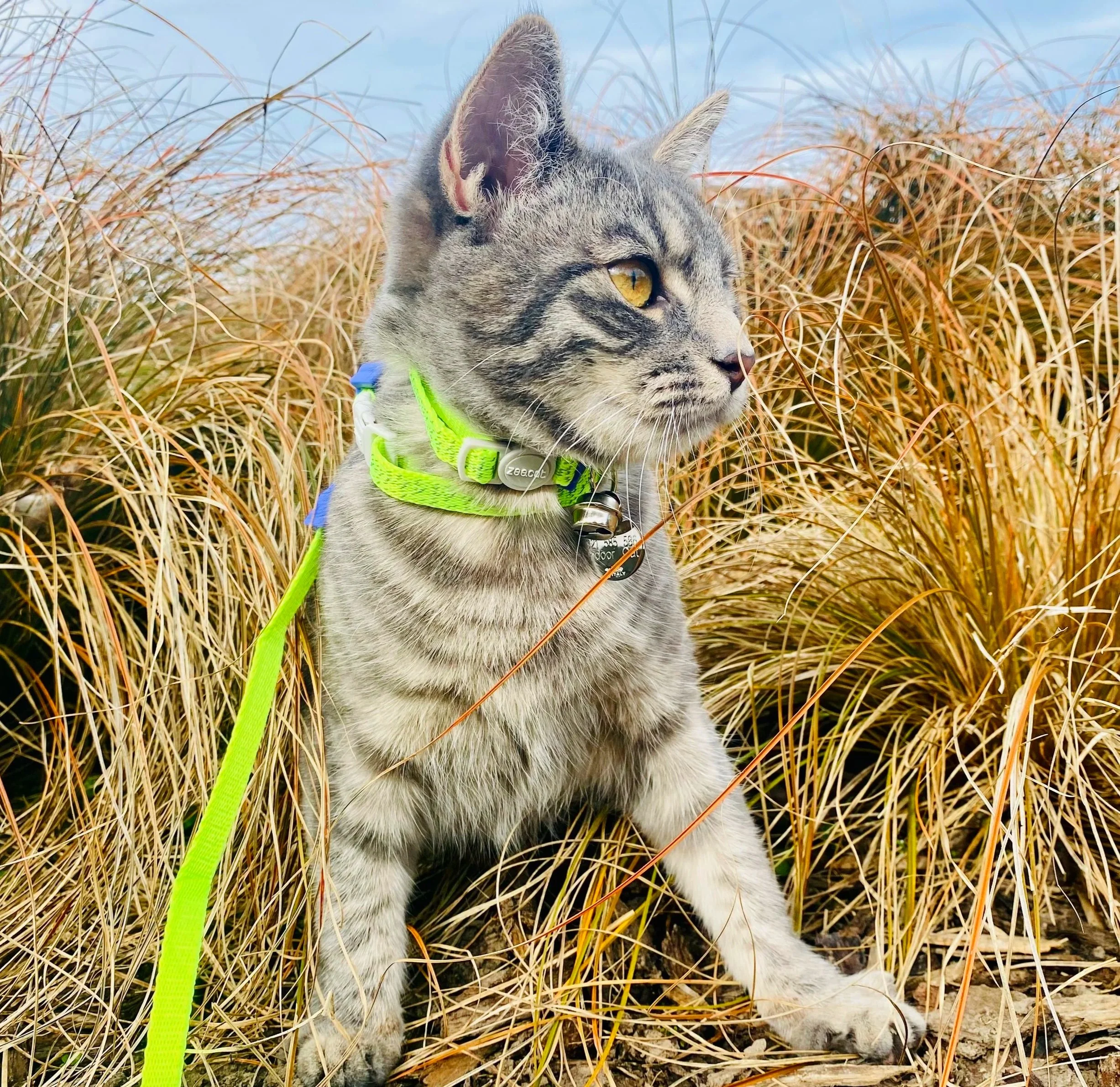
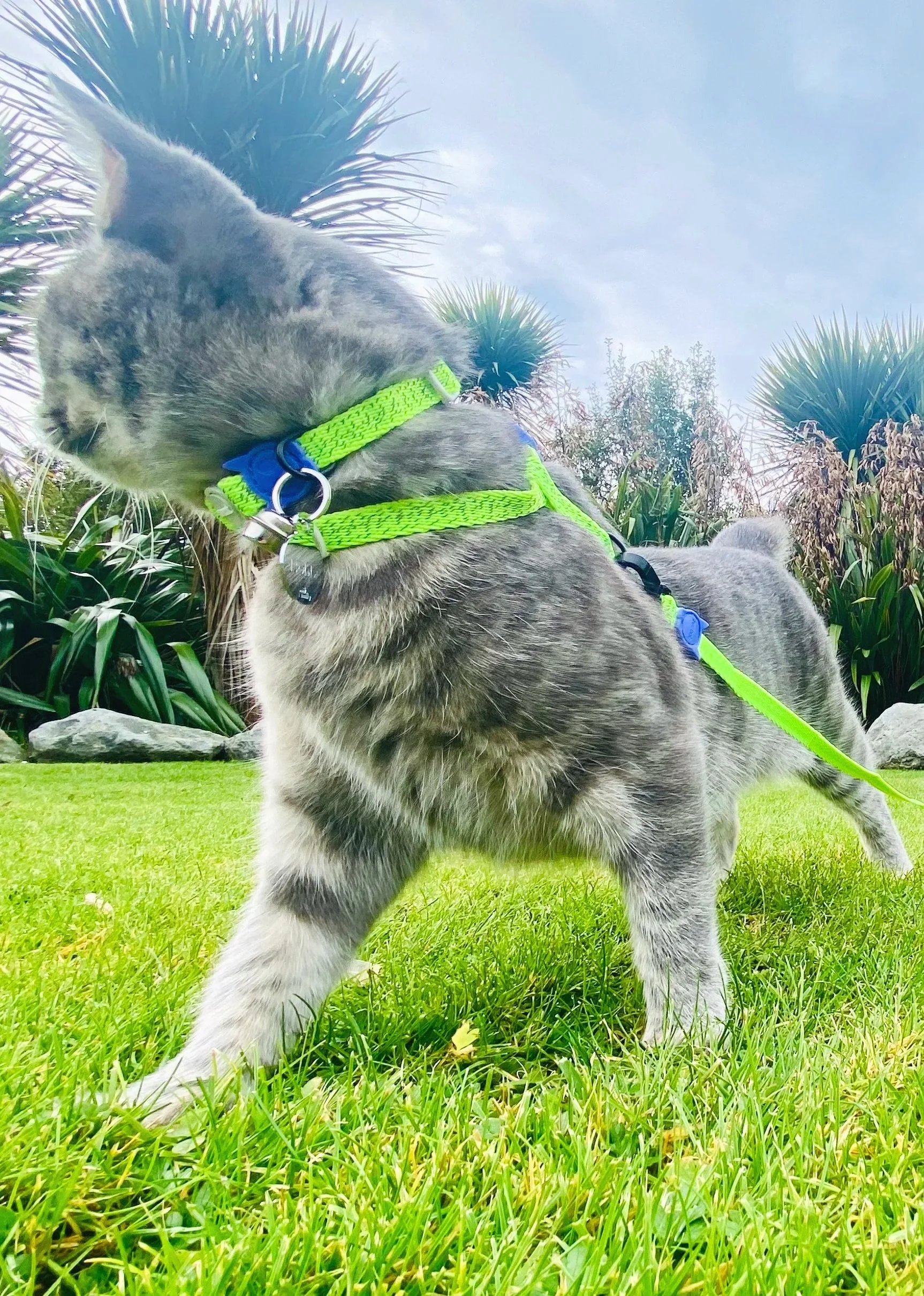
Cat Ownership
New Zealand has the highest rate of cat ownership per capita in the world, with 1.2 million companion cats. Whilst owned cats are beloved pets across households, countless unowned cats are not so lucky.
Due to no national legislation, there are an estimated 2.6 million unowned cats in New Zealand. Unowned cats are classified as domestic stray cats (human associated) and feral cats (non-human associated).
Without a culture of responsibility, domesticated cats continue to be released into the environment via abandonment, dumping, and lack of desexing, leaving unwanted cats to struggle to meet needs without human care. This profound level of neglect is a breach of animal welfare.
As apex predators, cats are skilled hunters which prey on wildlife, placing cats among the top threats of anthropogenic bird mortality. In lieu of human care, unowned cats subsist and are reliant on hunting wildlife. The capacity of cats to breed frequently, further compounds the issue. It is estimated that 98% of cats need to be desexed to stem the flow of cats into the environment.
Kaikōura is a biodiversity hotspot, supporting a wide range of wildlife. Coastal habitat provides roosting and breeding sites for threatened sea- and shorebirds, experiencing unsustainable predation pressure. In residential areas, pet and stray cats pose a serious threat at breeding sites — including vulnerable penguin, gull, tern, and dotterel chicks.
Cat Management
Cat management in New Zealand is widely considered by animal welfare groups, councils and conservation organisations to be inconsistent and under-regulated.
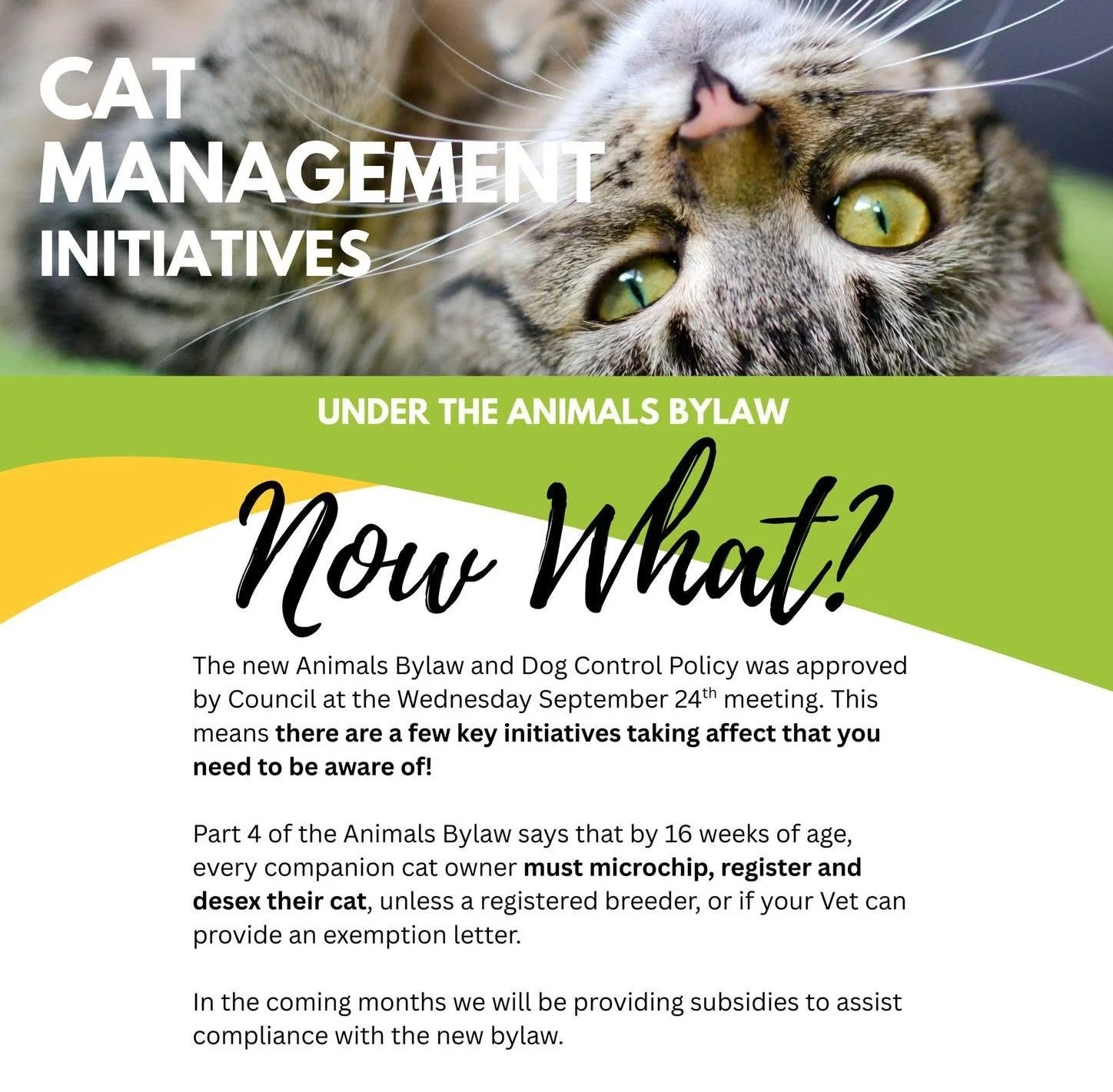
Alongside local bylaws such as the Animals Bylaw 2025 in Kaikōura (requiring mandatory desexing, microchipping and registration of cats), a proposed National Cat Management Strategy is focused on management, mitigation and prevention. The principles of cat ownership is based on a harmonious relationship between people, cats and the environment.
For companion cats, there is a high level of public support for desexing, microchipping, registration, and limiting the number of cats per household. Additionally, roaming behaviour can be addressed via containment, protecting the safety and wellbeing of cats and wildlife.
Despite advocacy, many pet owners allow cats to hunt in sensitive biodiverse ecosystems. Containing pet cats indoors from dusk to dawn in coastal areas is a key safeguard to prevent significant predation risk.
The primary goal of cat management is to balance animal welfare and wildlife protection, by ensuring cats are responsibly owned, while humanely managing stray and feral populations. Stray cat populations can be managed by desexing pet cats, reporting illegal dumping, and live trapping social cats for fostering and adoption via cat rescues. For feral cats, which are not domesticated and cannot be acclimated for rehoming, humane euthanasia is the only feasible outcome.
Responsible Cat Ownership
-
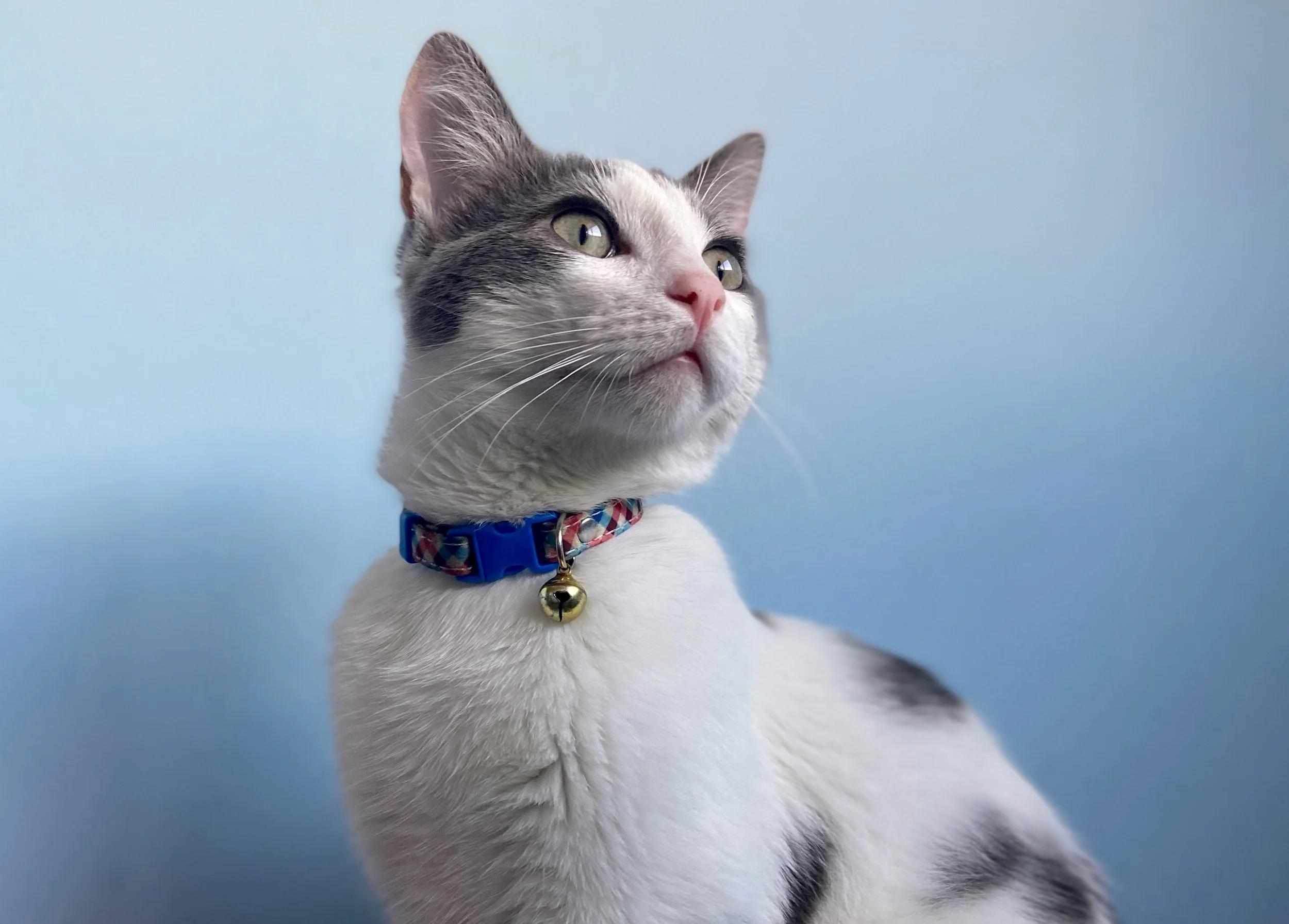
Microchipping, registration, and collars with tags, ensure that if a pet goes missing and is found, is identifiable and able to be returned to their owner.
-
Mandatory desexing is an essential part of responsible cat ownership, whilst also playing an important role in keeping pets healthy.
Desexing is critical to address overpopulation, due to significant numbers of unwanted litters and illegal dumping in New Zealand, leading to unwanted animals in shelters, and stray cat populations.
-
Keeping cats as indoor pets lowers the risk of pets going missing, injury or death; by eliminating the chance of vehicle strike, fights, disease, or intentional harm. It’s also the best thing pet owners can do for native wildlife.
For cats, containment from dusk to dawn, when roosting and nesting birds are most vulnerable, and cats are most actively roaming — is a positive start.
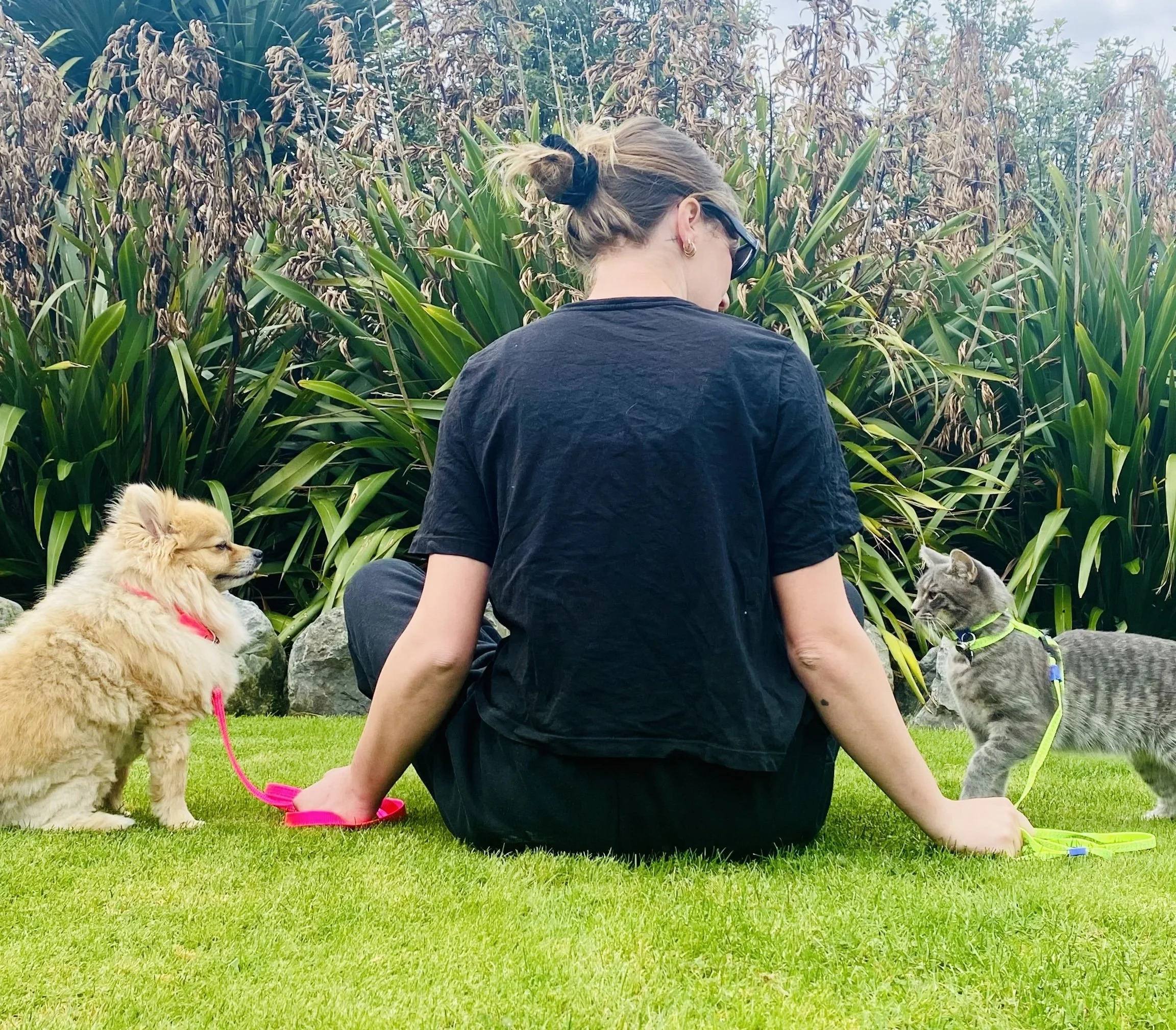
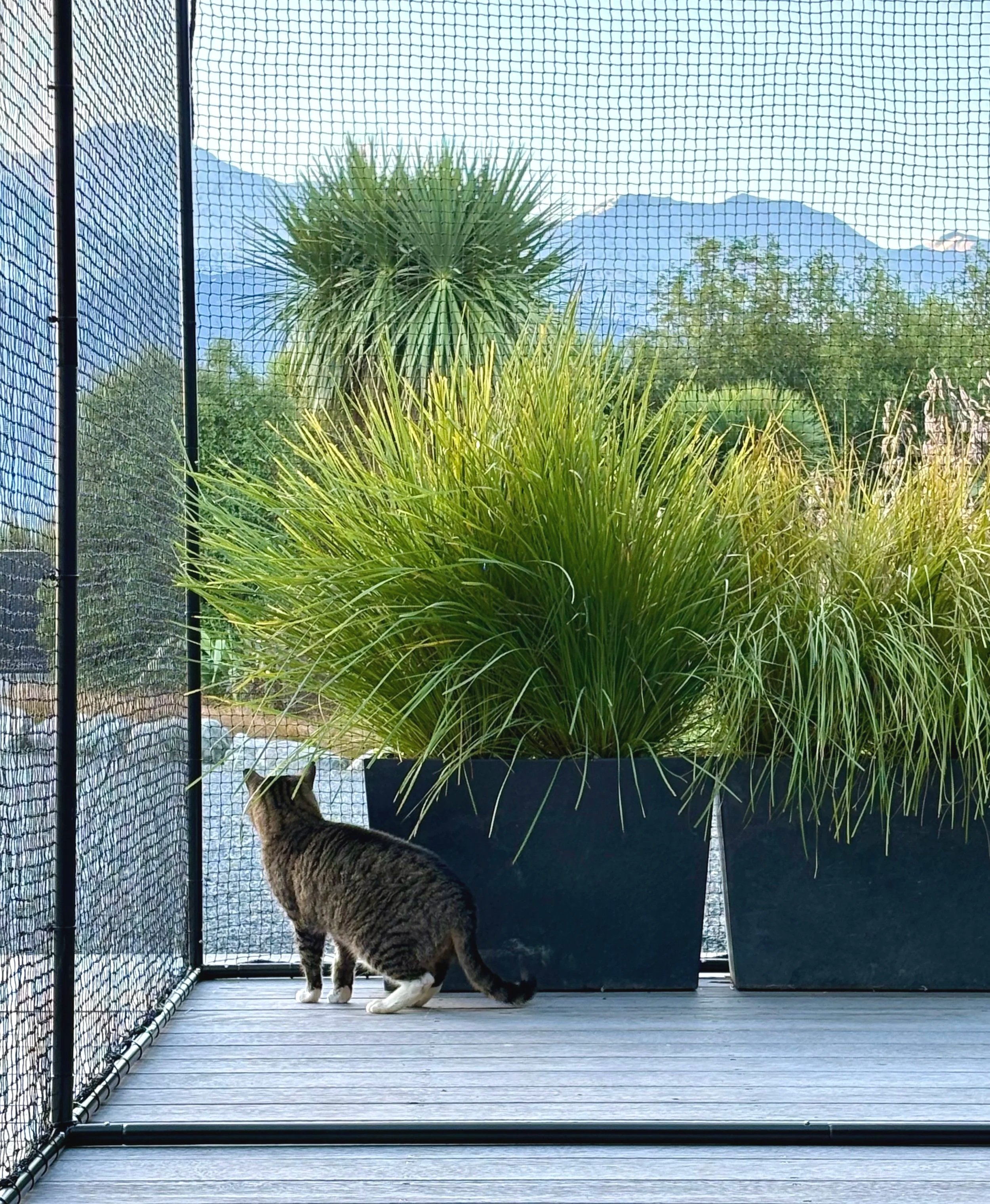
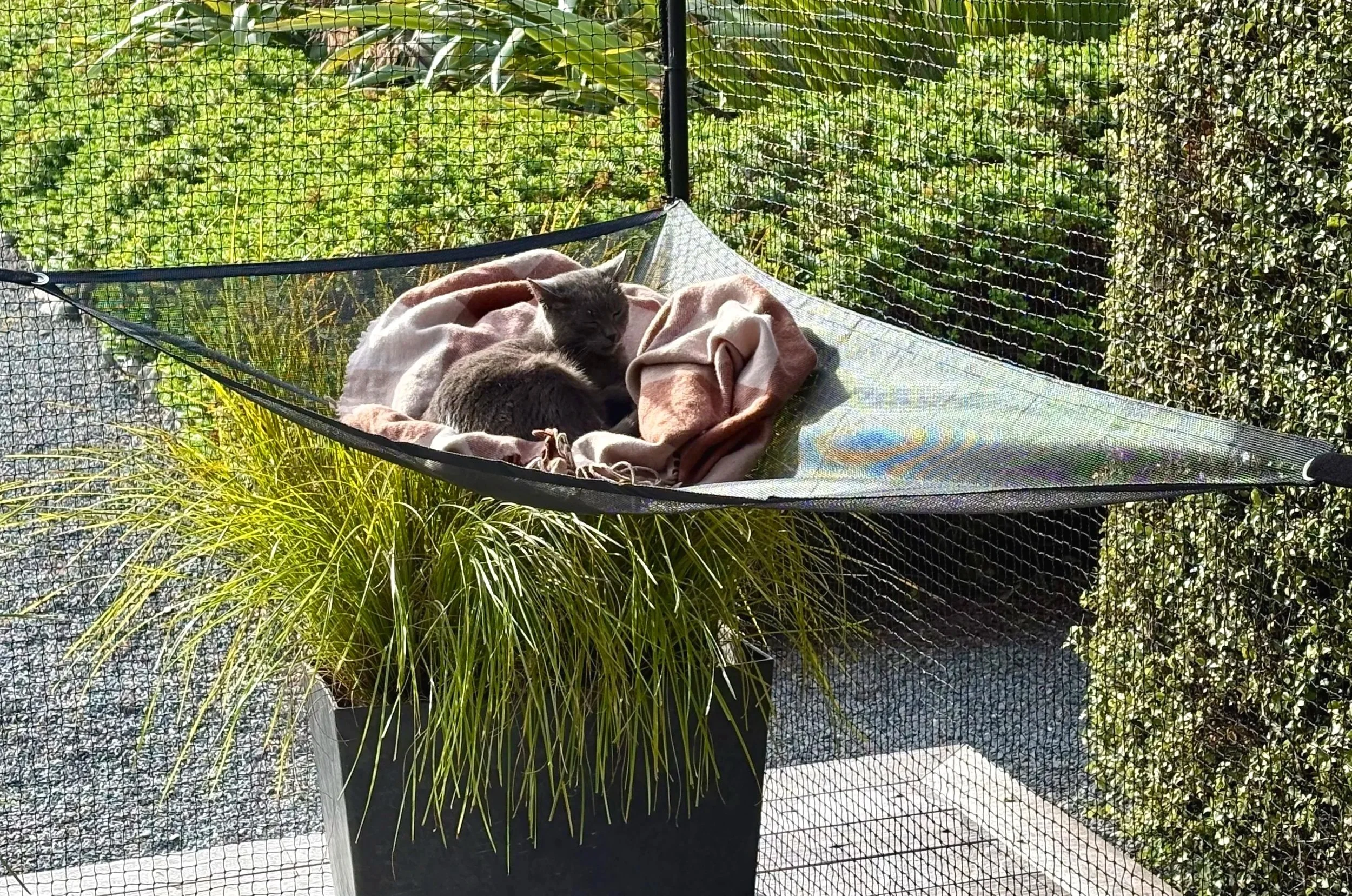
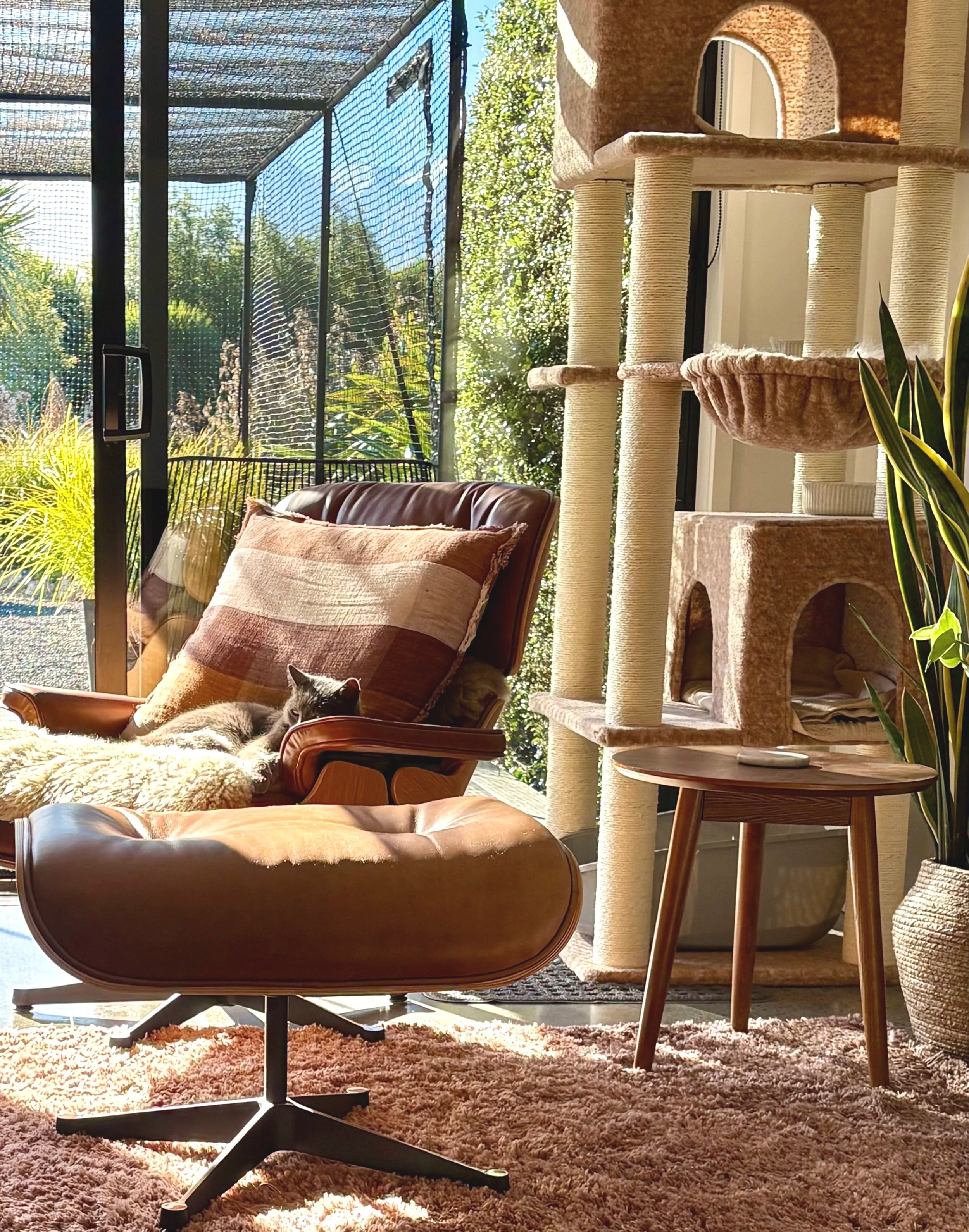
For permanent cat containment, catio enclosures are excellent options. There are many ways to provide a wonderful indoor life for cats via enrichment, managed outdoor access, and leash training for supervised outings.
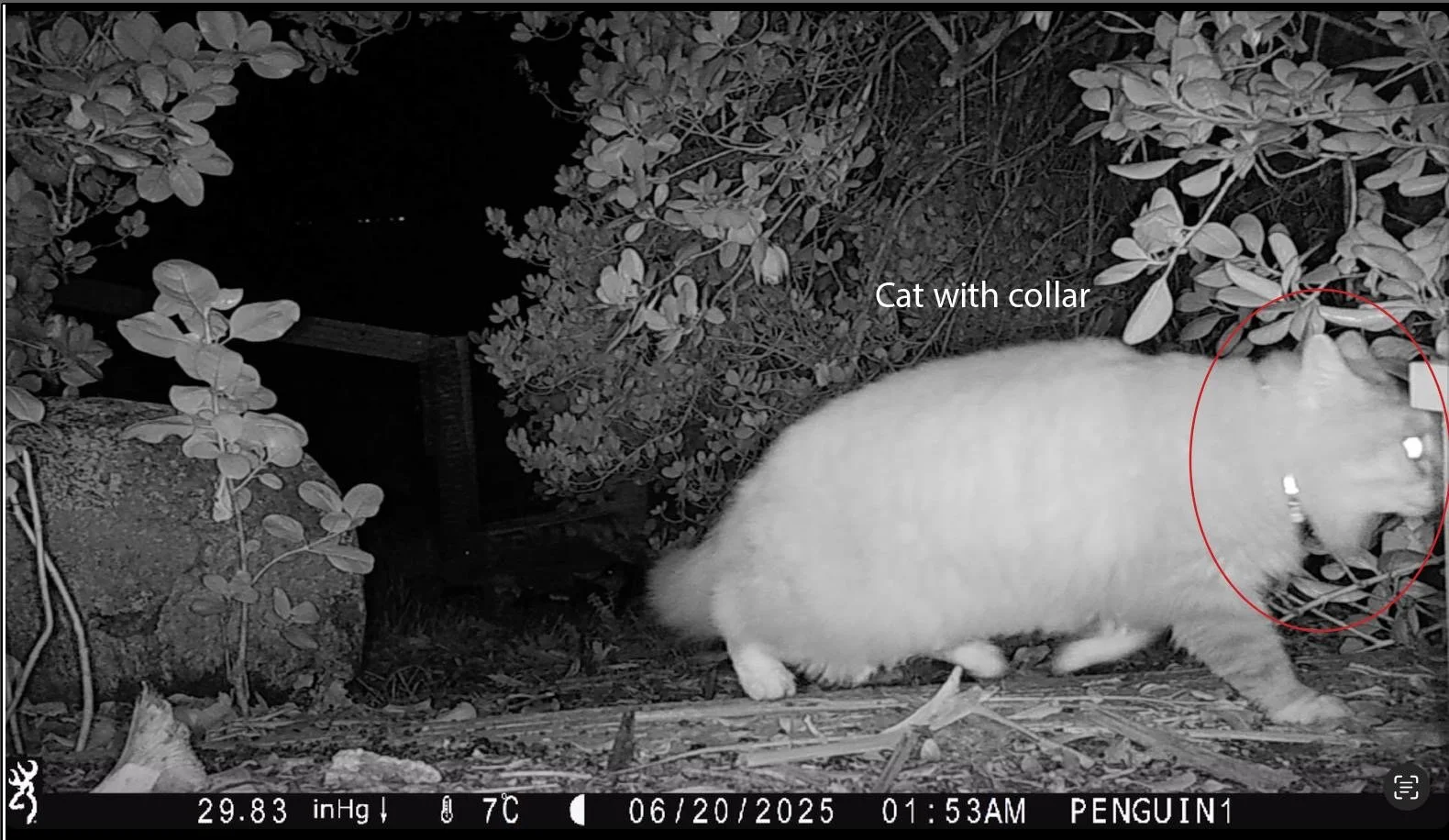
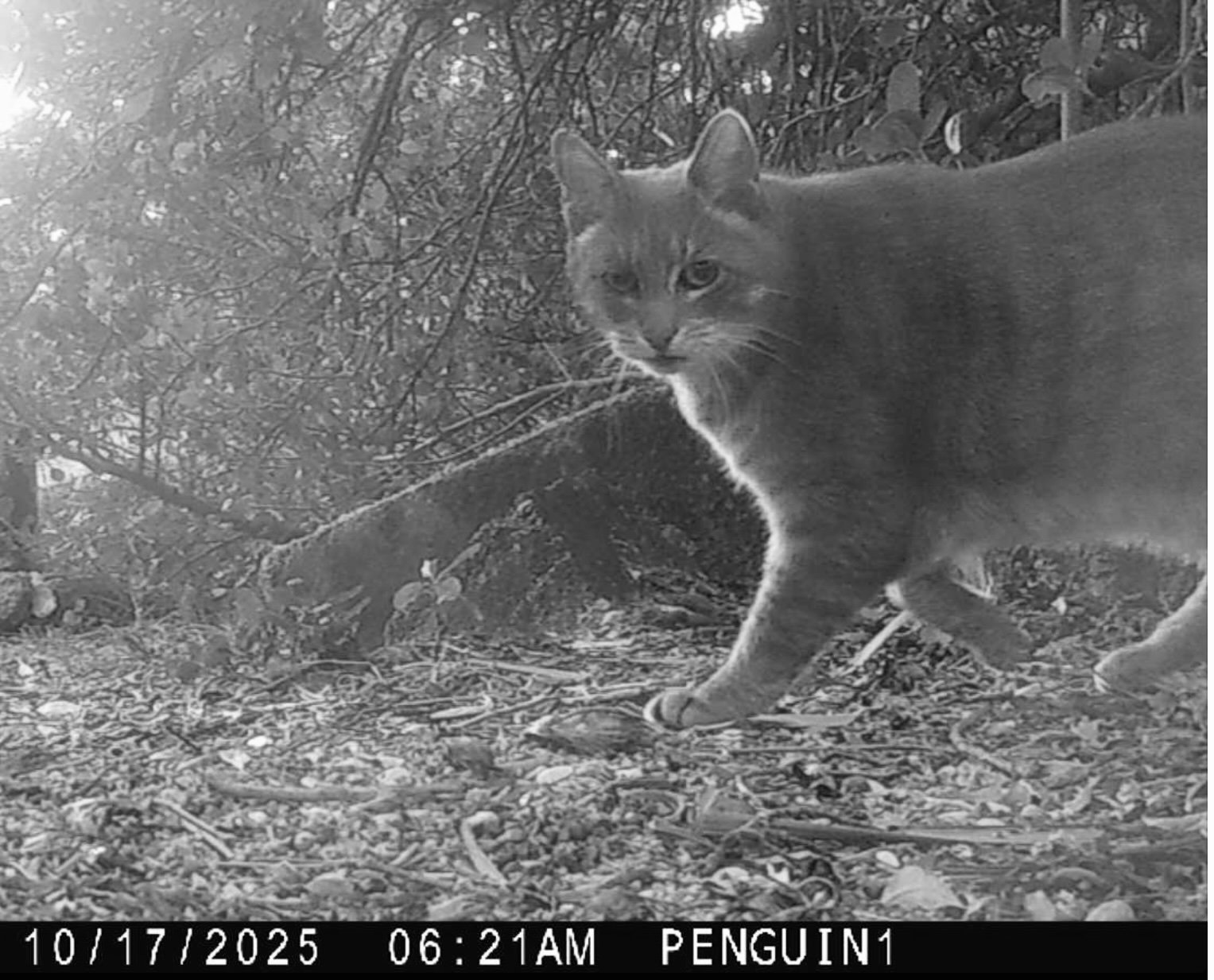
Domestic Stray Cats
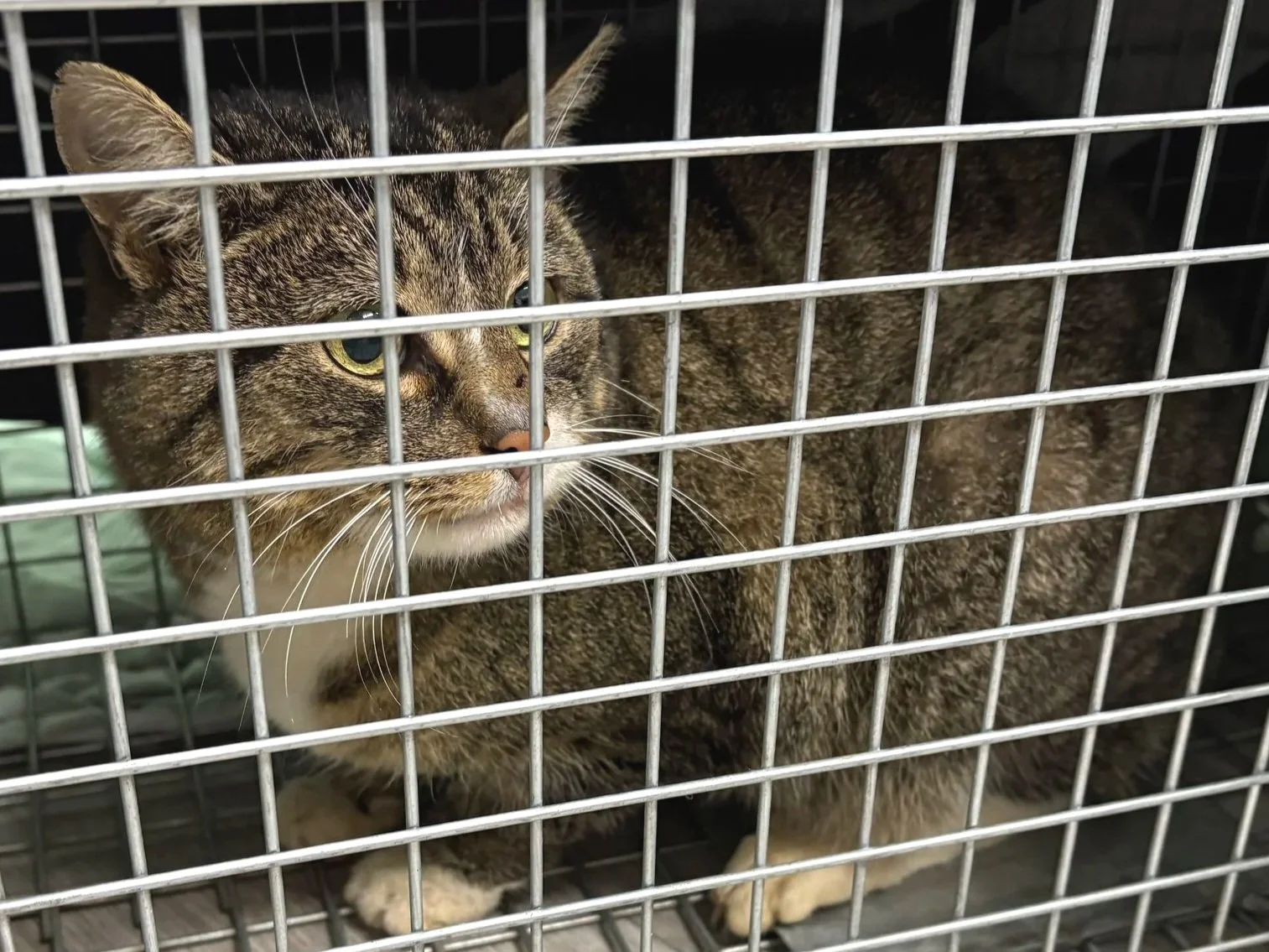
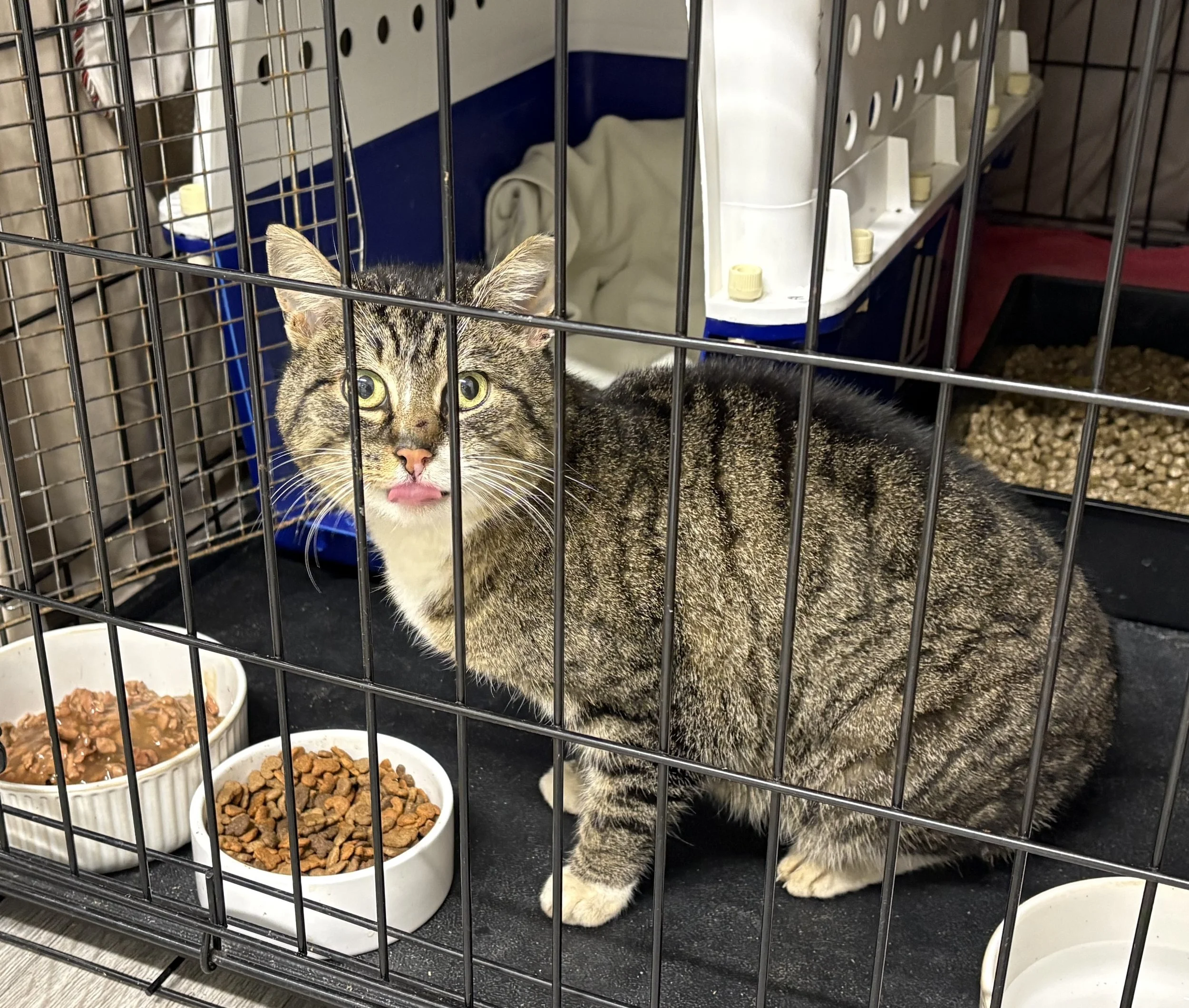
Unowned cats are let down by people and are in the environment because of human actions. The cause is irresponsible pet ownership and context is important. The Trust views stray cat trapping as a critical animal welfare tool that facilitates positive outcomes for both cats and wildlife. Stray cats persist in the environment hunting native birds, reptiles and invertebrates to survive. Stray cats are domesticated and rely on human care — in the wild they lead hard lives (sick, relentless litters of kittens, emaciated, etc). If the cycle is not stopped, generational strays eventually lead to source populations and feral cats — which are unsocial, do not rely on humans, and cannot be acclimatised for rehoming.
Trapping & Cat Rescues
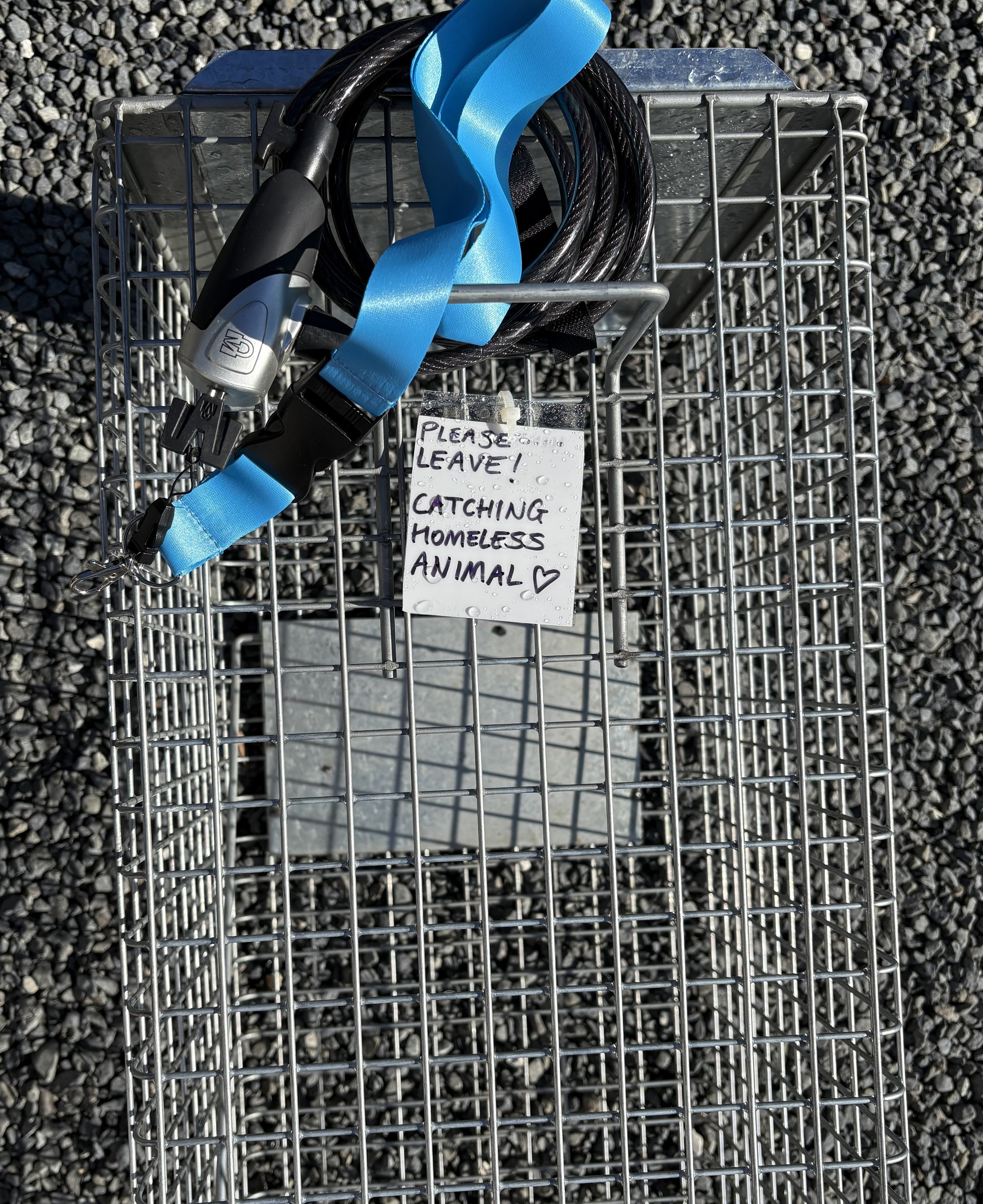
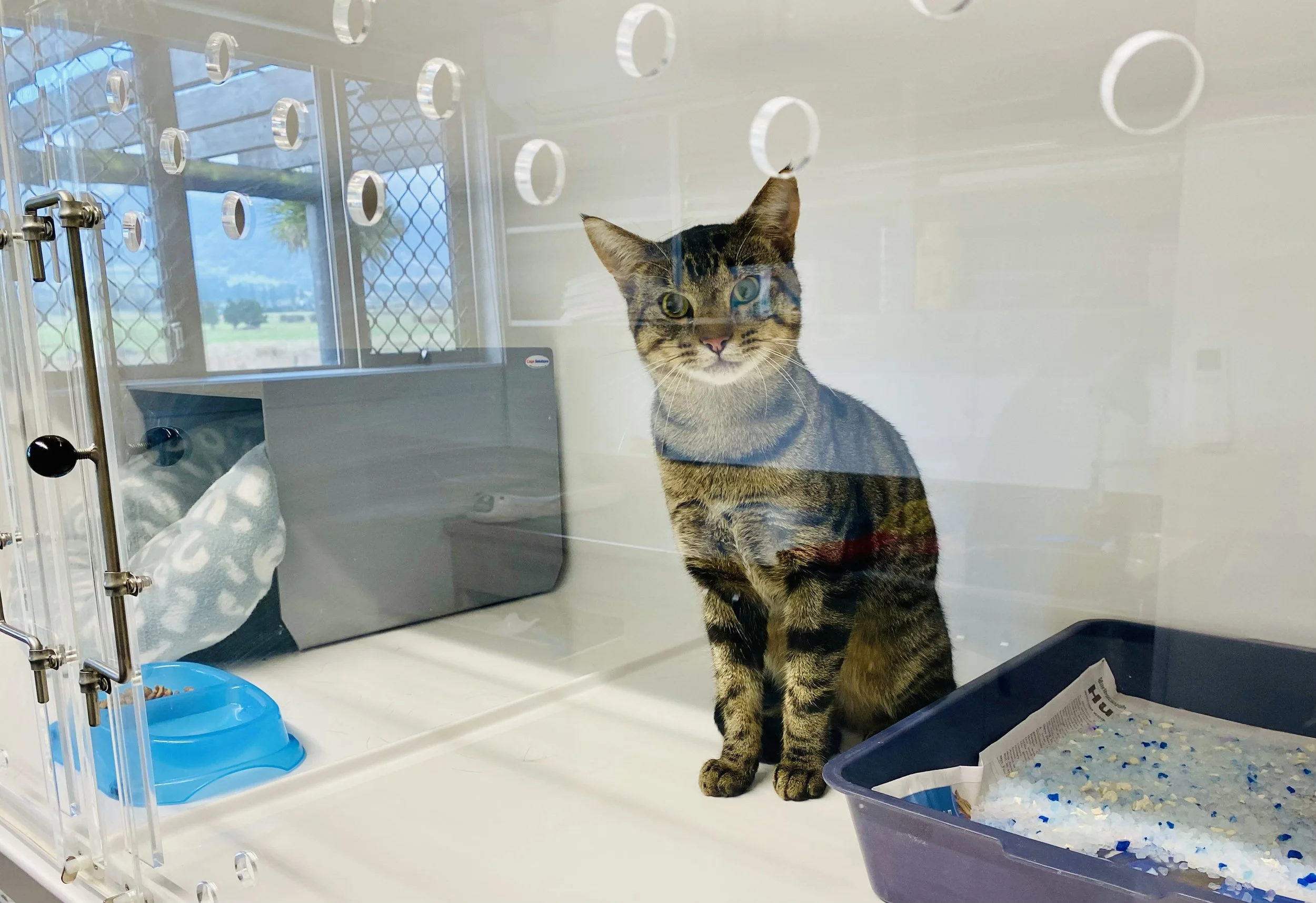
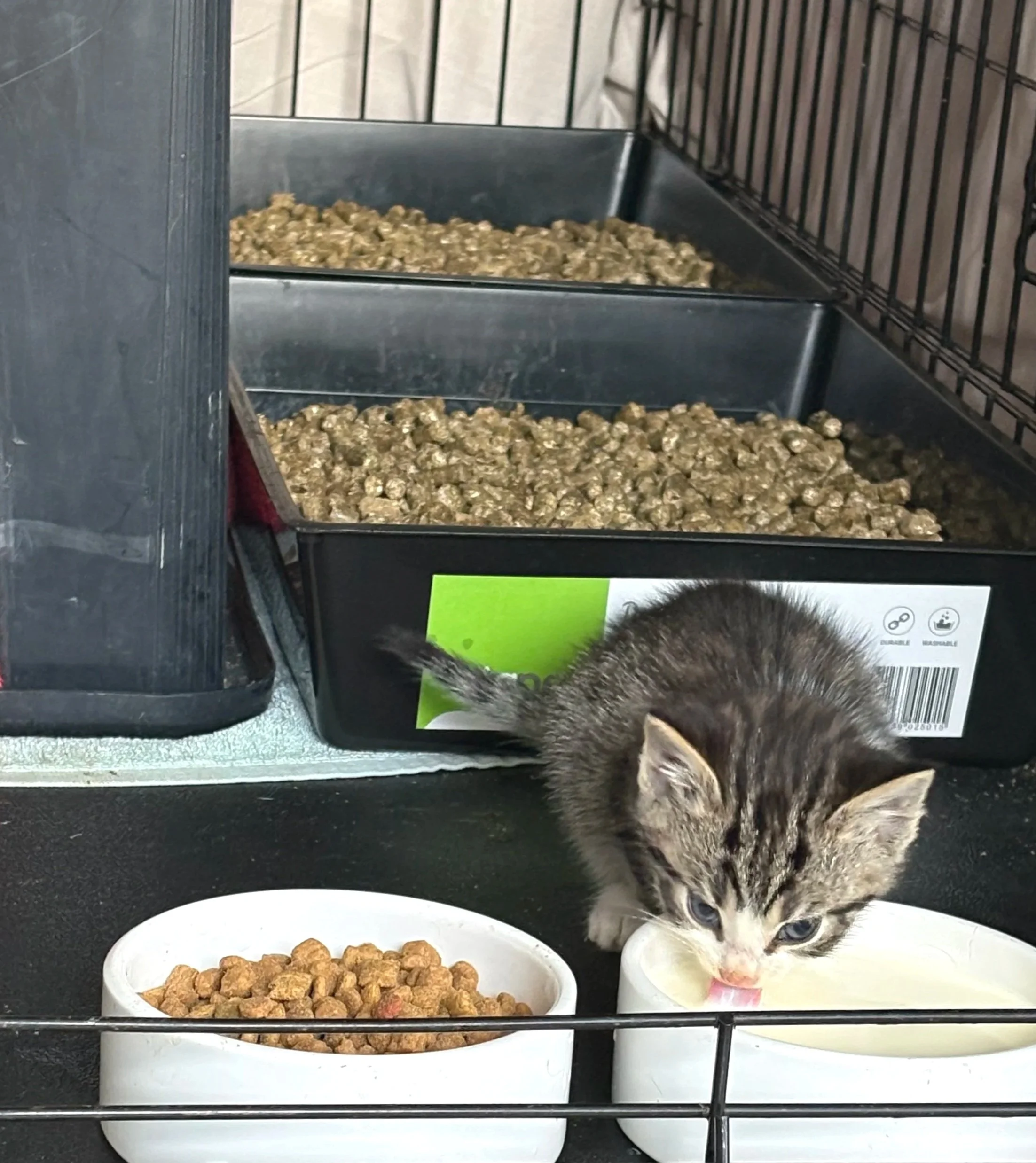
Trapping human associated cats, means they do not remain in the environment and receive transfer to regional rescues. This approach is a win-win for wildlife and stray cats. Unowned Kaikōura cats and kittens which are captured via live traps, that are social and rehomable, are admitted into foster care placement with regional cat rescues for adoption. Unsocial kittens under 16 weeks may also be admitted into care. Social cats are scanned for microchips and advertised prior to transfer, in case these are lost pets. The Trust is proud to collaborate with Cat Care for transfers. The Trust is able to loan cat traps to the community — this involves signing forms agreeing to welfare guidelines and a bond.